Blog

  • Beyond the Page: How to Align Your cvDragon Resume with Your LinkedIn Profile

    Beyond the Page: How to Align Your cvDragon Resume with Your LinkedIn Profile

    In today’s digital-first job market, your resume is no longer the only document recruiters use to evaluate your professional profile. Your LinkedIn profile has become an important extension of your career identity, allowing employers, recruiters, and professional connections to learn more about your experience, skills, achievements, and career goals. This makes consistency between your resume and LinkedIn profile more important than ever.

    Imagine a recruiter receiving your CVDragon resume and then visiting your LinkedIn profile. If your resume says you have five years of experience but your LinkedIn profile shows seven, or your job titles, employment dates, skills, and achievements don’t match, the inconsistency may create doubts about your credibility. On the other hand, when both profiles present a consistent and professional career story, you create a stronger personal brand and make it easier for recruiters to understand your value.

    At CVDragon, we believe your resume and LinkedIn profile should work together rather than exist as separate professional documents. Your resume can provide a focused, job-specific presentation of your qualifications, while LinkedIn offers a broader picture of your professional journey. By aligning the two strategically, you can build a stronger online presence and improve your chances of attracting the right career opportunities.

    Why Your Resume and LinkedIn Profile Should Be Aligned

    Your resume and LinkedIn profile serve different purposes, but they should tell the same overall story.

    Your resume is typically customized for a specific job application. It highlights the skills, experience, and achievements most relevant to a particular position.

    LinkedIn, on the other hand, is a broader professional profile. It helps you:

    • Build your professional identity.
    • Connect with industry professionals.
    • Showcase your career journey.
    • Share knowledge and achievements.
    • Attract recruiters.
    • Discover career opportunities.

    While the content doesn’t need to be identical, important facts should remain consistent. This includes job titles, employment dates, education, certifications, and major career achievements.

    Start with Your Professional Identity

    The first step in aligning your CVDragon resume and LinkedIn profile is defining your professional identity.

    Ask yourself:

    • What type of professional am I?
    • What industry do I work in?
    • What roles am I targeting?
    • What are my strongest skills?
    • What value do I bring to employers?

    Your resume summary and LinkedIn headline should communicate this identity clearly.

    For example, if you are a digital marketing professional specializing in SEO and performance marketing, your resume and LinkedIn profile should consistently reflect those areas of expertise.

    This creates a clear professional brand that recruiters can easily recognize.

    Align Your Job Titles and Employment Dates

    One of the most important details to keep consistent is your employment history.

    Make sure the following information matches:

    • Company names.
    • Job titles.
    • Employment dates.
    • Promotions.
    • Career progression.

    If your official job title is very specialized or unclear to external recruiters, you may use a more understandable equivalent on your resume, but avoid misrepresenting your position.

    Consistency in employment history helps establish credibility and prevents confusion.

    Keep Your Career Story Consistent

    Your resume and LinkedIn profile should tell a logical story about your professional development.

    For example, your career journey might show:

    Intern → Marketing Executive → Senior Marketing Specialist → Marketing Manager

    Your LinkedIn profile can provide more context about each stage, while your resume can focus on the roles and achievements most relevant to your target position.

    The key is to ensure that your career progression is accurate and easy to understand.

    Use a Consistent Professional Summary and Headline

    Your resume summary and LinkedIn “About” section don’t need to be word-for-word identical, but they should communicate the same professional direction.

    For example, your CVDragon resume might begin with:

    “Results-driven HR professional with eight years of experience in talent acquisition, employee engagement, and organizational development.”

    Your LinkedIn headline could be:

    HR Professional | Talent Acquisition | Employee Engagement | Organizational Development

    Your LinkedIn About section can then expand on your experience, career interests, and professional achievements.

    This creates consistency while allowing each platform to serve its unique purpose.

    Highlight the Same Major Achievements

    Your most important career accomplishments should appear across both platforms.

    If your resume highlights that you:

    • Increased sales by 35%.
    • Reduced operational costs by 20%.
    • Managed a team of 25 employees.

    Consider mentioning these achievements on LinkedIn as well.

    However, your LinkedIn profile can provide additional context about how you achieved those results.

    The goal is not to copy and paste everything but to reinforce your strongest professional accomplishments across both platforms.

    Match Your Skills

    Your resume and LinkedIn profile should reflect a consistent set of core skills.

    For example, if your CVDragon resume emphasizes:

    • Project Management.
    • Data Analysis.
    • Leadership.
    • Strategic Planning.

    Your LinkedIn profile should include these skills as well.

    LinkedIn allows users to add multiple skills and receive endorsements from connections. Prioritize skills that are relevant to the career opportunities you want to pursue.

    This also improves your visibility when recruiters search for candidates using specific keywords.

    Align Your Education and Certifications

    Education and certifications should be accurate and consistent across your resume and LinkedIn profile.

    Check:

    • Degree names.
    • Institution names.
    • Graduation dates.
    • Certification titles.
    • Issuing organizations.
    • Completion dates.

    If you have recently earned a certification, update both platforms promptly.

    Professional certifications can significantly strengthen your profile, particularly when applying for specialized roles.

    Use Keywords Strategically

    Recruiters often search LinkedIn using keywords related to specific skills and job titles. Applicant Tracking Systems also scan resumes for relevant keywords.

    Identify keywords from the job descriptions of positions you want to target.

    These might include:

    • Digital Transformation.
    • Data Analytics.
    • Project Management.
    • Cloud Computing.
    • Cybersecurity.
    • Business Development.
    • Talent Acquisition.

    Naturally incorporate relevant keywords into your resume and LinkedIn profile.

    Avoid keyword stuffing. Instead, use terms in meaningful descriptions of your experience and achievements.

    Keep Your LinkedIn Profile More Detailed

    Your resume should be concise and focused, while LinkedIn can provide a more comprehensive view of your career.

    For example, your resume might include three key achievements from a previous role, while your LinkedIn profile can include additional projects, responsibilities, and professional contributions.

    Think of your resume as a targeted career document and LinkedIn as your broader professional portfolio.

    This approach allows both platforms to complement each other without becoming identical copies.

    Add Your CVDragon Resume Experience to LinkedIn

    When creating a resume with CVDragon, review each section and identify information that can strengthen your LinkedIn profile.

    Consider adding:

    • Relevant projects.
    • Certifications.
    • Skills.
    • Awards.
    • Leadership experiences.
    • Volunteer work.
    • Portfolio links.

    This ensures that your LinkedIn presence reflects the professional strengths presented in your resume.

    Use a Professional Photo

    Your LinkedIn profile should include a professional and appropriate profile photo. While a photo is generally unnecessary on a modern resume in many professional markets, LinkedIn is designed as a professional networking platform where a profile image helps people recognize you.

    Choose a photo that is:

    • Clear.
    • Professional.
    • Recent.
    • Appropriate for your industry.

    Your profile image should reinforce the professional identity presented by your CVDragon resume.

    Include a Professional Portfolio When Relevant

    For certain careers, a portfolio can provide valuable evidence of your skills.

    Consider including portfolio links for roles in:

    • Graphic design.
    • Writing.
    • Software development.
    • Digital marketing.
    • Photography.
    • UI/UX design.
    • Content creation.

    Your resume can include a direct portfolio link, while LinkedIn can provide additional context about your work.

    Update Both Profiles Regularly

    Your professional profile should never remain static.

    Update your resume and LinkedIn profile when you:

    • Change jobs.
    • Receive a promotion.
    • Complete a certification.
    • Finish a major project.
    • Develop a new skill.
    • Receive an award.
    • Change your career goals.

    Keeping both profiles updated ensures that recruiters always see accurate information.

    Avoid Copying Your Resume Word-for-Word

    Although consistency is important, copying your entire resume directly into LinkedIn isn’t always the best strategy.

    Your LinkedIn profile should feel more conversational and provide additional context.

    For example:

    Resume:

    “Managed a team of 15 employees and increased productivity by 25%.”

    LinkedIn:

    “I led a team of 15 professionals through a process improvement initiative that increased productivity by 25%. The experience taught me the importance of clear communication, employee engagement, and data-driven decision-making.”

    Both versions communicate the same achievement, but LinkedIn provides a more personal perspective.

    Check for Inconsistencies Before Applying

    Before submitting your CVDragon resume, take a few minutes to review your LinkedIn profile.

    Check:

    • Job titles.
    • Employment dates.
    • Company names.
    • Education.
    • Certifications.
    • Skills.
    • Major achievements.

    Correct any inconsistencies before recruiters notice them.

    This simple step can strengthen your credibility and create a more professional impression.

    Build a Consistent Personal Brand

    Your resume and LinkedIn profile should communicate a consistent professional brand.

    This includes:

    • Similar professional positioning.
    • Consistent career direction.
    • Matching key skills.
    • Accurate career history.
    • Consistent achievements.

    A strong personal brand helps recruiters understand who you are professionally and what type of opportunity you are seeking.

    Conclusion

    Your CVDragon resume and LinkedIn profile are two powerful tools that can work together to strengthen your career opportunities. While your resume should be tailored and focused on the specific position you are applying for, your LinkedIn profile can provide a broader view of your professional journey, skills, achievements, and career interests.

    Aligning important information across both platforms builds credibility, strengthens your personal brand, improves recruiter visibility, and creates a more consistent professional presence. Remember to keep your job history, education, certifications, skills, and major accomplishments accurate and consistent while allowing each platform to serve its unique purpose.

    At CVDragon, we believe that building a successful career involves more than creating a great resume. Your professional identity should be consistent wherever employers find you. By connecting your CVDragon resume with a strong LinkedIn profile, you can move beyond the page, showcase your professional value, and create a digital presence that supports your long-term career growth.

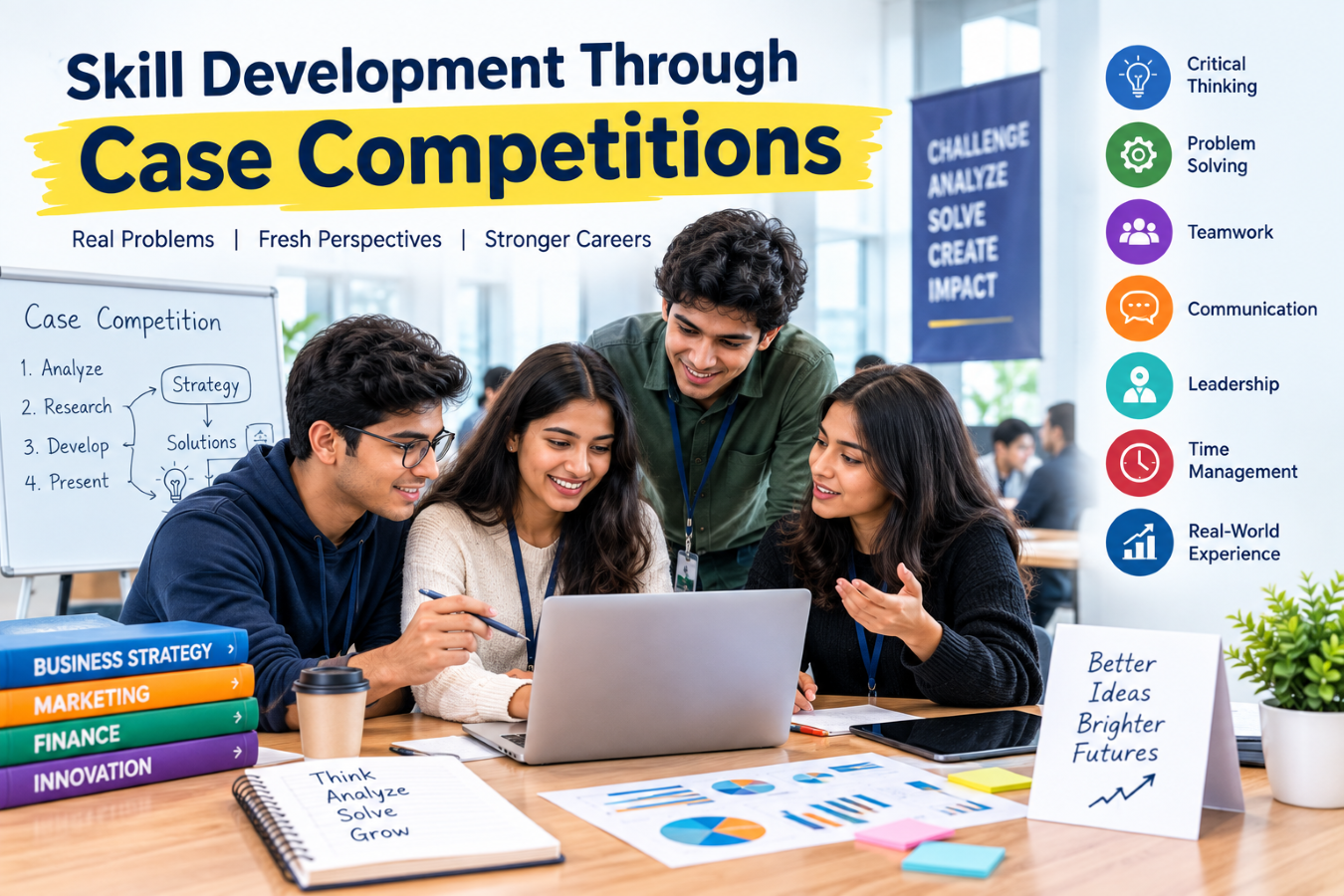
  • Skill Development Through Online Communities: How Students Can Learn, Connect, and Grow Together

    Skill Development Through Online Communities: How Students Can Learn, Connect, and Grow Together

    In today’s digital world, learning is no longer limited to classrooms, libraries, or traditional educational institutions. Students now have access to a vast global network of online communities where they can learn new skills, exchange ideas, ask questions, collaborate on projects, and connect with people who share similar interests. From programming and data science to design, digital marketing, entrepreneurship, and communication, online communities have become valuable spaces for continuous skill development.

    At CVDragon, we believe that students can accelerate their personal and professional growth by becoming active participants in online learning communities. These platforms provide opportunities to learn from experienced professionals, practice skills through real-world discussions, receive feedback, and discover career opportunities. When used effectively, online communities can complement formal education and help students develop the practical skills required to succeed in today’s competitive job market.

    What Are Online Learning Communities?

    Online learning communities are digital spaces where individuals come together to share knowledge, discuss topics, solve problems, and learn from one another. These communities may exist on dedicated learning platforms, professional networks, discussion forums, social media groups, or collaborative platforms.

    Examples include communities focused on:

    • Programming and software development.
    • Data science and artificial intelligence.
    • Digital marketing.
    • Graphic and UI/UX design.
    • Entrepreneurship.
    • Finance and investing.
    • Career development.
    • Language learning.
    • Academic research.

    The key advantage of these communities is that students can interact with people from different backgrounds, industries, and experience levels.

    Why Online Communities Matter for Skill Development

    Traditional education provides students with foundational knowledge, but online communities can help them apply that knowledge in practical environments.

    Participating in online communities allows students to:

    • Learn from experienced professionals.
    • Ask questions and receive feedback.
    • Discover industry trends.
    • Practice problem-solving.
    • Collaborate on projects.
    • Build professional networks.
    • Find mentors.
    • Explore career opportunities.

    This combination of learning and interaction helps students develop skills beyond what they may learn through textbooks or lectures.

    Learn from Industry Professionals

    One of the greatest benefits of online communities is access to people who are already working in the industry.

    Students can follow professionals, read their experiences, participate in discussions, and learn about real-world challenges. This exposure provides insights into how theoretical concepts are applied in professional environments.

    For example, a student interested in cybersecurity can learn from security professionals discussing current threats, while an aspiring digital marketer can follow conversations about SEO, content strategy, and changing consumer behavior.

    Learning directly from professionals helps students develop a clearer understanding of industry expectations.

    Ask Questions and Solve Problems

    Students often hesitate to ask questions in classrooms because they may fear making mistakes or appearing uninformed. Online communities can provide a more flexible environment for asking questions and seeking guidance.

    Whether a student is struggling with a programming error, trying to understand a complex concept, or looking for feedback on a project, online communities often provide valuable support.

    Asking thoughtful questions also improves communication and problem-solving skills. Over time, students learn how to explain problems clearly, evaluate possible solutions, and apply feedback effectively.

    Practice Skills Through Real Discussions

    Skill development requires practice. Reading about a skill is not enough; students need opportunities to apply their knowledge.

    Online communities encourage practical learning through:

    • Technical discussions.
    • Challenges.
    • Case studies.
    • Competitions.
    • Project collaborations.
    • Peer reviews.

    For example, a student learning data analytics might participate in discussions about real datasets and analysis techniques. Similarly, a design student may share a project and receive feedback from other designers.

    This practical interaction strengthens understanding and builds confidence.

    Collaborate on Projects

    Collaboration is an essential workplace skill. Most professional environments require employees to work with colleagues, clients, and stakeholders.

    Online communities provide opportunities to collaborate with people from different locations and backgrounds. Students can work together on:

    • Open-source projects.
    • Research initiatives.
    • Business ideas.
    • Hackathons.
    • Content projects.
    • Design challenges.
    • Technology experiments.

    Collaborative projects help students develop communication, teamwork, leadership, and project management skills.

    Build a Professional Network

    Networking is an important part of career development. Online communities allow students to build relationships long before they enter the workforce.

    Students can connect with:

    • Industry professionals.
    • Recruiters.
    • Entrepreneurs.
    • Researchers.
    • Mentors.
    • Fellow students.
    • Potential collaborators.

    A strong professional network can provide valuable advice, referrals, internship opportunities, and career guidance.

    However, networking should be approached genuinely. Students should focus on contributing to discussions and building meaningful relationships rather than simply asking people for jobs.

    Find Mentors and Role Models

    Mentorship can significantly influence a student’s career journey. Online communities make it easier to discover experienced individuals who are willing to share advice and guidance.

    Students can learn from mentors about:

    • Career paths.
    • Industry expectations.
    • Skill development.
    • Professional challenges.
    • Job preparation.
    • Workplace culture.

    Following the journey of experienced professionals can also help students identify the skills they need to develop to achieve similar career goals.

    Improve Communication Skills

    Online community participation requires students to communicate clearly and professionally.

    Whether writing a question, explaining a solution, giving feedback, or presenting an idea, students practice expressing themselves effectively.

    Over time, this improves:

    • Written communication.
    • Professional etiquette.
    • Active listening.
    • Constructive feedback.
    • Persuasive communication.

    These skills are valuable across almost every career.

    Discover Industry Trends

    Industries are constantly evolving. Technologies, tools, and professional practices that are relevant today may change within a few years.

    Online communities provide real-time exposure to industry conversations and emerging trends. Students can discover:

    • New technologies.
    • Emerging career paths.
    • In-demand skills.
    • Industry challenges.
    • New tools and platforms.

    Staying informed helps students make better decisions about their education and career development.

    Build a Portfolio Through Community Participation

    Online communities can also contribute to a student’s professional portfolio.

    Students can showcase:

    • Projects they contributed to.
    • Open-source work.
    • Technical solutions.
    • Research contributions.
    • Competition achievements.
    • Community leadership roles.

    For example, participating in an open-source project can demonstrate technical skills and collaboration. Organizing a community event can showcase leadership and project management abilities.

    These experiences can strengthen a resume and provide valuable examples during job interviews.

    Learn Through Peer-to-Peer Education

    Learning does not always have to come from teachers or experts. Students can learn a great deal from their peers.

    Peer-to-peer learning allows students to:

    • Exchange different perspectives.
    • Explain concepts to one another.
    • Share resources.
    • Review each other’s work.
    • Solve problems collaboratively.

    Teaching others can also strengthen the student’s own understanding. When you explain a concept clearly, you often discover gaps in your own knowledge.

    Choose the Right Online Communities

    Not every online community provides the same learning value. Students should select communities based on their career interests and learning goals.

    Before joining, consider:

    • Is the community active?
    • Are discussions relevant?
    • Do experienced professionals participate?
    • Is feedback constructive?
    • Are members respectful?
    • Are learning opportunities available?

    Joining a few high-quality communities is often more beneficial than joining dozens of inactive groups.

    Practice Digital Professionalism

    Students should remember that online interactions contribute to their digital reputation.

    Good practices include:

    • Communicating respectfully.
    • Avoiding unnecessary arguments.
    • Giving constructive feedback.
    • Crediting other people’s work.
    • Protecting personal information.
    • Following community guidelines.

    A positive online presence can support future networking and career opportunities.

    Avoid Passive Participation

    Simply joining an online community is not enough. Students should actively participate to gain meaningful benefits.

    Instead of only reading posts, try to:

    • Ask thoughtful questions.
    • Answer questions when possible.
    • Share useful resources.
    • Participate in discussions.
    • Join collaborative projects.
    • Request feedback.
    • Document your learning journey.

    Active participation creates stronger learning outcomes and increases visibility within the community.

    Balance Online Learning with Formal Education

    Online communities should complement formal education rather than completely replace it.

    Students can combine:

    • Academic learning.
    • Online courses.
    • Community discussions.
    • Practical projects.
    • Internships.
    • Certifications.

    This blended approach creates a more complete learning experience by combining theoretical knowledge with practical exposure.

    The Role of Online Communities in Career Readiness

    Employers increasingly value candidates who demonstrate initiative, adaptability, collaboration, and continuous learning. Active participation in professional communities can help students develop these qualities.

    Community-based learning can provide examples of:

    • Problem-solving.
    • Teamwork.
    • Leadership.
    • Communication.
    • Technical skills.
    • Industry awareness.

    These experiences can be highlighted on resumes, portfolios, and during interviews when they are relevant to the target role.

    Conclusion

    Skill development through online communities offers students a powerful way to supplement traditional education and prepare for the modern workplace. By interacting with professionals, collaborating on projects, asking questions, sharing knowledge, and staying informed about industry trends, students can develop practical skills while building valuable professional networks.

    At CVDragon, we encourage students to view online communities as more than social platforms. When approached with curiosity, consistency, and professionalism, they can become valuable environments for learning, networking, mentorship, and career growth. The skills students develop through these communities can strengthen their resumes, expand their portfolios, and improve their confidence when entering the professional world.

    The future of learning is increasingly collaborative and connected. Students who actively participate in meaningful online communities today can build the knowledge, skills, relationships, and professional confidence needed to succeed in tomorrow’s competitive job market.

  • Resume for Executives: How to Create a Powerful Executive Resume That Demonstrates Leadership and Business Impact

    Resume for Executives: How to Create a Powerful Executive Resume That Demonstrates Leadership and Business Impact

    In today’s highly competitive business environment, executive-level positions demand more than extensive experience—they require visionary leadership, strategic thinking, measurable business achievements, and the ability to drive organizational growth. Whether you’re applying for a C-suite position, Vice President role, Director-level opportunity, or another senior leadership position, your resume must immediately communicate your executive value. Unlike a standard resume, an executive resume focuses on transformational leadership, business outcomes, and the ability to influence organizational success.

    At CVDragon, we understand that an executive resume is more than a career summary—it’s a strategic marketing document. It should position you as a results-driven leader capable of making high-level decisions, leading change, managing large teams, and delivering sustainable business growth. A professionally written executive resume can open doors to leadership opportunities, board positions, and global career advancement.

    Why an Executive Resume Is Different

    Recruiters hiring for executive positions are looking beyond technical expertise. They want leaders who can shape business strategy, manage organizational change, improve profitability, build high-performing teams, and deliver measurable outcomes.

    An executive resume should emphasize:

    • Strategic leadership.
    • Business transformation.
    • Revenue growth.
    • Operational excellence.
    • Organizational development.
    • Financial management.
    • Innovation.
    • Stakeholder relationships.
    • Corporate governance.

    Rather than focusing on daily responsibilities, it should clearly demonstrate how your leadership has created long-term business value.

    Start with a Powerful Executive Summary

    The executive summary is the most important section of an executive resume. It serves as your leadership introduction and should immediately communicate your expertise, achievements, and executive capabilities.

    A strong executive summary typically includes:

    • Years of leadership experience.
    • Industry expertise.
    • Executive leadership strengths.
    • Major business achievements.
    • Areas of specialization.
    • Leadership philosophy or value proposition.

    For example:

    “Visionary business executive with over 18 years of experience leading global operations, driving digital transformation, and delivering sustainable revenue growth across multinational organizations. Proven ability to manage large-scale business strategies, optimize operational performance, and build high-performing leadership teams. Recognized for successfully leading organizational change while improving profitability and customer satisfaction.”

    This introduction immediately establishes executive credibility.

    Highlight Executive Core Competencies

    Executive recruiters often scan resumes for leadership competencies that align with organizational goals.

    Examples include:

    Leadership Competencies

    • Strategic Planning
    • Business Development
    • Corporate Governance
    • Organizational Leadership
    • Change Management
    • Executive Decision-Making
    • Talent Development
    • Stakeholder Management
    • Innovation Leadership
    • Business Transformation

    Business Competencies

    • Financial Planning
    • Budget Management
    • Profit and Loss (P&L) Management
    • Risk Management
    • Operational Excellence
    • Business Analytics
    • Market Expansion
    • Mergers and Acquisitions
    • Digital Transformation
    • Performance Optimization

    Present these competencies in a clean, ATS-friendly format to improve visibility.

    Showcase Leadership Achievements Instead of Responsibilities

    One of the most common mistakes executives make is listing responsibilities instead of demonstrating measurable business impact.

    Instead of writing:

    • Managed company operations.

    Write:

    • Directed enterprise-wide operations across five regional offices, increasing annual revenue by 32%, reducing operational costs by 18%, and improving customer satisfaction scores through strategic process improvements.

    Executive resumes should focus on results, innovation, and leadership outcomes rather than routine duties.

    Demonstrate Business Impact with Metrics

    Numbers provide strong evidence of leadership effectiveness. Quantifiable achievements help recruiters understand the scale and significance of your contributions.

    Examples include:

    • Increased annual revenue by 45%.
    • Managed budgets exceeding $100 million.
    • Led teams of over 500 employees.
    • Reduced operational expenses by 20%.
    • Expanded business operations into 12 international markets.
    • Improved employee engagement by 28%.
    • Delivered digital transformation initiatives ahead of schedule.

    Metrics strengthen credibility and clearly illustrate executive performance.

    Highlight Strategic Leadership Experience

    Organizations hire executives to shape long-term business success. Your resume should demonstrate strategic leadership through real examples.

    Include achievements related to:

    • Business expansion.
    • Organizational restructuring.
    • Market growth.
    • Corporate strategy.
    • Product innovation.
    • Strategic partnerships.
    • Digital transformation.
    • Customer experience improvements.
    • Operational efficiency.
    • Sustainability initiatives.

    Focus on initiatives that influenced overall business performance rather than departmental activities.

    Showcase Experience Managing People and Organizations

    Leadership at the executive level extends beyond managing teams—it involves developing future leaders and creating high-performing organizations.

    Highlight experience such as:

    • Leading executive teams.
    • Managing multiple departments.
    • Building leadership pipelines.
    • Mentoring senior managers.
    • Driving organizational culture.
    • Leading cross-functional initiatives.
    • Improving workforce performance.

    Employers seek executives who can inspire teams and create lasting organizational success.

    Include Major Strategic Projects

    Large-scale projects often define executive careers. Dedicate a section to major initiatives that demonstrate leadership and business impact.

    Examples include:

    • Enterprise digital transformation.
    • Global market expansion.
    • Company mergers or acquisitions.
    • ERP implementation.
    • Business restructuring.
    • Customer experience transformation.
    • Sustainability programs.
    • Innovation initiatives.

    For each project, explain the objective, your leadership role, and measurable business outcomes.

    Highlight Education and Executive Certifications

    While experience carries significant weight, education and executive training reinforce your leadership profile.

    Include:

    • MBA or relevant postgraduate degrees.
    • Executive leadership programs.
    • Project Management certifications.
    • Lean Six Sigma.
    • Corporate governance certifications.
    • Financial management qualifications.
    • Industry-specific executive certifications.

    Continuous learning demonstrates commitment to leadership excellence.

    Optimize for Applicant Tracking Systems (ATS)

    Many executive search firms and organizations use Applicant Tracking Systems before resumes reach hiring executives.

    To improve ATS compatibility:

    • Use standard section headings.
    • Include leadership and industry-specific keywords.
    • Avoid graphics and complex formatting.
    • Use professional fonts.
    • Maintain consistent formatting throughout.
    • Save the resume in the requested format.

    An ATS-friendly executive resume increases visibility and improves the likelihood of being shortlisted.

    Build a Strong Executive Brand

    Your resume should consistently communicate your executive identity.

    Consider emphasizing strengths such as:

    • Visionary leadership.
    • Business transformation.
    • Innovation.
    • Revenue growth.
    • Operational excellence.
    • Global business experience.
    • Customer-centric leadership.
    • Digital innovation.
    • Organizational culture development.

    A consistent personal brand helps recruiters quickly understand your leadership style and expertise.

    Tailor Your Resume for Each Executive Opportunity

    Even experienced executives should customize their resumes for every role.

    Review the job description carefully and adjust:

    • Executive summary.
    • Leadership achievements.
    • Core competencies.
    • Business metrics.
    • Industry-specific keywords.

    Tailoring your resume demonstrates strategic thinking and ensures greater alignment with employer expectations.

    Common Mistakes Executive Candidates Should Avoid

    Even senior professionals can reduce their chances of success by making avoidable resume mistakes.

    Common errors include:

    • Listing responsibilities instead of achievements.
    • Writing lengthy career histories without measurable outcomes.
    • Using outdated resume formats.
    • Ignoring ATS optimization.
    • Including irrelevant early-career experience.
    • Using vague leadership statements.
    • Failing to demonstrate strategic impact.

    A concise, achievement-focused resume creates a stronger executive presence.

    Support Your Resume with Additional Executive Assets

    An executive resume becomes even more compelling when supported by complementary professional materials.

    Consider including or maintaining:

    • An optimized LinkedIn profile.
    • Executive biography.
    • Professional portfolio.
    • Board memberships.
    • Industry publications.
    • Speaking engagements.
    • Awards and recognitions.
    • Professional affiliations.

    These elements strengthen your executive profile and reinforce your leadership credibility.

    Preparing for Executive Interviews

    A well-written resume also serves as a roadmap for executive interviews. Be prepared to discuss the achievements, metrics, and leadership initiatives highlighted in your resume.

    Focus on explaining:

    • Strategic decisions you made.
    • Business challenges you overcame.
    • Organizational transformations you led.
    • Financial results you achieved.
    • Leadership philosophy.
    • Vision for future growth.

    Consistency between your resume and interview responses builds trust and confidence with hiring organizations.

    How CVDragon Helps Executives Build Winning Resumes

    Creating an executive resume requires a strategic approach that goes beyond traditional resume writing. CVDragon specializes in developing ATS-friendly, leadership-focused resumes that highlight executive achievements, measurable business impact, and strategic expertise. By presenting accomplishments with clarity and precision, CVDragon helps senior professionals position themselves for leadership opportunities across industries.

    Whether you are pursuing a C-suite role, executive promotion, or international leadership opportunity, a professionally crafted resume can become one of your strongest career assets.

    Conclusion

    An executive resume is far more than a summary of your career—it is a strategic representation of your leadership journey, business achievements, and organizational impact. By emphasizing measurable results, strategic initiatives, executive competencies, and leadership accomplishments, you can demonstrate your readiness to guide organizations through growth, innovation, and transformation. A well-structured, ATS-friendly executive resume positions you as a confident, capable leader who delivers meaningful business outcomes.

    At CVDragon, we believe every executive has a unique leadership story worth showcasing. Whether you’re advancing to a higher executive role, transitioning into a new industry, or pursuing global leadership opportunities, your resume should clearly communicate the value you bring to an organization. With the right strategy and presentation, your executive resume can become the key to unlocking the next stage of your professional journey.

  • How to Write a Compelling Resume Summary That Hooks Recruiters in 6 Seconds

    How to Write a Compelling Resume Summary That Hooks Recruiters in 6 Seconds

    Landing an internship is one of the most important milestones in a student’s career journey. It provides valuable hands-on experience, helps develop industry-specific skills, expands professional networks, and often serves as a gateway to full-time employment. However, with thousands of students applying for limited internship opportunities, standing out requires more than just good academic performance. A well-crafted internship resume can significantly increase your chances of getting noticed by recruiters.

    At CVDragon, we believe that every student has the potential to build an impressive resume, even without extensive work experience. An internship resume should focus on your education, skills, projects, achievements, certifications, and willingness to learn. It should present your strengths in a professional and organized manner while demonstrating your readiness to contribute to an organization. This step-by-step guide will help you create an internship resume that captures employers’ attention and improves your chances of securing valuable internship opportunities.

    Why an Internship Resume Is Important

    An internship resume is often the first interaction a recruiter has with you. Since most students have limited professional experience, recruiters look for evidence of potential rather than years of employment.

    A strong internship resume helps you:

    • Make a positive first impression.
    • Showcase your academic background.
    • Highlight relevant skills.
    • Demonstrate practical experience through projects.
    • Present certifications and extracurricular achievements.
    • Improve your chances of passing Applicant Tracking Systems (ATS).
    • Secure interviews for internship opportunities.

    A professional resume communicates that you are serious about your career and prepared to learn in a professional environment.

    Step 1: Understand the Internship Requirements

    Before writing your resume, carefully read the internship description. Every company looks for different qualifications, skills, and competencies.

    Identify:

    • Required technical skills.
    • Preferred soft skills.
    • Educational qualifications.
    • Industry keywords.
    • Key responsibilities.
    • Desired certifications.

    Tailoring your resume to match these requirements increases your chances of getting shortlisted.

    Step 2: Add Professional Contact Information

    Begin your resume with accurate and professional contact details.

    Include:

    • Full name.
    • Mobile number.
    • Professional email address.
    • City and state.
    • LinkedIn profile (if updated).
    • Portfolio or GitHub link (if relevant).

    Avoid using unprofessional email addresses, as they can create a negative impression.

    Step 3: Write a Strong Career Objective

    Since most internship applicants have limited work experience, a career objective helps explain your goals and enthusiasm.

    An effective objective should mention:

    • Your educational background.
    • Career interests.
    • Relevant skills.
    • Willingness to learn.
    • Value you can bring to the organization.

    Example:

    “Motivated Computer Science student with a strong foundation in programming, problem-solving, and software development. Seeking an internship opportunity to apply technical skills, gain practical industry experience, and contribute to innovative projects while continuing to grow professionally.”

    Keep the objective concise, relevant, and tailored to the internship.

    Step 4: Highlight Your Educational Background

    For students, education is one of the strongest sections of the resume.

    Include:

    • Degree or course name.
    • College or university.
    • Expected graduation year.
    • Percentage or CGPA (if strong).
    • Relevant coursework.

    If you have received academic awards or scholarships, include them to strengthen your profile.

    Step 5: Showcase Relevant Skills

    Recruiters want interns who possess both technical and interpersonal skills.

    Technical Skills

    Examples include:

    • Programming languages.
    • Microsoft Excel.
    • Data analysis.
    • Graphic design.
    • Digital marketing.
    • Web development.
    • SQL.
    • Python.
    • Java.
    • Canva.
    • Power BI.

    Soft Skills

    Include skills such as:

    • Communication.
    • Teamwork.
    • Problem-solving.
    • Adaptability.
    • Time management.
    • Critical thinking.
    • Creativity.
    • Leadership.
    • Attention to detail.

    Choose skills that are relevant to the internship you are applying for.

    Step 6: Add Academic and Personal Projects

    Projects demonstrate your ability to apply classroom knowledge to practical situations.

    Include:

    • Project title.
    • Objective.
    • Your role.
    • Tools or technologies used.
    • Key outcomes.

    For example:

    Student Attendance Management System

    • Developed a web-based attendance system using Python and SQL.
    • Improved attendance tracking accuracy.
    • Designed a user-friendly interface for teachers and students.

    Projects help compensate for limited work experience and showcase practical abilities.

    Step 7: Include Certifications

    Professional certifications demonstrate initiative and continuous learning.

    Examples include:

    • Digital Marketing Certification.
    • Data Analytics Certification.
    • Python Programming.
    • Artificial Intelligence Fundamentals.
    • Cybersecurity Basics.
    • Financial Modeling.
    • Cloud Computing.
    • Excel Advanced.
    • Project Management.

    Relevant certifications strengthen your internship application and improve employability.

    Step 8: Highlight Extracurricular Activities

    Employers appreciate students who actively participate beyond academics.

    Examples include:

    • Student leadership positions.
    • College clubs.
    • Volunteer work.
    • Sports achievements.
    • Cultural events.
    • Technical competitions.
    • Debate competitions.
    • Event management.

    These activities demonstrate leadership, teamwork, and organizational skills.

    Step 9: Mention Internships or Volunteer Experience

    If you have completed any previous internships, part-time jobs, freelancing assignments, or volunteer work, include them even if they are unrelated.

    Focus on transferable skills such as:

    • Communication.
    • Teamwork.
    • Customer service.
    • Leadership.
    • Organization.
    • Problem-solving.

    Every professional experience contributes to your overall profile.

    Step 10: Optimize Your Resume for ATS

    Many organizations use Applicant Tracking Systems to filter resumes before recruiters review them.

    To improve ATS compatibility:

    • Use standard headings such as Education, Skills, Projects, and Certifications.
    • Include keywords from the internship description.
    • Avoid graphics and tables.
    • Use simple fonts.
    • Save the file in the requested format.
    • Maintain consistent formatting.

    An ATS-friendly resume increases your chances of reaching the hiring manager.

    Step 11: Keep the Design Professional

    A clean and organized resume is easier to read and leaves a better impression.

    Best practices include:

    • One-page resume for most students.
    • Clear headings.
    • Consistent font style.
    • Adequate spacing.
    • Bullet points for readability.
    • Professional formatting.

    Avoid unnecessary colors, graphics, or decorative elements unless applying for creative roles.

    Step 12: Proofread Carefully

    Small mistakes can reduce your credibility.

    Before submitting your resume:

    • Check spelling and grammar.
    • Verify dates and contact details.
    • Ensure consistent formatting.
    • Remove unnecessary information.
    • Confirm that all links work correctly.

    A polished resume reflects professionalism and attention to detail.

    Common Mistakes Students Should Avoid

    Many internship applicants unintentionally weaken their resumes by making avoidable errors.

    Common mistakes include:

    • Using generic career objectives.
    • Listing irrelevant information.
    • Including too many skills without evidence.
    • Ignoring projects and certifications.
    • Using unprofessional email addresses.
    • Sending the same resume to every company.
    • Failing to tailor the resume for the internship.
    • Submitting resumes with spelling or formatting errors.

    Avoiding these mistakes significantly improves the quality of your application.

    Additional Tips to Strengthen Your Internship Resume

    To make your resume even more competitive:

    • Build a professional LinkedIn profile.
    • Create an online portfolio if relevant.
    • Participate in hackathons and competitions.
    • Publish personal projects on GitHub.
    • Complete industry-recognized certifications.
    • Learn in-demand digital skills.
    • Join student organizations.
    • Stay updated with industry trends.

    These efforts demonstrate initiative and make your profile more attractive to recruiters.

    How CVDragon Helps Students Build Winning Internship Resumes

    Creating an internship resume can feel overwhelming, especially for students with limited experience. CVDragon simplifies the process by helping students design professional, ATS-friendly resumes that highlight their strengths effectively. From selecting the right format to showcasing projects, certifications, and skills, CVDragon empowers students to present themselves confidently to employers.

    Whether you are applying for your first internship or aiming for a prestigious organization, a well-crafted resume can make a significant difference in your career journey.

    Conclusion

    An internship resume is much more than a summary of your education—it is your opportunity to demonstrate potential, enthusiasm, and readiness to learn. By understanding the internship requirements, highlighting relevant skills, showcasing projects, earning certifications, and optimizing your resume for ATS, you can create a document that captures recruiters’ attention and increases your chances of securing valuable internship opportunities.

    At CVDragon, we encourage students to start building strong resumes early in their academic journey. Every project completed, certification earned, competition entered, and skill developed adds value to your professional profile. With the right preparation and a thoughtfully crafted internship resume, you can confidently take the first step toward building a successful and rewarding career.

  • 7 Critical Resume Mistakes That Turn Off Recruiters (And How Students Can Fix Them)

    7 Critical Resume Mistakes That Turn Off Recruiters (And How Students Can Fix Them)

    Your resume is your personal marketing document. It introduces your skills, education, achievements, and potential to employers before you ever get the chance to speak with them. For students and fresh graduates, a well-crafted resume can open doors to internships, campus placements, and entry-level jobs. However, even talented candidates are often overlooked because of avoidable resume mistakes.

    Recruiters typically spend just a few seconds scanning each resume during the initial screening process. If your resume is cluttered, difficult to read, or filled with generic content, it may never make it to the interview stage. The good news is that most resume mistakes are easy to fix once you know what recruiters are looking for.

    At cvDragon, we help students create professional, ATS-friendly resumes that highlight their strengths and maximize their chances of getting shortlisted. In this guide, we’ll explore seven critical resume mistakes that turn off recruiters—and, more importantly, how you can fix them.

    Mistake 1: Using the Same Resume for Every Job

    One of the most common mistakes students make is sending the exact same resume to every employer. While it may save time, a generic resume rarely stands out because every company is looking for a slightly different combination of skills and qualifications.

    Recruiters want to see that you’ve taken the time to understand the role and align your experience with the job description.

    How to Fix It

    Customize your resume for each application by:

    • Updating your professional summary.
    • Including keywords from the job description.
    • Highlighting the most relevant projects.
    • Rearranging your skills based on the role.
    • Prioritizing certifications that match the position.

    A tailored resume significantly increases your chances of passing Applicant Tracking Systems (ATS) and catching the recruiter’s attention.

    Mistake 2: Writing Responsibilities Instead of Achievements

    Many student resumes contain bullet points like:

    • Responsible for organizing events
    • Worked on a website
    • Assisted with marketing
    • Helped manage social media

    These statements describe tasks but fail to show the value you created.

    Recruiters are far more interested in results than responsibilities.

    How to Fix It

    Use action verbs and measurable achievements whenever possible.

    Instead of:

    “Responsible for organizing a technical workshop.”

    Write:

    “Organized a technical workshop attended by 250+ students by coordinating speakers, managing registrations, and promoting the event across campus.”

    Whenever possible, include numbers, percentages, or measurable outcomes to strengthen your resume.

    Mistake 3: Ignoring ATS-Friendly Formatting

    Many companies use Applicant Tracking Systems to organize and search resumes. Complex layouts, graphics, tables, and decorative designs can make it difficult for ATS software to read your information accurately.

    A visually attractive resume isn’t helpful if the software cannot interpret it.

    How to Fix It

    Create a clean and professional layout by:

    • Using a single-column format.
    • Choosing standard fonts like Arial, Calibri, or Times New Roman.
    • Using clear section headings such as Education, Skills, Projects, and Certifications.
    • Avoiding graphics, icons, text boxes, and excessive colors.
    • Saving your resume in the format requested by the employer.

    Simple formatting improves readability for both ATS software and recruiters.

    Mistake 4: Listing Skills Without Proof

    Many resumes include a long list of skills but provide no evidence that the candidate can actually use them.

    For example:

    • Leadership
    • Communication
    • Python
    • Teamwork
    • Problem Solving

    Without supporting examples, these skills may appear generic.

    How to Fix It

    Demonstrate your skills through projects, internships, competitions, volunteer work, or leadership experiences.

    For example:

    “Developed a Python-based inventory management application that reduced manual data entry during an academic project.”

    Or:

    “Led a team of six students during a national hackathon to design a mobile healthcare solution.”

    Showing how you’ve applied your skills makes them more believable and impactful.

    Mistake 5: Including Irrelevant or Outdated Information

    Students sometimes fill their resumes with information that doesn’t add value, such as:

    • Primary school achievements
    • Irrelevant hobbies
    • Unrelated certifications
    • Excessive personal details
    • Old awards that no longer reflect current abilities

    This takes attention away from your strongest qualifications.

    How to Fix It

    Focus on information that supports the position you’re applying for.

    Include:

    • Relevant academic projects
    • Recent certifications
    • Technical skills
    • Leadership roles
    • Volunteer experience
    • College achievements
    • Internships
    • Industry-related competitions

    Every section should strengthen your application.

    Mistake 6: Poor Grammar, Spelling, and Formatting

    Even small mistakes can create a negative impression. Recruiters often view grammatical errors and inconsistent formatting as signs of carelessness or a lack of attention to detail.

    Common issues include:

    • Misspelled words
    • Inconsistent bullet points
    • Uneven spacing
    • Mixed fonts
    • Incorrect dates
    • Broken hyperlinks

    These errors can make an otherwise strong resume look unprofessional.

    How to Fix It

    Before submitting your resume:

    • Proofread it multiple times.
    • Use spelling and grammar tools.
    • Ask a mentor, professor, or friend to review it.
    • Verify all contact information.
    • Test LinkedIn and portfolio links.
    • Check that dates and formatting are consistent.

    A polished resume reflects professionalism and attention to detail.

    Mistake 7: Writing a Weak Professional Summary

    Many students either skip the professional summary altogether or write vague objective statements such as:

    “Looking for a challenging position where I can grow.”

    This tells recruiters very little about your qualifications.

    How to Fix It

    Write a concise professional summary that highlights your strengths, education, skills, and career goals.

    For example:

    “Motivated Mechanical Engineering student with strong analytical skills and hands-on experience in CAD design, academic engineering projects, and robotics competitions. Passionate about product development and eager to contribute to innovative engineering teams.”

    A strong summary encourages recruiters to continue reading your resume.

    Bonus Tips to Make Your Resume Stand Out

    Beyond avoiding these seven mistakes, here are a few additional strategies that can improve your resume:

    • Keep your resume to one page if you’re a student or recent graduate.
    • Start bullet points with strong action verbs such as Developed, Designed, Led, Implemented, and Analyzed.
    • Quantify achievements wherever possible.
    • Include relevant certifications and online courses.
    • Showcase academic projects that demonstrate practical skills.
    • Add leadership roles from clubs, events, or student organizations.
    • Tailor your resume for every internship or job application.

    These small improvements can make a significant difference in how recruiters perceive your application.

    Resume Review Checklist

    Before submitting your resume, ask yourself:

    • Is it customized for the specific job?
    • Does it use relevant keywords from the job description?
    • Are achievements highlighted instead of responsibilities?
    • Is the formatting simple and ATS-friendly?
    • Are skills supported with real examples?
    • Is all information relevant and up to date?
    • Have I checked for grammar and spelling errors?
    • Does the professional summary clearly communicate my strengths?

    If you can answer “yes” to all these questions, your resume is in excellent shape.

    Final Thoughts

    Your resume doesn’t need years of professional experience to impress recruiters—it needs clarity, relevance, and evidence of your potential. By avoiding these seven common mistakes, you can transform your resume into a powerful document that showcases your abilities, achievements, and readiness for the workplace.

    Remember that recruiters are looking for candidates who demonstrate initiative, problem-solving skills, continuous learning, and a genuine interest in the role. Whether you’re applying for your first internship or preparing for campus placements, a well-structured, ATS-friendly resume can significantly improve your chances of getting noticed.

    At cvDragon, we specialize in helping students create professional resumes that stand out to both Applicant Tracking Systems and hiring managers. With the right strategy, attention to detail, and a focus on achievements, your resume can become the first step toward a successful and rewarding career.

  • The Step-by-Step Guide to Crafting a Resume Specifically for Internship Applications

    The Step-by-Step Guide to Crafting a Resume Specifically for Internship Applications

    Landing an internship is one of the most important milestones in a student’s career journey. It provides valuable hands-on experience, helps develop industry-specific skills, expands professional networks, and often serves as a gateway to full-time employment. However, with thousands of students applying for limited internship opportunities, standing out requires more than just good academic performance. A well-crafted internship resume can significantly increase your chances of getting noticed by recruiters.

    At CVDragon, we believe that every student has the potential to build an impressive resume, even without extensive work experience. An internship resume should focus on your education, skills, projects, achievements, certifications, and willingness to learn. It should present your strengths in a professional and organized manner while demonstrating your readiness to contribute to an organization. This step-by-step guide will help you create an internship resume that captures employers’ attention and improves your chances of securing valuable internship opportunities.

    Why an Internship Resume Is Important

    An internship resume is often the first interaction a recruiter has with you. Since most students have limited professional experience, recruiters look for evidence of potential rather than years of employment.

    A strong internship resume helps you:

    • Make a positive first impression.
    • Showcase your academic background.
    • Highlight relevant skills.
    • Demonstrate practical experience through projects.
    • Present certifications and extracurricular achievements.
    • Improve your chances of passing Applicant Tracking Systems (ATS).
    • Secure interviews for internship opportunities.

    A professional resume communicates that you are serious about your career and prepared to learn in a professional environment.

    Step 1: Understand the Internship Requirements

    Before writing your resume, carefully read the internship description. Every company looks for different qualifications, skills, and competencies.

    Identify:

    • Required technical skills.
    • Preferred soft skills.
    • Educational qualifications.
    • Industry keywords.
    • Key responsibilities.
    • Desired certifications.

    Tailoring your resume to match these requirements increases your chances of getting shortlisted.

    Step 2: Add Professional Contact Information

    Begin your resume with accurate and professional contact details.

    Include:

    • Full name.
    • Mobile number.
    • Professional email address.
    • City and state.
    • LinkedIn profile (if updated).
    • Portfolio or GitHub link (if relevant).

    Avoid using unprofessional email addresses, as they can create a negative impression.

    Step 3: Write a Strong Career Objective

    Since most internship applicants have limited work experience, a career objective helps explain your goals and enthusiasm.

    An effective objective should mention:

    • Your educational background.
    • Career interests.
    • Relevant skills.
    • Willingness to learn.
    • Value you can bring to the organization.

    Example:

    “Motivated Computer Science student with a strong foundation in programming, problem-solving, and software development. Seeking an internship opportunity to apply technical skills, gain practical industry experience, and contribute to innovative projects while continuing to grow professionally.”

    Keep the objective concise, relevant, and tailored to the internship.

    Step 4: Highlight Your Educational Background

    For students, education is one of the strongest sections of the resume.

    Include:

    • Degree or course name.
    • College or university.
    • Expected graduation year.
    • Percentage or CGPA (if strong).
    • Relevant coursework.

    If you have received academic awards or scholarships, include them to strengthen your profile.

    Step 5: Showcase Relevant Skills

    Recruiters want interns who possess both technical and interpersonal skills.

    Technical Skills

    Examples include:

    • Programming languages.
    • Microsoft Excel.
    • Data analysis.
    • Graphic design.
    • Digital marketing.
    • Web development.
    • SQL.
    • Python.
    • Java.
    • Canva.
    • Power BI.

    Soft Skills

    Include skills such as:

    • Communication.
    • Teamwork.
    • Problem-solving.
    • Adaptability.
    • Time management.
    • Critical thinking.
    • Creativity.
    • Leadership.
    • Attention to detail.

    Choose skills that are relevant to the internship you are applying for.

    Step 6: Add Academic and Personal Projects

    Projects demonstrate your ability to apply classroom knowledge to practical situations.

    Include:

    • Project title.
    • Objective.
    • Your role.
    • Tools or technologies used.
    • Key outcomes.

    For example:

    Student Attendance Management System

    • Developed a web-based attendance system using Python and SQL.
    • Improved attendance tracking accuracy.
    • Designed a user-friendly interface for teachers and students.

    Projects help compensate for limited work experience and showcase practical abilities.

    Step 7: Include Certifications

    Professional certifications demonstrate initiative and continuous learning.

    Examples include:

    • Digital Marketing Certification.
    • Data Analytics Certification.
    • Python Programming.
    • Artificial Intelligence Fundamentals.
    • Cybersecurity Basics.
    • Financial Modeling.
    • Cloud Computing.
    • Excel Advanced.
    • Project Management.

    Relevant certifications strengthen your internship application and improve employability.

    Step 8: Highlight Extracurricular Activities

    Employers appreciate students who actively participate beyond academics.

    Examples include:

    • Student leadership positions.
    • College clubs.
    • Volunteer work.
    • Sports achievements.
    • Cultural events.
    • Technical competitions.
    • Debate competitions.
    • Event management.

    These activities demonstrate leadership, teamwork, and organizational skills.

    Step 9: Mention Internships or Volunteer Experience

    If you have completed any previous internships, part-time jobs, freelancing assignments, or volunteer work, include them even if they are unrelated.

    Focus on transferable skills such as:

    • Communication.
    • Teamwork.
    • Customer service.
    • Leadership.
    • Organization.
    • Problem-solving.

    Every professional experience contributes to your overall profile.

    Step 10: Optimize Your Resume for ATS

    Many organizations use Applicant Tracking Systems to filter resumes before recruiters review them.

    To improve ATS compatibility:

    • Use standard headings such as Education, Skills, Projects, and Certifications.
    • Include keywords from the internship description.
    • Avoid graphics and tables.
    • Use simple fonts.
    • Save the file in the requested format.
    • Maintain consistent formatting.

    An ATS-friendly resume increases your chances of reaching the hiring manager.

    Step 11: Keep the Design Professional

    A clean and organized resume is easier to read and leaves a better impression.

    Best practices include:

    • One-page resume for most students.
    • Clear headings.
    • Consistent font style.
    • Adequate spacing.
    • Bullet points for readability.
    • Professional formatting.

    Avoid unnecessary colors, graphics, or decorative elements unless applying for creative roles.

    Step 12: Proofread Carefully

    Small mistakes can reduce your credibility.

    Before submitting your resume:

    • Check spelling and grammar.
    • Verify dates and contact details.
    • Ensure consistent formatting.
    • Remove unnecessary information.
    • Confirm that all links work correctly.

    A polished resume reflects professionalism and attention to detail.

    Common Mistakes Students Should Avoid

    Many internship applicants unintentionally weaken their resumes by making avoidable errors.

    Common mistakes include:

    • Using generic career objectives.
    • Listing irrelevant information.
    • Including too many skills without evidence.
    • Ignoring projects and certifications.
    • Using unprofessional email addresses.
    • Sending the same resume to every company.
    • Failing to tailor the resume for the internship.
    • Submitting resumes with spelling or formatting errors.

    Avoiding these mistakes significantly improves the quality of your application.

    Additional Tips to Strengthen Your Internship Resume

    To make your resume even more competitive:

    • Build a professional LinkedIn profile.
    • Create an online portfolio if relevant.
    • Participate in hackathons and competitions.
    • Publish personal projects on GitHub.
    • Complete industry-recognized certifications.
    • Learn in-demand digital skills.
    • Join student organizations.
    • Stay updated with industry trends.

    These efforts demonstrate initiative and make your profile more attractive to recruiters.

    How CVDragon Helps Students Build Winning Internship Resumes

    Creating an internship resume can feel overwhelming, especially for students with limited experience. CVDragon simplifies the process by helping students design professional, ATS-friendly resumes that highlight their strengths effectively. From selecting the right format to showcasing projects, certifications, and skills, CVDragon empowers students to present themselves confidently to employers.

    Whether you are applying for your first internship or aiming for a prestigious organization, a well-crafted resume can make a significant difference in your career journey.

    Conclusion

    An internship resume is much more than a summary of your education—it is your opportunity to demonstrate potential, enthusiasm, and readiness to learn. By understanding the internship requirements, highlighting relevant skills, showcasing projects, earning certifications, and optimizing your resume for ATS, you can create a document that captures recruiters’ attention and increases your chances of securing valuable internship opportunities.

    At CVDragon, we encourage students to start building strong resumes early in their academic journey. Every project completed, certification earned, competition entered, and skill developed adds value to your professional profile. With the right preparation and a thoughtfully crafted internship resume, you can confidently take the first step toward building a successful and rewarding career.

  • Resume for Managers: How to Create a Professional Resume That Showcases Leadership and Drives Career Growth

    Resume for Managers: How to Create a Professional Resume That Showcases Leadership and Drives Career Growth

    In today’s competitive job market, managers are expected to bring much more than technical expertise to an organization. They are responsible for leading teams, driving business growth, managing resources, solving complex problems, and achieving strategic objectives. Whether you are applying for a new managerial role, seeking a promotion, or exploring leadership opportunities in another organization, your resume plays a critical role in making a strong first impression.

    At CVDragon, we believe that a manager’s resume should highlight leadership, measurable achievements, strategic thinking, and business impact. Instead of simply listing responsibilities, it should tell the story of how you have led teams, improved processes, delivered results, and contributed to organizational success. A professionally crafted manager resume can help you stand out in Applicant Tracking Systems (ATS) and capture the attention of hiring managers.

    Why Managers Need a Strong Resume

    Recruiters reviewing applications for management positions are looking for candidates who can inspire teams, make informed decisions, manage projects, and deliver measurable outcomes. They want evidence of leadership, accountability, and the ability to contribute to business success.

    A well-written manager resume helps you:

    • Demonstrate leadership experience.
    • Showcase measurable achievements.
    • Highlight strategic decision-making.
    • Present project management expertise.
    • Emphasize business results.
    • Improve ATS compatibility.
    • Position yourself for senior leadership roles.

    Your resume should communicate not only what you have done but also the value you have created for previous employers.

    Understand the Purpose of Your Resume

    A manager’s resume is a professional marketing document designed to demonstrate why you are the best candidate for a leadership role. Rather than including every task you performed, focus on the accomplishments that illustrate your ability to manage people, improve business performance, and solve organizational challenges.

    Every section should answer an important question:

    “How have I made a positive impact on my organization?”

    Keeping this objective in mind helps you create a focused and compelling resume.

    Begin with a Powerful Professional Summary

    The professional summary is the first section most recruiters read. It should provide a concise overview of your leadership experience, industry expertise, and key accomplishments.

    A strong summary typically includes:

    • Years of management experience.
    • Industry specialization.
    • Leadership strengths.
    • Core competencies.
    • Significant achievements.
    • Career objective aligned with the target role.

    Example:

    “Results-driven Operations Manager with 12+ years of experience leading cross-functional teams, improving operational efficiency, and driving business growth. Proven ability to manage multi-million-dollar budgets, streamline business processes, and develop high-performing teams. Skilled in strategic planning, project management, and organizational leadership.”

    An impactful summary immediately positions you as a capable leader.

    Highlight Core Leadership Skills

    The skills section should emphasize both technical expertise and leadership capabilities relevant to management positions.

    Leadership Skills

    • Team Leadership
    • Strategic Planning
    • Performance Management
    • Employee Development
    • Change Management
    • Conflict Resolution
    • Decision Making
    • Stakeholder Management
    • Cross-functional Collaboration
    • Organizational Development

    Technical Skills

    • Project Management
    • Budget Management
    • Business Analysis
    • CRM Systems
    • ERP Platforms
    • Data Analytics
    • Process Improvement
    • Risk Management
    • Business Intelligence
    • Performance Reporting

    Select skills that closely match the requirements of the position you are targeting.

    Showcase Professional Experience with Achievements

    The professional experience section should focus on accomplishments rather than routine responsibilities.

    Instead of writing:

    • Managed daily department operations.

    Write:

    • Directed a team of 35 employees across multiple departments, improving operational efficiency by 28% while reducing annual costs by 18%.

    Achievement-oriented statements demonstrate leadership, accountability, and measurable business impact.

    For each position, include:

    • Job title.
    • Organization name.
    • Employment dates.
    • Leadership responsibilities.
    • Key achievements.
    • Quantifiable business outcomes.

    This approach helps recruiters understand the value you bring as a manager.

    Quantify Your Success

    Numbers strengthen your resume by providing clear evidence of your contributions.

    Examples include:

    • Increased annual revenue by 35%.
    • Reduced operating costs by 20%.
    • Managed budgets exceeding $5 million.
    • Improved employee retention by 22%.
    • Led teams of more than 50 employees.
    • Increased customer satisfaction ratings by 30%.
    • Delivered projects ahead of schedule and under budget.

    Whenever possible, use percentages, revenue figures, team sizes, or project values to demonstrate your achievements.

    Demonstrate Leadership Experience

    Leadership is one of the most important qualities employers seek in managers.

    Highlight experiences such as:

    • Leading cross-functional teams.
    • Mentoring employees.
    • Conducting performance reviews.
    • Developing future leaders.
    • Managing organizational change.
    • Building high-performing teams.
    • Coaching underperforming employees.
    • Improving workplace culture.

    These examples show your ability to motivate others and achieve organizational objectives.

    Include Strategic Projects

    Major projects provide excellent evidence of your management capabilities.

    Describe projects where you:

    • Implemented new business systems.
    • Led digital transformation initiatives.
    • Improved operational efficiency.
    • Expanded into new markets.
    • Introduced process automation.
    • Managed mergers or acquisitions.
    • Delivered business transformation programs.

    For each project, explain the challenge, your role, the actions you took, and the measurable results achieved.

    Highlight Certifications and Professional Development

    Continuous learning demonstrates commitment to leadership excellence.

    Relevant certifications may include:

    • Project Management certifications.
    • Lean Six Sigma.
    • Agile or Scrum certifications.
    • Leadership development programs.
    • Business analytics certifications.
    • Financial management qualifications.
    • Industry-specific credentials.

    Professional development strengthens your credibility and shows employers that you continue to enhance your management skills.

    Optimize Your Resume for ATS

    Most medium and large organizations use Applicant Tracking Systems to screen resumes before they reach recruiters.

    To improve ATS compatibility:

    • Use standard section headings.
    • Include relevant keywords from the job description.
    • Avoid graphics, text boxes, and complex tables.
    • Use professional fonts.
    • Maintain consistent formatting.
    • Save the file in the requested format.

    An ATS-friendly resume increases your chances of being shortlisted.

    Tailor Your Resume for Every Management Role

    Different management positions require different competencies. A Sales Manager, HR Manager, Operations Manager, and IT Manager each need a unique emphasis.

    Before applying:

    • Review the job description carefully.
    • Prioritize relevant achievements.
    • Highlight industry-specific expertise.
    • Include matching leadership skills.
    • Adjust your professional summary to align with the role.

    Customizing your resume demonstrates attention to detail and improves relevance.

    Common Mistakes Managers Should Avoid

    Even experienced professionals sometimes weaken their resumes by making avoidable mistakes.

    Common errors include:

    • Listing responsibilities instead of achievements.
    • Writing lengthy paragraphs.
    • Including outdated experience.
    • Using generic leadership statements.
    • Omitting measurable results.
    • Ignoring ATS optimization.
    • Failing to tailor the resume for each application.

    A concise, results-oriented resume is far more effective than a lengthy document filled with routine duties.

    Showcase Soft Skills

    Strong managers combine technical expertise with excellent interpersonal skills.

    Important soft skills include:

    • Communication.
    • Emotional intelligence.
    • Negotiation.
    • Problem-solving.
    • Adaptability.
    • Decision-making.
    • Team building.
    • Conflict management.
    • Critical thinking.

    Where possible, demonstrate these skills through achievements rather than simply listing them.

    Keep Your Resume Updated

    Leadership careers evolve continuously. Regularly updating your resume ensures it reflects your latest accomplishments and professional growth.

    Include:

    • Recent promotions.
    • New certifications.
    • Successful projects.
    • Awards and recognitions.
    • Leadership initiatives.
    • Business improvements.
    • Additional responsibilities.

    An updated resume allows you to respond quickly when new career opportunities arise.

    Conclusion

    A manager’s resume should do more than summarize work history—it should clearly demonstrate leadership, strategic thinking, measurable achievements, and the ability to deliver business results. By focusing on accomplishments, quantifying success, highlighting leadership experience, and tailoring your resume to each opportunity, you can position yourself as a strong candidate for managerial and senior leadership roles. A well-structured, ATS-friendly resume also improves your visibility during the hiring process and increases your chances of securing interviews.

    At CVDragon, we understand that leadership is built through experience, results, and continuous growth. Whether you are applying for your first management position or pursuing a senior executive role, your resume should reflect the value you bring to an organization. By presenting your achievements with clarity and confidence, you can demonstrate your readiness to lead teams, drive innovation, and contribute to long-term business success.

  • Creative Thinking Techniques for Young Learners

    In an age driven by innovation, creativity is no longer a “nice-to-have” skill — it’s a necessity. From problem-solving to communication and emotional intelligence, creative thinking helps young learners navigate a rapidly changing world with confidence and adaptability.

    At CVDragon, we believe that creativity is not just about art or imagination — it’s about the ability to think differently, explore multiple perspectives, and find new ways to approach challenges. The earlier children develop creative thinking habits, the better prepared they are for academic success, personal growth, and future careers.

    In this article, we’ll explore what creative thinking means for young learners, why it’s crucial, and several proven techniques to cultivate it — both inside and outside the classroom.


    1. What Is Creative Thinking?

    Creative thinking is the ability to look at problems, ideas, or situations from a fresh perspective. It’s about connecting seemingly unrelated concepts to form something new.

    For young learners, creative thinking manifests as curiosity, exploration, imagination, and a willingness to take risks. It’s not limited to artistic skills — it extends to science, math, writing, technology, and even interpersonal relationships.

    In essence, creative thinking helps children question, imagine, experiment, and innovate — all essential skills for success in the 21st century.


    2. Why Creative Thinking Matters for Young Learners

    In a world where automation and AI handle routine tasks, creativity sets humans apart. Cultivating this skill early offers lifelong benefits:

    • Enhances problem-solving skills: Children learn to find multiple solutions rather than one fixed answer.

    • Improves academic performance: Creative learners engage more deeply and think critically about what they learn.

    • Builds emotional resilience: Thinking creatively helps kids handle failure as an opportunity to try again differently.

    • Encourages curiosity: It drives them to explore new subjects and develop a genuine love for learning.

    • Boosts collaboration: Creative activities often involve teamwork, helping learners share ideas and respect different perspectives.

    In short, creative thinking transforms education from memorization into meaningful exploration — empowering young minds to lead, adapt, and innovate.


    3. Creative Thinking Techniques for Young Learners

    Here are some effective and practical techniques educators and parents can use to encourage creativity in children.


    a) Brainstorming Games

    Brainstorming allows kids to think freely without fear of being “wrong.” Encourage them to generate as many ideas as possible, no matter how wild they seem.

    For example, ask:

    • “What can we do with a paperclip besides clip paper?”

    • “How many different ways can we use a spoon?”

    These simple prompts unlock imaginative thinking and encourage divergent thought — a crucial element of creativity.

    Tip: In group brainstorming sessions, emphasize that no idea is “silly.” Create an environment of openness and laughter to help kids share freely.


    b) Mind Mapping

    Mind mapping helps children visually connect ideas. Start with a central concept — say, “rainforest” — and branch out into related ideas like “animals,” “plants,” “weather,” and “conservation.”

    This technique teaches children to see relationships between ideas, improving both their creativity and memory retention.

    Digital tools like Canva or MindMeister can make this activity even more engaging, but even a simple notebook and colored pencils work beautifully.


    c) Role-Playing and Storytelling

    Nothing sparks imagination like stepping into someone else’s shoes. Role-playing games allow children to explore different characters, emotions, and scenarios.

    For instance:

    • Act out what it’s like to be an astronaut discovering a new planet.

    • Imagine being a teacher, a chef, or a scientist for a day.

    Storytelling builds empathy and perspective-taking, while also enhancing language skills and confidence.

    Encourage children to create their own endings or “plot twists” — this fosters flexibility in thinking and a sense of ownership in their ideas.


    d) “What If” Scenarios

    This simple yet powerful question fuels imagination: “What if?”

    Ask things like:

    • “What if humans could talk to animals?”

    • “What if school was on the moon?”

    • “What if cars could swim instead of drive?”

    These thought experiments train kids to think beyond boundaries. They also teach cause-and-effect reasoning — linking imagination with logical analysis.


    e) Design Thinking Projects

    Design Thinking — the process of empathizing, defining, ideating, prototyping, and testing — is one of the most powerful frameworks for nurturing creativity.

    For young learners, this can be simplified into fun projects like:

    • “Design a better lunchbox.”

    • “Invent a new toy for your pet.”

    • “Solve a problem your school faces (like waste or noise).”

    Through this hands-on approach, children learn to analyze problems, generate solutions, and refine ideas — developing critical and creative thinking simultaneously.


    f) Art Integration in Learning

    Art-based learning goes beyond drawing or painting — it’s about integrating creativity into all subjects.

    For example:

    • In science, ask children to draw how they imagine atoms look.

    • In math, create stories around numbers or patterns.

    • In social studies, build a 3D model of a historical landmark.

    Art makes abstract concepts tangible and helps visual learners grasp complex ideas faster.


    g) Encouraging Curiosity and Questioning

    The foundation of creativity is curiosity. Instead of rushing to provide answers, encourage children to ask more questions.

    When a child asks, “Why is the sky blue?” respond with, “That’s an interesting question! What do you think?”

    This approach turns learning into an exploration rather than a lecture. It empowers children to seek their own answers, nurturing both confidence and curiosity.


    h) Journaling and Reflection

    A creative journal can be a treasure trove for young minds. Encourage kids to jot down ideas, doodles, dreams, or daily reflections.

    Journaling helps them process thoughts, recognize patterns, and document imaginative ideas. Over time, it strengthens self-expression and emotional awareness — both essential components of creativity.


    i) Outdoor Exploration

    Nature is the greatest classroom of all. Outdoor activities stimulate all the senses and inspire curiosity.

    Encourage learners to:

    • Collect leaves and classify them.

    • Sketch insects or clouds.

    • Observe patterns in trees, stones, or animal behavior.

    These activities promote observation, analysis, and wonder — vital building blocks of creativity.


    j) Collaborative Projects

    Working together fosters idea exchange and innovation. Assign group activities that require creative collaboration, like building a mini bridge, writing a group story, or organizing a mock “innovation fair.”

    Through teamwork, children learn communication, leadership, compromise, and creative problem-solving — life skills that go far beyond the classroom.


    4. The Role of Educators and Parents

    Fostering creativity isn’t about forcing children to “think creatively.” It’s about creating environments that make creative thinking natural.

    Here’s how educators and parents can play a role:

    • Encourage exploration: Give children the freedom to experiment without fear of mistakes.

    • Provide open-ended materials: Blocks, clay, paper, and recyclable items spark imagination.

    • Celebrate effort, not just outcomes: Praise the process of thinking, not only the final result.

    • Model curiosity: When adults stay curious and open-minded, children mirror that behavior.

    • Limit screen time: Balance digital engagement with hands-on creative activities.

    The goal isn’t perfection — it’s progress. Every small creative effort strengthens the child’s confidence and curiosity.


    5. Creativity in the Digital Era

    While technology often gets blamed for reducing creativity, it can also enhance it when used wisely.

    Digital tools like coding platforms, online art studios, and virtual simulations help learners experiment with design, storytelling, and invention. However, balance is key — combining tech-based creativity with real-world exploration ensures a holistic creative mindset.

    At CVDragon, we encourage blending both — using technology as a tool for imagination, not a replacement for it.


    6. Building a Future of Creative Thinkers

    Today’s young learners are tomorrow’s innovators, entrepreneurs, and leaders. By nurturing creative thinking early, we’re helping them build a mindset that embraces uncertainty, values curiosity, and thrives on innovation.

    As education evolves, creativity will remain at the heart of human progress. It’s what fuels discovery, empathy, and transformation.

    At CVDragon, we’re committed to helping students develop not just academic skills but also the creative confidence to shape a brighter future.

    Because creativity doesn’t just prepare children for the world — it empowers them to change it.


    CVDragon – Empowering Young Minds to Think, Create, and Lead.

  • Beyond the Degree: How to Leverage Your College Education Section for Maximum Impact

    Beyond the Degree: How to Leverage Your College Education Section for Maximum Impact

    For most college students and fresh graduates, the Education section of a resume is treated as a mere formality. It usually looks like a dry, three-line stack: University Name, Degree, and Graduation Year.

    But when you have limited professional work history, your education section shouldn’t just state where you went to school—it should prove what you are capable of doing.

    If you want to grab a recruiter’s attention, you need to turn this static structural block into an active asset. Here is how to leverage your college education section for maximum impact.

    1. The Real Estate Rule: Where Does It Go?

    Before worrying about what goes inside the section, you need to decide its physical placement on the page.

    • Put it at the TOP if: You are applying to highly academic fields (law, research, medicine), traditional corporate paths (investment banking, big consulting), or if your university is a top-tier target school for that specific employer.
    • Put it at the BOTTOM if: You already have two or more high-quality internships, a robust portfolio of real-world freelance work, or significant industry-specific experience. Your practical skills should lead the charge, with education acting as the supporting foundation.

    2. The Advanced Education Section Checklist

    To move beyond the basic degree setup, selectively weave these high-impact elements into your education block based on the specific job description:

    Expected Graduation Date (Not a Range)

    • Avoid writing “2023–2027.” Recruiters only care about when you are legally available to work full-time. Write: Expected May 2027.

    The GPA Threshold

    • The 3.5 Rule: If your cumulative GPA is 3.5 or higher, flaunt it. If it is between 3.0 and 3.4 and the industry is highly analytical, you can include it. If it is below 3.0, leave it off completely. Recruiters rarely ask, and an average GPA takes up valuable space that could be used for your strengths.
    • Alternative Strategy: If your overall GPA suffered because of a rough freshman year, but you aced your major classes, list your Major GPA instead (e.g., Major GPA: 3.7 / Cumulative GPA: 3.2).

    Curated Relevant Coursework

    • Do not dump your entire transcript onto the page. Skip introductory classes like Principles of Marketing or Intro to Coding.
    • Instead, list 4 to 6 advanced, specialized electives that match the keywords in the job description (e.g., Advanced Econometrics, Behavioral Consumer Analytics, Full-Stack Web Architecture).

    Academic Honors & Accolades

    • If you made the Dean’s List for multiple semesters, received a specific departmental scholarship, or graduated Cum Laude, bullet them right under your degree. It proves consistent execution.

    3. The Power Move: Embedding Key Projects

    If your “Experience” section feels a bit empty, you can create a sub-section directly inside or right below your Education block called Key Academic Projects. This is where you translate homework into professional proof.

    Instead of writing “Took a class on database management,” use the Google X-Y-Z formula to frame a project:

    Database Architecture Capstone Project

    • Built a relational database prototype using PostgreSQL to simulate an e-commerce inventory management system.
    • Optimized query execution times by 22% by structurally indexing frequently searched relational keys.

    Quick Reference: Basic vs. Maximum Impact Formatting

    The Basic Layout (Missed Opportunity) The Maximum Impact Layout (The Winner)
    B.S. in Computer Science

    State University, 2027

    GPA: 3.2

    B.S. in Computer Science (Data Analytics Track)

    State University

    * Major GPA: 3.68/4.00; Dean’s List (3 Semesters)

    * Selected Coursework: Machine Learning Foundations, Agile Software Methodologies, Advanced Algorithmic Design.

    * Academic Honors: Recipient of the Merit-Based STEM Scholarship.


    💡 CVDragon Pro Tip: The words “Bachelor of Arts” or “Bachelor of Science” take up unnecessary horizontal space. Shorten them to B.A. or B.S. so the hiring manager’s eyes instantly jump to the most important part of that line: your major.

    At CVDragon, we build modern, flexible resume builders that allow you to expand your education section with project blocks and course modules easily. Craft an elite student resume with us today.

  • Hard Skills vs. Soft Skills: What Employers Actually Look for in Fresh Graduates

    Hard Skills vs. Soft Skills: What Employers Actually Look for in Fresh Graduates

    When you are preparing to graduate and enter the job market, you will constantly hear recruiters talk about two distinct categories: hard skills and soft skills.

    But as a fresh graduate with limited professional experience, where should you focus your energy? Should you spend your final semester crampering in another technical certification, or should you work on how you communicate in a team?

    The truth is that the modern workplace doesn’t value one over the other—it values how they connect. Here is a breakdown of what employers actually look for in fresh graduates and how to showcase both on your resume.

    The Core Definitions: Hard vs. Soft Skills

    To build a balanced resume, you must first understand how these two skill sets function in the eyes of a hiring manager.

    Hard Skills (The “What You Do”)

    Hard skills are the technical, quantifiable abilities required to perform a specific job. They are learned through formal education, certifications, training programs, and direct practice.

    • Examples: Python programming, SEO optimization, financial modeling, video editing, data analysis, or foreign language proficiency.
    • How employers see them: They serve as the baseline ticket to entry. If a job requires an entry-level accountant, knowing how to navigate Excel or QuickBooks is non-negotiable.

    Soft Skills (The “How You Do It”)

    Soft skills are your interpersonal abilities, character traits, and cognitive habits that dictate how you work independently and alongside others.

    • Examples: Emotional intelligence, active listening, time management, adaptability, leadership, and conflict resolution.
    • How employers see them: They determine your long-term success and cultural fit. Technical skills can be taught relatively quickly on the job, but teaching a fresh graduate how to take constructive criticism gracefully is much harder.

    What Employers Actually Look For: The Reality Check

    While technical competence gets your resume past the initial Applicant Tracking System (ATS) screening, your soft skills are what usually win you the job offer during the interview stage.

    According to various global corporate workplace studies, employers look for a highly specific blend of both when hiring recent college graduates:

    1. High Trainability (Soft) Over Advanced Expertise (Hard)

    Managers do not expect a 21-year-old fresh graduate to be a master strategist. What they do expect is a growth mindset. Employers want candidates who can absorb technical training quickly, ask insightful questions, and admit when they need help.

    2. Communication and Collaboration

    In a world dominated by remote and hybrid work environments, clear communication is more critical than ever. Employers look for graduates who can write professional emails, synthesize complex data into a clear summary, and collaborate across diverse teams without friction.

    3. Basic Digital and Technical Fluency

    Even if you are entering a non-technical field like HR, marketing, or healthcare, employers expect fresh graduates to be digitally native. You should have a baseline comfort level with workplace technology, such as project management tools (Asana, Trello) or collaboration suites (Slack, Microsoft Teams).

    How to Balance Both Skills on a Student Resume

    A common mistake made by fresh graduates is creating a resume that leans entirely to one side—either a dry list of software tools or a vague collection of buzzwords like “hardworking team player.”

    Use this checklist to structure your skills section strategically:

    • Avoid the Buzzword Trap: Instead of writing “Excellent problem-solver” under your skills section, prove it in your experience bullet points. Use action-oriented phrases like: “Resolved a critical logistical bottleneck during the campus cultural fest, reducing vendor check-in times by 20%.”
    • Create a Split Skills Section: Divide your skills section visually into technical tools and core competencies so it is highly scannable for recruiters.
    • Anchor Soft Skills to Real Scenarios: If you want to claim “Leadership” as a soft skill, make sure your experience section highlights a time you led a group capstone project, spearheaded a club initiative, or managed a shift at a part-time retail job.

    Quick Comparison: The Ideal Fresh Graduate Mix

    Essential Hard Skills for Graduates Essential Soft Skills for Graduates
    Data Literacy: Basic Excel/Google Sheets, understanding simple metrics. Adaptability: Comfort with shifting project requirements and learning new tools.
    Industry Software: Tools specific to your major (e.g., Figma for designers, Salesforce for sales). Time Management: Ability to meet competing project deadlines without constant supervision.
    Professional Writing: Crafting structured reports, clean emails, and concise briefs. Critical Thinking: Attempting to solve a problem on your own before asking a manager for the answer.

    💡 CVDragon Pro Tip: Think of your hard skills as the foundation of a house and your soft skills as the framework that holds it together. When tailoring your resume for an application, look at the job description. Dedicate roughly 60% of your listed skills to the technical requirements mentioned, and use the remaining 40% to highlight the interpersonal traits the company explicitly values.

    At CVDragon, we offer clean, modern resume templates that let you display your technical certifications and interpersonal strengths side-by-side perfectly. Build your professional, ATS-friendly fresh graduate resume with us today.