Blog

  • The Importance of Resilience in Student Life

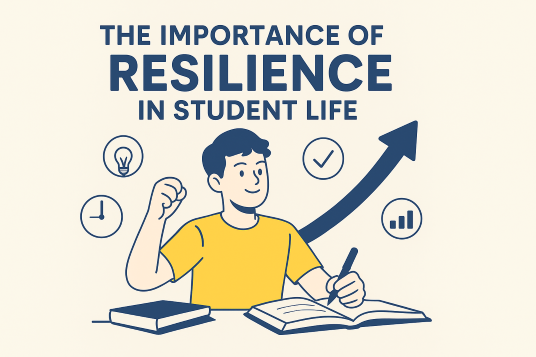
    The Importance of Resilience in Student Life

    Student life is filled with excitement, curiosity, and endless opportunities—but it also comes with academic pressure, deadlines, competition, and unexpected challenges. While intelligence and hard work play a major role in academic success, there is another skill that often determines whether students thrive or struggle: resilience.

    At cvdragon, we work closely with students to help them shape confident futures, and one lesson we emphasize is that resilience is a lifelong strength. It helps students not only survive difficult moments but grow through them. In this blog, we explore why resilience matters, how it influences student life, and how students can build it step by step.

    What Is Resilience?

    Resilience is the ability to bounce back from challenges, stress, failures, or setbacks. It is not about avoiding difficulties, but about adapting, learning, and moving forward despite them. Simply put, resilience is mental strength in action.

    Contrary to popular belief, resilience is not something you’re born with—it can be learned, practiced, and strengthened with time.

    Why Resilience Is Essential in Student Life

    High expectations, exam stress, career planning, personal responsibilities, and social dynamics can all be overwhelming. This is where resilience becomes a crucial tool.

    1. Helps Students Handle Academic Pressure

    Assignments, exams, heavy workloads, and competitive environments can create stress. Resilient students stay calm, prioritize effectively, and stay focused even under pressure.

    2. Builds Confidence and Self-Belief

    Every time students overcome a challenge, they prove to themselves that they are capable. This builds true confidence—not from perfection, but from persistence.

    3. Encourages a Growth Mindset

    Resilience helps students view mistakes as learning opportunities rather than failures. This mindset fuels continuous improvement.

    4. Supports Mental and Emotional Well-Being

    Students with resilience are better at managing anxiety, staying optimistic, and handling emotional setbacks. It creates inner stability.

    5. Enhances Problem-Solving Skills

    Resilient students learn to analyze situations, find solutions, and adapt quickly—an essential skill for both academics and real life.

    6. Prepares Students for Future Challenges

    Life beyond school or college is unpredictable. Resilience equips students with the strength to navigate career challenges, personal struggles, and unexpected changes.

    How Students Can Build Resilience

    The good news is that resilience can be developed with daily habits and the right mindset. Here are practical ways students can strengthen their resilience:

    1. Accept Challenges Instead of Avoiding Them

    Challenges help students grow. Instead of fearing difficult subjects, workloads, or new experiences, they should approach them with curiosity and determination.

    Growth often happens outside the comfort zone.

    2. Develop a Positive Mindset

    A positive mindset does not mean ignoring problems—it means looking for solutions, staying hopeful, and believing improvement is possible.

    Ways to stay positive:

    • Practice gratitude

    • Focus on strengths

    • Replace negative self-talk with encouraging words

    • Celebrate small wins

    3. Build Strong Time Management Skills

    Stress often increases when students feel overwhelmed or unorganized. Time management helps reduce last-minute pressure and prevents burnout.

    Students can use:

    • To-do lists

    • Study planners

    • Pomodoro technique

    • Weekly schedules

    Time management creates a sense of control and reduces anxiety.

    4. Stay Connected with Supportive People

    Friends, family, teachers, and mentors can provide emotional support, guidance, and encouragement. Strong relationships act as a safety net during tough times.

    Talking to someone during stressful moments makes challenges easier to handle.

    5. Learn to Adapt to Change

    Many students struggle when their routine or expectations shift. Resilience means staying flexible and adjusting to new situations with an open mind.

    Whether it’s a sudden exam change, a new environment, or unexpected personal situations—adaptability brings inner balance.

    6. Develop Healthy Habits

    Good physical health supports emotional resilience. Students should:

    • Get enough sleep

    • Eat nutritious meals

    • Exercise regularly

    • Avoid excessive screen time

    • Practice mindfulness or meditation

    A healthy body enhances mental strength.

    7. View Failure as a Learning Opportunity

    Every student faces setbacks—low grades, rejections, mistakes, or incomplete tasks. Instead of giving up, resilient students analyze what went wrong and try again with a better strategy.

    Failure is not the opposite of success; it is part of the journey.

    8. Practice Self-Reflection

    Reflection helps students understand their emotions, behaviors, and strengths. Journaling or quiet self-reflection builds self-awareness, which is crucial for resilience.

    It helps students recognize patterns, manage emotions, and improve decision-making.

    9. Stay Goal-Oriented

    Having short-term and long-term goals gives students direction and motivation. When challenges arise, goals remind them why they started in the first place.

    Setting achievable milestones creates a sense of progress.

    10. Take Breaks and Avoid Burnout

    Students need rest just as much as they need hard work. Breaks improve focus, creativity, and emotional well-being.

    Even small breaks—like a walk, stretching, music, or a short nap—help reset the mind.

    The Role of Resilience in Academic and Career Growth

    Resilience helps students not just during school or college, but throughout their personal and professional lives. It shapes individuals who:

    • Stay calm under pressure

    • Think clearly in tough situations

    • Learn new skills quickly

    • Communicate confidently

    • Take responsibility for their growth

    Employers highly value resilient individuals because they are reliable, adaptable, and proactive. At cvdragon, we often encourage students to showcase resilience through real-life examples in their resumes, internships, and interviews.

    Conclusion: Resilience Is the Foundation of Student Success

    Resilience is more than a skill—it’s a powerful mindset that helps students overcome obstacles and continue moving forward. Whether it’s academic stress, personal struggles, or future challenges, resilience gives students the strength to keep going.

    At cvdragon, we believe that building resilience early in life helps students achieve their goals and develop into confident, capable individuals.
  • Self-Learning: How Students Can Train Themselves for Success

    Self-Learning: How Students Can Train Themselves for Success

    In today’s fast-changing world, learning is no longer limited to classrooms, textbooks, or scheduled lectures. Modern students are expected to be independent, adaptable, and capable of acquiring new skills on their own. This is where self-learning becomes a game-changer. It empowers students to explore beyond the syllabus, understand concepts deeply, and shape their own academic and professional growth.

    At cvdragon, we help students build their resumes and portfolios, but we also believe in helping them develop lifelong learning habits. This article explores what self-learning truly means, why it matters, and how students can train themselves effectively to stay ahead in the competitive world.

    What Is Self-Learning?

    Self-learning is the process of acquiring knowledge and skills without direct supervision from teachers or formal institutions. It involves curiosity, discipline, and the ability to find and use learning resources independently.

    Unlike traditional studying, where students rely heavily on instruction, self-learning encourages students to take charge of their learning journey—setting their own pace, choosing topics that interest them, and discovering new ways to solve problems.

    Why Self-Learning Is Important for Students Today

    The benefits of self-learning go far beyond scoring well in exams. As industries evolve and new technologies emerge, employers are now looking for individuals who can learn quickly, adapt easily, and stay updated.

    Here’s why self-learning is essential:

    1. It builds problem-solving skills

    When students learn independently, they learn to break down complex ideas, analyze information, and find solutions creatively.

    2. It enhances confidence

    The sense of achievement from learning something on your own boosts confidence and motivation.

    3. It prepares students for real-world challenges

    Life rarely gives step-by-step instructions. Self-learning strengthens resilience, adaptability, and decision-making.

    4. It encourages lifelong learning

    In a world where skills become outdated within years, the ability to keep learning is a superpower.

    5. It improves academic performance

    Students who self-learn understand concepts more deeply, which helps them perform better in school and competitive exams.

    How Students Can Train Themselves Through Self-Learning

    Self-learning may sound simple, but it requires structure and consistency. Here are practical, achievable steps that every student can follow to start training themselves:

    1. Set Clear Learning Goals

    Students should begin by defining what they want to learn and why. Clear goals make learning focused and measurable.

    For example:

    • “I want to learn Python to prepare for future tech opportunities.”

    • “I want to improve my communication skills for college interviews.”

    Break down each goal into smaller milestones. This makes learning less overwhelming and more rewarding.

    2. Build a Consistent Study Routine

    Consistency is the heart of self-learning. Students should create a simple and achievable learning schedule—whether it’s 30 minutes a day or an hour every weekend.

    A routine helps:

    • Build habits

    • Reduce procrastination

    • Improve focus

    • Strengthen long-term memory

    A well-structured routine makes learning automatic rather than an effort.

    3. Use Online Learning Platforms

    The internet has made learning accessible to everyone. Students can use digital tools and platforms to gain high-quality knowledge almost instantly.

    Popular platforms include:

    • YouTube educational channels

    • Coursera, edX, Udemy

    • Khan Academy

    • MIT OpenCourseWare

    • Skillshare

    • LinkedIn Learning

    These platforms offer courses on everything—coding, business, design, communication, finance, and more.

    4. Practice Active Learning

    Active learning means doing instead of just reading or listening. It helps students retain information longer and understand concepts better.

    Students can adopt these techniques:

    • Taking notes in their own words

    • Teaching the topic to someone else

    • Solving quizzes or practice tests

    • Working on real-life projects

    • Discussing topics with peers

    Active learning turns information into practical knowledge.

    5. Develop Critical Thinking Skills

    Critical thinking helps students analyze facts, challenge assumptions, and make informed decisions. It is one of the most valuable skills for both academic and professional life.

    To improve critical thinking, students can:

    • Ask “why” and “how” questions

    • Compare different viewpoints

    • Evaluate online information for accuracy

    • Solve puzzles and case studies

    • Reflect on what they have learned

    This approach creates deeper understanding and sharper thinking.

    6. Create a Learning Environment

    A peaceful, well-organized study space improves concentration. Students should avoid distractions, especially mobile notifications and social media, during study time.

    Tips for a better learning environment:

    • Keep your desk clean

    • Use good lighting

    • Set study blocks using the Pomodoro Technique

    • Keep learning tools handy—books, laptop, stationery

    An encouraging environment improves productivity.

    7. Track Progress Regularly

    Students should review their progress to stay motivated. Keeping a record of what they’ve learned helps them see improvement and identify areas that need extra attention.

    Ways to track progress:

    • Journaling

    • Goal checklists

    • Digital tracking apps

    • Weekly learning reflections

    When students can see their growth, they naturally stay committed.

    8. Learn From Mistakes and Be Patient

    Self-learning requires patience. Students must understand that making mistakes is a natural part of the journey. Every failure provides valuable insights.

    Encourage students to view challenges as opportunities rather than obstacles. Over time, persistence leads to mastery.

    9. Stay Curious and Explore Beyond the Syllabus

    The most successful learners are curious explorers. Students should go beyond textbooks to read articles, listen to podcasts, watch documentaries, and interact with knowledgeable individuals.

    Curiosity opens doors to creativity, innovation, and new possibilities.

    10. Build a Support Network

    Even self-learners need guidance sometimes. Students should connect with teachers, mentors, peers, and online communities for help and collaboration. A strong support system accelerates learning and provides motivation.

    Self-Learning and Career Development

    Self-learning not only improves academic performance but also helps students build strong resumes and career profiles. Skills learned independently—such as coding, writing, design, finance, communication, or foreign languages—make students stand out.

    At cvdragon, we encourage students to highlight self-learned skills prominently on their resumes. Employers value initiative and the ability to learn independently.

    Conclusion: Self-Learning Is the Future

    Self-learning is more than a method—it’s a mindset. Students who train themselves to learn independently gain confidence, adaptability, and lifelong skills that prepare them for the future. Whether it’s mastering new technology, improving soft skills, or exploring personal interests, self-learning empowers students to become the best version of themselves.

    And as students grow, tools like cvdragon help them showcase their achievements through professional resumes, portfolios, and career documents.

  • Cross-Cultural Communication Skills for Global Students

    Cross-Cultural Communication Skills for Global Students

    In an increasingly interconnected world, students are no longer limited by borders. Whether they are studying abroad, engaging in virtual global classrooms, or collaborating with peers from diverse cultures, today’s learners must be able to bridge cultural differences with confidence. At CVDragon, we believe cross-cultural communication is one of the most valuable skills students can develop—both for academic success and for thriving in international careers.

    Here’s how global students can build stronger communication skills and connect more effectively across cultures.

    1. Understanding Cultural Differences

    Every culture has its own communication style, values, and social norms. What feels polite or natural in one country may seem direct or unusual in another. Students benefit greatly from recognizing these differences and approaching them with curiosity rather than judgment.

    Some dimensions to explore include:

    • High-context vs. low-context communication

    • Formality levels

    • Attitudes toward time (strict or flexible)

    • Hierarchy and respect in conversations

    • Personal space and non-verbal cues

    Understanding these cultural dynamics helps prevent misunderstandings and fosters smoother interactions.

    2. Active Listening With an Open Mind

    Cross-cultural communication is just as much about listening as speaking. Global students should practice:

    • Paying attention to tone and body language

    • Asking open-ended questions

    • Avoiding assumptions

    • Clarifying meaning when needed

    • Showing genuine interest in others’ perspectives

    Active listening not only improves communication but also builds trust across diverse groups.

    3. Adapting Communication Styles

    Flexibility is key. Students often discover that their preferred communication style may not always resonate in a multicultural setting. Being willing to adjust tone, pace, and choice of words shows respect and increases the likelihood of being understood clearly.

    For instance:

    • Using simple, clear language when speaking with non-native English speakers

    • Slowing down speech without sounding condescending

    • Avoiding slang or culturally specific jokes

    • Being aware of gestures that may have different meanings internationally

    Adaptability enhances both collaboration and cultural understanding.

    4. Developing Strong Non-Verbal Awareness

    Non-verbal cues—eye contact, facial expressions, gestures, and posture—play a powerful role in communication and vary greatly between cultures.

    Students should be aware that:

    • Direct eye contact may signal confidence in some cultures but disrespect in others

    • Hand gestures can mean completely different things depending on the country

    • Silence can communicate agreement, respect, or disagreement based on context

    Recognizing these variations helps students communicate more effectively and respectfully.

    5. Building Empathy and Cultural Sensitivity

    Empathy allows students to step into the experiences of people from different backgrounds. It helps them communicate without bias and respond with compassion.

    Ways to cultivate empathy include:

    • Learning about other cultures through conversations, books, or travel

    • Respecting cultural celebrations and traditions

    • Being patient when language barriers arise

    • Avoiding stereotypes and generalizations

    Cultural sensitivity strengthens relationships and makes global environments more inclusive.

    6. Embracing Collaboration in Multicultural Teams

    Many academic projects now involve diverse team members, either in person or online. Students gain valuable insights when they collaborate across cultures. Effective teamwork requires:

    • Clear roles and expectations

    • Respectful disagreements

    • Encouraging quieter team members to share ideas

    • Celebrating diverse viewpoints

    • Finding common goals

    These experiences prepare students for multinational workplaces where cross-cultural collaboration is the norm.

    7. Continuous Learning and Self-Reflection

    Cross-cultural communication is not a one-time lesson—it’s a lifelong learning process. Students should take time to reflect on their interactions:

    • What went well?

    • What could be improved?

    • How did cultural differences influence the conversation?

    Self-awareness helps students grow and refine their communication skills over time.

    Conclusion

    Mastering cross-cultural communication helps global students thrive academically, socially, and professionally. By staying open-minded, adaptable, and empathetic, they can build meaningful connections across borders and navigate the global landscape with confidence.

    At CVDragon, we encourage students to embrace cultural diversity as a pathway to personal and professional growth—because the ability to connect across cultures is one of the most powerful skills of the future.

  • The Importance of Coding for Modern Students

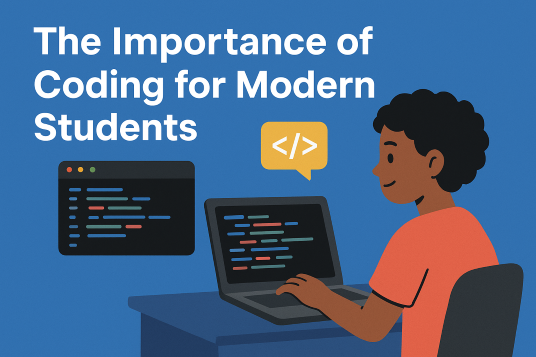
    The Importance of Coding for Modern Students

    In today’s fast-moving digital world, coding has become more than just a technical skill—it’s a new form of literacy. From smartphones and social media to banking apps and even classrooms, technology touches almost every part of our lives. And behind all of it lies one essential element: code.

    At cvDragon, we constantly work with students preparing for internships, jobs, and higher studies. One trend is crystal clear—students with coding knowledge stand out. Whether or not they plan to become software developers, coding empowers them with essential skills that shape their future careers and personal growth.

    Let’s explore why coding has become so important for modern students.

    1. Coding Builds Problem-Solving Skills

    Coding teaches students how to break down complex problems into smaller, manageable steps.
    This analytical way of thinking helps them not only in tech fields but also in academics, decision-making, and daily life. It encourages students to think logically, identify patterns, and try different solutions—skills that are valuable in every career.

    2. It Encourages Creativity and Innovation

    Contrary to what many believe, coding is not just about math or typing commands—it’s also a creative process.
    Students can build apps, design games, automate tasks, or bring new ideas to life. Coding gives them the freedom to create something from scratch, helping them develop innovative thinking and confidence in their abilities.

    3. Coding Opens Up Better Career Opportunities

    With the rise of AI, robotics, data science, and automation, almost every industry needs people who understand technology.
    Even fields like marketing, design, healthcare, and finance now use tech-driven tools.
    Students who know coding have a competitive edge, as it shows they can adapt to modern job requirements and understand how digital systems work.

    At cvDragon, we’ve seen resumes with coding projects get noticed faster because they demonstrate initiative and practical skills.

    4. It Strengthens Academic Performance

    Coding improves focus, logical reasoning, and structured thinking—all of which help students perform better in subjects like math and science.
    It also encourages perseverance, as debugging and solving errors require patience and a willingness to learn from mistakes.

    5. Coding Supports Digital Literacy

    The world is increasingly digital, and coding helps students understand the technology they use every day.
    Instead of being passive consumers of apps and websites, they become creators or informed users who know what happens behind the scenes. This awareness is essential in a technology-driven society.

    6. It Prepares Students for the Future

    The future workplace will be shaped by automation, AI, and intelligent systems. Students who learn coding early develop a mindset that helps them succeed in these environments.
    Even if they don’t pursue a tech career, understanding how technology works makes them more adaptable and future-ready.

    7. Coding Builds Confidence and Independence

    There’s something incredibly empowering about writing code and seeing it work.
    Students feel confident when they create a working project or solve a difficult error. This hands-on learning experience teaches them resilience, patience, and self-reliance—all essential life skills.

    Why cvDragon Encourages Students to Learn Coding

    At cvDragon, our goal is to help students build strong, impactful resumes and portfolios. Coding projects give students great material to showcase their creativity, logical skills, and real-world application of knowledge. It helps them stand out in interviews and recruitment processes.

    Final Thoughts

    Coding is not just for computer experts—it’s for every student who wants to grow, explore, and prepare for the future.
    It develops problem-solving skills, encourages creativity, and opens doors to exciting opportunities. Most importantly, it teaches students how to think.

    So whether you’re building a simple game or exploring AI, start small, stay curious, and keep experimenting.
    Because learning to code today can shape your success tomorrow.

  • Entrepreneurship Skills for Students: Building a Future-Ready Mindset

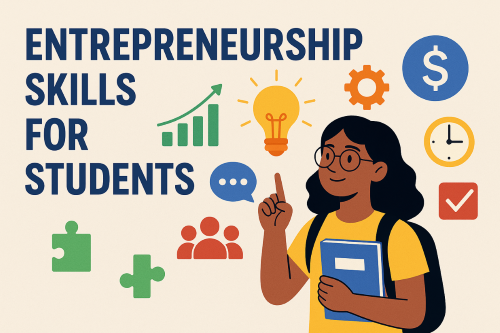
    Entrepreneurship Skills for Students: Building a Future-Ready Mindset

    In today’s fast-changing world, entrepreneurship is no longer just for business owners or startup founders—it’s a mindset every student can benefit from. Whether you dream of launching your own company someday or simply want to become more confident and capable in your career, developing entrepreneurial skills early can give you a huge advantage.

    At cvDragon, we interact with thousands of students preparing for their careers, and one thing is clear: employers value entrepreneurial thinking more than ever before. It shows initiative, creativity, leadership, and the ability to solve real-world problems—qualities that shape strong professionals in any field.

    Let’s dive into the essential entrepreneurship skills students should start building today.

    1. Creative Thinking: Seeing Possibilities Everywhere

    Entrepreneurs are problem-solvers at heart. They look at everyday issues and ask, “How can this be better?”
    For students, creative thinking means exploring ideas freely, experimenting, and not being afraid of unusual solutions. Whether you’re working on a school project or building a small side hustle, your creativity becomes your superpower.

    2. Communication Skills: Sharing Ideas with Clarity

    No idea—no matter how brilliant—can make an impact unless it is shared effectively.
    Strong communication helps students pitch ideas, participate in discussions, work in teams, and express themselves with confidence.
    At cvDragon, we often see that students with good communication skills perform better in interviews as well as leadership roles.

    3. Leadership & Teamwork: Working with Purpose

    Entrepreneurship isn’t a solo journey. It requires leading, collaborating, and inspiring others.
    Students who take initiative in group projects, guide classmates, or volunteer for responsibilities naturally develop leadership qualities. Learning how to handle feedback, manage conflicts, and motivate peers builds a foundation for future success.

    4. Financial Literacy: Understanding the Basics of Money

    Even at a student level, learning how money works is extremely empowering.
    Simple concepts like budgeting, saving, investments, and cost planning help students understand real-world financial decisions. For future entrepreneurs, this knowledge is the backbone of running a sustainable business.

    5. Problem-Solving & Critical Thinking

    Entrepreneurs face challenges almost every day—and students aren’t far behind!
    Critical thinking helps students analyze situations, break down problems, and find practical solutions. This skill not only boosts academic performance but also prepares them to handle workplace challenges with confidence.

    6. Adaptability: Staying Open to Change

    The world is evolving fast. New technologies, new career paths, new ways of working—everything is transforming.
    Students who stay flexible, curious, and open to learning new things develop an entrepreneurial mindset. Adaptability ensures that you don’t just survive change—you grow through it.

    7. Time Management: Making Every Minute Count

    Balancing academics, hobbies, and personal goals is not easy, but time management is key to an entrepreneurial life.
    Planning tasks, setting priorities, and staying organized help students manage workload efficiently. Tools like planners, calendars, and digital organizers (like the portfolio features on cvDragon!) make this easier than ever.

    8. Networking Skills: Building Meaningful Connections

    Entrepreneurs thrive on networks—students can too.
    Interacting with peers, teachers, mentors, and professionals helps build confidence and opens doors to opportunities. A simple conversation can lead to internships, collaborations, or valuable learning experiences.

    Why Students Should Start Early

    Developing entrepreneurship skills early gives students a powerful edge. It teaches responsibility, builds confidence, and encourages them to think independently. These aren’t just “business skills”—they are life skills that shape a stronger, smarter, and more capable version of yourself.

    At cvDragon, our mission is to help students showcase these strengths through well-designed resumes, portfolios, and career tools—so their potential never goes unnoticed.

    Final Thoughts

    You don’t need a business plan or a startup idea to be an entrepreneur.
    All you need is a mindset—one that is curious, innovative, proactive, and willing to learn.

    Start today.
    Explore ideas.
    Experiment.
    Grow.

    Because the entrepreneurial journey doesn’t begin with a company—it begins with you.

  • Beyond the Classroom: The Pivotal Role of Extracurricular Activities in Skill Building

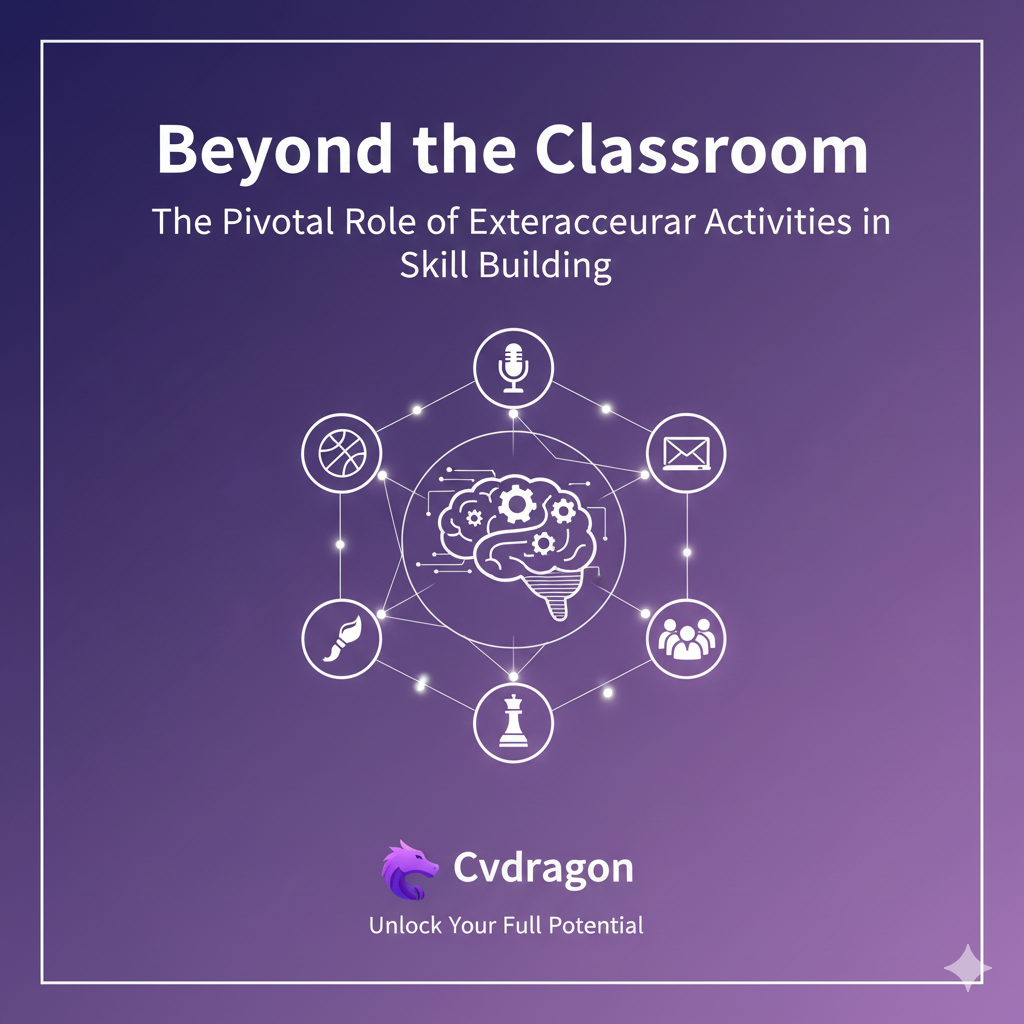
    Beyond the Classroom: The Pivotal Role of Extracurricular Activities in Skill Building

    In the journey of education, academic transcripts tell only part of the story. While success in core subjects demonstrates knowledge and intellectual capability, the true measure of a well-rounded individual ready for the complexities of the modern world lies outside the traditional classroom setting. This is where Extracurricular Activities (ECAs) take center stage.

    On behalf of Cvdragon, a platform dedicated to empowering individuals in their career development and professional presentation, we assert that ECAs are not merely “resume fillers” or after-school entertainment. They are powerful, practical training grounds that cultivate the essential soft skills and competencies most highly valued by employers and necessary for personal success. They bridge the gap between theoretical knowledge and real-world application, transforming students into dynamic, capable professionals.

    🔑 The Shift in Talent Acquisition: Why Skills Outweigh Scores

    The modern professional landscape is defined by collaboration, rapid change, and problem-solving. While foundational knowledge (hard skills) is important, recruiters increasingly prioritize transferable skills—those abilities gained in one context and applied in another. Extracurricular involvement is the primary engine for developing these skills naturally and effectively.

    The Skill Gap Filled by ECAs:

    • Academic: Focuses on What (Knowledge) and How (Technical Skills).

    • Extracurricular: Focuses on Who (Character) and How Well (Application of Soft Skills).

    By engaging in activities like debate club, sports, student government, volunteering, or theater, individuals are constantly challenged to navigate complex social situations, manage resources, and perform under pressure—all invaluable experiences that cannot be simulated through lectures or textbooks.

    💡 The Skill-Building Matrix: How ECAs Forge Professional Competencies

    Extracurricular activities are powerful crucibles for skill development, each contributing a unique set of abilities vital for the workplace.

    1. Leadership and Delegation (The Captain and the President)

    Whether leading a team to victory on the field or chairing a committee in student government, ECAs provide safe environments to practice leadership styles and delegation.

    • Real-World Application: A student council president learns to set an agenda, mediate conflicts between members, and assign tasks based on individual strengths—skills directly transferable to project management and team leadership roles.

    • Key Skills Developed: Strategic thinking, Vision setting, Team building, and Accountability.

    2. Teamwork and Collaboration (The Ensemble and the Squad)

    Success in most ECAs—from a robotics competition to a community service project—hinges on effective teamwork. Students learn to navigate group dynamics, manage dissenting opinions, and work toward a shared goal.

    • Real-World Application: Theater members must coordinate costume changes, lighting cues, and acting performances seamlessly. This teaches them interdependence, communication under pressure, and the value of individual roles contributing to a collective outcome.

    • Key Skills Developed: Collaboration, Conflict resolution, Active listening, and Empathy.

    3. Time Management and Prioritization (The Juggler)

    Balancing academic commitments, personal life, and demanding extracurricular schedules forces students to become masters of time management and prioritization.

    • Real-World Application: A student involved in Model UN and a part-time job must strategically allocate hours for research, meetings, homework, and rest. This practice instills discipline, organizational skills, and the ability to meet multiple deadlines—crucial for project managers and consultants.

    • Key Skills Developed: Organizational skills, Discipline, Deadline adherence, and Stress management.

    4. Communication and Public Speaking (The Orator and the Presenter)

    Many ECAs, particularly debate, speech and drama, or even running a student newsletter, are focused on refining verbal and written communication skills.

    • Real-World Application: Participating in a debate tournament teaches an individual to articulate complex arguments clearly, think critically in real-time, and persuade an audience—skills essential for sales, marketing, and legal professions.

    • Key Skills Developed: Verbal clarity, Persuasion, Impromptu speaking, and Concise writing.

    5. Resilience and Adaptability (The Competitor)

    The journey in any competitive or performance-based ECA is marked by setbacks: losing a game, failing to raise enough funds, or receiving a rejection. Navigating these failures builds resilience and the ability to adapt.

    • Real-World Application: A competitor in a science fair whose project fails must quickly troubleshoot, iterate, and adjust their methodology. This cultivates a growth mindset, teaching them to view failure as a data point for improvement, a core trait of successful entrepreneurs and innovators.

    • Key Skills Developed: Perseverance, Problem-solving, Coping with criticism, and Emotional intelligence.

    🌐 SEO and Resume Optimization: Highlighting ECA Value

    For candidates leveraging Cvdragon to craft their professional identity, translating ECA involvement into valuable skill sets is critical for SEO-optimized resumes and effective job applications.

    Extracurricular Activity Generic Description (Weak) Skill-Focused Description (Strong & SEO-Optimized)
    Treasurer of the Film Club Managed the club’s funds for one year. Financial Management & Accountability: Oversaw a $5,000 annual budget, securing vendor discounts and implementing a cost-tracking system that reduced operational expenses by 15%.
    Varsity Soccer Captain Played soccer and was the captain for a season. Dynamic Leadership & Team Building: Led a 20-person squad, coordinating offensive strategies and resolving in-game conflicts, resulting in a 25% improvement in season win rate.
    Volunteer at Local Shelter Helped out at a local animal shelter. Stakeholder Communication & Initiative: Managed intake process for new volunteers (30+ people), improving the efficiency of training procedures through a new digital onboarding protocol.

    By using strong action verbs (oversaw, led, coordinated, implemented, resolved) and quantifying achievements wherever possible, applicants demonstrate the impact of their involvement, making their resume instantly more appealing to recruiters and Applicant Tracking Systems (ATS).

    📈 The Long-Term Professional Impact

    The investment of time and effort in ECAs pays dividends long after graduation. The skills fostered—adaptability, resilience, communication—are the bedrock of professional success and career progression.

    ECAs contribute to a higher degree of Self-Efficacy (the belief in one’s ability to succeed in specific situations). This confidence is reflected in job interviews, workplace presentations, and the willingness to take on new challenges. Furthermore, ECAs often expose students to diverse ideas and people, fostering cultural competence and networking skills that prove invaluable in a globalized economy.

    ✅ Final Verdict: The Non-Negotiable Training Ground

    Extracurricular activities are the gymnasium of professional life. They provide the practical experience needed to synthesize academic knowledge with actionable soft skills. They are, unequivocally, the most effective environment for developing the next generation of effective leaders, collaborative team members, and resilient problem-solvers.

    At Cvdragon, we encourage every individual to fully embrace the opportunities outside the classroom. It is there that you build the character, skills, and unique narrative that will distinguish your career journey. Ready to showcase your non-academic achievements and unlock your professional potential? Let’s start building a CV that tells your whole story.

  • How Students Can Improve Study Habits

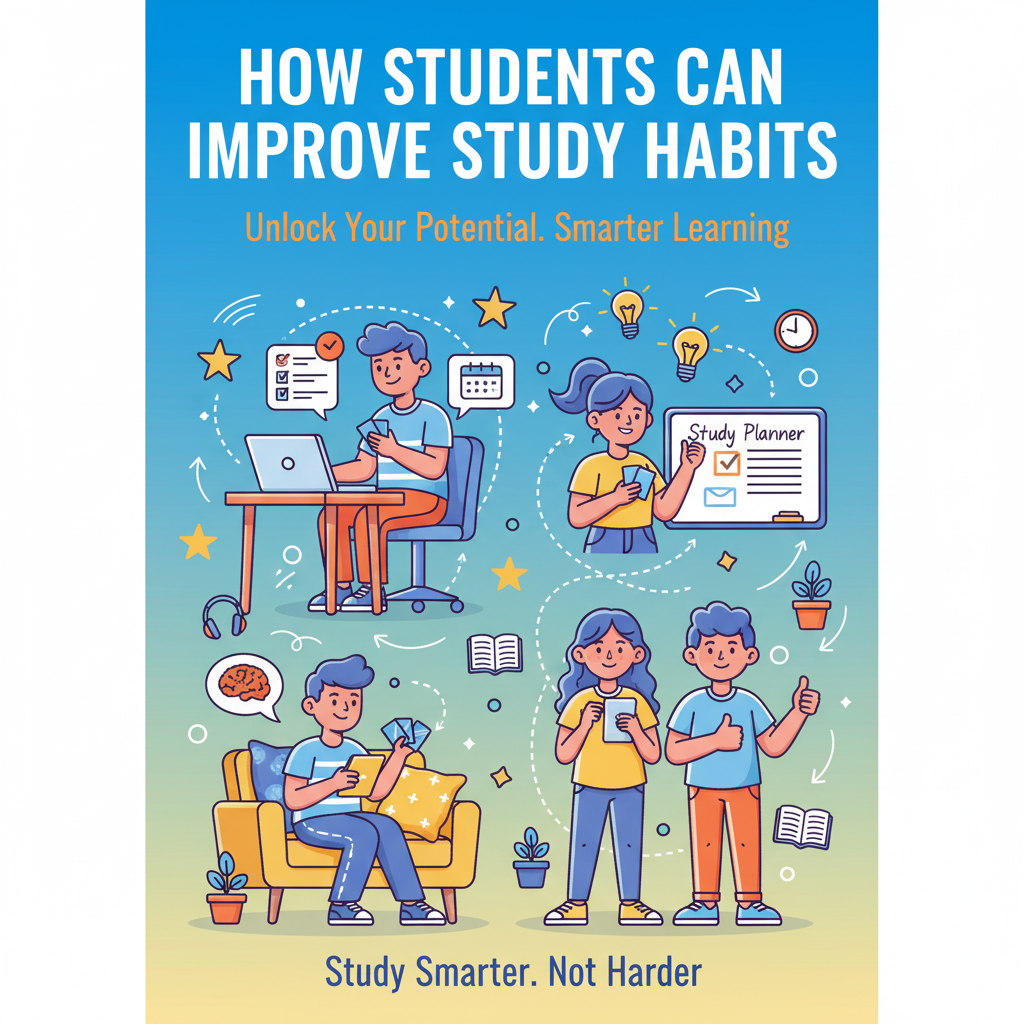
    How Students Can Improve Study Habits

    Good study habits are the foundation of academic success. Yet, many students struggle not because they lack talent, but because they haven’t learned the right strategies to study effectively. In a world full of distractions and academic pressure, developing strong study habits can make learning easier, enjoyable, and more rewarding. At cvDragon, we believe that the right study methods can transform how students learn and help them achieve their goals with confidence.

    Here’s a guide on how students can build better study habits and unlock their full potential.

    1. Establish a Consistent Study Routine

    Consistency is key. When students set a fixed study routine, the brain adapts and becomes more focused during those hours. A schedule helps reduce procrastination and builds discipline.

    Tips to get started:

    • Choose specific hours for studying every day

    • Prioritize difficult subjects during peak concentration times

    • Break long study sessions into focused blocks

    • Stick to the routine—even on weekends

    With time, these consistent habits create a structured and stress-free learning environment.

    2. Create a Dedicated Study Space

    Where students study affects how well they study. A clutter-free, quiet, and comfortable environment boosts productivity and concentration.

    Effective study spaces should include:

    • Adequate lighting

    • A clean table

    • Minimal noise

    • Comfortable seating

    • Limited distractions

    • All study materials within reach

    The goal is to train the mind to associate this space with learning. Over time, simply sitting in that environment prepares the brain for study mode.

    3. Use Active Learning Techniques

    Passive reading often leads to forgetting information quickly. Instead, students should adopt active learning techniques that increase understanding and memory retention.

    Some effective active learning methods include:

    • Making summaries in their own words

    • Creating flashcards

    • Teaching the topic to someone else

    • Using mind maps for complex concepts

    • Asking questions and analyzing ideas

    • Practicing previous exam papers

    Active learning keeps the mind engaged and strengthens long-term memory.

    4. Set Clear and Achievable Goals

    Goal-setting helps students stay focused and motivated. When students know what they want to accomplish, studying becomes more purposeful.

    Tips for setting smart goals:

    • Break large tasks into smaller, doable steps

    • Prioritize subjects with approaching deadlines

    • Track progress daily or weekly

    • Reward yourself when goals are met

    Whether it’s completing a chapter, improving grades, or revising notes, clear goals give students direction and confidence.

    5. Use Technology Wisely

    Technology can be a powerful tool when used correctly. Students can enhance their study habits using digital tools such as:

    • Note-taking apps (Notion, OneNote, Evernote)

    • Calendar tools for scheduling

    • Study apps (Quizlet, Google Classroom, Forest)

    • Learning platforms (Khan Academy, Coursera)

    Digital tools help keep notes organized, make revision easier, and support effective time management. At cvDragon, we encourage students to use technology to simplify learning—not distract from it.

    6. Take Regular Breaks to Avoid Burnout

    Studying for long hours without breaks leads to mental fatigue. The brain needs rest to process information properly. Using techniques like the Pomodoro method—25 minutes of focused study followed by a 5-minute break—can boost productivity.

    Breaks should be used to:

    • Stretch

    • Drink water

    • Take a short walk

    • Relax the eyes

    • Breathe deeply

    These small pauses refresh the mind and improve focus when students return to studying.

    7. Practice Time Management

    Time management is one of the most valuable skills a student can develop. Without proper planning, tasks pile up and cause stress.

    Students can manage time better by:

    • Making weekly or daily to-do lists

    • Avoiding multitasking

    • Setting deadlines for assignments

    • Prioritizing important or challenging subjects

    • Using planners or scheduling apps

    When students learn to manage their time well, they achieve more in less time and reduce last-minute pressure.

    8. Stay Organized With Notes and Materials

    Organized notes make revision faster and reduce confusion. Students should adopt efficient note-taking methods such as the Cornell system, bullet points, diagrams, and color-coding.

    Tips for staying organized:

    • Keep separate files/notebooks for each subject

    • Review and update notes weekly

    • Highlight key points for quick revision

    • Avoid rewriting entire textbooks

    When study materials are organized, students save time and understand concepts more clearly.

    9. Develop Healthy Lifestyle Habits

    Academic success depends not only on mental focus but also on physical health. Good lifestyle choices help students stay energized, alert, and motivated.

    Important habits include:

    • Getting 7–8 hours of sleep

    • Eating nutritious meals

    • Drinking enough water

    • Exercising regularly

    • Limiting junk food and caffeine

    • Managing stress with mindfulness or meditation

    A healthy body supports a healthy mind—and better study habits.

    10. Minimize Distractions

    Distractions are one of the biggest obstacles to effective studying. Students can improve focus by:

    • Switching off unnecessary notifications

    • Keeping mobile phones away during study time

    • Blocking distracting websites

    • Informing family members about study hours

    • Using apps that limit social media use

    Reducing distractions leads to deeper concentration and better learning outcomes.

    11. Seek Help When Needed

    Asking for help is a sign of strength, not weakness. Students should reach out to teachers, classmates, or mentors when they face difficulties.

    They can also join:

    • Study groups

    • Online forums

    • Peer-learning platforms

    • Workshops and tutoring sessions

    Learning together enhances understanding and provides new perspectives.

    12. Review Regularly

    Regular revision helps store information in long-term memory. Instead of cramming before exams, students should revise small portions frequently.

    Effective revision methods include:

    • Weekly chapter reviews

    • Revisiting important notes

    • Solving sample questions

    • Using spaced repetition techniques

    Consistent review ensures that students remember what they learn and perform better in exams.

    Conclusion: Small Changes Lead to Big Results

    Improving study habits doesn’t require massive changes—just small, consistent steps. From organizing notes and managing time to creating a routine and staying healthy, each habit contributes to better learning and academic success.

    At cvDragon, we believe that when students develop strong study habits, they not only achieve better grades but also become confident, disciplined, and future-ready individuals.

  • How Students Can Use Technology to Learn New Skills

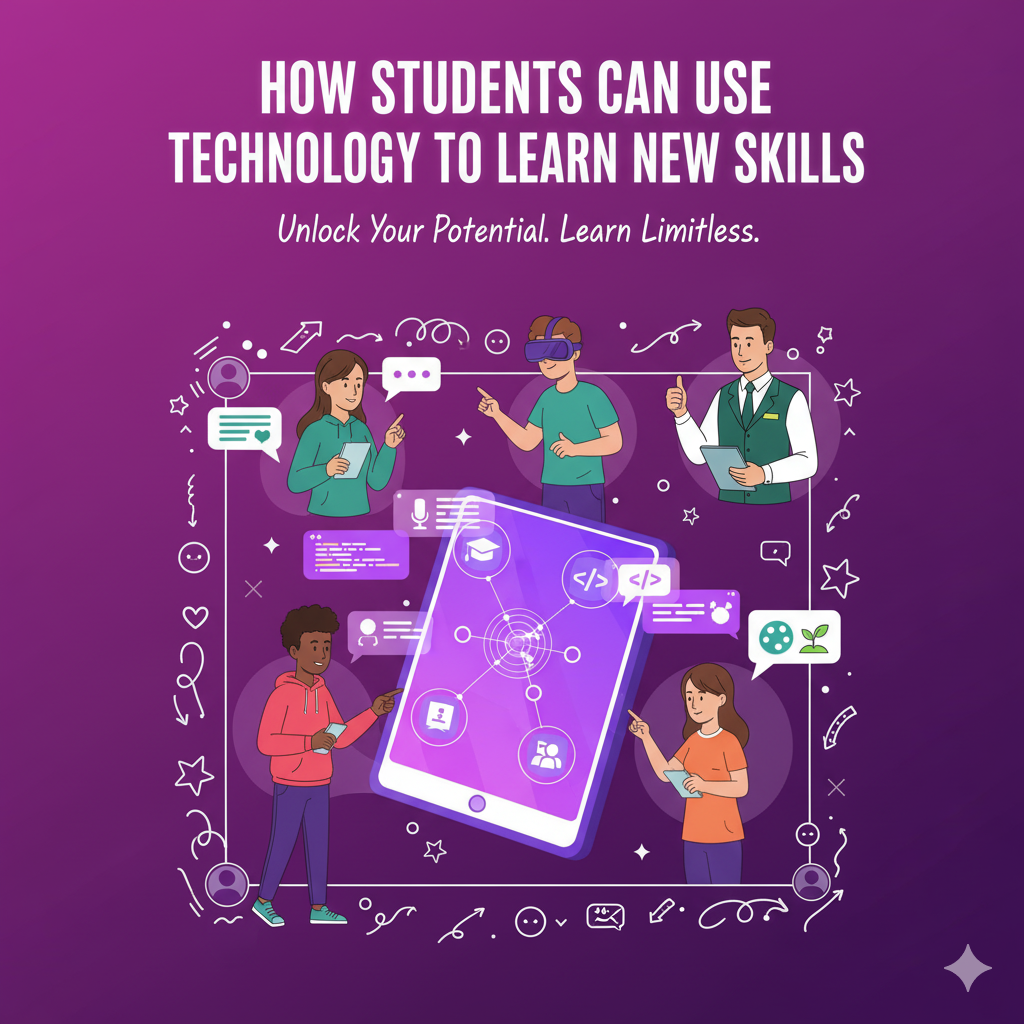
    How Students Can Use Technology to Learn New Skills

    In today’s digital-first world, technology has become a powerful companion in education. Gone are the days when learning was limited to textbooks and traditional classrooms. Students now have access to a limitless world of knowledge—right at their fingertips. At cvDragon, we believe that technology, when used wisely, can empower students to learn new skills faster, more efficiently, and with far more creativity.

    Here’s how students can leverage technology to enhance their learning journey and develop skills that will shape their future.

    1. Access to Online Learning Platforms

    One of the biggest advantages of technology is the availability of online learning platforms. Websites and apps like Coursera, Udemy, Khan Academy, and LinkedIn Learning offer courses in:

    • Coding

    • Graphic design

    • Business management

    • Communication skills

    • Data science

    • Foreign languages

    These platforms allow students to learn at their own pace, choose topics they’re passionate about, and earn certifications that strengthen their career profile. At cvDragon, we encourage students to explore these platforms to broaden their knowledge and stay competitive.

    2. Interactive Learning Through Educational Apps

    Educational apps transform learning into an enjoyable experience. Instead of reading long paragraphs, students can watch videos, take quizzes, and engage with interactive modules.

    Popular examples include:

    • Duolingo for learning languages

    • Photomath for solving math problems

    • Skillshare for creative skills

    • Notion and Evernote for productivity

    • Brilliant for STEM learning

    These apps use gamification—rewards, levels, streaks—to keep students motivated and engaged.

    3. Using YouTube as a Learning Resource

    YouTube is one of the world’s largest learning platforms. From tutorials to lectures and real-world demonstrations, students can learn almost anything:

    • How to code a website

    • Basics of financial literacy

    • Tips for public speaking

    • Scientific experiments

    • DIY projects

    • Art and music techniques

    With thousands of expert educators and creators, YouTube makes complex topics easy to understand. Students simply need curiosity—and a reliable internet connection—to begin learning.

    4. Virtual Classrooms and Online Collaboration

    Technology has redefined the traditional classroom experience. With platforms like Google Classroom, Microsoft Teams, and Zoom, students can join virtual classes, collaborate with peers, and access digital assignments anytime.

    These tools help students:

    • Participate in group projects

    • Share notes and resources

    • Communicate with teachers more easily

    • Attend workshops or webinars globally

    Virtual classrooms promote teamwork, digital literacy, and better time management—skills that are incredibly valuable for future careers.

    5. Learning Through Simulations and Virtual Reality

    Advanced technologies like Virtual Reality (VR) and simulations make learning immersive and realistic. Students can:

    • Explore historical sites

    • Perform virtual science experiments

    • Understand complex machines

    • Practice language conversations

    • Experience real-life scenarios safely

    For example, medical students use VR to practice surgeries, while engineering students test prototypes virtually. This hands-on approach deepens understanding and boosts confidence.

    6. Enhancing Research Skills Through Digital Libraries

    Digital libraries and online journals give students instant access to a wealth of information. Platforms like Google Scholar, JSTOR, and research databases provide high-quality reference materials that support academic projects.

    Students can:

    • Research topics thoroughly

    • Read scholarly articles

    • Access e-books and research papers

    • Learn how to evaluate sources

    • Improve critical thinking skills

    This prepares them for higher studies and strengthens their analytical abilities.

    7. Building Creativity Through Digital Tools

    Technology is an incredible enabler of creativity. Students can use various tools to explore creative fields, such as:

    • Canva for graphic design

    • Blender for 3D modeling

    • GarageBand for music production

    • Adobe apps for photography and video editing

    • Tinkercad for digital prototyping

    These platforms give students the freedom to experiment, design, and express themselves visually or musically—skills that are increasingly valued across industries.

    8. Mastering Coding and Technical Skills

    Coding has become one of the most essential skills of the 21st century. With platforms like Code.org, Codecademy, and HackerRank, students can learn programming languages such as:

    • Python

    • Java

    • JavaScript

    • HTML & CSS

    • C++

    These skills open up career opportunities in software development, data science, AI, and more. cvDragon encourages students to start learning coding early, even if it’s just basics—it builds logical thinking and problem-solving abilities.

    9. Using AI Tools to Enhance Learning

    AI-powered learning tools are becoming increasingly popular. They help students study smarter, not harder. Examples include:

    • AI note-taking assistants

    • Homework help apps

    • Personalized learning platforms

    • Grammar and writing checkers

    • AI-driven study planners

    These tools adapt to a student’s pace and provide instant feedback. They help reduce study stress and make learning more efficient—something every student can benefit from.

    10. Improving Communication Through Digital Platforms

    Good communication skills are essential for academic and career success. Technology helps students practice these skills through:

    • Online discussion forums

    • Presentation software

    • Public speaking videos

    • Social learning communities

    • Virtual debate clubs

    These platforms help students build confidence, learn to express ideas clearly, and collaborate effectively.

    11. Staying Organized With Digital Productivity Tools

    Technology helps students stay organized through apps like:

    • Google Calendar

    • Trello

    • Notion

    • Todoist

    • Microsoft OneNote

    These tools allow students to manage assignments, plan revision schedules, track habits, and set academic goals. Effective organization leads to better learning outcomes and reduced stress.

    12. Participating in Online Communities and Workshops

    Online communities—such as LinkedIn groups, Discord study servers, and learning forums—offer students a chance to connect with peers from around the world. They can:

    • Ask questions

    • Share resources

    • Get feedback

    • Attend virtual seminars

    • Learn from global experts

    These interactions build networking skills and expose students to diverse perspectives.

    Conclusion: Technology Is a Powerful Learning Ally

    Technology has opened a world of opportunities for students who want to learn new skills. Whether it’s mastering coding, improving communication, exploring creative arts, or accessing global learning platforms, the digital world offers endless possibilities.

    At cvDragon, we believe that students who embrace technology become more confident, independent learners. With the right tools and mindset, every student can unlock their full potential and prepare for a successful future.

  • Top Online Courses for Student Skill Development: Preparing the Next-Gen Workforce

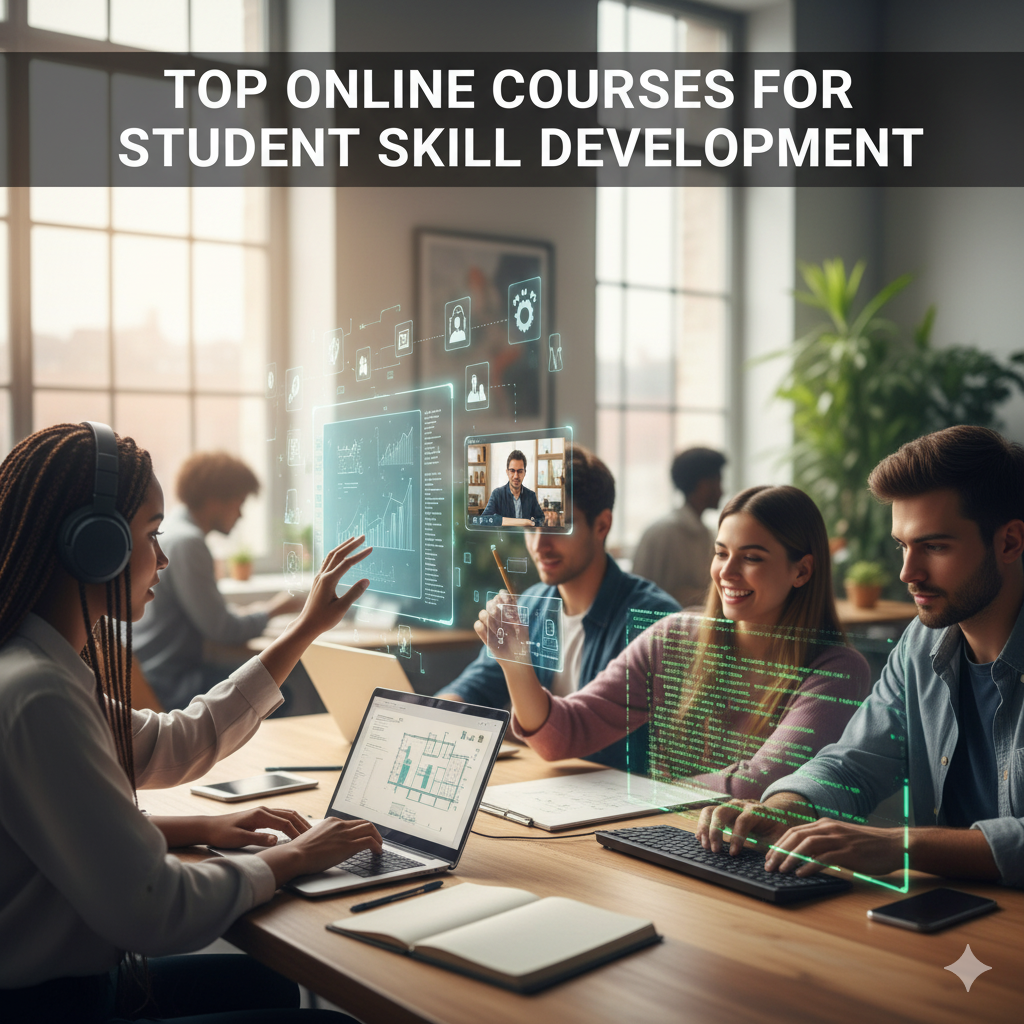
    Top Online Courses for Student Skill Development: Preparing the Next-Gen Workforce

    The world is moving fast, and so are the skills required to succeed in it. Today’s students face increasing competition—not just academically, but also in terms of practical abilities and industry readiness. Employers are no longer looking only for degrees; they want individuals who can think critically, communicate effectively, and adapt to evolving technologies.

    This is why online courses have become one of the most powerful tools for student skill development. They provide a flexible, affordable, and accessible way to build real-world skills from anywhere. At cvDragon, we believe that the right online training can transform a student’s confidence, employability, and professional future.

    Why Online Courses Are Essential for Students Today

    Online learning has become more than a trend—it’s a necessity. The digital era demands skills that traditional education often doesn’t cover deeply.

    Here’s why online courses matter:

    1. Highly Flexible and Self-Paced

    Students can learn at their convenience, balancing classes, internships, and personal commitments.

    2. Access to Global Knowledge

    Online platforms provide world-class content created by top instructors, industry experts, and global universities.

    3. Cost-Effective Learning

    Many courses are affordable, and some are even free—making skill development available to all.

    4. Practical, Career-Oriented Skills

    Unlike traditional textbooks, online courses often focus on hands-on, real-world applications.

    5. Builds Competitive Advantage

    Students who learn additional skills stand out in the job market and improve their chances of landing internships or placements.

    Top Online Courses Every Student Should Consider

    Below are some of the most valuable online courses that help students develop in-demand skills and boost their confidence.

    1. Communication and Public Speaking Courses

    Strong communication skills are essential in every career. These courses help students speak confidently, present ideas clearly, and engage effectively with others.

    What students learn:

    • Public speaking techniques

    • Effective communication styles

    • Negotiation and persuasion

    • Presentation design

    Why it matters: Clear communication sets students apart in interviews, group discussions, and workplace interactions.

    2. Digital Marketing Courses

    In a world driven by social media and online branding, digital marketing skills are highly in demand.

    What students learn:

    • Social media marketing

    • SEO (Search Engine Optimization)

    • Email marketing

    • Content creation

    • Analytics and ads

    Why it matters: These skills are useful for startups, freelance work, personal branding, and corporate jobs.

    3. Data Analytics and Excel Courses

    Data drives decision-making in almost every field. Learning analytics helps students interpret information and solve problems logically.

    What students learn:

    • Data visualization

    • Excel formulas and dashboards

    • Basic statistics

    • SQL and data tools

    Why it matters: Beginners and non-technical students can start easily, and these skills boost employability across industries.

    4. Programming and Coding Courses

    Coding is no longer just for IT students—it’s becoming a universal skill.

    Popular beginner-friendly courses:

    • Python

    • JavaScript

    • Web development

    • App development

    Why it matters: Coding teaches logical thinking, problem-solving, and creativity. It also opens the door to high-growth career options.

    5. Graphic Design and Creativity Tools

    Visual communication is vital in the digital world. Graphic design courses help students build creativity and design skills.

    What students learn:

    • Canva, Photoshop, Illustrator

    • Branding and color theory

    • UI/UX basics

    • Visual storytelling

    Why it matters: These skills support freelance work, content creation, and marketing roles.

    6. Soft Skills and Personality Development Courses

    Technical skills matter, but soft skills build strong, confident personalities.

    Useful soft-skill modules:

    • Leadership

    • Teamwork

    • Emotional intelligence

    • Time management

    • Critical thinking

    Why it matters: Soft skills improve professional behavior and help students perform well in interviews and workplace situations.

    7. Entrepreneurship and Business Courses

    Many students dream of starting their own ventures. Entrepreneurship courses show them how to turn ideas into reality.

    What students learn:

    • Business planning

    • Finance basics

    • Startup strategies

    • Market research

    Why it matters: These courses help students develop a problem-solving mindset and entrepreneurial confidence.

    8. Career Development and Resume-Building Courses

    A strong resume and job profile improves a student’s chances of getting noticed by recruiters.

    What students learn:

    • Resume writing

    • LinkedIn optimization

    • Interview skills

    • Workplace etiquette

    Why it matters: These courses prepare students for placements and help them present their strengths effectively.

    How cvDragon Supports Students in Skill Development

    At cvDragon, we understand that skill development goes hand-in-hand with career growth. Our platform helps students not only learn new abilities but also showcase them effectively.

    Here’s how cvDragon empowers learners:

    1. Resume and Profile Building

    We help students create professional, ATS-friendly resumes that highlight their skills and strengths.

    2. Skill-Based Templates

    Students can easily present certifications and online courses using our industry-aligned templates.

    3. Career Guidance

    Our platform provides insights, tips, and suggestions to help learners choose the right courses and career paths.

    4. Practical, Growth-Focused Approach

    Every resource is designed to help students become confident, job-ready, and industry-prepared.

    Choosing the Right Courses: Tips for Students

    Before enrolling in any online course, students should:

    • Identify their career goals

    • Choose a reliable learning platform

    • Check reviews and course content

    • Look for hands-on projects

    • Ensure the course adds real value to their resume

    The right course should not just provide knowledge—it should help students grow professionally and personally.

    Conclusion: Online Courses Are the Gateway to Future Success

    In today’s world, skill development is a continuous journey. Online courses allow students to learn anytime, anywhere, empowering them to stay ahead, build confidence, and achieve their career goals.

    At cvDragon, we encourage every student to embrace learning opportunities, enhance their profiles, and become the best versions of themselves. With the right skills and guidance, the future holds unlimited possibilities.

  • Building Confidence Through Skill Training

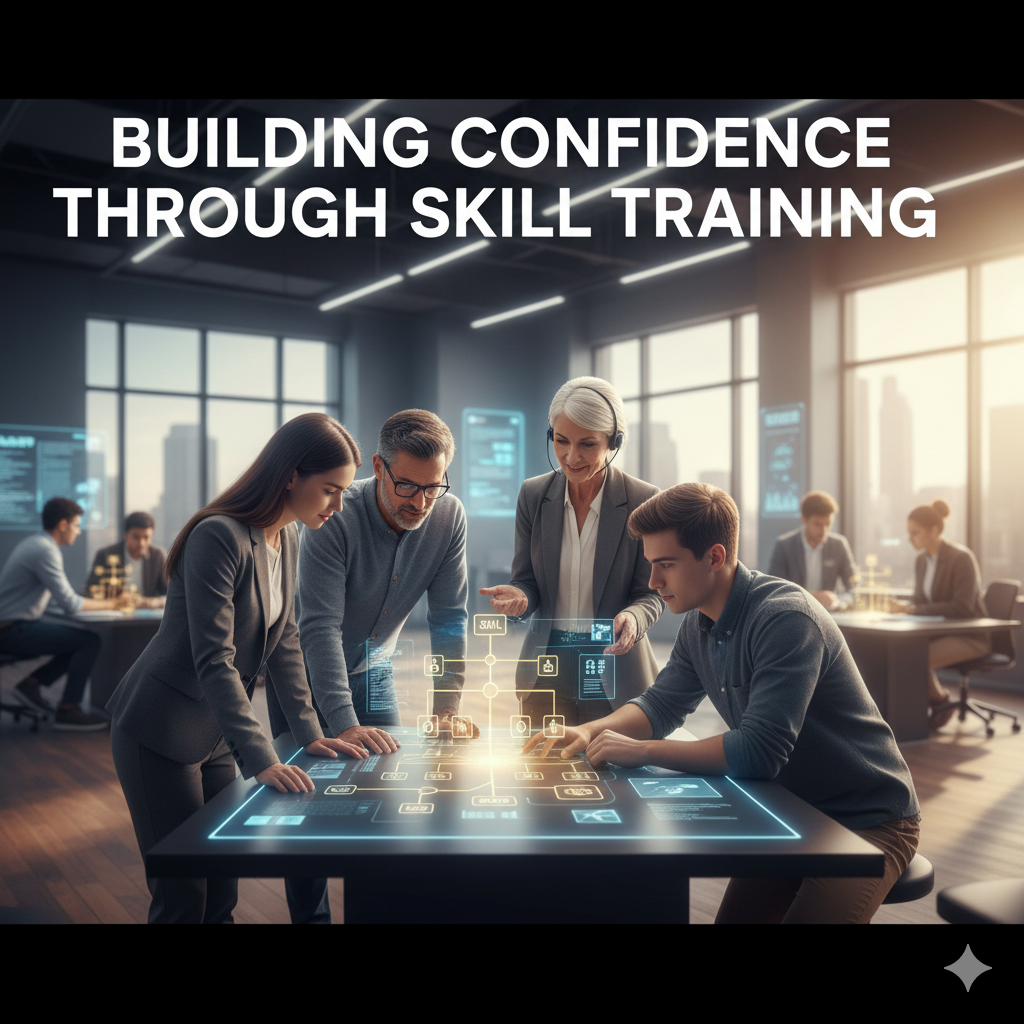
    Building Confidence Through Skill Training

    Confidence is one of the most valuable traits a person can have—yet in today’s competitive world, many students and young professionals feel uncertain about their abilities. Whether it’s preparing for interviews, stepping into a new job role, or navigating career growth, confidence plays a major role in success. But real, lasting confidence doesn’t appear overnight—it is built through knowledge, experience, and continuous skill development.

    At cvDragon, we believe that skill training is the foundation for building confidence. When individuals learn new skills, refine their strengths, and understand their areas of improvement, they unlock the power to take bold steps toward their goals. Skill training not only enhances their professional capabilities but also transforms how they see themselves.

    Why Skill Training Matters More Than Ever

    The job market is evolving rapidly. Employers today are looking for candidates who are not just knowledgeable but also adaptable, creative, and ready to take on challenges. Many students struggle because they lack exposure to real-world skills that employers expect.

    Skill training bridges this gap by providing practical knowledge, industry insights, and hands-on experience. It empowers learners to feel more prepared, more capable, and more confident.

    Key reasons why skill training is essential today:

    1. Boosts Self-Esteem

    Learning a new skill gives individuals a sense of accomplishment. It shows them that they are capable of growth, helping them gain trust in their abilities.

    2. Enhances Job Readiness

    Skill training prepares students for real-world work environments, interviews, and responsibilities—reducing anxiety and boosting confidence when opportunities arise.

    3. Encourages Lifelong Learning

    Confidence grows when individuals know they can adapt to change. Training builds a mindset of continuous learning and improvement.

    4. Improves Communication and Presentation Skills

    Many young professionals struggle with communication. Training helps them express themselves clearly, making them more confident in discussions, meetings, and interviews.

    5. Strengthens Problem-Solving Abilities

    With the right skills, individuals learn to think critically and tackle challenges with confidence.

    How Skill Training Builds Long-Lasting Confidence

    Confidence doesn’t come only from theory—it comes from action. Skill training offers a structured way to practice, learn, and grow. Here’s how it helps individuals build the confidence they need to succeed:

    1. Exposure to Real Experiences

    Workshops, internships, and practical sessions simulate real scenarios. This hands-on experience shows learners that they can handle real challenges—reducing fear and hesitation.

    2. Mastery Through Repetition

    The more someone practices a skill, the more confident they become. Training provides opportunities to practice until tasks become second nature.

    3. Overcoming Fear of Failure

    Mistakes are part of learning. Training encourages learners to experiment, make mistakes, and improve—helping them build resilience and self-belief.

    4. Learning From Experts

    Training programs connect learners with mentors who guide, support, and inspire them. Expert guidance boosts confidence by providing clarity and direction.

    5. Setting and Achieving Goals

    Every completed module or skill milestone builds confidence. Achieving small goals motivates learners to aim higher.

    Types of Skills That Boost Confidence

    While all skills add value, certain skills significantly enhance personal and professional confidence:

    1. Communication Skills

    Effective communication builds confidence in public speaking, interviews, and workplace interactions.

    2. Technical and Digital Skills

    From basic computer literacy to industry-specific tools, technical skills make individuals feel more capable and job-ready.

    3. Leadership and Teamwork

    Understanding how to lead, collaborate, and resolve conflicts boosts confidence in group settings.

    4. Time Management and Organization

    When individuals can manage tasks efficiently, they feel more in control, reducing stress and improving confidence.

    5. Analytical and Problem-Solving Skills

    Being able to analyze situations and make decisions empowers individuals to face challenges without hesitation.

    Role of cvDragon in Empowering Students Through Skill Training

    At cvDragon, our goal is to help students and job seekers unlock their true potential. We offer skill-oriented learning solutions that enhance confidence and preparedness for real-world opportunities.

    1. Industry-Relevant Skill Modules

    Our courses are designed with real employers’ needs in mind—ensuring students learn what the industry demands.

    2. Practical, Easy-to-Apply Training

    We focus on practical learning through examples, exercises, and real-world scenarios so that learners gain confidence from hands-on practice.

    3. Resume and Profile Enhancement

    Through cvDragon’s tools and guidance, students build strong resumes, portfolios, and profiles that reflect their skills and strengths.

    4. Personalized Mentorship

    Our experts provide personalized feedback, helping learners understand their strengths and areas to improve.

    5. Continuous Growth Support

    Confidence grows over time, and cvDragon supports learners throughout their journey—from their first skill module to job placement support.

    How Skill Training Enhances Career Success

    Skill training not only builds confidence but also creates tangible opportunities:

    • Better interview performance: Confident individuals answer clearly and convincingly.

    • More job opportunities: Skill-trained candidates stand out to recruiters.

    • Higher productivity: Confidence leads to efficient, high-quality work.

    • Stronger workplace relationships: Good communication and leadership skills build trust and respect.

    • Faster career growth: Confident employees take initiative and pursue leadership roles.

    When individuals feel prepared, they take action—leading to faster and more successful career outcomes.

    Conclusion: Confidence Starts With Skills

    Confidence is not something people are born with—it’s something they build. Skill training acts as the foundation for this growth, empowering learners to take control of their careers and future.

    At cvDragon, we are committed to helping every student and young professional develop the skills and confidence they need to thrive. With the right training, guidance, and opportunities, anyone can transform their potential into achievement.