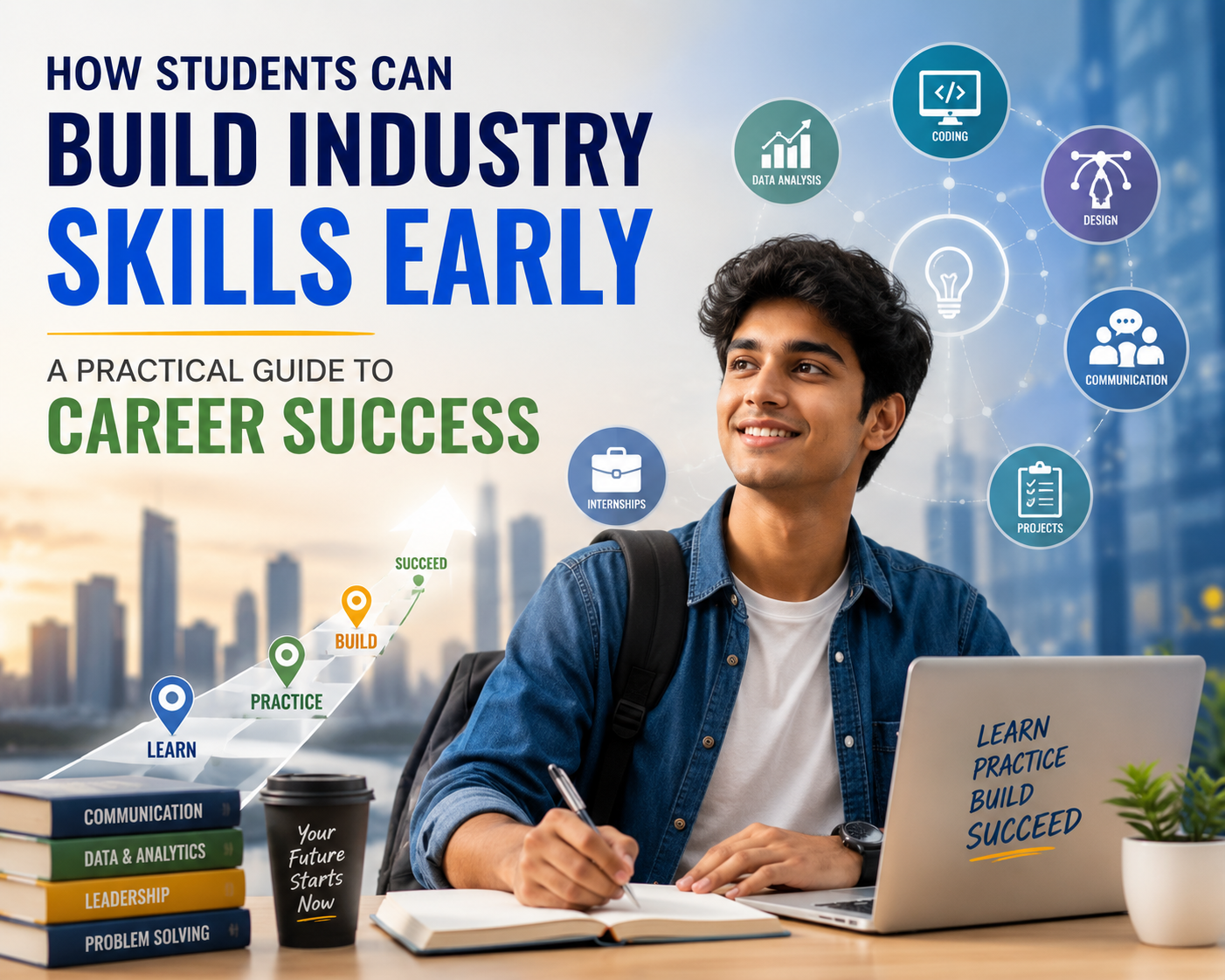
In today’s highly competitive job market, academic qualifications alone are no longer enough to guarantee career success. Employers increasingly seek candidates who possess practical industry skills, real-world experience, and the ability to adapt quickly to workplace challenges. For students, developing these skills early can provide a significant advantage when applying for internships, jobs, or entrepreneurial opportunities. At CVDragon, we believe that students who invest in skill development during their academic years are better prepared for long-term career growth and professional success.
Why Industry Skills Matter for Students
Industry skills refer to the practical abilities, technical competencies, and professional behaviors that employers value in the workplace. These skills vary across sectors but often include communication, problem-solving, teamwork, digital literacy, project management, and industry-specific technical expertise.
The gap between classroom learning and workplace expectations is a challenge faced by many graduates. While academic education provides theoretical knowledge, industry skills enable students to apply that knowledge in practical situations. Employers prefer candidates who can contribute from day one rather than requiring extensive training after hiring.
Students who begin developing industry skills early gain confidence, improve employability, and create stronger career opportunities before graduation.
The Growing Importance of Skill-Based Hiring
Modern recruitment trends are shifting toward skill-based hiring. Organizations increasingly evaluate candidates based on their abilities rather than solely focusing on academic scores. This shift is driven by rapid technological advancements, changing business needs, and the demand for adaptable professionals.
The chart above illustrates how practical skills often play a larger role in employability than academic achievements alone. Students who focus on skill development alongside education position themselves more effectively for career opportunities.
Start Learning Beyond the Classroom
One of the most effective ways to build industry skills early is to learn beyond traditional coursework. The internet has made professional learning accessible to everyone. Students can take online courses, attend webinars, join workshops, and participate in virtual training programs related to their field of interest.
For example, a marketing student can learn digital marketing, SEO, content creation, and social media management. An engineering student can explore programming, data analysis, or automation tools. Business students can gain expertise in financial modeling, project management, or business analytics.
Continuous learning helps students stay updated with industry trends while developing practical capabilities that employers value.
Gain Hands-On Experience Through Projects
Practical projects are among the most valuable tools for skill development. Employers often prioritize candidates who can demonstrate what they have built, solved, or achieved rather than simply listing qualifications.
Students should actively participate in academic projects, personal initiatives, freelance assignments, hackathons, competitions, or community-based projects. These experiences help them apply theoretical concepts to real-world challenges.
For instance, a computer science student can create websites or applications, while a business student can conduct market research projects. Such practical work demonstrates initiative, creativity, and problem-solving abilities.
A strong project portfolio can significantly strengthen a student’s resume and improve job prospects.
Pursue Internships Early
Internships provide direct exposure to professional environments and industry practices. Even short-term internships offer valuable insights into workplace expectations, organizational culture, and professional responsibilities.
Students often wait until their final year to seek internships, but starting earlier can create a substantial advantage. Early internship experiences help students:
- Understand industry requirements.
- Develop professional communication skills.
- Build workplace confidence.
- Expand professional networks.
- Identify career interests and strengths.
Internships also allow students to learn from experienced professionals and gain practical knowledge that cannot be acquired solely through textbooks.
Develop Strong Communication Skills
Communication remains one of the most sought-after skills across all industries. Regardless of technical expertise, professionals must effectively share ideas, collaborate with teams, and interact with clients or stakeholders.
Students can improve communication skills through:
- Public speaking activities.
- Group discussions.
- Presentation assignments.
- Debate competitions.
- Writing blogs or articles.
- Participating in student organizations.
Strong communication skills improve leadership potential, teamwork, and overall career growth. Employers consistently rank communication among the most valuable workplace competencies.
Build Digital Literacy
Technology has transformed nearly every industry. As a result, digital literacy has become a fundamental requirement for modern professionals.
Students should become comfortable using:
- Productivity software.
- Collaboration tools.
- Data analysis platforms.
- Industry-specific applications.
- Artificial intelligence tools.
- Cloud-based technologies.
Even non-technical careers increasingly require digital proficiency. Understanding how technology supports business operations can make students more versatile and employable.
Create a Professional Online Presence
Today’s employers often review online profiles before making hiring decisions. Students should focus on building a professional digital identity that reflects their skills, achievements, and career aspirations.
A professional online presence may include:
- An updated LinkedIn profile.
- Personal portfolio websites.
- Project showcases.
- Professional blog posts.
- Industry-related content sharing.
By consistently showcasing skills and accomplishments online, students can attract internship opportunities, networking connections, and potential employers.
Network with Industry Professionals
Networking is a powerful career-building strategy that students often underestimate. Building relationships with professionals can provide valuable guidance, mentorship, and career opportunities.
Students can network through:
- Industry conferences.
- Career fairs.
- Professional associations.
- Alumni events.
- Online professional communities.
- Social networking platforms.
Meaningful professional relationships often lead to internship referrals, job recommendations, and mentorship opportunities that accelerate career growth.
Earn Relevant Certifications
Professional certifications demonstrate commitment to learning and skill development. They provide evidence of practical knowledge and often help students stand out from other candidates.
Depending on career goals, students can pursue certifications in areas such as:
- Digital marketing.
- Data analytics.
- Project management.
- Programming languages.
- Cloud computing.
- Graphic design.
- Financial analysis.
Certifications not only enhance resumes but also help students acquire job-ready skills recognized by employers.
Participate in Extracurricular Activities
Extracurricular activities play an important role in developing workplace competencies. Leadership positions in clubs, volunteer organizations, sports teams, and student councils help students cultivate skills that employers value.
These activities foster:
- Leadership abilities.
- Team collaboration.
- Time management.
- Conflict resolution.
- Event management.
- Decision-making skills.
Many employers view extracurricular involvement as evidence of initiative, responsibility, and interpersonal effectiveness.
Learn Problem-Solving and Critical Thinking
Modern workplaces require professionals who can analyze situations, identify challenges, and develop effective solutions. Problem-solving and critical thinking skills are essential across all industries.
Students can strengthen these abilities by:
- Participating in case study competitions.
- Solving real-world business challenges.
- Engaging in research activities.
- Taking part in innovation programs.
- Working on collaborative projects.
The ability to approach problems strategically and develop practical solutions makes candidates more valuable to employers.
Seek Mentorship and Career Guidance
Mentorship can accelerate skill development by providing personalized advice and industry insights. Experienced mentors help students understand career pathways, avoid common mistakes, and focus on relevant skills.
Students should seek mentors through:
- College alumni networks.
- Faculty members.
- Industry professionals.
- Internship supervisors.
- Professional communities.
Regular guidance from experienced professionals can significantly improve career planning and skill-building efforts.
Build a Strong Resume Around Skills
As students develop industry skills, they should document their achievements effectively. A skill-focused resume highlights practical experience, projects, internships, certifications, and accomplishments.
Employers are more likely to notice candidates who can clearly demonstrate their capabilities through measurable achievements and relevant experiences.
A well-structured resume serves as a powerful tool for communicating professional readiness and career potential.
Conclusion
Building industry skills early is one of the smartest investments students can make in their future careers. While academic knowledge remains important, practical skills, hands-on experience, communication abilities, digital literacy, and professional networking often determine long-term success in the workplace. Students who actively pursue internships, certifications, projects, mentorship, and continuous learning gain a significant advantage in today’s competitive job market.
At CVDragon, we encourage students to view skill development as an ongoing journey rather than a one-time effort. The earlier students begin building industry-relevant competencies, the more prepared they will be to seize opportunities, adapt to changing workplace demands, and achieve lasting professional success. By combining education with practical experience, students can confidently bridge the gap between classroom learning and industry expectations, creating a strong foundation for a rewarding and successful career.
Leave a Reply