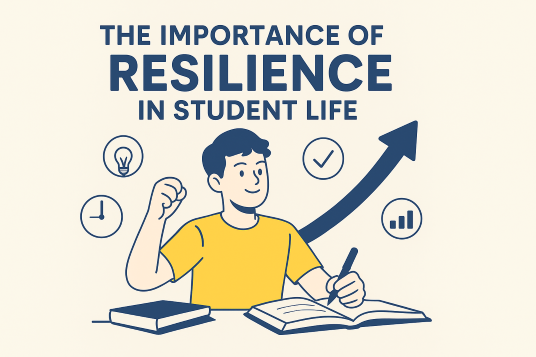
Student life is filled with excitement, curiosity, and endless opportunities—but it also comes with academic pressure, deadlines, competition, and unexpected challenges. While intelligence and hard work play a major role in academic success, there is another skill that often determines whether students thrive or struggle: resilience.
At cvdragon, we work closely with students to help them shape confident futures, and one lesson we emphasize is that resilience is a lifelong strength. It helps students not only survive difficult moments but grow through them. In this blog, we explore why resilience matters, how it influences student life, and how students can build it step by step.
What Is Resilience?
Resilience is the ability to bounce back from challenges, stress, failures, or setbacks. It is not about avoiding difficulties, but about adapting, learning, and moving forward despite them. Simply put, resilience is mental strength in action.
Contrary to popular belief, resilience is not something you’re born with—it can be learned, practiced, and strengthened with time.
Why Resilience Is Essential in Student Life
High expectations, exam stress, career planning, personal responsibilities, and social dynamics can all be overwhelming. This is where resilience becomes a crucial tool.
1. Helps Students Handle Academic Pressure
Assignments, exams, heavy workloads, and competitive environments can create stress. Resilient students stay calm, prioritize effectively, and stay focused even under pressure.
2. Builds Confidence and Self-Belief
Every time students overcome a challenge, they prove to themselves that they are capable. This builds true confidence—not from perfection, but from persistence.
3. Encourages a Growth Mindset
Resilience helps students view mistakes as learning opportunities rather than failures. This mindset fuels continuous improvement.
4. Supports Mental and Emotional Well-Being
Students with resilience are better at managing anxiety, staying optimistic, and handling emotional setbacks. It creates inner stability.
5. Enhances Problem-Solving Skills
Resilient students learn to analyze situations, find solutions, and adapt quickly—an essential skill for both academics and real life.
6. Prepares Students for Future Challenges
Life beyond school or college is unpredictable. Resilience equips students with the strength to navigate career challenges, personal struggles, and unexpected changes.
How Students Can Build Resilience
The good news is that resilience can be developed with daily habits and the right mindset. Here are practical ways students can strengthen their resilience:
1. Accept Challenges Instead of Avoiding Them
Challenges help students grow. Instead of fearing difficult subjects, workloads, or new experiences, they should approach them with curiosity and determination.
Growth often happens outside the comfort zone.
2. Develop a Positive Mindset
A positive mindset does not mean ignoring problems—it means looking for solutions, staying hopeful, and believing improvement is possible.
Ways to stay positive:
-
Practice gratitude
-
Focus on strengths
-
Replace negative self-talk with encouraging words
-
Celebrate small wins
3. Build Strong Time Management Skills
Stress often increases when students feel overwhelmed or unorganized. Time management helps reduce last-minute pressure and prevents burnout.
Students can use:
-
To-do lists
-
Study planners
-
Pomodoro technique
-
Weekly schedules
Time management creates a sense of control and reduces anxiety.
4. Stay Connected with Supportive People
Friends, family, teachers, and mentors can provide emotional support, guidance, and encouragement. Strong relationships act as a safety net during tough times.
Talking to someone during stressful moments makes challenges easier to handle.
5. Learn to Adapt to Change
Many students struggle when their routine or expectations shift. Resilience means staying flexible and adjusting to new situations with an open mind.
Whether it’s a sudden exam change, a new environment, or unexpected personal situations—adaptability brings inner balance.
6. Develop Healthy Habits
Good physical health supports emotional resilience. Students should:
-
Get enough sleep
-
Eat nutritious meals
-
Exercise regularly
-
Avoid excessive screen time
-
Practice mindfulness or meditation
A healthy body enhances mental strength.
7. View Failure as a Learning Opportunity
Every student faces setbacks—low grades, rejections, mistakes, or incomplete tasks. Instead of giving up, resilient students analyze what went wrong and try again with a better strategy.
Failure is not the opposite of success; it is part of the journey.
8. Practice Self-Reflection
Reflection helps students understand their emotions, behaviors, and strengths. Journaling or quiet self-reflection builds self-awareness, which is crucial for resilience.
It helps students recognize patterns, manage emotions, and improve decision-making.
9. Stay Goal-Oriented
Having short-term and long-term goals gives students direction and motivation. When challenges arise, goals remind them why they started in the first place.
Setting achievable milestones creates a sense of progress.
10. Take Breaks and Avoid Burnout
Students need rest just as much as they need hard work. Breaks improve focus, creativity, and emotional well-being.
Even small breaks—like a walk, stretching, music, or a short nap—help reset the mind.
The Role of Resilience in Academic and Career Growth
Resilience helps students not just during school or college, but throughout their personal and professional lives. It shapes individuals who:
-
Stay calm under pressure
-
Think clearly in tough situations
-
Learn new skills quickly
-
Communicate confidently
-
Take responsibility for their growth
Employers highly value resilient individuals because they are reliable, adaptable, and proactive. At cvdragon, we often encourage students to showcase resilience through real-life examples in their resumes, internships, and interviews.
Conclusion: Resilience Is the Foundation of Student Success
Resilience is more than a skill—it’s a powerful mindset that helps students overcome obstacles and continue moving forward. Whether it’s academic stress, personal struggles, or future challenges, resilience gives students the strength to keep going.
At cvdragon, we believe that building resilience early in life helps students achieve their goals and develop into confident, capable individuals.
Leave a Reply