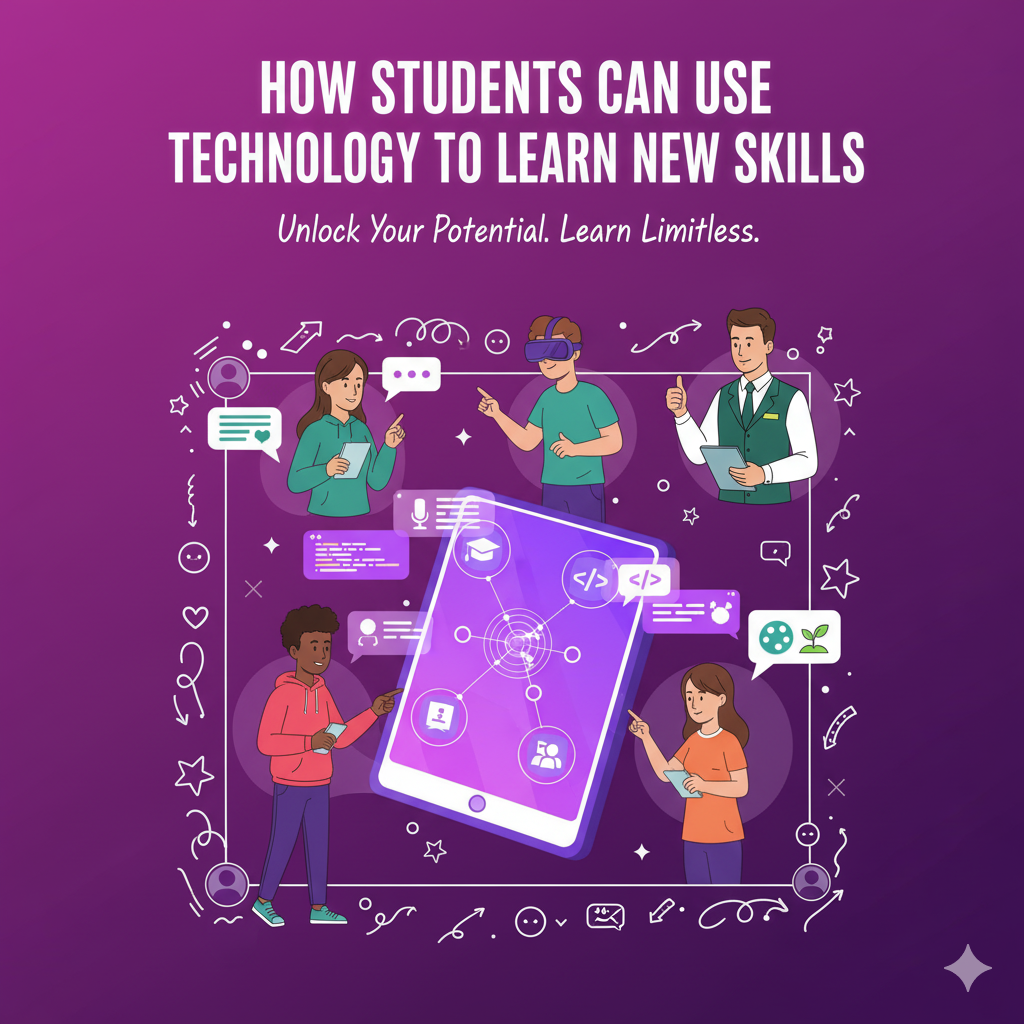
In today’s digital-first world, technology has become a powerful companion in education. Gone are the days when learning was limited to textbooks and traditional classrooms. Students now have access to a limitless world of knowledge—right at their fingertips. At cvDragon, we believe that technology, when used wisely, can empower students to learn new skills faster, more efficiently, and with far more creativity.
Here’s how students can leverage technology to enhance their learning journey and develop skills that will shape their future.
1. Access to Online Learning Platforms
One of the biggest advantages of technology is the availability of online learning platforms. Websites and apps like Coursera, Udemy, Khan Academy, and LinkedIn Learning offer courses in:
-
Coding
-
Graphic design
-
Business management
-
Communication skills
-
Data science
-
Foreign languages
These platforms allow students to learn at their own pace, choose topics they’re passionate about, and earn certifications that strengthen their career profile. At cvDragon, we encourage students to explore these platforms to broaden their knowledge and stay competitive.
2. Interactive Learning Through Educational Apps
Educational apps transform learning into an enjoyable experience. Instead of reading long paragraphs, students can watch videos, take quizzes, and engage with interactive modules.
Popular examples include:
-
Duolingo for learning languages
-
Photomath for solving math problems
-
Skillshare for creative skills
-
Notion and Evernote for productivity
-
Brilliant for STEM learning
These apps use gamification—rewards, levels, streaks—to keep students motivated and engaged.
3. Using YouTube as a Learning Resource
YouTube is one of the world’s largest learning platforms. From tutorials to lectures and real-world demonstrations, students can learn almost anything:
-
How to code a website
-
Basics of financial literacy
-
Tips for public speaking
-
Scientific experiments
-
DIY projects
-
Art and music techniques
With thousands of expert educators and creators, YouTube makes complex topics easy to understand. Students simply need curiosity—and a reliable internet connection—to begin learning.
4. Virtual Classrooms and Online Collaboration
Technology has redefined the traditional classroom experience. With platforms like Google Classroom, Microsoft Teams, and Zoom, students can join virtual classes, collaborate with peers, and access digital assignments anytime.
These tools help students:
-
Participate in group projects
-
Share notes and resources
-
Communicate with teachers more easily
-
Attend workshops or webinars globally
Virtual classrooms promote teamwork, digital literacy, and better time management—skills that are incredibly valuable for future careers.
5. Learning Through Simulations and Virtual Reality
Advanced technologies like Virtual Reality (VR) and simulations make learning immersive and realistic. Students can:
-
Explore historical sites
-
Perform virtual science experiments
-
Understand complex machines
-
Practice language conversations
-
Experience real-life scenarios safely
For example, medical students use VR to practice surgeries, while engineering students test prototypes virtually. This hands-on approach deepens understanding and boosts confidence.
6. Enhancing Research Skills Through Digital Libraries
Digital libraries and online journals give students instant access to a wealth of information. Platforms like Google Scholar, JSTOR, and research databases provide high-quality reference materials that support academic projects.
Students can:
-
Research topics thoroughly
-
Read scholarly articles
-
Access e-books and research papers
-
Learn how to evaluate sources
-
Improve critical thinking skills
This prepares them for higher studies and strengthens their analytical abilities.
7. Building Creativity Through Digital Tools
Technology is an incredible enabler of creativity. Students can use various tools to explore creative fields, such as:
-
Canva for graphic design
-
Blender for 3D modeling
-
GarageBand for music production
-
Adobe apps for photography and video editing
-
Tinkercad for digital prototyping
These platforms give students the freedom to experiment, design, and express themselves visually or musically—skills that are increasingly valued across industries.
8. Mastering Coding and Technical Skills
Coding has become one of the most essential skills of the 21st century. With platforms like Code.org, Codecademy, and HackerRank, students can learn programming languages such as:
-
Python
-
Java
-
JavaScript
-
HTML & CSS
-
C++
These skills open up career opportunities in software development, data science, AI, and more. cvDragon encourages students to start learning coding early, even if it’s just basics—it builds logical thinking and problem-solving abilities.
9. Using AI Tools to Enhance Learning
AI-powered learning tools are becoming increasingly popular. They help students study smarter, not harder. Examples include:
-
AI note-taking assistants
-
Homework help apps
-
Personalized learning platforms
-
Grammar and writing checkers
-
AI-driven study planners
These tools adapt to a student’s pace and provide instant feedback. They help reduce study stress and make learning more efficient—something every student can benefit from.
10. Improving Communication Through Digital Platforms
Good communication skills are essential for academic and career success. Technology helps students practice these skills through:
-
Online discussion forums
-
Presentation software
-
Public speaking videos
-
Social learning communities
-
Virtual debate clubs
These platforms help students build confidence, learn to express ideas clearly, and collaborate effectively.
11. Staying Organized With Digital Productivity Tools
Technology helps students stay organized through apps like:
-
Google Calendar
-
Trello
-
Notion
-
Todoist
-
Microsoft OneNote
These tools allow students to manage assignments, plan revision schedules, track habits, and set academic goals. Effective organization leads to better learning outcomes and reduced stress.
12. Participating in Online Communities and Workshops
Online communities—such as LinkedIn groups, Discord study servers, and learning forums—offer students a chance to connect with peers from around the world. They can:
-
Ask questions
-
Share resources
-
Get feedback
-
Attend virtual seminars
-
Learn from global experts
These interactions build networking skills and expose students to diverse perspectives.
Conclusion: Technology Is a Powerful Learning Ally
Technology has opened a world of opportunities for students who want to learn new skills. Whether it’s mastering coding, improving communication, exploring creative arts, or accessing global learning platforms, the digital world offers endless possibilities.
At cvDragon, we believe that students who embrace technology become more confident, independent learners. With the right tools and mindset, every student can unlock their full potential and prepare for a successful future.
Leave a Reply