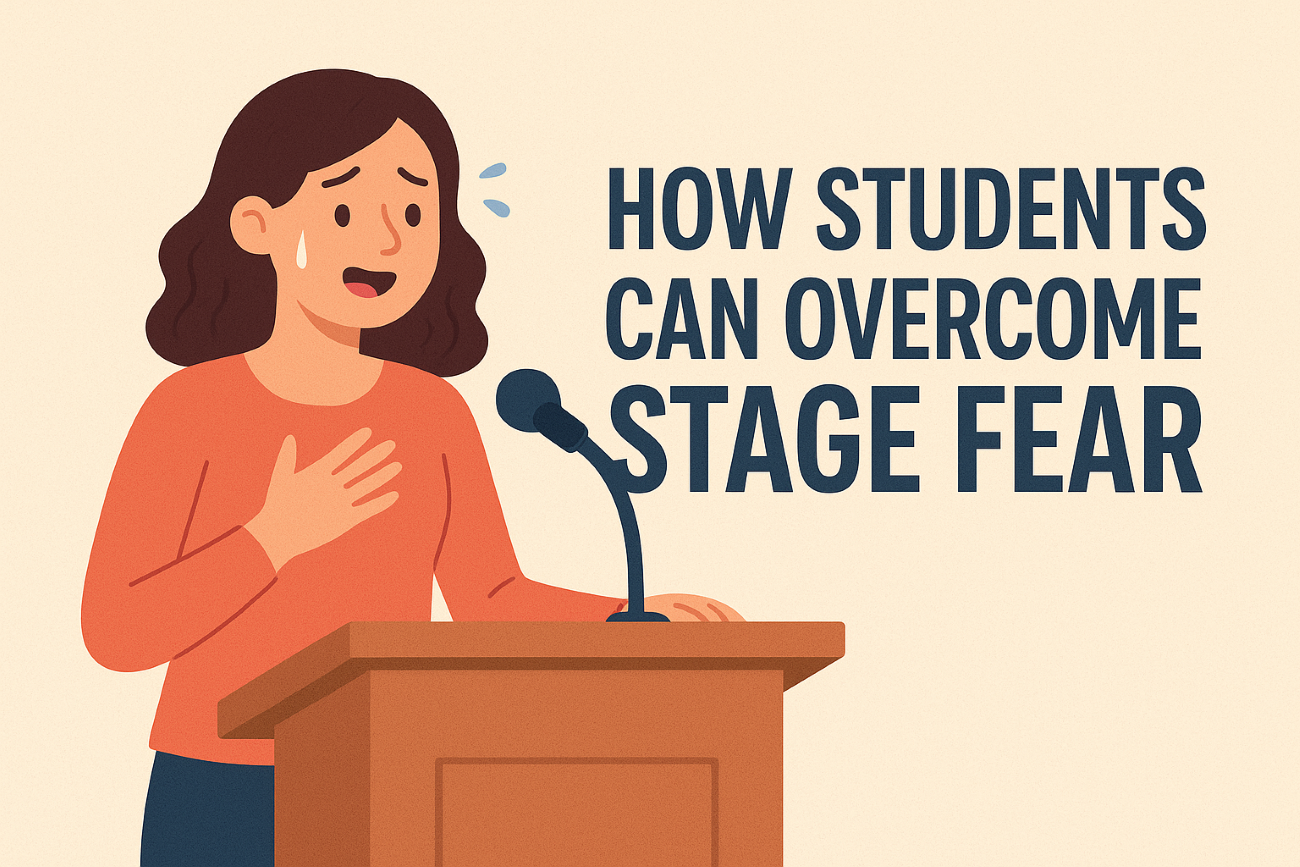
Stage fear is more common than most people think. Whether it’s speaking in front of a class, delivering a presentation, participating in an event, or even introducing themselves during a seminar—many students feel their heart racing, palms sweating, and thoughts freezing the moment they step onto a stage.
At cvDragon, we interact with thousands of students preparing for academic presentations, interviews, group discussions, and competitions. One pattern we’ve noticed is clear: even the most talented students often struggle with stage fear. It’s not about a lack of ability—it’s about confidence, mindset, and simple techniques that can make a big difference.
This article breaks down stage fear in an easy, relatable, and humanized way, and provides students with practical strategies to overcome it successfully.
Understanding Stage Fear: What Really Happens?
Before we jump into solutions, it’s important to understand what stage fear actually is.
Stage fear is a natural psychological reaction. When you stand in front of an audience, your brain assumes you’re in a high-risk situation—even when you’re actually safe. This triggers:
-
Faster heartbeat
-
Sweaty hands
-
Dry mouth
-
Shaky voice
-
Mind blanks
-
Nervousness
The good news?
With the right techniques, anyone can overcome stage fear—even if they think they can’t.
At cvDragon, we’ve seen countless students transform from shy speakers to confident performers.
1. Preparation Is the Foundation of Confidence
Nothing reduces fear like being well-prepared.
Students often get nervous because they worry about forgetting their lines, losing track of their speech, or making mistakes. Solid preparation removes these doubts.
Here’s how to prepare effectively:
-
Break your speech or presentation into small sections
-
Understand the content deeply instead of memorizing word-for-word
-
Create keyword notes
-
Practice in front of a mirror
-
Record a video of yourself presenting
-
Rehearse until the flow becomes natural
When students know their content, their confidence automatically increases.
2. Practice in Safe Environments First
Before facing a crowd, practicing in a safe and comfortable space can help reduce the initial fear.
Students can try:
-
Practicing in front of family members
-
Speaking in front of a close friend
-
Joining a small speaking group
-
Standing in front of a mirror
-
Recording voice or video notes
At cvDragon, we always encourage students to start small. Small victories build confidence, making bigger stages less intimidating.
3. Use Deep Breathing to Calm Your Nerves
When nervous, the body goes into “fight or flight” mode, causing shaky hands, fast heartbeat, and a nervous voice.
Deep breathing is a scientifically proven way to relax the body and mind.
Try this simple method:
-
Inhale slowly for 4 seconds
-
Hold for 2 seconds
-
Exhale for 6 seconds
-
Repeat 5–7 times
This technique signals the brain that you’re safe, helping reduce anxiety instantly.
4. Visualize Success Instead of Failure
Most students imagine themselves forgetting lines, embarrassing themselves, or being judged. This worsens fear.
Instead, practice positive visualization:
-
Imagine yourself speaking confidently
-
Picture the audience listening attentively
-
Visualize yourself finishing your speech successfully
This shifts your mindset from fear to confidence.
5. Body Language Speaks Before Words Do
Good body language can make students feel—and appear—more confident.
Simple techniques include:
-
Standing straight with shoulders relaxed
-
Making eye contact with friendly faces
-
Using hand gestures naturally
-
Smiling occasionally
-
Avoiding fidgeting or pacing too fast
At cvDragon, we teach students that body language isn’t just for the audience—it’s also for the speaker. Confident posture boosts internal confidence.
6. Start with Smaller Audiences and Work Upwards
Confidence grows with practice.
Students don’t have to start by speaking in front of a large audience. They can:
-
Speak in morning assemblies
-
Volunteer for small presentations
-
Participate in classroom discussions
-
Join drama, debate, or toastmasters clubs
-
Host school/college events
The more exposure students get, the less intimidating the stage becomes.
7. Shift the Focus from “Performance” to “Communication”
Many students fear the stage because they think people are judging their performance.
Instead of thinking, “I must speak perfectly,” think:
“I am just sharing something useful with others.”
When students see stage speaking as a conversation rather than a performance, the fear reduces dramatically.
8. Accept That Mistakes Are Normal
One of the biggest reasons students avoid the stage is the fear of making mistakes. But mistakes are natural—and audiences rarely notice them.
If you forget a line, pause and breathe.
If you mispronounce something, correct yourself calmly.
If you lose track, look at your notes.
Remember: confidence isn’t the absence of mistakes—it’s the ability to continue even after making them.
9. Observe and Learn From Good Speakers
Watching experienced speakers is one of the most effective ways to improve.
Students can watch:
-
TED Talks
-
Classroom toppers during presentations
-
Motivational speakers
-
College event hosts
-
YouTube seminars
Study how they speak, move, pause, and engage the audience. Over time, students naturally adopt effective habits.
10. Join Skill-Building Programs to Boost Communication
Sometimes, students need structured guidance.
Communication courses, personality development workshops, or skill-building platforms like cvDragon help students build:
-
Public speaking skills
-
Confidence
-
Vocal clarity
-
Presentation techniques
-
Professional communication
Guided practice accelerates improvement.
11. Understand Your Audience—They Are Not Your Enemy
Students often imagine the audience judging them harshly. In reality:
-
Most listeners want the speaker to succeed
-
They appreciate effort
-
They are busy thinking about their own lives
-
They don’t focus on small mistakes
Once students realize the audience is friendly, not hostile, stage fear decreases significantly.
12. Use Positive Affirmations to Build Self-Belief
Words have power. Students can repeat affirmations such as:
-
“I am confident.”
-
“I am prepared.”
-
“I can do this.”
-
“The audience wants me to succeed.”
-
“Mistakes don’t define me.”
Over time, these positive thoughts replace negative self-doubt.
13. Turn Nervous Energy Into Excitement
Believe it or not, nervousness and excitement feel almost the same—fast heartbeat, extra energy, increased alertness.
Instead of thinking:
“I’m nervous,”
try thinking:
“I’m excited!”
This simple brain-hack changes how students interpret their feelings.
14. Focus on Your Message, Not Yourself
Stage fear increases when students think too much about themselves:
-
“How do I look?”
-
“What if I sound weird?”
-
“What if I forget something?”
Shift focus to the message:
-
“This information will help others.”
-
“I want to share something meaningful.”
-
“My message is important.”
When the purpose becomes bigger than the fear, confidence rises.
15. Keep Practicing—Confidence Is a Skill
Overcoming stage fear is not a one-time action.
It is a skill built slowly through practice, exposure, and self-belief.
Every time a student stands on stage—whether for 10 seconds or 10 minutes—they become a little more confident than before.
Final Thoughts: Every Student Can Become a Confident Speaker
Stage fear is not a weakness—it is a natural response that can be managed and mastered. At cvDragon, we’ve seen students from all backgrounds become confident speakers through practice, guidance, and the right mindset.
Remember:
-
Confidence is learned
-
Mistakes are normal
-
Practice builds ease
-
Preparation builds clarity
-
Belief builds courage
With these strategies, any student can go from “I’m scared” to “I’m ready.”
Leave a Reply