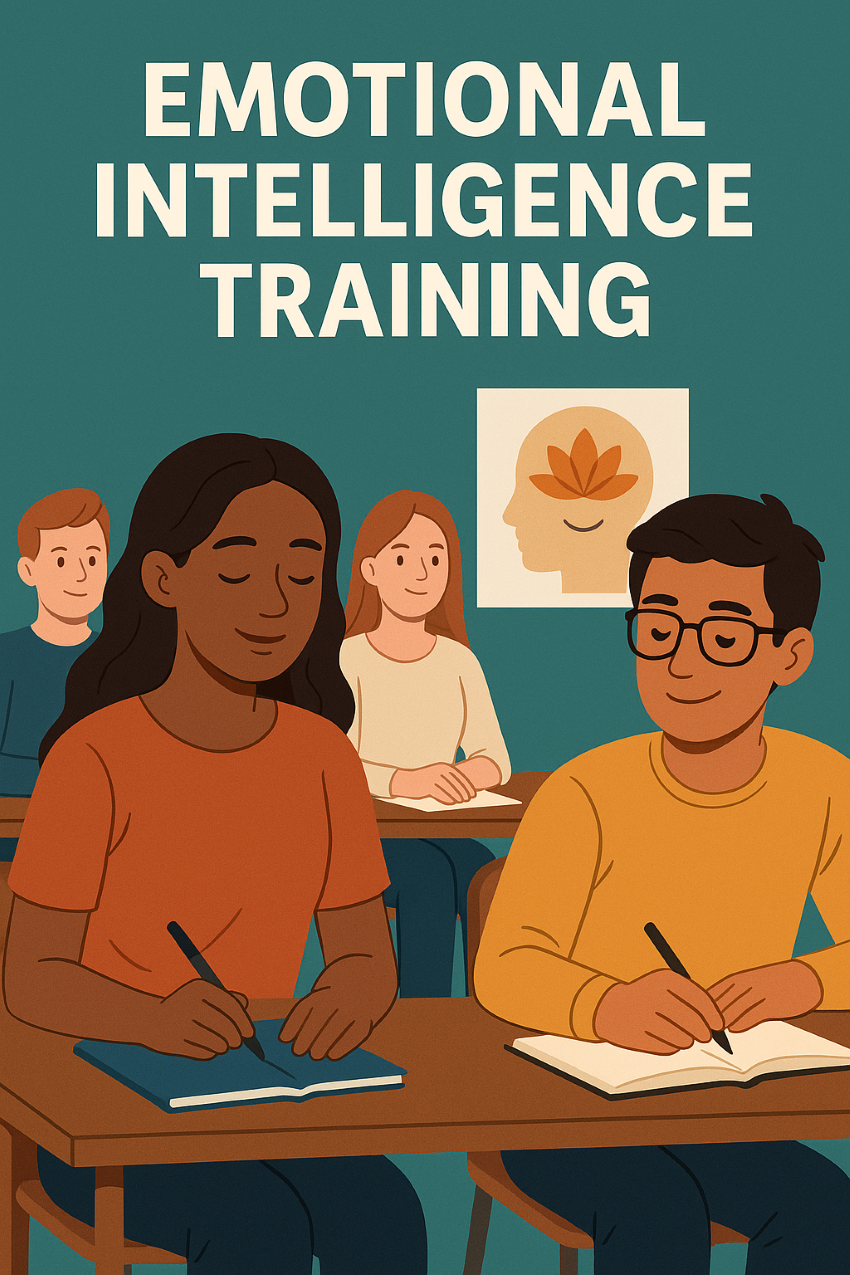
In today’s fast-paced and competitive world, academic excellence alone is no longer enough to define a student’s potential. What truly distinguishes successful students from others is their emotional intelligence (EI) — the ability to recognize, understand, and manage emotions effectively. Whether it’s handling stress before an exam, collaborating with peers on group projects, or dealing with failure, emotional intelligence determines how students respond to challenges and grow from them.
At CvDragon, we believe that emotional intelligence is not just a “soft skill” — it’s a core life skill. Our training programs help students develop emotional awareness, empathy, resilience, and social understanding, enabling them to thrive in both academic and personal environments.
This article explores why emotional intelligence is essential for students, how it impacts their success, and the most effective strategies to develop it through structured training.
1. What Is Emotional Intelligence (EI)?
Emotional intelligence refers to the capacity to identify, understand, and regulate one’s own emotions while also recognizing and influencing the emotions of others.
According to psychologist Daniel Goleman, EI has five core components:
-
Self-Awareness – Recognizing one’s emotions and their effects.
-
Self-Regulation – Controlling impulses and managing stress effectively.
-
Motivation – Staying focused and positive in pursuit of goals.
-
Empathy – Understanding and responding to others’ feelings.
-
Social Skills – Building and maintaining healthy relationships.
When students master these abilities, they not only perform better academically but also handle life’s pressures with maturity and confidence.
2. Why Emotional Intelligence Matters for Students
a. Improves Academic Performance
Students with high emotional intelligence can manage exam anxiety, stay motivated, and maintain focus. They approach learning with curiosity and persistence — essential traits for long-term academic success. Studies show that emotionally intelligent students often outperform peers with similar IQ levels because they can handle academic pressure calmly.
b. Strengthens Relationships
School and college life involve constant interaction with classmates, teachers, and peers. Emotional intelligence helps students build stronger relationships by improving communication, empathy, and conflict resolution skills. They learn to listen actively and respond thoughtfully, creating a more positive and cooperative learning environment.
c. Builds Resilience and Mental Well-being
Academic life can be stressful — from exam results to peer pressure and future uncertainties. Emotionally intelligent students are better equipped to handle setbacks. Instead of giving up, they bounce back stronger, using challenges as learning experiences.
d. Enhances Leadership and Teamwork
In group projects or extracurricular activities, emotionally intelligent students shine as leaders. They can motivate team members, handle disagreements diplomatically, and create harmony within groups.
e. Promotes Career Readiness
Employers increasingly value emotional intelligence as a top skill. For students preparing to enter the workforce, developing EI ensures they can adapt, collaborate, and communicate effectively in professional settings.
At CvDragon, we integrate emotional intelligence training into our student development programs to prepare learners not just for exams — but for life.
3. Key Elements of Emotional Intelligence Training
Developing emotional intelligence requires conscious effort and structured training. CvDragon’s approach focuses on these essential pillars:
a. Self-Awareness Development
Students are guided to reflect on their emotions — what triggers stress, anger, or motivation. Through journaling, mindfulness exercises, and self-assessment tools, they learn to identify emotional patterns and understand their behavioral impact.
Example: Before reacting to a poor grade, students learn to pause, analyze their emotions, and approach improvement rationally.
b. Managing Emotions (Self-Regulation)
Training helps students develop emotional control techniques — deep breathing, meditation, or reframing thoughts — to prevent impulsive reactions. This skill is especially useful during exams, presentations, or high-pressure situations.
CvDragon coaches emphasize emotional pause and response — encouraging students to think before reacting, fostering maturity and calmness.
c. Empathy Building
Understanding others’ perspectives is the heart of emotional intelligence. Through group discussions, role-playing, and storytelling, students learn to put themselves in others’ shoes, enhancing emotional sensitivity and kindness.
Empathy training helps reduce bullying, improves peer relationships, and creates inclusive environments where every student feels valued.
d. Motivation and Goal Setting
Emotionally intelligent individuals are driven not by external rewards but by internal satisfaction. CvDragon’s programs teach students how to set realistic goals, visualize success, and stay motivated despite setbacks.
By linking emotional satisfaction with achievement, students learn the importance of intrinsic motivation — a key driver of lifelong learning.
e. Communication and Social Skills
Good communication is rooted in emotional understanding. Students learn how to express thoughts confidently yet respectfully, read nonverbal cues, and practice active listening.
This training enhances their public speaking, teamwork, and networking abilities — vital for future academic and career success.
4. Strategies to Cultivate Emotional Intelligence in Students
Beyond formal training, here are actionable strategies that can help students strengthen their emotional intelligence daily:
a. Practice Mindfulness
Encourage mindfulness exercises such as deep breathing, meditation, or reflection breaks. It helps students remain present, reduce anxiety, and improve emotional clarity.
b. Encourage Journaling
Writing about emotions helps students process feelings and recognize recurring emotional patterns. It’s a simple yet powerful way to improve self-awareness.
c. Promote Group Activities
Team-based learning fosters empathy and cooperation. Students learn how different personalities work together toward shared goals — a vital emotional lesson for adulthood.
d. Use Constructive Feedback
Instead of harsh criticism, use feedback that focuses on improvement. This boosts motivation and emotional maturity. CvDragon’s mentoring sessions are built around growth feedback, helping students reflect, not retreat.
e. Develop Emotional Vocabulary
Teaching students to name their emotions — such as “frustrated,” “disappointed,” or “anxious” — helps them understand and manage feelings better instead of suppressing them.
5. CvDragon’s Emotional Intelligence Training Approach
At CvDragon, our student training programs are designed to bridge emotional learning with real-world application. Here’s how we do it:
✔ Interactive Workshops
Our workshops blend theory with practical exercises — from emotion-recognition games to stress-management challenges — keeping sessions engaging and memorable.
✔ Personalized Emotional Assessments
We help students identify their emotional strengths and weaknesses through guided evaluations, offering a customized development roadmap.
✔ Real-life Scenarios and Role-Play
Simulated interactions — like handling peer disagreements or responding to criticism — prepare students to apply emotional intelligence in everyday life.
✔ Expert Mentorship
Our mentors guide students through emotional challenges, providing support, perspective, and strategies to navigate them successfully.
✔ Continuous Progress Tracking
Students track their growth in self-awareness, empathy, and confidence, ensuring that emotional development remains a lifelong practice.
6. The Long-Term Benefits of Emotional Intelligence Training
When students cultivate emotional intelligence early, the benefits last a lifetime:
-
Better Academic Focus: Reduced anxiety and improved concentration lead to higher performance.
-
Stronger Relationships: Improved communication builds trust and teamwork.
-
Greater Self-Confidence: Students believe in their abilities and handle criticism constructively.
-
Enhanced Career Prospects: Emotional maturity makes them better leaders, decision-makers, and collaborators.
-
Improved Well-being: Managing emotions effectively reduces stress and improves mental health.
Ultimately, emotional intelligence creates balanced individuals — those who succeed not just in school but in life.
7. Conclusion: Shaping Emotionally Strong Futures with CvDragon
In a world driven by academic scores and competition, emotional intelligence offers a deeper, more human dimension of success. It teaches students how to stay calm in chaos, empathize with others, and lead with compassion — traits that define not just great professionals, but great people.
At CvDragon, we are committed to nurturing emotionally intelligent learners who can face life with confidence, empathy, and resilience. Through our tailored training and mentorship, we help students not only understand their emotions but use them as powerful tools for growth.
After all, intelligence may open doors — but emotional intelligence ensures you walk through them gracefully.
Leave a Reply