Category: Articles

  • Video Conferencing Professionalism: Mastering Lighting, Audio, and Framing

    Video Conferencing Professionalism: Mastering Lighting, Audio, and Framing

    In today’s digital-first world, video conferencing has become a standard part of academic life, remote work, job interviews, and professional communication. Whether attending an online class, participating in a virtual meeting, or appearing for a remote job interview, how you present yourself on screen matters more than ever.

    At cvDragon, where we help students and professionals prepare for career success, we often remind our users that professionalism doesn’t end with a resume. Your on-screen presence plays a critical role in shaping first impressions. Mastering the technical and visual elements of video conferencing—especially lighting, audio, and framing—can significantly enhance credibility, confidence, and communication effectiveness.

    This article explores the essentials of video conferencing professionalism and offers practical, easy-to-implement tips to help you look and sound your best on camera.

    Why Video Conferencing Professionalism Matters

    In virtual environments, your screen becomes your workplace. Employers, professors, and clients form impressions based on:

    • Visual clarity

    • Sound quality

    • Body language

    • Eye contact

    • Overall setup

    Poor lighting, distracting audio, or awkward framing can undermine even the most capable individuals. Professional video presence signals:

    • Preparedness

    • Attention to detail

    • Confidence

    • Respect for others’ time

    For students and job seekers, these cues can directly influence academic evaluations and hiring decisions.

    The Psychology of On-Screen Presence

    Research shows that people form impressions within seconds. In video calls, lighting and framing affect how:

    • Trustworthy you appear

    • Engaged you seem

    • Clearly your expressions are perceived

    Audio quality influences how attentive and professional you sound. Clear communication builds trust, while poor audio creates frustration.

    Mastering Lighting for Video Conferencing

    Lighting is one of the most important—and often overlooked—elements of video professionalism.

    1. Use Natural Light Whenever Possible

    Natural light creates a soft, flattering effect.

    Best practices:

    • Face a window instead of having it behind you

    • Position yourself so light falls evenly on your face

    • Avoid harsh midday sunlight directly overhead

    Never sit with a bright window behind you, as it creates shadows and silhouettes.

    2. Avoid Overhead and Back Lighting

    Overhead lighting can cast unflattering shadows, while backlighting makes your face appear dark.

    If overhead lights are unavoidable:

    • Use additional front-facing light

    • Lower brightness if possible

    3. Use Artificial Lighting Strategically

    If natural light is limited:

    • Use a desk lamp placed at eye level

    • Position lights at a 45-degree angle

    • Avoid lighting from below

    Ring lights are an affordable and effective option for consistent lighting.

    4. Maintain Consistent Lighting

    Sudden changes in lighting can be distracting. Choose a setup that remains consistent throughout the call.

    Optimizing Audio Quality for Clear Communication

    While visuals matter, audio quality is often even more important. Poor audio can make even well-framed video ineffective.

    1. Choose the Right Microphone

    Built-in laptop microphones work, but external microphones significantly improve clarity.

    Options include:

    • USB microphones

    • Headsets with noise-canceling features

    • Earphones with inline microphones

    Clear audio reduces listener fatigue and improves engagement.

    2. Minimize Background Noise

    Before joining a call:

    • Close doors and windows

    • Inform others of your meeting

    • Silence notifications

    Soft furnishings like curtains and carpets help absorb sound.

    3. Test Your Audio in Advance

    Always test your microphone before important calls. Adjust input levels to avoid distortion or low volume.

    4. Speak Clearly and at a Moderate Pace

    Avoid rushing or mumbling. Speaking clearly and confidently enhances professionalism and ensures your message is understood.

    Perfecting Camera Framing and Positioning

    Framing determines how you appear on screen and how engaging your presence feels.

    1. Position the Camera at Eye Level

    The camera should be at or slightly above eye level. Looking down or up at the camera can appear unprofessional or disengaged.

    2. Follow the Rule of Thirds

    Position yourself in the center with:

    • Your eyes one-third down from the top of the frame

    • Some space above your head

    This creates a balanced and professional composition.

    3. Maintain Proper Distance

    Your frame should show:

    • Head and shoulders

    • Upper torso

    Too close feels intrusive; too far appears disconnected.

    4. Maintain Eye Contact

    Look into the camera—not the screen—while speaking. This simulates eye contact and builds trust.

    Background and Environment Setup

    Your background reflects your attention to detail.

    1. Choose a Clean, Neutral Background

    Avoid clutter, bright colors, or distractions. A plain wall or tidy bookshelf works well.

    2. Use Virtual Backgrounds Carefully

    Virtual backgrounds can be useful but:

    • Ensure good lighting

    • Avoid overly animated designs

    • Choose professional themes

    Poor virtual backgrounds can appear unpolished.

    3. Keep the Space Professional

    Remove personal distractions. Ensure the background aligns with the purpose of the call.

    Body Language and On-Screen Etiquette

    Professional video presence goes beyond technical setup.

    Key Tips:

    • Sit upright with relaxed posture

    • Nod occasionally to show engagement

    • Avoid excessive movement

    • Mute when not speaking

    Positive body language reinforces credibility.

    Video Conferencing for Students and Job Seekers

    Students and freshers often face:

    • Online interviews

    • Virtual presentations

    • Remote assessments

    At cvDragon, we encourage candidates to treat every video interaction as part of their professional brand. Just as a well-crafted resume creates a strong first impression, a professional video setup reinforces competence and confidence.

    Common Video Conferencing Mistakes to Avoid

    • Sitting with light behind you

    • Poor microphone placement

    • Messy or distracting background

    • Camera positioned too low

    • Multitasking during calls

    Avoiding these mistakes instantly improves professionalism.

    How Video Professionalism Supports Career Growth

    Strong video presence:

    • Enhances interview performance

    • Improves communication in remote teams

    • Builds trust with employers and clients

    • Reflects adaptability to modern workplaces

    Employers increasingly value candidates who are comfortable and professional in virtual environments.

    Conclusion

    Video conferencing is no longer a temporary solution—it is a permanent part of modern education and work culture. Mastering lighting, audio, and framing allows students and professionals to communicate clearly, appear confident, and present themselves professionally in virtual settings.

    At cvDragon, we believe that career readiness extends beyond resumes and interviews. Your on-screen presence is part of your professional identity. With the right setup and mindful habits, anyone can project confidence, clarity, and credibility—one video call at a time.

  • AI Prompt Engineering: Using Generative AI as a Productivity Tool

    AI Prompt Engineering: Using Generative AI as a Productivity Tool

    Artificial Intelligence is no longer a futuristic concept—it is already reshaping how we learn, work, and grow professionally. From drafting emails and resumes to generating ideas, analyzing data, and automating repetitive tasks, Generative AI has become a powerful productivity companion. However, the real value of AI does not come from the tool itself, but from how effectively we communicate with it.

    This is where AI Prompt Engineering comes into play.

    At cvDragon, we work closely with students, freshers, and professionals who want to improve productivity, build strong career profiles, and stay relevant in a rapidly evolving job market. One key insight we’ve observed is this: people who know how to write effective prompts get far better results from AI than those who don’t.

    This article explores what AI prompt engineering is, why it matters, how generative AI boosts productivity, and how students and professionals can use it responsibly and effectively.

    What Is AI Prompt Engineering?

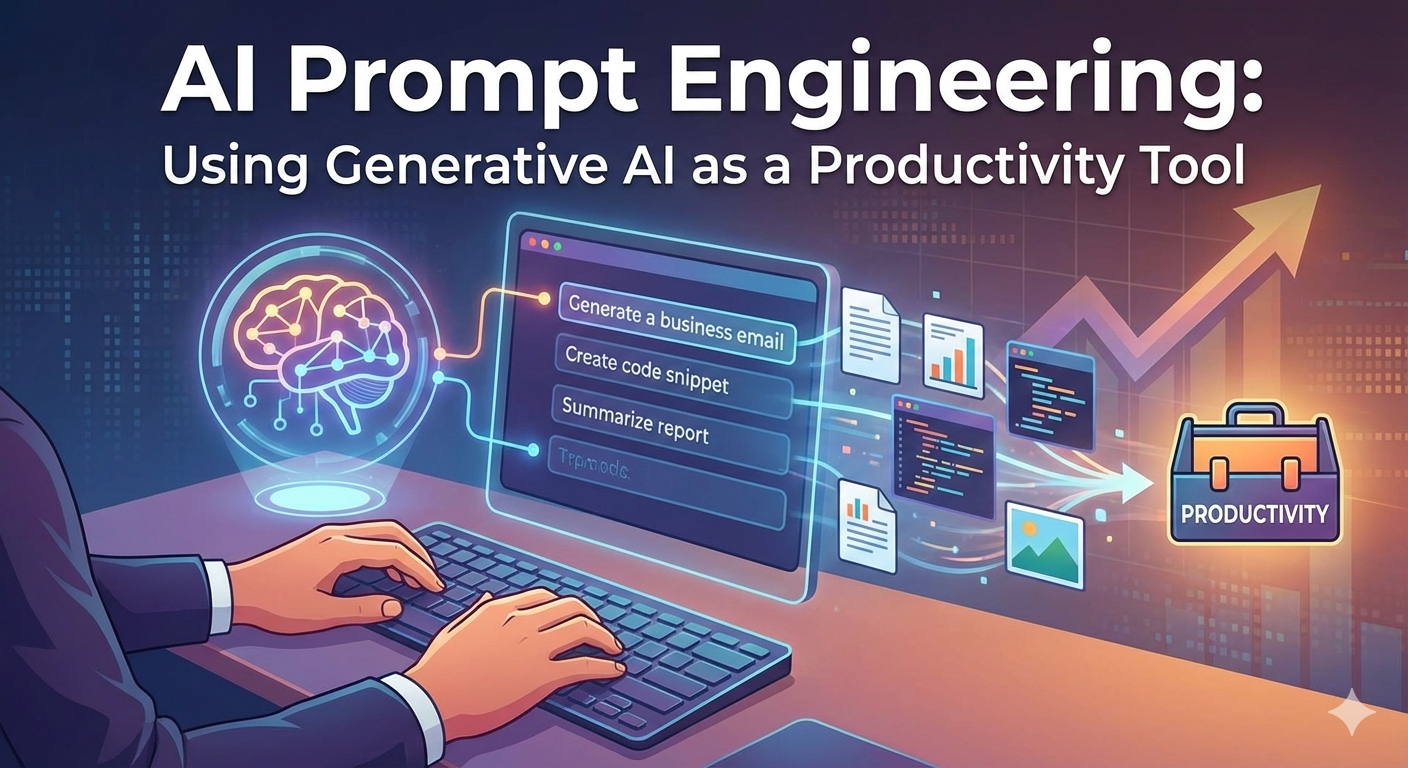
    AI prompt engineering is the skill of designing clear, specific, and well-structured instructions (prompts) to guide generative AI tools—such as ChatGPT, Gemini, or Copilot—to produce accurate, useful, and high-quality outputs.

    A prompt is simply the input you give to an AI system. The quality of the output depends heavily on:

    • Clarity of the prompt

    • Context provided

    • Level of detail

    • Tone and constraints

    In simple terms:
    Better prompts = better results.

    Why Prompt Engineering Matters in the Age of Generative AI

    Generative AI is capable of producing content at incredible speed, but it is not a mind reader. Without proper guidance, AI responses can be vague, generic, or misaligned with your goals.

    Prompt engineering helps users:

    • Save time

    • Reduce rework

    • Improve accuracy

    • Increase productivity

    • Use AI more strategically

    At cvDragon, we see prompt engineering as a core future skill, just like communication or problem-solving.

    Generative AI as a Productivity Tool

    When used correctly, generative AI can significantly enhance productivity across academic and professional tasks.

    Key Areas Where AI Improves Productivity

    • Content creation (blogs, emails, reports)

    • Resume and cover letter drafting

    • Idea generation and brainstorming

    • Research summarization

    • Learning new skills

    • Interview preparation

    • Task planning and time management

    However, the effectiveness of AI in all these areas depends on how well prompts are written.

    The Science Behind Effective Prompts

    AI models are trained on large datasets and respond based on patterns. Clear prompts help narrow down these patterns and guide the AI toward the desired outcome.

    Effective prompts usually include:

    1. Context – What is the situation?

    2. Role – Who should the AI act as?

    3. Task – What needs to be done?

    4. Constraints – Length, tone, format

    5. Audience – Who is this for?

    Example:
    Instead of saying “Write a resume”, a better prompt would be:

    “Act as a professional resume writer. Create an ATS-friendly resume for a final-year business student applying for a marketing internship. Use concise bullet points and highlight skills and projects.”

    How AI Prompt Engineering Boosts Productivity

    1. Saves Time on Repetitive Tasks

    Prompt engineering allows users to automate repetitive cognitive tasks such as:

    • Drafting emails

    • Summarizing articles

    • Formatting content

    This frees up time for high-value work like decision-making and creativity.

    2. Improves Quality of Output

    Clear prompts reduce ambiguity. With proper instructions, AI delivers:

    • More relevant responses

    • Better structure

    • Higher accuracy

    This minimizes the need for repeated edits.

    3. Enhances Learning and Skill Development

    Students can use AI prompts to:

    • Explain concepts in simple language

    • Create study plans

    • Generate practice questions

    • Simulate mock interviews

    AI becomes a personal tutor when prompted correctly.

    4. Supports Career Readiness

    At cvDragon, we encourage students to use AI responsibly for:

    • Resume improvement

    • LinkedIn summaries

    • Interview question practice

    • Career exploration

    Prompt engineering helps transform raw information into career-ready content.

    Types of Prompts for Maximum Productivity

    1. Instructional Prompts

    Used to complete a specific task.
    Example: “Summarize this article in 200 words for a college audience.”

    2. Role-Based Prompts

    Assign a role to the AI.
    Example: “Act as a career counselor and suggest job roles for a commerce graduate.”

    3. Step-by-Step Prompts

    Useful for complex tasks.
    Example: “Explain this concept step by step with examples.”

    4. Creative Prompts

    Used for brainstorming and ideation.
    Example: “Generate 10 blog ideas on productivity for students.”

    5. Refinement Prompts

    Improve existing content.
    Example: “Rewrite this paragraph in a more professional tone.”

    Best Practices for Writing Effective AI Prompts

    1. Be Specific

    Vague prompts lead to generic outputs.

    2. Provide Context

    Background information improves relevance.

    3. Set Clear Constraints

    Mention word count, format, or tone.

    4. Iterate and Improve

    Prompt engineering is a skill—refine prompts based on outputs.

    5. Combine Human Judgment with AI Output

    AI assists productivity, but final decisions should always involve human thinking.

    Responsible Use of Generative AI

    While AI is a powerful productivity tool, it must be used ethically and responsibly.

    Students and professionals should:

    • Avoid plagiarism

    • Verify facts

    • Use AI as support, not a shortcut

    • Maintain originality and critical thinking

    At cvDragon, we emphasize that AI should enhance human capability, not replace it.

    AI Prompt Engineering as a Future Skill

    As workplaces adopt AI tools, prompt engineering is emerging as a valuable professional skill.

    Employers increasingly value candidates who can:

    • Use AI efficiently

    • Ask the right questions

    • Improve workflows with technology

    • Adapt to digital tools

    Prompt engineering is quickly becoming a career advantage.

    How cvDragon Supports AI-Driven Productivity

    At cvDragon, we help individuals:

    • Translate skills into impactful resumes

    • Present AI-assisted projects ethically

    • Build future-ready career profiles

    • Understand how productivity tools align with employability

    We believe AI is not just a tool—it’s a skill amplifier when used correctly.

    Conclusion

    AI prompt engineering is more than a technical skill—it is a new form of communication between humans and machines. When used thoughtfully, generative AI becomes a powerful productivity partner that saves time, enhances learning, and supports career growth.

    At cvDragon, we encourage students and professionals to embrace AI not as a replacement for effort, but as a tool that amplifies clarity, focus, and impact. In the future of work, those who know how to work with AI—by asking the right questions—will lead the way.

  • The Science of Deep Work: How to Eliminate Distractions and Achieve Peak Focus

    The Science of Deep Work: How to Eliminate Distractions and Achieve Peak Focus

    In a world filled with constant notifications, social media alerts, emails, and multitasking, the ability to focus deeply has become a rare and valuable skill. Students and professionals often find themselves busy all day yet struggle to produce meaningful, high-quality work. This is where the concept of Deep Work becomes essential.

    At cvDragon, we work closely with students and job seekers striving to improve productivity, skill development, and career readiness. One of the most common challenges we observe is a lack of sustained focus. Understanding the science of deep work and learning how to eliminate distractions can significantly improve learning outcomes, work quality, and career growth.

    This article explores what deep work is, the science behind it, why it matters in today’s economy, and practical strategies to eliminate distractions and build deep focus.

    What Is Deep Work?

    Deep work refers to the ability to focus without distraction on cognitively demanding tasks. Coined and popularized by productivity expert Cal Newport, deep work enables individuals to produce work of high value in less time.

    In contrast, shallow work includes tasks that require little concentration, such as:

    • Checking emails

    • Scrolling through social media

    • Attending unproductive meetings

    • Multitasking between apps

    While shallow work may feel productive, it rarely leads to meaningful progress.

    The Science Behind Deep Work

    1. How Focus Works in the Brain

    The human brain is not designed for constant switching between tasks. Neuroscience shows that when we shift attention frequently, our brain experiences attention residue, which reduces efficiency and increases mental fatigue.

    Deep work activates the brain’s prefrontal cortex, responsible for:

    • Concentration

    • Decision-making

    • Complex problem-solving

    Sustained focus allows neural pathways to strengthen, making learning faster and more effective.

    2. The Role of Dopamine and Distractions

    Digital distractions trigger dopamine release, creating a cycle of instant gratification. Each notification pulls attention away from meaningful tasks, weakening our ability to concentrate for extended periods.

    Deep work helps retrain the brain to seek satisfaction from progress and mastery, rather than constant stimulation.

    3. Cognitive Load and Mental Energy

    The brain has limited mental energy. Deep work minimizes unnecessary cognitive load by reducing distractions, allowing energy to be directed toward high-impact tasks.

    Why Deep Work Matters for Students and Professionals

    In the future of work, focus will be a competitive advantage. Deep work helps individuals:

    • Learn complex skills faster

    • Produce higher-quality output

    • Improve academic performance

    • Enhance problem-solving abilities

    • Build career-relevant expertise

    At cvDragon, we often emphasize that the ability to learn deeply is just as important as the skills listed on a resume.

    Common Distractions That Prevent Deep Work

    Understanding distractions is the first step to eliminating them.

    1. Digital Distractions

    • Smartphones

    • Social media platforms

    • Instant messaging apps

    • Constant email notifications

    2. Environmental Distractions

    • Noisy surroundings

    • Cluttered workspaces

    • Frequent interruptions

    3. Internal Distractions

    • Stress and anxiety

    • Lack of clarity

    • Mental fatigue

    • Multitasking habits

    How to Eliminate Distractions and Practice Deep Work

    1. Create a Distraction-Free Environment

    Your environment strongly influences your ability to focus.

    Practical steps:

    • Keep your phone out of reach

    • Use website blockers

    • Declutter your workspace

    • Choose a quiet location

    A clean, organized space signals the brain that it’s time for deep focus.

    2. Schedule Deep Work Sessions

    Deep work doesn’t happen by accident—it must be planned.

    • Block specific time slots for focused work

    • Start with 60–90 minutes

    • Gradually increase duration

    • Protect this time like an appointment

    Consistency trains the brain to focus more easily.

    3. Work with Clear Goals

    Unclear objectives lead to mental wandering.

    Before starting, define:

    • What task you will work on

    • What “done” looks like

    • Why the task matters

    Clear goals reduce internal distractions and increase motivation.

    4. Practice Single-Tasking

    Multitasking reduces productivity and increases errors.

    Instead:

    • Focus on one task at a time

    • Complete it before moving to the next

    • Avoid switching contexts

    Single-tasking is a core principle of deep work.

    5. Use the Science of Time Blocking

    Time blocking helps structure focus periods and rest.

    Example:

    • 90 minutes deep work

    • 10–15 minutes break

    • Repeat

    Breaks allow the brain to recover, improving long-term focus.

    6. Train Your Attention Like a Muscle

    Focus improves with practice.

    Daily habits that strengthen attention:

    • Meditation or mindfulness

    • Reading without interruptions

    • Writing by hand

    • Limiting screen time

    These practices enhance cognitive control and mental clarity.

    7. Reduce Decision Fatigue

    Too many small decisions drain mental energy.

    Simplify by:

    • Planning tasks in advance

    • Using routines

    • Preparing work materials beforehand

    This frees mental resources for deep thinking.

    8. Learn to Be Comfortable with Boredom

    Constant stimulation weakens focus.

    Avoid immediately reaching for your phone during idle moments. Let your brain rest. Boredom improves creativity and deep thinking.

    Deep Work and Career Growth

    In today’s skill-driven job market, deep work enables individuals to:

    • Master complex skills faster

    • Produce standout projects

    • Improve learning efficiency

    • Build professional expertise

    At cvDragon, we help students present these skills effectively through resumes and profiles—but deep work is what builds those skills in the first place.

    Deep Work for Students: Academic Advantages

    Students who practice deep work:

    • Understand concepts more deeply

    • Improve memory retention

    • Reduce exam stress

    • Complete assignments efficiently

    Deep study sessions outperform long hours of distracted learning.

    Building a Deep Work Habit

    Deep work is not about perfection—it’s about consistency.

    Start small:

    • 30 minutes per day

    • Gradually increase duration

    • Track progress

    • Reflect weekly

    Over time, deep work becomes a natural habit.

    Conclusion

    The ability to focus deeply is becoming one of the most valuable skills in the modern world. By understanding the science of deep work and actively eliminating distractions, students and professionals can dramatically improve productivity, learning, and career outcomes.

    At cvDragon, we believe success starts with clarity, focus, and consistent effort. Deep work is not just a productivity technique—it is a powerful skill that shapes long-term growth. In a distracted world, the ability to focus deeply will set you apart.

  • Preparing Students for the Future of Work: A Skills-First Approach by cvDragon

    Preparing Students for the Future of Work: A Skills-First Approach by cvDragon

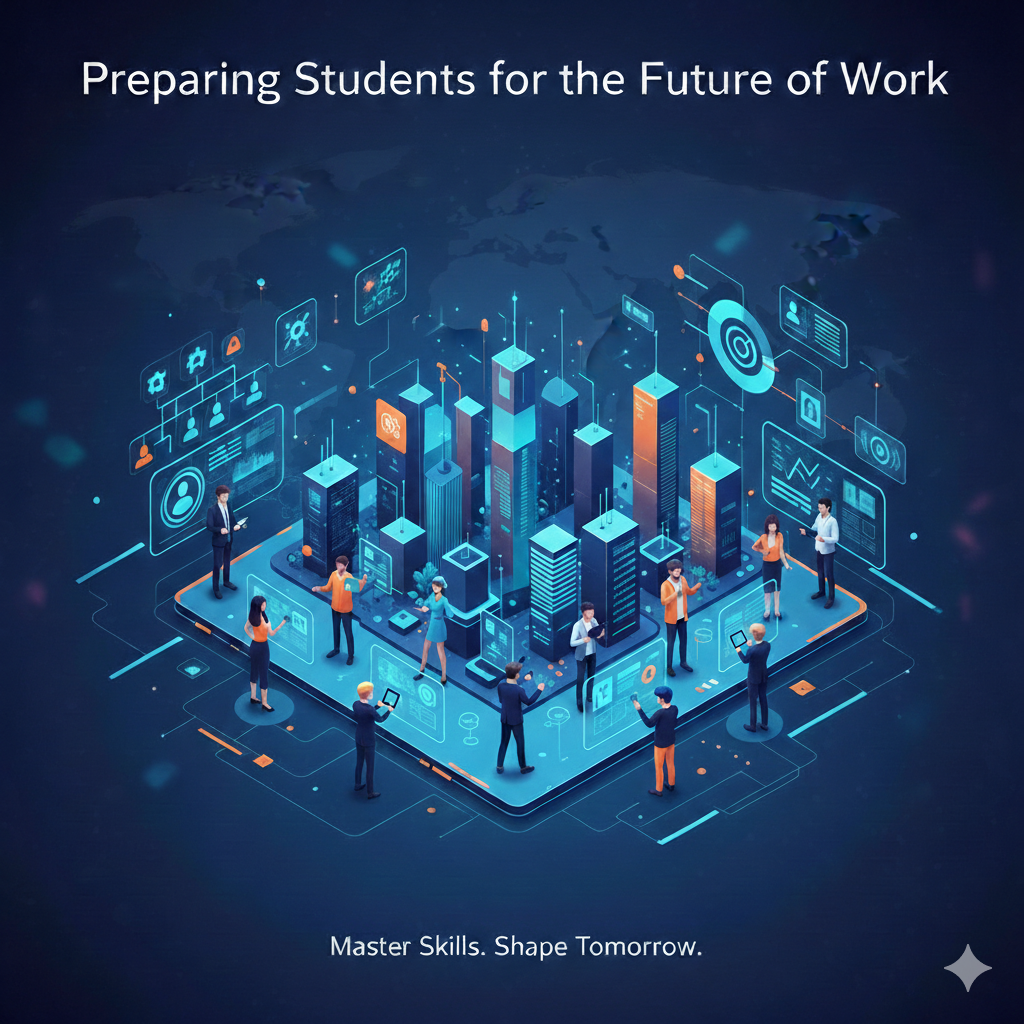
    The world of work is changing faster than ever before. Automation, artificial intelligence, remote working, and digital transformation are reshaping industries across the globe. Many of the jobs students will do in the future don’t even exist today. In this rapidly evolving landscape, traditional education alone is no longer enough. What students truly need is future-ready skills, adaptability, and confidence to navigate uncertainty.

    At cvDragon, where we work closely with students, freshers, and professionals to build strong, job-ready profiles, we clearly see one trend: employers are shifting from degree-focused hiring to skills-based hiring. Preparing students for the future of work is no longer optional—it is essential.

    This article explores what the future of work looks like, the key skills students need, and how educators, institutions, and platforms like cvDragon can help students become future-ready professionals.

    Understanding the Future of Work

    The future of work is defined by rapid technological advancement and changing workplace expectations. Some of the major trends shaping it include:

    • Automation and artificial intelligence replacing repetitive tasks

    • Increased demand for digital and technical skills

    • Growth of remote and hybrid work models

    • Emphasis on creativity, problem-solving, and emotional intelligence

    • Rise of freelancing, entrepreneurship, and gig-based careers

    • Continuous upskilling and lifelong learning

    In this environment, students must be prepared not just for their first job, but for multiple career transitions over their lifetime.

    Why Traditional Education Alone Is Not Enough

    While academic knowledge remains important, employers today are looking beyond marks and degrees. They want candidates who can:

    • Solve real-world problems

    • Communicate effectively

    • Work in teams

    • Adapt to change

    • Learn new skills quickly

    Many students struggle during job applications because they are unable to present their skills clearly on their resumes or lack practical exposure. This is where career-readiness platforms like cvDragon play a crucial role—helping students bridge the gap between education and employment.

    Key Skills Students Need for the Future of Work

    1. Digital and Technology Skills

    No matter the industry, digital literacy is now a basic requirement. Students must be comfortable with:

    • Using digital tools and platforms

    • Understanding data and basic analytics

    • Working with collaboration tools

    • Learning emerging technologies relevant to their field

    Digital skills make students more employable and adaptable in tech-driven workplaces.

    2. Critical Thinking and Problem-Solving

    The future workforce will value individuals who can analyze situations, think logically, and propose solutions. Instead of memorizing information, students must learn how to:

    • Ask the right questions

    • Evaluate information critically

    • Solve complex, real-world problems

    Problem-solving skills help students stand out in interviews and professional environments.

    3. Communication Skills

    Strong communication is one of the most in-demand skills across industries. Students must be able to:

    • Express ideas clearly

    • Write professionally

    • Present confidently

    • Communicate in digital and remote settings

    At cvDragon, we often help students articulate these skills effectively on their resumes, making them visible to recruiters.

    4. Adaptability and Learning Mindset

    In the future of work, change is constant. Students must develop a growth mindset—the belief that skills can be learned and improved. Adaptable students are more resilient and open to new opportunities.

    Employers prefer candidates who can learn quickly rather than those who rely only on existing knowledge.

    5. Emotional Intelligence and Resilience

    Emotional intelligence (EQ) helps students manage stress, work with diverse teams, and handle feedback. Emotional resilience allows them to bounce back from failures and setbacks—an essential trait in competitive environments.

    6. Collaboration and Teamwork

    Most future jobs require working with cross-functional and multicultural teams. Students should learn how to:

    • Collaborate respectfully

    • Resolve conflicts

    • Share responsibilities

    • Support collective goals

    Group projects, internships, and student clubs play a key role in developing these skills.

    7. Career Awareness and Self-Branding

    Many students struggle not because they lack skills, but because they don’t know how to present themselves professionally. Understanding career paths, industry expectations, and personal branding is essential.

    This includes:

    • Resume building

    • LinkedIn profiles

    • Portfolios and project showcases

    • Interview preparation

    This is where cvDragon supports students by transforming skills and experiences into impactful career documents.

    How Students Can Prepare for the Future of Work

    1. Focus on Skill Development Alongside Academics

    Students should actively build skills through:

    • Online courses

    • Workshops and certifications

    • Internships and live projects

    • Volunteering and freelancing

    Practical exposure strengthens both competence and confidence.

    2. Participate in Experiential Learning

    Hands-on learning such as:

    • Problem-based learning

    • Case studies

    • Hackathons

    • Research projects

    helps students apply knowledge in real-world contexts.

    3. Build a Strong Resume Early

    A resume is often the first impression for employers. Students should:

    • Highlight skills, not just degrees

    • Showcase projects and achievements

    • Use clear, professional formatting

    Platforms like cvDragon help students create ATS-friendly, industry-aligned resumes that improve job visibility.

    4. Develop Communication and Presentation Skills

    Students should practice:

    • Public speaking

    • Writing emails and reports

    • Participating in discussions

    • Presenting ideas confidently

    These skills are critical in interviews and workplace interactions.

    5. Learn to Use Career Tools and Platforms

    Career readiness includes understanding how hiring works today. Students should be familiar with:

    • Job portals

    • LinkedIn networking

    • Resume screening systems (ATS)

    • Professional portfolios

    cvDragon helps students navigate this ecosystem effectively.

    6. Seek Mentorship and Career Guidance

    Mentors help students:

    • Understand career options

    • Avoid common mistakes

    • Make informed decisions

    Guidance ensures students move forward with clarity and confidence.

    Role of Educational Institutions in Preparing Students

    Schools and colleges play a vital role in shaping future-ready students by:

    • Integrating skill-based learning into curricula

    • Encouraging internships and industry exposure

    • Promoting soft skills and career awareness

    • Supporting resume-building and interview training

    • Collaborating with career platforms like cvDragon

    Education must evolve from exam-focused learning to employability-focused development.

    How cvDragon Supports Future-Ready Students

    At cvDragon, our mission is to empower students and job seekers to present their true potential. We help them:

    • Build professional, ATS-optimized resumes

    • Identify and showcase transferable skills

    • Translate academic projects into employable experiences

    • Improve confidence through structured career documents

    By aligning student profiles with industry expectations, cvDragon helps bridge the gap between learning and earning.

    The Future Belongs to Prepared Students

    The future of work will reward those who are proactive, adaptable, and skilled—not just qualified. Students who invest early in skill development, career awareness, and professional presentation gain a significant advantage in the job market.

    Preparing students for the future of work is a shared responsibility—of students, educators, institutions, and career platforms. With the right guidance and tools, students can step into the future with confidence.

    Conclusion

    The future of work is uncertain, but preparation doesn’t have to be. By focusing on skills, adaptability, emotional intelligence, and career readiness, students can build strong foundations for long-term success.

    At cvDragon, we believe every student has potential. With the right preparation and the right presentation, that potential can turn into opportunity. The future belongs to those who are ready for it—and the time to prepare is now.

  • How Students Can Develop a Growth Mindset: Building the Foundation for Lifelong Learning

    How Students Can Develop a Growth Mindset: Building the Foundation for Lifelong Learning

    In today’s rapidly changing world, success is no longer determined by intelligence alone. The ability to learn, adapt, and improve continuously is what truly sets successful individuals apart. This ability is rooted in what psychologists call a growth mindset.

    For students, developing a growth mindset can transform how they approach learning, challenges, and failure. Instead of feeling limited by mistakes or setbacks, students with a growth mindset see them as opportunities to grow. This article explores what a growth mindset is, why it matters, and practical ways students can develop it.

    What Is a Growth Mindset?

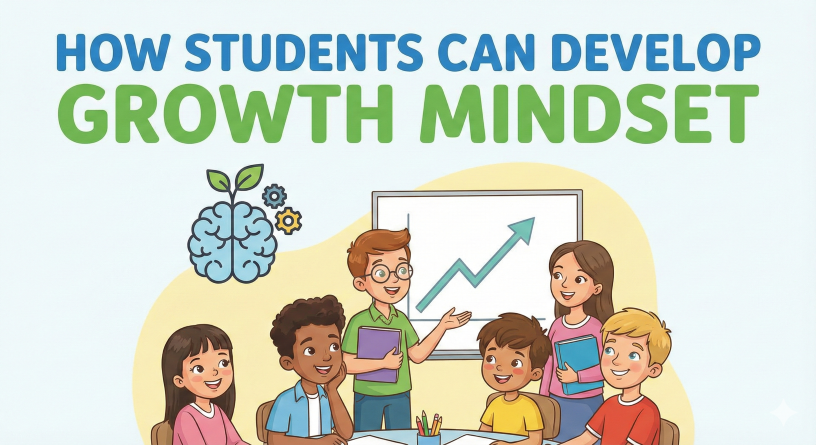
    A growth mindset is the belief that abilities, intelligence, and talents can be developed through effort, practice, and learning. This concept, introduced by psychologist Carol Dweck, contrasts with a fixed mindset, where individuals believe their abilities are static and cannot change.

    Growth Mindset Beliefs Include:

    • “I can improve with practice.”

    • “Challenges help me grow.”

    • “Mistakes are part of learning.”

    • “Effort leads to progress.”

    Why a Growth Mindset Is Important for Students

    1. Encourages Love for Learning

    Students with a growth mindset are more curious and motivated to learn because they focus on improvement rather than perfection.

    2. Builds Resilience

    When students believe they can improve, they are less likely to give up when faced with difficulties.

    3. Reduces Fear of Failure

    Failure becomes a learning experience instead of a reflection of self-worth.

    4. Improves Academic Performance

    Growth mindset students put in consistent effort, seek feedback, and refine their strategies—leading to better outcomes.

    5. Supports Emotional Well-Being

    By focusing on progress instead of comparison, students experience less stress and anxiety.

    How Students Can Develop a Growth Mindset

    1. Change the Way You Talk to Yourself

    Inner dialogue matters. Replace negative thoughts like:

    • “I’m not good at this”
      with

    • “I’m not good at this yet.”

    Adding “yet” encourages persistence and optimism.

    2. Embrace Challenges

    Instead of avoiding difficult tasks, students should:

    • Take them as opportunities

    • Break them into smaller steps

    • Focus on learning rather than results

    Challenges help strengthen skills and confidence.

    3. Learn from Mistakes

    Mistakes are powerful teachers. Students can develop a growth mindset by:

    • Analyzing what went wrong

    • Adjusting their approach

    • Trying again with new strategies

    Failure is feedback, not defeat.

    4. Focus on Effort, Not Just Results

    Praising effort rather than intelligence reinforces the idea that hard work leads to improvement.

    For example:

    • “You worked really hard on this”
      instead of

    • “You’re so smart.”

    5. Set Learning Goals Instead of Performance Goals

    Learning goals focus on improvement and skill-building, while performance goals focus only on grades or rankings.

    Example:

    • Learning goal: “Understand algebra concepts clearly.”

    • Performance goal: “Score highest in the class.”

    Learning goals encourage long-term growth.

    6. Seek Feedback and Use It Positively

    Feedback helps students identify strengths and areas for improvement. Students should:

    • Welcome constructive feedback

    • Apply suggestions

    • Track progress over time

    Feedback is a tool for growth.

    7. Practice Persistence and Patience

    Growth takes time. Students should understand that:

    • Mastery doesn’t happen instantly

    • Consistency matters more than speed

    • Small improvements add up

    Patience builds resilience and confidence.

    8. Learn from Role Models

    Students can develop a growth mindset by learning about people who succeeded through perseverance, such as:

    • Scientists

    • Athletes

    • Entrepreneurs

    • Artists

    These stories show that success is built through effort and persistence.

    9. Reflect on Progress Regularly

    Reflection helps students see how far they’ve come. Journaling or self-reflection encourages awareness of growth and improvement.

    10. Surround Yourself with Positive Influences

    Peers, teachers, and mentors play a major role in shaping mindset. Students should:

    • Engage with supportive people

    • Avoid negative comparisons

    • Encourage others’ growth

    Positive environments nurture growth.

    Role of Teachers and Parents in Developing a Growth Mindset

    Teachers and parents can support growth mindset development by:

    • Encouraging effort and curiosity

    • Normalizing mistakes

    • Offering constructive feedback

    • Modeling growth-oriented thinking

    • Celebrating improvement, not just success

    A supportive environment reinforces positive beliefs.

    Long-Term Benefits of a Growth Mindset

    Students with a growth mindset:

    • Become lifelong learners

    • Adapt to change easily

    • Develop resilience

    • Perform better academically

    • Succeed in careers and personal life

    Growth mindset shapes character and confidence beyond academics.

    Conclusion

    Developing a growth mindset is one of the most valuable gifts students can give themselves. It teaches them to embrace challenges, learn from mistakes, and believe in their ability to grow. With consistent practice, positive self-talk, and supportive environments, students can transform the way they learn and succeed.

    A growth mindset doesn’t guarantee instant success—but it guarantees progress, resilience, and lifelong learning.

  • Building Leadership Through Student Clubs

    Building Leadership Through Student Clubs

    Leadership is not developed overnight, nor is it learned only in classrooms. It grows through experience, responsibility, collaboration, and real-world decision-making. One of the most effective environments for nurturing leadership skills in students is student clubs.

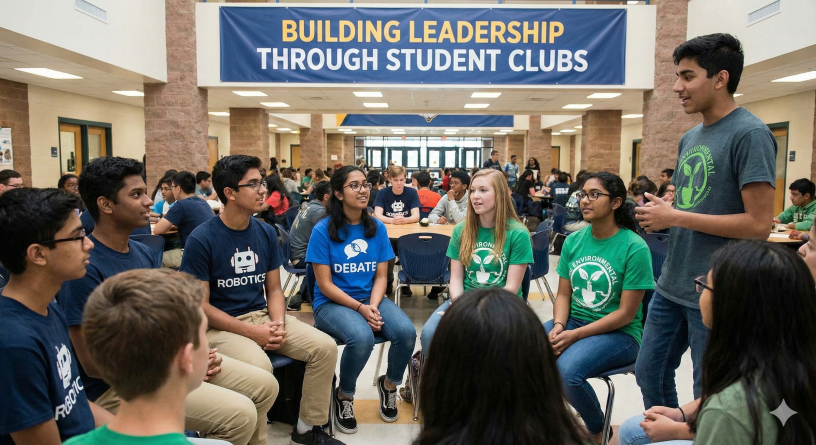
    Student clubs offer a safe and dynamic space where students take initiative, manage teams, solve problems, and express ideas. Whether it is an academic club, cultural society, sports team, or community service group, involvement in student clubs plays a powerful role in shaping confident, responsible, and capable leaders.

    What Are Student Clubs?

    Student clubs are organized groups formed around shared interests, goals, or activities. These clubs may focus on:

    • Academics and subject interests

    • Arts and culture

    • Sports and fitness

    • Social service and volunteering

    • Entrepreneurship and innovation

    • Public speaking and debates

    • Technology and coding

    Each club provides students with opportunities to explore interests beyond textbooks while developing essential life skills.

    Why Student Clubs Are Important for Leadership Development

    1. Encourages Initiative and Responsibility

    Student clubs require members to take ownership of tasks such as planning events, managing schedules, and coordinating activities. These responsibilities help students:

    • Develop initiative

    • Learn accountability

    • Understand the impact of their decisions

    Taking charge of tasks builds leadership confidence.

    2. Builds Communication and Interpersonal Skills

    Leadership depends heavily on communication. Through club activities, students learn how to:

    • Express ideas clearly

    • Listen actively

    • Resolve conflicts

    • Work with diverse personalities

    These skills are essential for effective leadership in any field.

    3. Develops Teamwork and Collaboration

    Clubs function as teams. Students learn how to:

    • Collaborate toward common goals

    • Support teammates

    • Delegate responsibilities

    • Respect different perspectives

    Good leaders understand how to bring people together.

    4. Provides Real-World Leadership Experience

    Student clubs simulate real-life leadership situations such as:

    • Managing people

    • Handling deadlines

    • Solving unexpected challenges

    • Making decisions under pressure

    This hands-on experience prepares students for future professional roles.

    5. Encourages Decision-Making Skills

    Leaders must make informed decisions. Clubs require students to:

    • Evaluate options

    • Anticipate outcomes

    • Take responsibility for results

    This builds confidence in independent thinking and judgment.

    6. Enhances Emotional Intelligence

    Leadership is not just about authority—it’s about understanding people. Student clubs help students:

    • Develop empathy

    • Manage emotions

    • Handle disagreements maturely

    • Support team members

    These traits make leaders more effective and respected.

    7. Builds Confidence and Self-Esteem

    When students lead projects successfully, their self-belief grows. Public speaking, event coordination, and team leadership boost confidence and encourage personal growth.

    Leadership Roles in Student Clubs

    Student clubs offer various leadership positions such as:

    • Club president or chairperson

    • Vice president

    • Secretary

    • Treasurer

    • Event coordinator

    • Team leader

    Each role teaches different leadership aspects—from financial management to communication and strategic planning.

    Skills Students Develop Through Club Leadership

    Participation in student clubs helps students develop:

    • Leadership and management skills

    • Communication and presentation skills

    • Time management

    • Conflict resolution

    • Strategic planning

    • Problem-solving

    • Responsibility and accountability

    These skills are highly valued by colleges and employers alike.

    How Student Clubs Prepare Students for Future Careers

    Employers look for candidates who can demonstrate leadership experience. Student club involvement helps students:

    • Build strong resumes

    • Gain real-world experience

    • Showcase teamwork and leadership abilities

    • Stand out in interviews

    Leadership in clubs reflects initiative, dedication, and the ability to work with others.

    Role of Schools and Colleges in Supporting Student Clubs

    Educational institutions play a vital role by:

    • Encouraging club participation

    • Providing resources and mentorship

    • Allowing students autonomy

    • Recognizing leadership efforts

    • Creating inclusive environments

    Supportive institutions help students grow into responsible leaders.

    Tips for Students to Build Leadership Through Clubs

    ✔ Join clubs that match your interests

    ✔ Volunteer for responsibilities

    ✔ Communicate openly with team members

    ✔ Be proactive and reliable

    ✔ Learn from challenges and mistakes

    ✔ Encourage and support others

    Leadership is developed through participation, not perfection.

    Conclusion

    Student clubs are powerful platforms for leadership development. They allow students to learn by doing—building confidence, communication skills, emotional intelligence, and decision-making abilities. Through collaboration and responsibility, students discover their leadership potential and prepare for future success.

    By actively participating in student clubs, students don’t just gain experiences—they develop into confident leaders ready to make a positive impact in the world.

  • How to Develop Goal-Setting Skills in Students

    How to Develop Goal-Setting Skills in Students

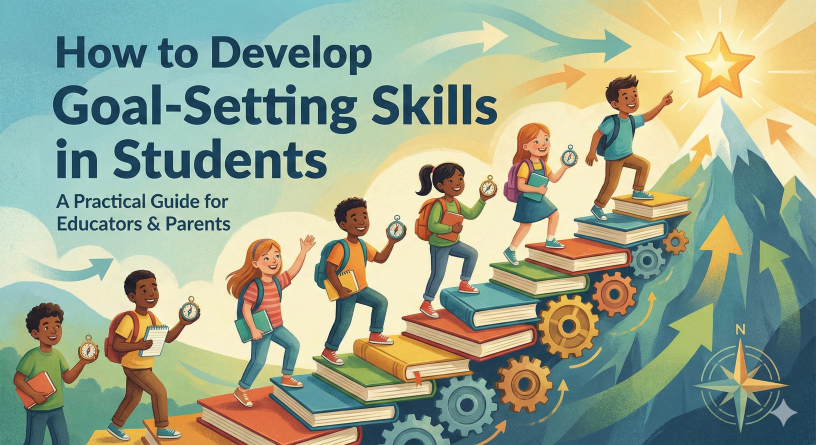
    Goal-setting is one of the most powerful skills students can develop at an early age. It provides direction, builds motivation, and helps students transform dreams into achievable outcomes. In a world full of distractions and constant change, students who know how to set clear, realistic goals are better prepared to succeed academically, professionally, and personally.

    Developing goal-setting skills is not about pressuring students to achieve more—it’s about teaching them how to plan, focus, and take responsibility for their growth. This article explores why goal-setting matters and practical ways educators, parents, and students themselves can build strong goal-setting habits.

    What Is Goal-Setting?

    Goal-setting is the process of identifying what one wants to achieve and creating a plan to reach it. Effective goals are:

    • Clear and specific

    • Measurable

    • Realistic

    • Time-bound

    • Aligned with personal values

    For students, goals may relate to academics, personal development, extracurricular activities, or future careers.

    Why Goal-Setting Skills Are Important for Students

    1. Provides Direction and Purpose

    Goals give students a clear sense of direction. When students know what they are working toward, their efforts become more focused and meaningful.

    2. Improves Motivation and Confidence

    Achieving small goals boosts confidence and encourages students to take on bigger challenges. Goal-setting creates a sense of progress and achievement.

    3. Enhances Time Management and Discipline

    Students with clear goals learn to prioritize tasks, manage time effectively, and avoid procrastination.

    4. Builds Responsibility and Accountability

    Goal-setting teaches students to take ownership of their actions and outcomes. They learn that effort and consistency lead to results.

    5. Prepares Students for Future Careers

    In professional life, individuals are expected to set targets, track progress, and meet deadlines. Learning goal-setting early prepares students for workplace expectations.

    How to Develop Goal-Setting Skills in Students

    1. Teach Students the Importance of Goals

    Students should understand why goals matter. Educators and parents can use real-life examples to show how goals help people succeed in academics, careers, sports, and personal life.

    2. Encourage Self-Reflection

    Before setting goals, students should reflect on:

    • Their strengths and weaknesses

    • Interests and passions

    • Areas that need improvement

    Self-awareness helps students set meaningful and achievable goals.

    3. Introduce the SMART Goal Framework

    One of the most effective methods for goal-setting is the SMART approach:

    • Specific – Clearly defined

    • Measurable – Progress can be tracked

    • Achievable – Realistic and attainable

    • Relevant – Aligned with personal needs

    • Time-bound – Has a deadline

    For example, instead of “I want to do better in math,” a SMART goal would be, “I will score at least 80% in my next math test by studying for 30 minutes daily.”

    4. Break Big Goals into Smaller Steps

    Large goals can feel overwhelming. Breaking them into smaller tasks makes them manageable and less intimidating. Each small achievement keeps students motivated.

    5. Encourage Written Goals

    Writing goals down increases commitment and clarity. Students can maintain:

    • Goal journals

    • Study planners

    • Vision boards

    • Digital trackers

    Written goals serve as daily reminders of what they aim to achieve.

    6. Help Students Create Action Plans

    A goal without a plan remains a wish. Students should learn to:

    • Identify steps required

    • Allocate time

    • Gather resources

    • Set milestones

    Action plans make goals practical and achievable.

    7. Monitor Progress Regularly

    Regular check-ins help students evaluate progress and stay on track. Teachers and parents can encourage weekly or monthly reviews to identify challenges and improvements.

    8. Teach Students to Handle Setbacks Positively

    Not all goals are achieved on the first attempt. Students should learn that setbacks are learning opportunities, not failures. Reflection and adjustment are part of the growth process.

    9. Celebrate Achievements

    Acknowledging progress—no matter how small—builds confidence and motivation. Celebrations reinforce positive behavior and encourage consistency.

    10. Encourage Long-Term and Short-Term Goals

    Students should balance:

    • Short-term goals (daily or weekly tasks)

    • Long-term goals (academic success, career aspirations)

    This teaches planning and patience.

    11. Use Real-Life Examples and Role Models

    Sharing success stories of athletes, leaders, scientists, and entrepreneurs helps students understand how goal-setting leads to achievement.

    12. Promote a Growth Mindset

    Students should be encouraged to believe that abilities can improve through effort and practice. A growth mindset supports resilience and persistence in goal achievement.

    Role of Teachers and Parents in Developing Goal-Setting Skills

    Teachers and parents play a crucial role by:

    • Providing guidance without pressure

    • Offering constructive feedback

    • Encouraging independence

    • Setting positive examples

    • Creating a supportive environment

    When students feel supported, they are more likely to set ambitious yet realistic goals.

    Conclusion

    Goal-setting is a life skill that empowers students to take control of their future. By learning how to set realistic goals, create action plans, track progress, and reflect on outcomes, students develop discipline, confidence, and self-motivation.

    With consistent practice and guidance, goal-setting becomes a habit that leads to academic success, personal growth, and long-term fulfillment. Teaching students how to set goals today is an investment in their success tomorrow.

  • Importance of Emotional Resilience in Students

    Importance of Emotional Resilience in Students

    In today’s fast-changing and highly competitive world, students face numerous academic, social, and personal pressures. From exams and deadlines to peer relationships and future career concerns, these challenges can feel overwhelming. While academic knowledge is important, what truly helps students cope, adapt, and succeed is emotional resilience.

    Emotional resilience enables students to handle stress, recover from setbacks, and remain positive even during difficult times. It equips them with the inner strength needed not only for academic success but also for long-term personal and professional growth.

    What Is Emotional Resilience?

    Emotional resilience is the ability to adapt to stress, manage emotions, and bounce back from adversity. Resilient students are not free from challenges; instead, they are better prepared to face them with confidence, patience, and self-awareness.

    Key characteristics of emotionally resilient students include:

    • Emotional awareness

    • Positive thinking

    • Self-control

    • Flexibility

    • Perseverance

    • Healthy coping strategies

    Why Emotional Resilience Is Important for Students

    1. Helps Students Manage Academic Stress

    Exams, assignments, and performance expectations often create pressure. Emotional resilience allows students to:

    • Stay calm under stress

    • Focus on preparation rather than fear

    • View challenges as learning opportunities

    Resilient students handle pressure more effectively and perform better academically.

    2. Encourages a Positive Response to Failure

    Failure is a natural part of learning, but many students fear it. Emotional resilience teaches students to:

    • Learn from mistakes

    • Avoid negative self-talk

    • Stay motivated after setbacks

    This mindset helps students grow stronger rather than discouraged.

    3. Supports Mental Health and Well-Being

    Emotionally resilient students are better equipped to:

    • Manage anxiety and frustration

    • Maintain emotional balance

    • Reduce the risk of burnout

    Strong resilience contributes to healthier mental and emotional well-being.

    4. Improves Emotional Intelligence

    Resilience is closely linked to emotional intelligence. It helps students:

    • Understand their emotions

    • Regulate emotional reactions

    • Empathize with others

    These skills strengthen relationships and improve communication.

    5. Builds Confidence and Self-Belief

    When students overcome challenges, their confidence grows. Emotional resilience reinforces the belief that they can handle difficulties, leading to increased self-esteem and independence.

    6. Enhances Problem-Solving Skills

    Resilient students approach problems with clarity and patience. Instead of panicking, they:

    • Analyze situations calmly

    • Consider multiple solutions

    • Take constructive action

    This skill benefits both academics and real-life decision-making.

    7. Encourages Healthy Social Relationships

    Emotional resilience helps students:

    • Handle peer pressure

    • Resolve conflicts maturely

    • Communicate effectively

    Resilient students build stronger and healthier relationships with peers and teachers.

    8. Prepares Students for Future Challenges

    Life beyond school comes with uncertainties. Emotional resilience prepares students to:

    • Adapt to change

    • Handle workplace stress

    • Accept constructive criticism

    • Navigate personal and professional challenges

    Resilience becomes a lifelong strength.

    How Emotional Resilience Develops in Students

    Emotional resilience is not innate—it is developed over time through experiences, guidance, and practice. Some key contributors include:

    • Supportive family and school environments

    • Positive role models

    • Opportunities to face challenges

    • Emotional awareness and reflection

    • Encouragement and constructive feedback

    Ways to Build Emotional Resilience in Students

    1. Encourage Emotional Awareness

    Students should be taught to identify and express their emotions openly and healthily.

    2. Promote a Growth Mindset

    Teaching students that abilities can improve through effort helps them face challenges positively.

    3. Teach Stress-Management Techniques

    Practices such as deep breathing, mindfulness, journaling, and physical activity help regulate emotions.

    4. Foster Strong Support Systems

    Support from teachers, peers, and parents builds emotional security and confidence.

    5. Encourage Problem-Solving

    Helping students think through challenges rather than avoiding them builds resilience.

    6. Model Resilient Behavior

    Adults who demonstrate calmness, adaptability, and perseverance influence students positively.

    Role of Schools and Educators

    Schools play a vital role in nurturing emotional resilience by:

    • Creating emotionally safe learning environments

    • Encouraging open communication

    • Integrating life skills into the curriculum

    • Offering counseling and mentoring support

    • Recognizing effort, not just results

    Conclusion

    Emotional resilience is a cornerstone of student development. It helps students manage stress, overcome challenges, and maintain emotional well-being in the face of adversity. By building emotional resilience early, students gain the strength and confidence needed to succeed academically and navigate life’s challenges with grace.

    In a world where change is constant, emotionally resilient students are better prepared not just to survive—but to thrive.

  • The Role of Critical Reading in Student Development

    The Role of Critical Reading in Student Development

    In an age overflowing with information, critical reading has become one of the most essential skills for student growth. Whether students are analyzing academic texts, engaging with digital content, or evaluating real-world information, the ability to read critically empowers them to think deeper, learn smarter, and make informed decisions.

    Critical reading goes beyond simply understanding words on a page. It involves questioning ideas, examining evidence, identifying viewpoints, and evaluating the credibility of information. As a result, it plays a transformative role in academic success, personal development, and future career readiness.

    In this article, we explore why critical reading matters and how it contributes to overall student development.

    What Is Critical Reading?

    Critical reading is the process of engaging actively with a text. It involves:

    • Analyzing content rather than accepting it at face value

    • Identifying the author’s purpose, tone, and biases

    • Evaluating the quality of evidence

    • Connecting ideas with prior knowledge

    • Reflecting on what the text means and how it applies to real life

    Unlike passive reading, which focuses only on comprehension, critical reading demands curiosity, questioning, and thoughtful judgment.

    Why Critical Reading Matters in Student Development

    1. Enhances Analytical and Logical Thinking

    Critical reading helps students break down complex information into manageable pieces. By examining arguments, identifying assumptions, and assessing evidence, students strengthen their ability to think logically.

    This analytical mindset benefits them in subjects like science, mathematics, and humanities, where reasoning and interpretation are key.

    2. Improves Academic Performance

    Many academic tasks—research papers, essays, debates, and exams—require strong reading and interpretation skills. Students who practice critical reading are better at:

    • Understanding complex texts

    • Distinguishing facts from opinions

    • Synthesizing information

    • Answering application-based questions

    This leads to higher comprehension, better grades, and more confident academic performance.

    3. Boosts Communication and Writing Skills

    Good writing begins with good reading. Critical readers learn how authors structure arguments, present evidence, and use language effectively. This helps students:

    • Build coherent arguments

    • Use stronger vocabulary

    • Improve grammar and sentence structure

    • Write persuasively and creatively

    Strong communication skills are essential for academic success as well as future professions.

    4. Encourages Independent Thinking

    Critical reading fosters independence by helping students form their own opinions rather than relying on others’ viewpoints. They learn to:

    • Evaluate information critically

    • Identify misleading or biased content

    • Make informed choices

    This independence is crucial in a digital world filled with advertisements, misinformation, and biased media.

    5. Strengthens Problem-Solving Ability

    When students examine arguments and evidence, they become better problem-solvers. Critical reading teaches them to:

    • Recognize challenges

    • Explore causes and effects

    • Consider multiple perspectives

    • Find logical solutions

    These skills are essential in both academic work and real-life decision-making.

    6. Develops Emotional Intelligence and Empathy

    Reading critically also involves understanding perspectives and emotions found in stories, essays, and narratives. Students learn to:

    • Interpret characters’ motivations

    • Recognize emotional undertones

    • Understand diverse viewpoints

    This builds empathy and emotional intelligence, which improves relationships and teamwork skills.

    7. Prepares Students for Real-World Challenges

    In the workplace, employees must analyze data, read reports, evaluate proposals, and make evidence-based decisions. Critical reading prepares students for such responsibilities by strengthening their ability to:

    • Assess the credibility of information

    • Interpret instructions accurately

    • Collaborate intelligently

    • Think from multiple perspectives

    Professionals who read critically are better leaders, problem-solvers, and decision-makers.

    How Students Can Develop Critical Reading Skills

    1. Ask Questions While Reading

    Encourage students to question everything:

    • What is the main idea?

    • What evidence supports this?

    • Is there bias?

    • What is the purpose of the text?

    Asking questions turns reading into an active process.

    2. Annotate and Highlight Key Information

    Noting down ideas, marking important lines, and summarizing paragraphs helps students understand texts more deeply.

    3. Compare Multiple Sources

    Students should look at different viewpoints to gain a balanced understanding. This promotes open-mindedness and deeper analysis.

    4. Practice Reflective Thinking

    After reading, students should reflect on:

    • What they learned

    • What they agree or disagree with

    • How the information applies to real life

    Reflection strengthens long-term learning.

    5. Participate in Discussions

    Debating or discussing the text with peers improves comprehension and exposes students to diverse perspectives.

    6. Read a Variety of Materials

    From academic texts to newspapers, novels, research papers, and blogs—diverse reading material sharpens comprehension and analytical abilities.

    Conclusion

    Critical reading is not just an academic skill—it’s a life skill that shapes how students think, learn, and interact with the world. By fostering analytical thinking, improving writing and communication, building independence, and preparing students for real-world challenges, critical reading plays a vital role in student development.

    When students adopt critical reading habits, they become more informed, thoughtful, and confident individuals—ready to succeed academically and thrive in their future careers.

  • How to Build Collaboration Skills in Group Projects: A Complete Guide for Students

    How to Build Collaboration Skills in Group Projects: A Complete Guide for Students

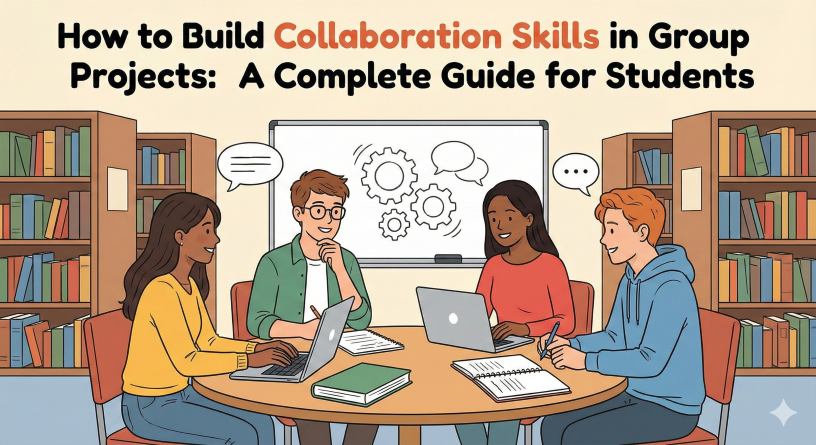
    Collaboration is no longer just a “nice-to-have” skill—it’s a must-have for academic success, workplace readiness, and personal growth. Whether students are working on a class assignment, a college project, or participating in competitions, their ability to collaborate effectively has a major influence on both performance and overall learning experience.

    In today’s world, employers actively look for individuals who can work well in teams, communicate clearly, and contribute meaningfully. But collaboration doesn’t always come naturally—many students struggle with group dynamics, scheduling, division of work, and managing differing opinions.

    The good news? Collaboration is a skill that can be developed with the right mindset and strategies. This guide explores practical ways students can build strong collaboration skills and succeed in group projects.

    Why Is Collaboration Important for Students?

    Before diving into the “how,” it’s important to understand the “why.” Collaboration helps students:

    • Build interpersonal and communication skills

    • Respect diverse viewpoints

    • Develop leadership and problem-solving abilities

    • Learn accountability and responsibility

    • Prepare for teamwork in real-world workplaces

    Working together also helps students produce richer, more creative outcomes—ideas improve when they are exchanged, debated, and refined in a group.

    Top Strategies to Build Collaboration Skills in Group Projects

    1. Establish Clear Goals and Roles Early

    One of the top reasons group projects fail is unclear expectations.

    At the start of any group task:

    • Define project goals

    • Set deadlines

    • Assign roles based on strengths

    For example:

    • A creative student may handle presentation design.

    • A detail-oriented student may manage research or editing.

    • A confident communicator may deliver the final presentation.

    Clear roles prevent duplication of work and reduce conflict, while helping each member shine through their strengths.

    2. Practice Open and Respectful Communication

    Good communication is the backbone of successful teamwork.

    To improve communication in group projects:

    • Encourage everyone to speak up

    • Listen without interrupting

    • Avoid making assumptions

    • Ask open-ended questions

    • Share feedback constructively

    Students can use statements like:

    • “I feel we should consider another approach.”

    • “Can you explain your idea more?”

    • “Let’s brainstorm before finalizing.”

    Respectful dialogue builds trust—and trust builds stronger teams.

    3. Use Collaboration Tools Effectively

    Today’s digital tools make teamwork easier and more organized. Students can use:

    • Google Docs/Sheets – Real-time editing

    • Trello / Notion – Managing deadlines and tasks

    • Slack / Discord – Communication channels

    • Zoom / Google Meet – Virtual meetings

    These tools help streamline discussions, divide responsibilities, and maintain transparency throughout the project.

    4. Encourage Active Participation from Every Member

    Group projects often end up with one or two students doing most of the work. To build true collaboration:

    • Rotate roles so everyone contributes equally

    • Ask quieter members for their input

    • Appreciate and acknowledge contributions

    • Set participation expectations early

    A collaborative team values every voice, ensuring everyone feels included and responsible for the outcome.

    5. Develop Problem-Solving and Conflict-Resolution Skills

    Disagreements are inevitable—but they don’t have to be negative.

    To handle conflicts constructively:

    • Address issues early

    • Stay focused on the project, not personal differences

    • Use calm and neutral language

    • Brainstorm solutions together

    • Keep communication transparent

    Learning how to solve problems as a group strengthens collaboration and prepares students for real-life professional situations.

    6. Plan Regular Check-Ins and Progress Updates

    Consistency keeps projects on track. Teams can schedule:

    • Weekly meetings

    • Mid-week check-ins

    • Short update messages

    • Quick progress reports

    Regular check-ins help identify issues early and allow the group to adjust roles or timelines when needed.

    7. Develop Accountability and Ownership

    Strong collaboration is built when every member takes responsibility.

    Students can improve accountability by:

    • Completing tasks on time

    • Being honest about challenges

    • Keeping the team updated

    • Asking for help when needed

    • Reviewing their own work before submission

    When students own their responsibilities, the whole group performs better.

    8. Practice Empathy and Emotional Intelligence

    Understanding others’ emotions and perspectives is essential for team harmony. Students can practice empathy by:

    • Being patient with slower learners

    • Recognizing when someone feels overwhelmed

    • Offering help or encouragement

    • Valuing diverse perspectives

    A supportive environment leads to better creativity and stronger relationships.

    9. Reflect on the Collaboration Process

    Once the project is completed, teams should reflect on:

    • What worked well

    • What challenges they faced

    • How they handled conflicts

    • What they could improve next time

    Reflection helps build self-awareness and prepares students for future teamwork experiences with more confidence.

    10. Seek Feedback and Learn from It

    Finally, collaboration improves when students are open to feedback. They can ask:

    • Teammates

    • Teachers

    • Mentors

    Feedback helps students see their strengths and identify areas where they can improve. When students apply this feedback, their collaboration skills become stronger and more effective with time.

    Final Thoughts

    Building collaboration skills is not just about completing a group project—it’s about preparing for a future where teamwork is essential. From classrooms to careers, the ability to work effectively with others is a fundamental skill that sets students apart.

    By practicing clear communication, using digital tools, assigning roles strategically, and embracing empathy, students can turn group projects into powerful learning experiences.

    Collaboration is a journey. The more students engage in team activities, the stronger and more confident they become—both academically and professionally.