Category: Articles

  • Civic Responsibility: Understanding voting and local governance

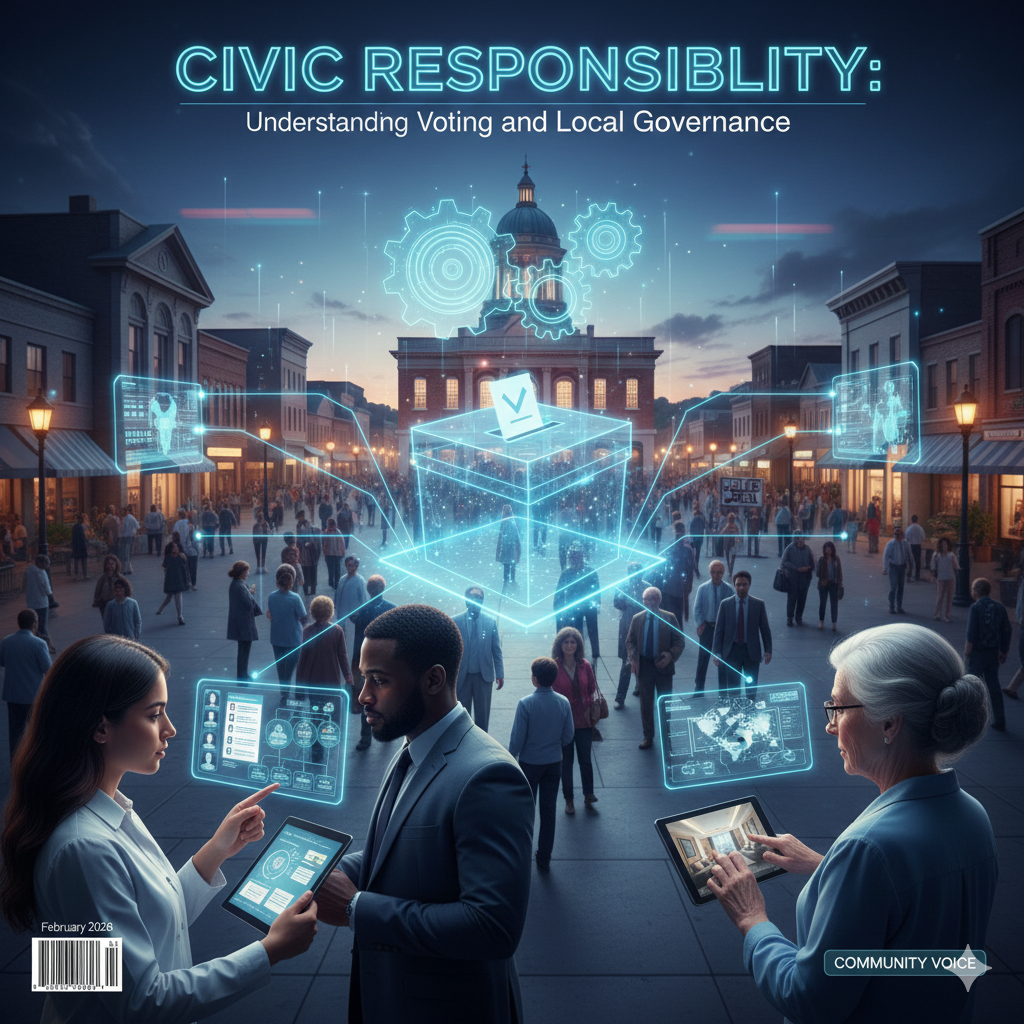
    Civic Responsibility: Understanding voting and local governance

    Democracy does not begin or end on election day—it lives in the everyday choices citizens make. Among the most important of these choices is civic participation: understanding how government works, staying informed, and using one’s voice responsibly. Yet for many students and young professionals, civic responsibility feels distant, confusing, or irrelevant to personal career goals.

    At cvDragon, we believe civic awareness is not just about politics—it is about becoming an informed, ethical, and engaged member of society. Understanding voting systems and local governance empowers individuals to influence decisions that directly affect education, employment, infrastructure, and community well-being.

    This article explains civic responsibility in simple terms, highlights the importance of voting and local governance, and shows why civic awareness is a vital life and leadership skill.

    What Is Civic Responsibility?

    Civic responsibility refers to the duties and actions individuals take to support and improve their community and democratic system. It goes beyond legal obligations and includes ethical participation in public life.

    Key aspects of civic responsibility include:

    • Voting in elections

    • Staying informed about public issues

    • Respecting laws and institutions

    • Engaging in community initiatives

    • Holding leaders accountable

    Civic responsibility ensures that democracy functions not just in theory, but in practice.

    Why Civic Responsibility Matters Today

    In a rapidly changing world, decisions made by governments impact:

    • Education systems

    • Job markets and economic growth

    • Public safety and infrastructure

    • Environmental policies

    • Digital rights and data protection

    When citizens disengage, decision-making power concentrates in fewer hands. Active civic participation ensures representation, fairness, and accountability.

    At cvDragon, we emphasize that civic awareness strengthens not only society, but also personal leadership and decision-making skills.

    Understanding Voting: Your Voice in Democracy

    Voting is one of the most direct ways citizens participate in governance. It allows individuals to choose representatives and influence public policies.

    Why Voting Is Important

    Voting:

    • Reflects public opinion

    • Shapes laws and policies

    • Determines leadership direction

    • Protects democratic values

    Each vote contributes to collective decision-making, even if outcomes are not immediately visible.

    Common Misconceptions About Voting

    Many young citizens believe:

    • One vote doesn’t matter

    • Politics doesn’t affect daily life

    • Voting is only for older generations

    In reality, close elections and policy changes are often decided by small margins. Civic engagement among youth has historically driven major social reforms.

    Types of Elections

    Understanding different elections helps citizens participate more effectively:

    • National elections (central government leadership)

    • State or regional elections

    • Local elections (municipalities, councils, panchayats)

    Local elections often have the most immediate impact on daily life.

    The Role of Local Governance

    While national politics receives the most attention, local governance directly shapes communities.

    Local governments are responsible for:

    • Public schools and libraries

    • Roads, water, and sanitation

    • Local healthcare facilities

    • Community safety

    • Zoning and development

    Decisions at the local level affect quality of life more visibly and quickly than national policies.

    Understanding Local Government Structures

    Local governance structures vary by country and region but commonly include:

    • Municipal corporations or councils

    • Panchayats or local boards

    • Mayors, councilors, or ward representatives

    These bodies represent citizens at the grassroots level and are often more accessible than higher authorities.

    Why Local Governance Deserves More Attention

    Many citizens overlook local elections, yet:

    • Local leaders influence everyday services

    • Budgets are allocated at the local level

    • Community issues are addressed locally

    Participating in local governance ensures that neighborhood concerns are heard and addressed.

    Civic Responsibility Beyond Voting

    Voting is essential, but civic responsibility does not stop there.

    1. Staying Informed

    Responsible citizens:

    • Follow credible news sources

    • Understand policy impacts

    • Distinguish facts from misinformation

    Informed participation leads to better decision-making.

    2. Community Engagement

    Civic responsibility includes:

    • Attending community meetings

    • Volunteering for local causes

    • Supporting civic initiatives

    These actions strengthen social trust and cooperation.

    3. Respectful Dialogue

    Democracy thrives on discussion. Responsible citizens:

    • Listen to differing viewpoints

    • Engage respectfully

    • Avoid hate or misinformation

    Healthy dialogue fosters understanding and progress.

    4. Accountability and Advocacy

    Citizens have the right to:

    • Question decisions

    • Demand transparency

    • Advocate for change

    Civic responsibility includes holding institutions accountable through lawful and constructive means.

    Civic Responsibility and Youth Participation

    Young people bring fresh perspectives, innovation, and energy to civic life. However, youth participation often remains low due to:

    • Lack of awareness

    • Political disillusionment

    • Limited civic education

    Encouraging early civic engagement builds long-term democratic participation.

    At cvDragon, we see civic awareness as a foundation for ethical leadership and professional responsibility.

    How Civic Awareness Supports Career and Leadership Growth

    Civic responsibility builds transferable skills valued in careers:

    • Critical thinking

    • Ethical judgment

    • Communication skills

    • Leadership and teamwork

    • Social awareness

    Employers increasingly value individuals who understand societal impact and governance structures.

    The Digital Age and Civic Responsibility

    Digital platforms have transformed civic engagement:

    • Online voter registration

    • Digital awareness campaigns

    • Social media activism

    However, digital participation also demands responsibility:

    • Verifying information

    • Avoiding misinformation

    • Engaging respectfully

    Digital civic literacy is now an essential skill.

    Challenges to Civic Participation

    Despite its importance, civic engagement faces challenges:

    • Political polarization

    • Misinformation

    • Voter apathy

    • Distrust in institutions

    Overcoming these challenges requires education, dialogue, and active participation.

    How Students Can Become Responsible Citizens

    Students can develop civic responsibility by:

    • Learning about governance systems

    • Participating in mock elections or debates

    • Volunteering in community projects

    • Staying informed through credible sources

    Small actions build lifelong civic habits.

    cvDragon’s Approach to Civic and Career Readiness

    At cvDragon, we believe that career readiness includes social and civic awareness. We encourage students to:

    • Develop ethical perspectives

    • Understand governance and policy impacts

    • Communicate responsibly and thoughtfully

    Civic responsibility complements professional competence.

    Conclusion

    Civic responsibility is not a duty imposed by law—it is a privilege that sustains democracy. Understanding voting and local governance empowers individuals to shape their communities, protect their rights, and contribute to collective progress.

    At cvDragon, we believe that informed citizens make stronger leaders, professionals, and change-makers. When individuals engage responsibly in civic life, they don’t just vote—they participate in building a fairer, more inclusive society.

    Democracy works best when citizens choose to be informed, involved, and accountable—starting at the local level.

  • Building a Support System: The importance of peer networking

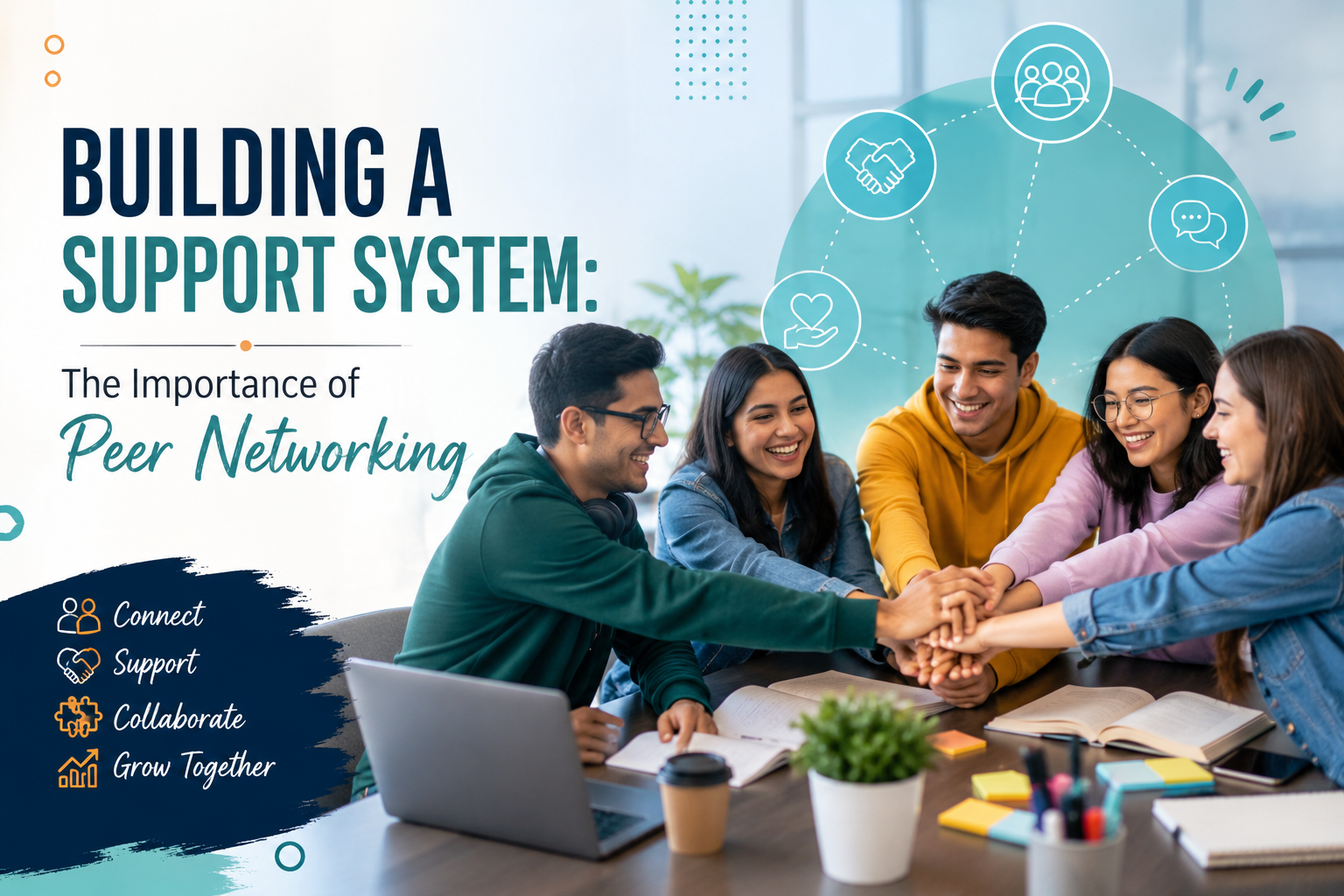
    Building a Support System: The importance of peer networking

    Success is often portrayed as a solo journey—one person, one dream, one achievement. But in reality, no meaningful success happens in isolation. Behind every confident student, skilled professional, or emerging leader is a strong support system, often built through peer networking.

    At cvDragon, we’ve worked closely with students and early-career professionals, and one truth stands out clearly: those who grow faster, cope better with challenges, and seize more opportunities are rarely doing it alone. They are learning, sharing, and evolving within supportive peer networks.

    In an increasingly competitive and fast-changing world, peer networking is no longer optional—it’s essential. This article explores why building a support system matters, how peer networks influence personal and professional growth, and how students can intentionally cultivate meaningful connections.

    What Is a Support System?

    A support system is a network of people who provide:

    • Emotional encouragement

    • Knowledge and guidance

    • Motivation and accountability

    • Practical help during challenges

    For students and young professionals, peers—classmates, teammates, colleagues, and community members—form the most accessible and relatable support system.

    Unlike mentors or authority figures, peers are often:

    • Facing similar challenges

    • Navigating the same transitions

    • Learning at the same pace

    This shared experience makes peer support uniquely powerful.

    Understanding Peer Networking

    Peer networking is the process of building and maintaining relationships with people at a similar stage of life, education, or career. It goes beyond casual socializing—it’s about mutual growth.

    Peer networking includes:

    • Study groups

    • Student clubs and societies

    • Project teams

    • Online learning communities

    • Professional peer circles

    Strong peer networks are built on trust, collaboration, and shared goals.

    Why Peer Networking Matters More Than Ever

    Today’s academic and professional environments are:

    • Highly competitive

    • Digitally driven

    • Emotionally demanding

    • Rapidly evolving

    In such conditions, peer networking provides stability and perspective.

    At cvDragon, we’ve observed that students with strong peer networks are more resilient, adaptable, and career-ready than those who try to manage everything alone.

    The Key Benefits of Peer Networking

    1. Emotional Support and Mental Well-Being

    Academic pressure, career uncertainty, and personal expectations can feel overwhelming. Peer networks offer:

    • A safe space to share struggles

    • Validation that challenges are normal

    • Emotional reassurance during setbacks

    Knowing you’re not alone can significantly reduce stress and burnout.

    2. Shared Learning and Skill Development

    Peers often explain concepts in ways that are easier to understand. Through peer networking, students:

    • Exchange notes and resources

    • Learn new study techniques

    • Share tools and opportunities

    Collaborative learning strengthens comprehension and confidence.

    3. Motivation and Accountability

    When surrounded by driven peers, motivation becomes contagious. Peer groups help individuals:

    • Stay consistent with goals

    • Push through procrastination

    • Celebrate progress together

    Accountability within a peer network turns intentions into action.

    4. Exposure to Opportunities

    Many opportunities don’t come from job boards—they come from conversations.

    Peer networks often share:

    • Internship openings

    • Competition announcements

    • Workshops and events

    • Freelance or project opportunities

    At cvDragon, we often emphasize that your network can open doors your resume alone cannot.

    5. Confidence and Communication Skills

    Regular interaction with peers helps students:

    • Express ideas clearly

    • Receive constructive feedback

    • Develop teamwork and leadership skills

    These soft skills are critical for long-term career success.

    Peer Networking and Career Growth

    Peer networks often evolve into professional networks.

    Today’s classmates may become:

    • Future colleagues

    • Business partners

    • Industry collaborators

    • Referral sources

    Building respectful and supportive peer relationships early creates long-term career value.

    The Role of Peer Networking in Problem-Solving

    When challenges arise—academic, professional, or personal—peer networks provide:

    • Diverse perspectives

    • Practical solutions

    • Emotional reassurance

    Problem-solving becomes easier when ideas are shared rather than carried alone.

    Common Barriers to Building Peer Networks

    Despite its importance, many students struggle with peer networking due to:

    • Shyness or social anxiety

    • Fear of judgment

    • Over-reliance on digital communication

    • Competitive mindsets

    Recognizing these barriers is the first step toward overcoming them.

    How Students Can Build a Strong Peer Support System

    1. Be Intentional About Connections

    Networking doesn’t require large crowds. Start small:

    • Engage in class discussions

    • Connect with project teammates

    • Reach out to like-minded peers

    Quality matters more than quantity.

    2. Participate in Group Activities

    Join:

    • Student clubs

    • Skill-based communities

    • Volunteering initiatives

    • Hackathons or competitions

    Shared activities create natural bonding opportunities.

    3. Practice Giving Before Expecting

    Strong peer networks are built on mutual support. Offer:

    • Help with assignments

    • Feedback on ideas

    • Encouragement during tough times

    Support given often returns in unexpected ways.

    4. Use Digital Platforms Wisely

    Online communities can complement offline networking:

    • LinkedIn student groups

    • Learning forums

    • Professional WhatsApp or Discord groups

    Use digital spaces to build meaningful, respectful connections—not just collect contacts.

    5. Communicate Authentically

    Authenticity builds trust. Be honest, curious, and respectful in conversations. People connect more with sincerity than perfection.

    Peer Networking vs. Competition

    Many students believe helping peers weakens their own chances. In reality:

    • Collaboration accelerates learning

    • Shared growth benefits everyone

    • Supportive environments outperform competitive ones

    Peer networking transforms competition into collective progress.

    Peer Support During Failures and Setbacks

    Failures feel lighter when shared. Peer networks:

    • Normalize setbacks

    • Encourage reflection instead of self-blame

    • Provide strength to try again

    Resilience grows faster in community than in isolation.

    How Peer Networking Builds Leadership

    Leadership isn’t only about authority—it’s about influence and trust. Peer networking develops:

    • Empathy

    • Conflict resolution skills

    • Team coordination abilities

    Many student leaders first practice leadership within peer groups.

    The cvDragon Perspective on Peer Networking

    At cvDragon, we view peer networking as a core career readiness skill. Through our career guidance approach, we encourage students to:

    • Highlight teamwork and collaboration in resumes

    • Build professional peer circles early

    • Develop communication and relationship-building skills

    Strong networks amplify talent, confidence, and opportunity.

    Conclusion

    No journey worth taking is meant to be walked alone. Building a support system through peer networking is not about dependence—it’s about connection, growth, and shared success.

    In classrooms, campuses, workplaces, and digital spaces, peers shape how we learn, cope, and evolve. At cvDragon, we believe that when students invest in meaningful peer relationships, they don’t just build networks—they build confidence, resilience, and lifelong allies.

    Your skills may take you far, but your support system will help you go further—and stay strong along the way.

  • Basics of Business Law: Understanding Contracts and Rights

    Basics of Business Law: Understanding Contracts and Rights

    In today’s professional and entrepreneurial world, business decisions are no longer made on trust alone—they are built on legal clarity. Whether you are signing an internship offer, launching a startup, freelancing, or managing a team, business law quietly shapes almost every professional interaction. Yet, for many students and young professionals, legal concepts feel intimidating or irrelevant—until something goes wrong.

    At cvDragon, we believe that understanding the basics of business law, especially contracts and legal rights, is an essential career skill. You don’t need to be a lawyer to protect yourself or your organization—but you do need awareness. Legal literacy empowers individuals to make informed decisions, avoid disputes, and navigate the professional world with confidence.

    This article simplifies the fundamentals of business law, explains contracts in plain language, and highlights the rights every professional should understand.

    What Is Business Law?

    Business law refers to the rules, regulations, and legal principles that govern commercial and professional activities. It ensures fairness, accountability, and protection for individuals and organizations engaged in business transactions.

    Business law covers areas such as:

    • Contracts

    • Employment relationships

    • Business formation

    • Consumer protection

    • Intellectual property

    • Dispute resolution

    For students and professionals, contract law and legal rights are the most immediately relevant.

    Why Understanding Business Law Matters

    Many legal issues arise not because people intend harm, but because they don’t understand what they are agreeing to.

    Understanding business law helps you:

    • Avoid unfair agreements

    • Protect your work and income

    • Understand responsibilities and liabilities

    • Resolve disputes professionally

    • Build trust in business relationships

    At cvDragon, we often see career setbacks that could have been avoided with basic legal awareness.

    What Is a Contract?

    A contract is a legally enforceable agreement between two or more parties. It creates rights and obligations that the law recognizes and protects.

    Contracts exist everywhere:

    • Employment offers

    • Internship agreements

    • Freelance projects

    • Vendor deals

    • Service subscriptions

    Even verbal agreements can sometimes be contracts—though written contracts are always safer.

    Essential Elements of a Valid Contract

    For a contract to be legally valid, it must include certain key elements.

    1. Offer

    One party makes a clear proposal.
    Example: A company offers you a job with specific terms.

    2. Acceptance

    The other party agrees to the offer without major changes.
    Example: You sign the offer letter.

    3. Consideration

    Something of value is exchanged.
    Example: Salary in return for work.

    4. Mutual Consent

    Both parties willingly agree, without pressure or deception.

    5. Legal Purpose

    The contract must involve lawful activities.

    If any of these elements are missing, the contract may not be enforceable.

    Types of Common Business Contracts

    1. Employment Contracts

    Define job role, salary, working hours, confidentiality, and termination conditions.

    2. Freelance or Service Contracts

    Outline project scope, payment terms, deadlines, and ownership of work.

    3. Non-Disclosure Agreements (NDAs)

    Protect confidential information.

    4. Partnership Agreements

    Define roles, profit sharing, and responsibilities between partners.

    5. Vendor and Supplier Contracts

    Set terms for goods or services provided.

    Understanding these contracts helps individuals avoid misunderstandings and disputes.

    Key Clauses You Should Always Read Carefully

    Many people sign contracts without reading them fully—a risky habit.

    Pay close attention to:

    • Payment terms

    • Termination clauses

    • Notice periods

    • Confidentiality obligations

    • Non-compete clauses

    • Dispute resolution methods

    These clauses directly affect your rights and future opportunities.

    Understanding Your Rights in Business and Work

    Business law exists not only to regulate—but to protect.

    1. Right to Fair Compensation

    You are entitled to payment as agreed in the contract.

    2. Right to Safe and Ethical Work Conditions

    Employment laws protect against exploitation, discrimination, and harassment.

    3. Right to Information

    You have the right to understand the terms you are agreeing to.

    4. Right to Terminate According to Contract

    Both parties must follow agreed notice and exit terms.

    5. Intellectual Property Rights

    Your creations—content, designs, ideas—may belong to you unless transferred by contract.

    Knowing your rights prevents misuse and unfair treatment.

    Common Legal Mistakes Students and Professionals Make

    1. Signing Without Reading

    Never sign a document you don’t understand.

    2. Assuming Verbal Promises Are Enough

    Always get important terms in writing.

    3. Ignoring Fine Print

    Small clauses can have big consequences.

    4. Not Keeping Records

    Save emails, contracts, and payment proofs.

    5. Delaying Legal Action

    Address issues early before they escalate.

    Basic legal awareness can prevent long-term problems.

    Contracts in the Digital Age

    Modern contracts are often digital:

    • E-signatures

    • Online agreements

    • Click-wrap terms

    Digital contracts are legally valid, but users must still:

    • Read terms carefully

    • Understand consent

    • Be aware of data privacy implications

    Convenience should not replace caution.

    Dispute Resolution: What If Things Go Wrong?

    Not all contracts end smoothly. When disputes arise, business law offers solutions.

    Common Methods

    • Negotiation

    • Mediation

    • Arbitration

    • Legal proceedings

    Many contracts specify dispute resolution methods—another reason to read carefully.

    Why Business Law Knowledge Is Important for Careers

    Employers value professionals who:

    • Understand contracts

    • Respect legal boundaries

    • Reduce organizational risk

    • Communicate professionally

    Legal awareness reflects maturity, responsibility, and leadership potential.

    At cvDragon, we encourage candidates to highlight legal exposure, compliance awareness, or contract-handling experience where relevant.

    Business Law for Entrepreneurs and Freelancers

    Entrepreneurs and freelancers face higher legal exposure.

    They must understand:

    • Client agreements

    • Payment protection

    • Liability risks

    • Intellectual property ownership

    Legal clarity protects income, reputation, and long-term growth.

    How Students Can Build Legal Awareness Early

    Students can:

    • Learn basic contract terminology

    • Ask questions before signing documents

    • Take introductory business law courses

    • Seek guidance from mentors

    Early awareness leads to smarter professional decisions.

    How cvDragon Helps Build Career-Ready Legal Awareness

    At cvDragon, we believe career success includes understanding rights and responsibilities. We help students and professionals:

    • Interpret employment and internship contracts

    • Communicate legal awareness in resumes

    • Prepare for professional negotiations

    • Develop confidence in workplace decision-making

    Legal literacy is a silent strength that supports long-term success.

    Conclusion

    Business law may seem complex, but its foundation is simple: clarity, fairness, and accountability. Understanding contracts and your legal rights is not about being defensive—it’s about being informed, confident, and professional.

    At cvDragon, we believe that when individuals understand the rules of the professional world, they are better equipped to succeed within it. Whether you are a student, employee, or entrepreneur, basic business law knowledge empowers you to protect your interests and build trustworthy relationships.

    In the world of work, knowledge isn’t just power—it’s protection.

  • Advocacy and Activism: Using Your Voice for Social Change

    Advocacy and Activism: Using Your Voice for Social Change

    Throughout history, meaningful change has never happened by accident. It has always begun with individuals who chose to speak up, stand firm, and use their voices to challenge injustice. From civil rights movements to environmental reforms and digital-age campaigns, advocacy and activism have shaped societies and transformed lives.

    At cvDragon, we believe that career readiness is not just about professional success—it is also about social responsibility. Today’s students and professionals are not only future employees and leaders; they are citizens with voices, values, and the power to influence change. Understanding advocacy and activism equips individuals to contribute positively to society while developing critical skills such as communication, leadership, empathy, and ethical reasoning.

    This article explores what advocacy and activism mean, why they matter, and how individuals can use their voices responsibly and effectively to create social change.

    What Are Advocacy and Activism?

    Although often used together, advocacy and activism have distinct but connected meanings.

    Advocacy

    Advocacy focuses on supporting or promoting a cause through awareness, dialogue, policy influence, or education. Advocates work within systems to encourage change.

    Examples include:

    • Raising awareness about mental health

    • Supporting educational reform

    • Promoting workplace inclusion

    • Encouraging policy improvements

    Advocacy often emphasizes collaboration and long-term impact.

    Activism

    Activism involves direct action aimed at creating immediate or visible change. It may include protests, campaigns, petitions, or public demonstrations.

    Examples include:

    • Climate change movements

    • Gender equality campaigns

    • Social justice protests

    • Digital activism on social media

    Activism challenges the status quo and draws attention to urgent issues.

    Why Advocacy and Activism Matter Today

    In a rapidly changing world, silence can unintentionally support injustice. Advocacy and activism matter because they:

    • Give voice to marginalized communities

    • Challenge unfair systems

    • Promote equality and justice

    • Encourage civic engagement

    • Strengthen democratic values

    With access to digital platforms, individuals today have more opportunities than ever to participate in social change.

    The Power of Using Your Voice

    Your voice—spoken, written, or digital—has influence. Advocacy and activism begin with the belief that your perspective matters.

    Using your voice can:

    • Inspire others

    • Shift public opinion

    • Influence decision-makers

    • Create awareness and empathy

    At cvDragon, we encourage individuals to recognize that leadership is not limited to titles—it begins with courage and conviction.

    Forms of Advocacy and Activism

    1. Community Advocacy

    Working at the local level to address issues such as education, healthcare, or environmental protection.

    2. Digital Advocacy

    Using social media, blogs, and online platforms to spread awareness and mobilize support.

    3. Policy Advocacy

    Engaging with lawmakers, institutions, or organizations to influence policies and legislation.

    4. Student Activism

    Students advocating for educational reform, equity, campus safety, or mental health support.

    5. Workplace Advocacy

    Promoting ethical practices, diversity, inclusion, and employee well-being within organizations.

    Each form plays a role in shaping a more just society.

    Advocacy Skills That Drive Social Change

    1. Communication Skills

    Clear, respectful communication helps convey ideas effectively and build understanding.

    2. Critical Thinking

    Understanding complex social issues requires analysis, research, and open-mindedness.

    3. Empathy and Emotional Intelligence

    True advocacy begins with listening and understanding diverse perspectives.

    4. Leadership and Initiative

    Advocates often lead by example, motivating others to act.

    5. Collaboration

    Change is rarely achieved alone. Teamwork amplifies impact.

    These skills are not only valuable for activism—but also for academic and professional success.

    Responsible Advocacy: Speaking with Integrity

    Using your voice responsibly is just as important as speaking up.

    Responsible advocacy involves:

    • Researching facts before sharing information

    • Respecting differing viewpoints

    • Avoiding misinformation

    • Engaging in constructive dialogue

    • Acting ethically and peacefully

    True advocacy seeks solutions, not division.

    The Role of Students in Advocacy and Activism

    Students have historically been powerful agents of change.

    Why Student Voices Matter

    • Students bring fresh perspectives

    • They question outdated systems

    • They represent future generations

    Participating in advocacy helps students:

    • Build confidence

    • Develop leadership skills

    • Understand civic responsibility

    • Create meaningful impact

    At cvDragon, we encourage students to view advocacy as a form of experiential learning.

    Advocacy and Career Development

    Many people believe advocacy has no place in professional life—but this is changing.

    How Advocacy Enhances Careers

    • Builds strong communication skills

    • Demonstrates leadership and initiative

    • Shows ethical awareness

    • Enhances personal branding

    Organizations increasingly value employees who are socially aware and purpose-driven.

    Digital Activism: Opportunities and Responsibilities

    Social media has transformed activism.

    Benefits of Digital Activism

    • Global reach

    • Fast awareness

    • Easy mobilization

    • Inclusive participation

    Challenges

    • Misinformation

    • Performative activism

    • Online harassment

    Digital activism should focus on meaningful engagement, not just visibility.

    Overcoming Fear of Speaking Up

    Many people hesitate to advocate due to fear of judgment or backlash.

    To overcome fear:

    • Start with small actions

    • Educate yourself thoroughly

    • Find supportive communities

    • Focus on purpose, not approval

    Courage grows through action.

    Balancing Advocacy and Well-Being

    Advocacy work can be emotionally demanding.

    Healthy advocacy includes:

    • Setting boundaries

    • Practicing self-care

    • Taking breaks when needed

    • Celebrating small wins

    Sustainable change requires sustainable advocates.

    How cvDragon Encourages Purpose-Driven Growth

    At cvDragon, we believe that education and career growth should align with values. We support students and professionals by:

    • Encouraging ethical leadership

    • Highlighting advocacy experiences on resumes

    • Building communication and leadership skills

    • Preparing individuals for socially responsible careers

    Advocacy experiences can be powerful indicators of character and commitment.

    Conclusion

    Advocacy and activism remind us that progress begins with people who care enough to speak up. Whether through education, digital platforms, community work, or professional spaces, every individual has the power to contribute to social change.

    At cvDragon, we believe that using your voice responsibly is not just a civic duty—it is a leadership skill. When individuals combine empathy, knowledge, and courage, they don’t just influence society—they help shape a better future for everyone.

    Your voice matters. Use it wisely. Use it boldly. Use it for change.

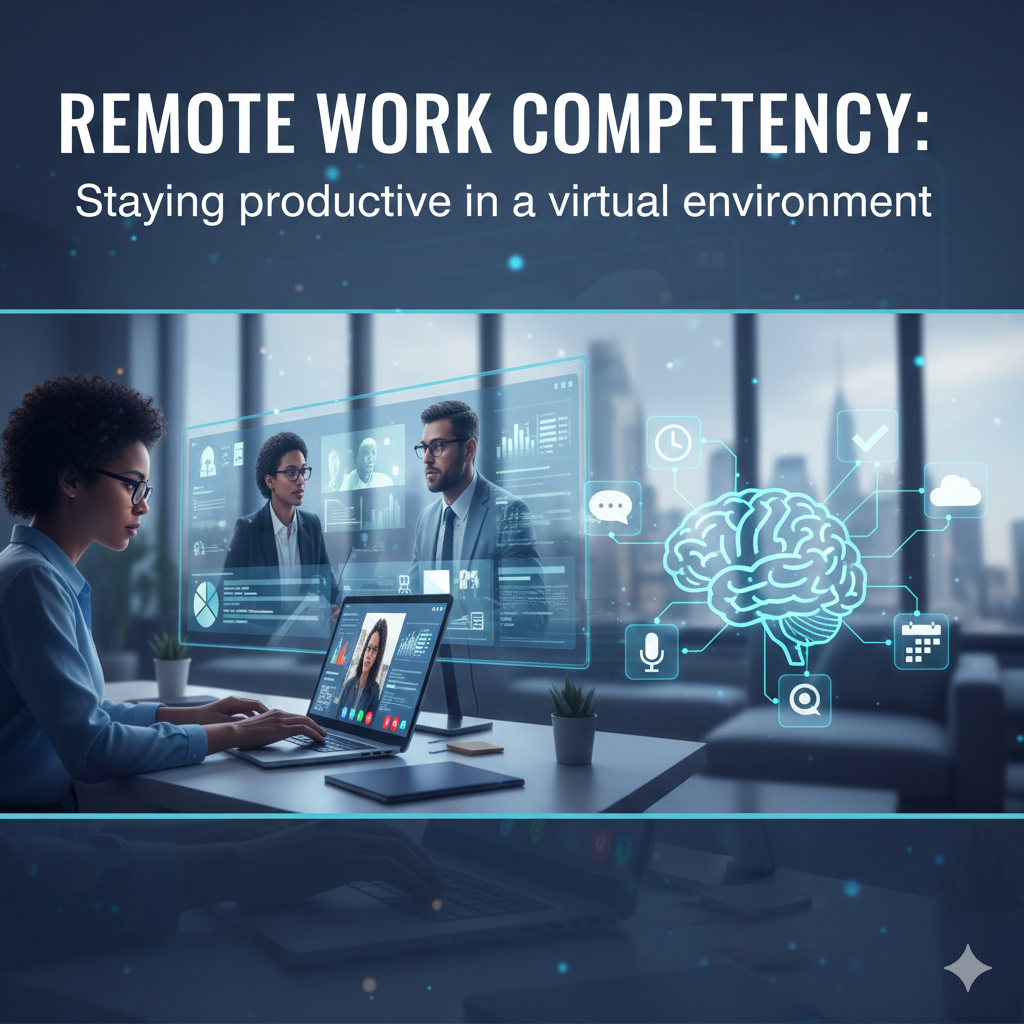
  • Remote Work Competency: Staying productive in a virtual environment

    Remote Work Competency: Staying productive in a virtual environment

    Remote work is no longer a temporary trend—it is a permanent part of the modern workplace. From global corporations to startups and freelance professionals, organizations across industries are embracing virtual work environments. While remote work offers flexibility and freedom, it also demands a new set of skills to remain productive, focused, and accountable.

    At cvDragon, we regularly engage with students and professionals preparing for digital-first careers. One thing is clear: success in remote roles depends not just on technical skills, but on remote work competency—the ability to manage time, communicate effectively, stay motivated, and deliver results without physical supervision.

    This article explores what remote work competency truly means, why it matters, and practical strategies to stay productive in a virtual environment.

    What Is Remote Work Competency?

    Remote work competency refers to the combination of skills, behaviors, and mindset required to work effectively outside a traditional office setup. It involves more than just working from home—it’s about maintaining professionalism, productivity, and collaboration in a virtual space.

    Key elements include:

    • Self-discipline and time management

    • Digital communication skills

    • Tech proficiency

    • Accountability and reliability

    • Work-life balance awareness

    Remote work success depends heavily on how well individuals manage themselves.

    Why Remote Work Skills Are Essential Today

    Remote and hybrid work models are now common across industries such as IT, marketing, education, consulting, finance, and customer service.

    Benefits of Strong Remote Work Competency

    • Higher productivity and efficiency

    • Greater independence and confidence

    • Improved work-life balance

    • Better career opportunities

    • Strong employer trust

    Employers increasingly prefer candidates who can perform well without constant supervision.

    Common Challenges of Working Remotely

    Understanding challenges helps in overcoming them.

    1. Distractions at Home

    Household noise, family interruptions, and digital distractions can reduce focus.

    2. Lack of Structure

    Without fixed office hours, productivity may drop.

    3. Communication Gaps

    Virtual communication lacks body language and instant clarification.

    4. Isolation and Burnout

    Limited social interaction can impact motivation and mental health.

    Remote work competency is about managing these challenges proactively.

    Essential Skills for Staying Productive in a Virtual Environment

    1. Time Management and Self-Discipline

    Remote work demands strong self-control.

    Effective strategies include:

    • Setting fixed work hours

    • Using task lists and planners

    • Breaking work into focused time blocks

    • Avoiding multitasking

    Managing time well is the foundation of remote productivity.

    2. Creating a Dedicated Workspace

    Your environment influences your mindset.

    A good remote workspace should:

    • Be quiet and organized

    • Have proper lighting and seating

    • Be free from unnecessary distractions

    A dedicated space signals your brain that it’s time to work.

    3. Mastering Digital Communication

    Clear communication is critical in virtual teams.

    Key practices:

    • Writing clear and concise messages

    • Using appropriate channels (email, chat, video)

    • Providing regular updates

    • Asking questions proactively

    Good communication prevents misunderstandings and builds trust.

    4. Using the Right Tools Effectively

    Remote productivity relies heavily on digital tools.

    Common tools include:

    • Video conferencing platforms

    • Project management software

    • Cloud collaboration tools

    • Time-tracking apps

    Knowing how to use tools efficiently is a valuable professional skill.

    5. Setting Clear Goals and Priorities

    Without physical supervision, clarity is essential.

    Effective remote workers:

    • Set daily and weekly goals

    • Prioritize high-impact tasks

    • Track progress regularly

    Clear goals reduce stress and improve accountability.

    6. Maintaining Focus and Minimizing Distractions

    Digital distractions are one of the biggest productivity killers.

    Helpful habits include:

    • Turning off unnecessary notifications

    • Scheduling focused work sessions

    • Limiting social media during work hours

    Focused work leads to better results in less time.

    7. Building Accountability

    Remote work requires personal responsibility.

    Ways to stay accountable:

    • Share progress updates

    • Meet deadlines consistently

    • Track your own performance

    Accountability builds professional credibility.

    Remote Work Skills for Students

    Remote learning, internships, and virtual projects are now common for students.

    Benefits for Students

    • Prepares them for future jobs

    • Builds independence and responsibility

    • Improves digital collaboration skills

    • Enhances time management

    At cvDragon, we encourage students to treat remote assignments as professional experiences.

    Remote Work Competency in the Workplace

    In professional settings, remote competency affects:

    • Performance evaluations

    • Career growth

    • Team trust

    • Leadership opportunities

    Employees who manage remote work well are often given more flexibility and responsibility.

    Importance of Work-Life Balance in Remote Work

    Remote work can blur boundaries between work and personal life.

    To maintain balance:

    • Set clear start and end times

    • Take regular breaks

    • Avoid overworking

    • Disconnect after work hours

    Healthy balance prevents burnout and supports long-term productivity.

    Emotional Intelligence and Remote Work

    Remote environments require heightened emotional awareness.

    High emotional intelligence helps with:

    • Managing stress

    • Interpreting tone in digital messages

    • Supporting team members

    • Staying motivated

    Remote work competency is both technical and emotional.

    How to Showcase Remote Work Skills on Your Resume

    Many people have remote experience but fail to highlight it.

    You can showcase:

    • Virtual collaboration experience

    • Remote project management

    • Independent task handling

    • Digital communication skills

    At cvDragon, we help candidates present remote work competency clearly and professionally.

    Future of Work: Why Remote Competency Will Matter Even More

    As organizations continue to adopt hybrid and remote models, remote work skills will become essential rather than optional.

    Future-ready professionals will be those who:

    • Adapt quickly

    • Work independently

    • Communicate clearly

    • Use digital tools confidently

    Remote competency is a long-term career advantage.

    How cvDragon Helps Build Remote-Ready Professionals

    At cvDragon, we focus on preparing individuals for real-world work environments. We help students and professionals:

    • Develop productivity and self-management skills

    • Understand virtual workplace expectations

    • Present remote skills effectively

    • Build confidence for digital careers

    We believe remote work success starts with the right mindset and skills.

    Conclusion

    Remote work offers incredible opportunities—but only to those who are prepared. Staying productive in a virtual environment requires discipline, communication, adaptability, and emotional intelligence. When these skills come together, remote work becomes not just manageable, but empowering.

    At cvDragon, we believe that mastering remote work competency is a key step toward future-proofing your career. By developing the right habits and mindset today, students and professionals can thrive in the evolving world of work—no matter where they are located.

  • Automation Basics: Using Tools Like Zapier to Simplify Tasks

    Automation Basics: Using Tools Like Zapier to Simplify Tasks

    In today’s fast-paced digital world, time has become one of the most valuable resources. Students juggle assignments, projects, and deadlines, while professionals manage emails, meetings, reports, and repetitive administrative tasks. Often, valuable hours are lost doing the same routine work again and again. This is where automation comes in.

    At cvDragon, we help students and job seekers become smarter, more efficient, and future-ready. One skill that is gaining rapid importance across industries is the ability to automate simple tasks using digital tools. You don’t need to be a programmer or a tech expert—tools like Zapier make automation accessible to everyone.

    This article introduces automation basics, explains how tools like Zapier work, and shows how task automation can simplify work, boost productivity, and improve career readiness.

    What Is Automation?

    Automation is the process of using technology to perform tasks automatically with minimal human intervention. Instead of manually repeating the same actions, automation tools follow predefined rules to complete tasks for you.

    Examples of everyday automation include:

    • Automatically saving email attachments to cloud storage

    • Sending notifications when a form is filled

    • Updating spreadsheets when data changes

    • Scheduling social media posts

    Automation helps people focus on high-value work instead of repetitive activities.

    Why Automation Matters Today

    Automation is no longer limited to large corporations or IT departments. It is now a practical skill for students, freelancers, and professionals.

    Benefits of Automation

    • Saves time and energy

    • Reduces human errors

    • Improves consistency

    • Increases productivity

    • Enhances digital efficiency

    Employers increasingly value candidates who can work smarter—not just harder.

    What Is Zapier?

    Zapier is a no-code automation tool that connects different apps and automates workflows between them. It allows users to create automated processes called Zaps without writing a single line of code.

    Zapier works with thousands of popular apps, including:

    • Email platforms

    • Cloud storage tools

    • Spreadsheets

    • Project management apps

    • CRM systems

    • Form builders

    At its core, Zapier acts as a bridge between tools you already use.

    How Zapier Works (In Simple Terms)

    Zapier automation follows a simple structure:

    Trigger

    An event that starts the automation
    Example: “When a new email arrives”

    Action

    What happens after the trigger
    Example: “Save the attachment to Google Drive”

    Together, a trigger and action create a Zap.

    Once set up, the Zap runs automatically in the background.

    Why Beginners Love Zapier

    Zapier is beginner-friendly because:

    • No coding knowledge is required

    • Interface is simple and intuitive

    • Prebuilt templates are available

    • Setup takes only minutes

    This makes it ideal for students and professionals who want quick productivity wins.

    Common Tasks You Can Automate Using Zapier

    1. Email Management

    • Save email attachments automatically

    • Send alerts for important emails

    • Create tasks from emails

    2. Data Entry and Organization

    • Add form responses to spreadsheets

    • Update databases automatically

    • Sync data across platforms

    This reduces manual data handling and errors.

    3. Task and Project Management

    • Create tasks when deadlines are added

    • Notify team members automatically

    • Track project updates

    Automation keeps teams aligned without constant follow-ups.

    4. Scheduling and Notifications

    • Send reminders before meetings

    • Notify users of updates

    • Trigger alerts based on events

    This improves time management and accountability.

    5. Student Productivity Automation

    Students can automate:

    • Assignment tracking

    • Research organization

    • Study reminders

    • Portfolio updates

    These small automations create better learning habits.

    Automation for Students: Why It’s a Smart Skill

    Students who learn automation early gain a strong advantage.

    Benefits for Students

    • Better time management

    • Reduced stress

    • Improved organization

    • Enhanced digital confidence

    Automation also strengthens problem-solving and logical thinking—skills employers value highly.

    At cvDragon, we encourage students to include automation experience as part of their digital skillset.

    Automation in the Workplace

    In professional environments, automation is used to:

    • Streamline workflows

    • Reduce repetitive tasks

    • Improve collaboration

    • Increase efficiency

    Professionals who understand automation are often seen as proactive and innovative.

    Automation Does Not Replace Humans—It Empowers Them

    A common fear is that automation replaces jobs. In reality, automation:

    • Removes repetitive work

    • Frees time for creative and strategic thinking

    • Improves job satisfaction

    Automation supports humans—it doesn’t replace human judgment, creativity, or empathy.

    Basic Principles of Smart Automation

    1. Start Small

    Begin with simple, repetitive tasks.

    2. Automate What Is Predictable

    Tasks with clear rules work best for automation.

    3. Review and Improve

    Automation should be tested and refined over time.

    4. Don’t Over-Automate

    Not everything needs automation. Human judgment still matters.

    Skills You Develop Through Automation

    Learning automation builds:

    • Logical thinking

    • Process optimization

    • Digital literacy

    • Efficiency mindset

    • Problem-solving skills

    These are transferable skills valuable across careers.

    Common Automation Mistakes Beginners Make

    1. Automating Too Much Too Soon

    Start simple and scale gradually.

    2. Ignoring Errors

    Always test automations before relying on them.

    3. Not Documenting Workflows

    Clear documentation helps maintain and improve systems.

    How Automation Strengthens Career Profiles

    Automation experience shows employers that you:

    • Think efficiently

    • Understand digital workflows

    • Can improve processes

    • Adapt to modern tools

    At cvDragon, we help candidates present automation skills effectively on resumes and professional profiles.

    How cvDragon Encourages Smart Digital Skills

    At cvDragon, we believe modern careers require more than academic knowledge. We help students and professionals:

    • Build productivity and automation skills

    • Understand workplace technology expectations

    • Communicate digital capabilities clearly

    • Prepare for future-ready roles

    Automation literacy is part of becoming a confident digital professional.

    Conclusion

    Automation is no longer a technical luxury—it is a practical life and career skill. Tools like Zapier make it easy for anyone to automate routine tasks, save time, and work more efficiently. Whether you are a student managing assignments or a professional handling daily workflows, automation helps you focus on what truly matters.

    At cvDragon, we believe the future belongs to those who combine smart tools with smart thinking. By learning automation basics today, you don’t just simplify tasks—you prepare yourself for a more productive, confident, and future-ready career.

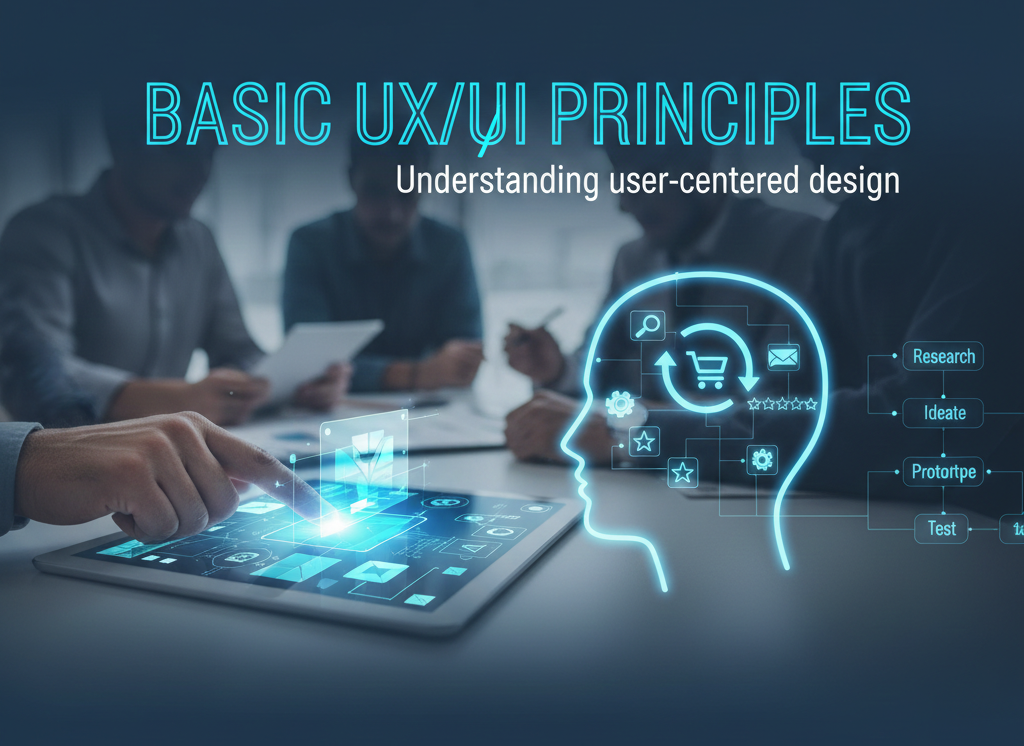
  • Basic UX/UI Principles: Understanding user-centered design

    Basic UX/UI Principles: Understanding user-centered design

    In today’s digital-first world, users interact with websites, apps, and platforms every single day. Whether it’s ordering food, applying for a job, or attending an online class, the quality of these digital experiences depends heavily on UX/UI design. Yet, many students and professionals still confuse design with visuals alone.

    At cvDragon, we work with learners and job seekers preparing for modern careers where digital awareness is essential—even for non-design roles. One concept that consistently proves critical across industries is user-centered design. Understanding basic UX/UI principles helps individuals create better products, communicate effectively with design teams, and think from the user’s perspective.

    This article introduces the fundamentals of UX/UI design and explains how user-centered thinking shapes meaningful digital experiences.

    What Is UX/UI Design?

    Although often used together, UX and UI serve different but complementary purposes.

    UX (User Experience) Design

    UX design focuses on how users feel when interacting with a product. It aims to ensure the experience is:

    • Easy

    • Useful

    • Logical

    • Enjoyable

    UX answers questions like:

    • Is the product easy to use?

    • Does it solve the user’s problem?

    • Is the journey smooth and intuitive?

    UI (User Interface) Design

    UI design focuses on how a product looks and behaves visually. It includes:

    • Layout

    • Colors

    • Typography

    • Buttons and icons

    UI answers questions like:

    • Is the design visually clear?

    • Are elements easy to identify?

    • Does the interface guide user actions?

    Together, UX and UI create functional, usable, and engaging digital products.

    What Is User-Centered Design?

    User-centered design (UCD) is an approach that places the user’s needs, behaviors, and goals at the heart of the design process. Instead of designing based on assumptions, designers focus on real users.

    User-centered design involves:

    • Understanding user problems

    • Designing solutions around those needs

    • Testing designs with real users

    • Improving based on feedback

    At its core, UCD asks one simple question:

    “How can we make this easier and better for the user?”

    Why User-Centered Design Matters

    In competitive digital environments, users have countless alternatives. If a product is confusing or frustrating, users leave.

    Benefits of User-Centered Design

    • Higher user satisfaction

    • Reduced errors and frustration

    • Better engagement and retention

    • Improved accessibility

    • Stronger brand trust

    From startups to large organizations, companies that prioritize users outperform those that don’t.

    Core Principles of User-Centered UX/UI Design

    1. Understand the User

    Everything starts with understanding who the users are.

    This includes:

    • Their goals

    • Their challenges

    • Their behavior patterns

    • Their context of use

    Methods include user research, surveys, interviews, and observation. Even basic empathy goes a long way.

    2. Simplicity Is Key

    Good design is not about adding more—it’s about removing what’s unnecessary.

    Simple design:

    • Reduces cognitive load

    • Makes navigation easier

    • Helps users complete tasks faster

    If users need instructions to understand your interface, the design likely needs improvement.

    3. Consistency Builds Trust

    Consistency helps users learn how a product works.

    This includes:

    • Consistent colors and fonts

    • Predictable button behavior

    • Uniform navigation patterns

    Consistency reduces confusion and increases confidence.

    4. Clear Visual Hierarchy

    Visual hierarchy guides users’ attention.

    Good hierarchy:

    • Highlights important elements

    • Uses size, color, and spacing effectively

    • Helps users scan information quickly

    Users should instantly know where to look and what to do next.

    5. Feedback and Responsiveness

    Users need confirmation that their actions matter.

    Examples:

    • Button changes color when clicked

    • Loading indicators appear

    • Error messages explain what went wrong

    Feedback reassures users and improves usability.

    6. Accessibility and Inclusivity

    User-centered design considers all users, including those with disabilities.

    Accessible design includes:

    • Readable fonts

    • High color contrast

    • Keyboard navigation

    • Screen reader compatibility

    Inclusive design is not optional—it’s responsible design.

    7. Error Prevention and Recovery

    Mistakes happen. Good UX/UI design:

    • Prevents errors where possible

    • Provides clear error messages

    • Helps users recover easily

    Instead of blaming users, design should support them.

    UX/UI Design Process in User-Centered Design

    1. Research

    Understanding user needs and problems.

    2. Define

    Clarifying goals, user personas, and challenges.

    3. Design

    Creating wireframes, layouts, and prototypes.

    4. Test

    Observing how real users interact with the design.

    5. Iterate

    Improving based on feedback and testing results.

    This cycle ensures continuous improvement.

    Why UX/UI Principles Matter for Students

    Even students who are not designers benefit from UX/UI knowledge.

    Benefits for Students

    • Better project presentations

    • Improved digital assignments

    • Stronger portfolio quality

    • Better collaboration with design teams

    UX thinking encourages problem-solving and empathy—skills valuable in every career.

    UX/UI Principles in the Workplace

    Professionals across roles use UX/UI thinking:

    • Product managers define user journeys

    • Marketers improve landing pages

    • Developers build usable systems

    • HR teams design better employee portals

    Understanding user-centered design improves decision-making across departments.

    At cvDragon, we often help candidates articulate UX awareness as part of their digital and professional skills.

    Common UX/UI Mistakes Beginners Make

    1. Designing for Yourself

    Design should serve users—not personal preferences.

    2. Overloading Features

    More features do not equal better experience.

    3. Ignoring Feedback

    User feedback is essential for improvement.

    4. Focusing Only on Visuals

    Good UI without good UX still fails.

    How to Start Learning UX/UI Design

    Beginners can:

    • Study basic design principles

    • Analyze apps and websites critically

    • Practice wireframing simple ideas

    • Learn from user feedback

    • Build small design projects

    UX/UI is a skill developed through observation, practice, and empathy.

    How cvDragon Supports Digital Design Awareness

    At cvDragon, we help students and professionals:

    • Understand digital and design expectations

    • Present UX/UI skills on resumes and profiles

    • Align creative skills with career goals

    • Build confidence for modern digital roles

    User-centered thinking is not just a design skill—it’s a professional mindset.

    Conclusion

    UX/UI design is not just about making things look good—it’s about making them work well for real people. By understanding basic UX/UI principles and embracing user-centered design, students and professionals can create more meaningful, effective, and inclusive digital experiences.

    At cvDragon, we believe that the future belongs to those who understand users, solve problems thoughtfully, and design with empathy. Whether you aim to be a designer or simply want to succeed in a digital world, mastering user-centered design is a powerful step forward.

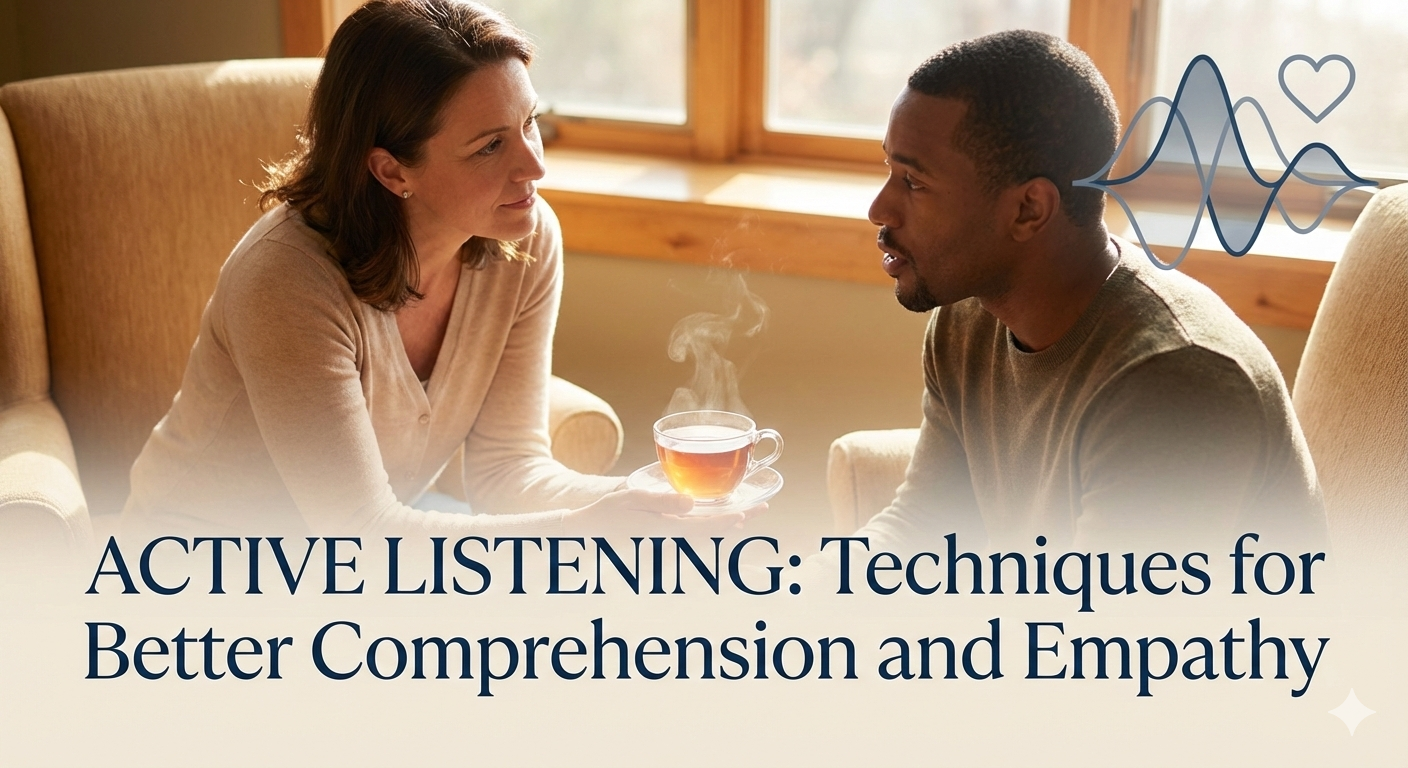
  • Active Listening: Techniques for better comprehension and empathy

    Active Listening: Techniques for better comprehension and empathy

    In a world filled with constant notifications, fast conversations, and digital distractions, truly listening has become a rare skill. Most people hear words, but few genuinely understand the message behind them. This is where active listening makes a powerful difference.

    At cvDragon, we work with students and professionals who want to communicate more effectively, build stronger relationships, and grow in their careers. One skill that consistently stands out in high-performing individuals is the ability to listen—not passively, but actively. Active listening improves comprehension, builds empathy, reduces conflict, and strengthens leadership.

    This article explores what active listening really means, why it matters, and practical techniques to become a better listener in both academic and professional settings.

    What Is Active Listening?

    Active listening is the conscious effort to fully focus, understand, interpret, and respond to what someone is saying. It goes beyond simply hearing words—it involves engaging with the speaker emotionally and intellectually.

    Active listening includes:

    • Paying full attention

    • Understanding verbal and non-verbal cues

    • Responding thoughtfully

    • Showing empathy and respect

    It is a two-way process that strengthens communication and trust.

    Why Active Listening Is So Important

    Active listening plays a vital role in every area of life.

    Key Benefits of Active Listening

    • Better comprehension and fewer misunderstandings

    • Stronger relationships

    • Increased empathy and emotional intelligence

    • Improved teamwork and collaboration

    • Enhanced leadership and conflict resolution

    In academic and workplace environments, strong listeners are often seen as reliable, thoughtful, and professional.

    The Difference Between Hearing and Listening

    Hearing Active Listening
    Automatic Intentional
    Passive Engaged
    Surface-level Deep understanding
    Focus on words Focus on meaning and emotion

    Most communication problems arise not from poor speaking—but from poor listening.

    How Active Listening Builds Empathy

    Empathy is the ability to understand and share another person’s feelings. Active listening creates empathy by:

    • Validating emotions

    • Encouraging openness

    • Making people feel heard and respected

    When people feel understood, trust and cooperation naturally follow.

    Common Barriers to Active Listening

    Before improving listening skills, it’s important to recognize what gets in the way.

    1. Distractions

    Phones, notifications, and multitasking reduce attention.

    2. Pre-Judgment

    Forming opinions before the speaker finishes.

    3. Interrupting

    Thinking about what to say next instead of listening.

    4. Emotional Reactions

    Letting emotions block understanding.

    Overcoming these barriers is the first step toward active listening.

    Techniques for Better Active Listening

    1. Give Your Full Attention

    True listening begins with focus.

    How to practice:

    • Maintain eye contact

    • Put away digital devices

    • Face the speaker

    • Avoid multitasking

    Your body language should communicate interest and respect.

    2. Listen Without Interrupting

    Allow the speaker to finish their thoughts without cutting in.

    Interruptions can:

    • Break the speaker’s flow

    • Create frustration

    • Reduce trust

    Even if you disagree, let the speaker complete their message first.

    3. Observe Non-Verbal Communication

    Much of communication is non-verbal.

    Pay attention to:

    • Facial expressions

    • Tone of voice

    • Posture and gestures

    These cues often reveal emotions that words may not express.

    4. Use Reflective Listening

    Reflective listening involves restating or summarizing what the speaker has said.

    Examples:

    • “What I hear you saying is…”

    • “So you’re feeling concerned about…”

    This confirms understanding and shows empathy.

    5. Ask Open-Ended Questions

    Open-ended questions encourage deeper conversation.

    Instead of:

    • “Did that upset you?”

    Ask:

    • “How did that situation make you feel?”

    This technique helps clarify meaning and deepen understanding.

    6. Acknowledge Emotions

    Recognizing emotions builds emotional connection.

    Phrases like:

    • “That sounds frustrating”

    • “I can understand why you feel that way”

    help people feel validated and supported.

    7. Avoid Jumping to Solutions Too Quickly

    Sometimes people want to be heard, not fixed.

    Before offering advice, ask:

    • “Would you like help, or do you just want me to listen?”

    This shows respect and emotional intelligence.

    8. Respond Thoughtfully

    Your response matters as much as your listening.

    Effective responses:

    • Are calm and respectful

    • Address the speaker’s message

    • Show understanding and care

    Avoid defensive or dismissive language.

    Active Listening in Academic Life

    For students, active listening improves:

    • Classroom understanding

    • Group project collaboration

    • Teacher-student relationships

    • Peer communication

    Students who listen actively perform better academically and socially.

    Active Listening in the Workplace

    In professional environments, active listening is essential for:

    • Team collaboration

    • Leadership effectiveness

    • Conflict resolution

    • Client communication

    Employers value professionals who can listen, understand, and respond effectively.

    At cvDragon, we encourage candidates to highlight listening and communication skills as part of their professional competencies.

    Active Listening as a Leadership Skill

    Great leaders are great listeners.

    Leadership listening helps:

    • Build trust within teams

    • Encourage innovation

    • Reduce misunderstandings

    • Improve decision-making

    Listening leaders create inclusive and supportive environments.

    How to Practice Active Listening Daily

    Active listening is a skill that improves with practice.

    Daily habits to build it:

    • Listen fully in one conversation per day

    • Reflect before responding

    • Ask clarifying questions

    • Minimize distractions during discussions

    Small changes lead to powerful results.

    How cvDragon Helps Build Communication Skills

    At cvDragon, we help students and professionals:

    • Develop strong communication and interpersonal skills

    • Understand workplace expectations

    • Present soft skills effectively on resumes

    • Prepare for interviews and leadership roles

    Active listening is a core employability skill that enhances every career path.

    Conclusion

    Active listening is more than a communication technique—it is a mindset. By listening with intention, empathy, and attention, we create deeper understanding, stronger relationships, and more meaningful interactions.

    In classrooms, workplaces, and leadership roles, those who listen well stand out as thoughtful, trustworthy, and capable individuals. At cvDragon, we believe that mastering active listening is a powerful step toward personal growth and professional success.

    When you truly listen, you don’t just hear words—you understand people.

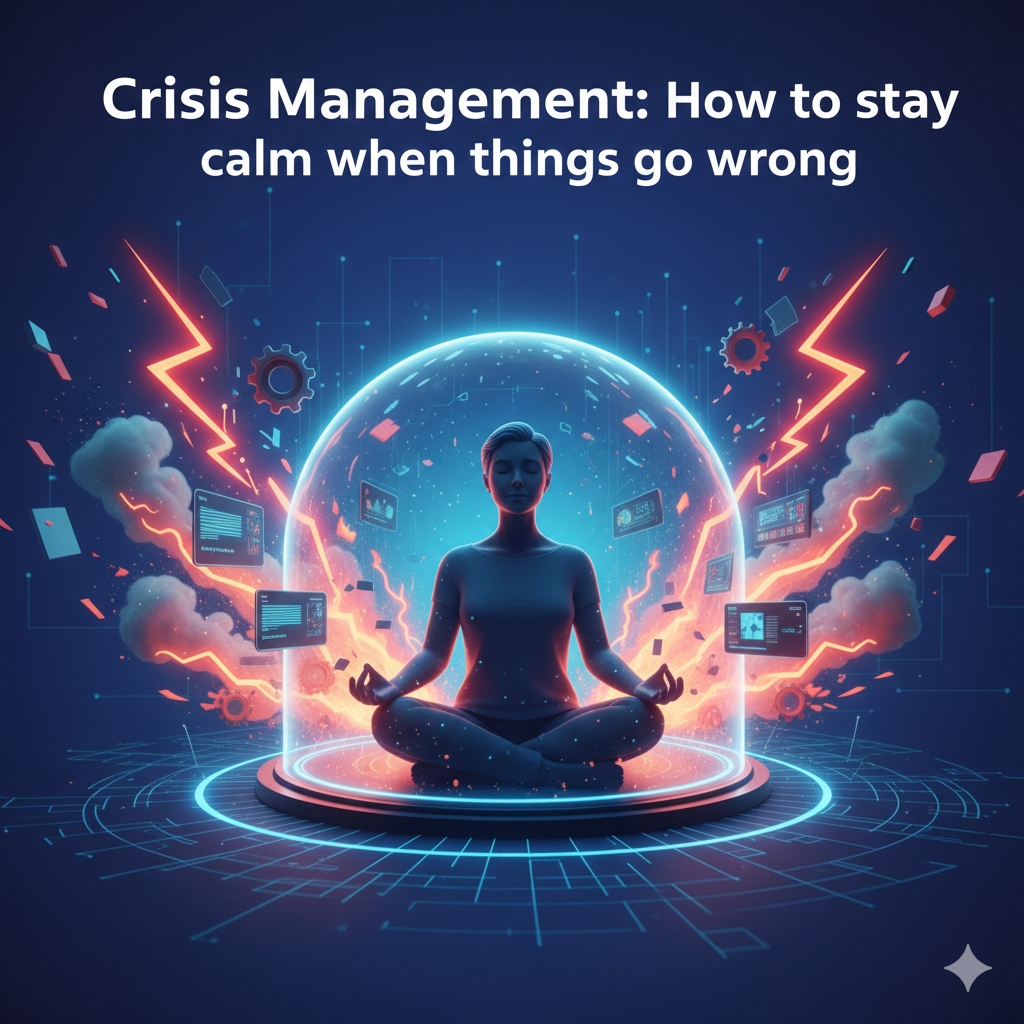
  • Crisis Management: How to stay calm when things go wrong

    Crisis Management: How to stay calm when things go wrong

    No matter how carefully we plan, crises are an inevitable part of life and work. A project fails at the last moment, a presentation goes wrong, a deadline is missed, a technical system crashes, or a sudden personal or professional challenge appears without warning. What separates successful individuals from the rest is not the absence of problems—but how they respond when things go wrong.

    At cvDragon, we work closely with students and professionals preparing for real-world careers. One skill that consistently proves essential across industries is crisis management, especially the ability to stay calm, think clearly, and act decisively under pressure. In fast-changing workplaces, calmness during chaos is no longer just a leadership trait—it is a survival skill.

    This article explores what crisis management truly means, why staying calm matters, and how students and professionals can develop this critical capability.

    What Is Crisis Management?

    Crisis management is the ability to:

    • Respond effectively to unexpected problems

    • Control emotions under pressure

    • Make rational decisions during uncertainty

    • Minimize damage and restore stability

    A crisis can be:

    • Academic (exam failure, deadline pressure)

    • Professional (project breakdown, conflict, job uncertainty)

    • Organizational (reputation damage, operational failure)

    • Personal (health, emotional stress, sudden change)

    In every case, calm thinking is the foundation of effective action.

    Why Staying Calm During a Crisis Is So Important

    When a crisis occurs, the brain often shifts into panic mode. Stress hormones increase, clarity reduces, and impulsive decisions become more likely. Staying calm helps counter these effects.

    Benefits of Staying Calm in a Crisis

    • Clear thinking and better judgment

    • Controlled communication

    • Reduced mistakes

    • Increased trust from others

    • Faster recovery from setbacks

    Employers value professionals who can maintain composure, especially in high-pressure situations.

    The Psychology Behind Panic vs. Calm

    Understanding what happens in the mind during a crisis helps manage it better.

    Panic Response

    • Emotional reactions override logic

    • Fear dominates decision-making

    • Focus narrows

    • Communication breaks down

    Calm Response

    • Logical thinking remains active

    • Priorities become clearer

    • Emotions are regulated

    • Solutions become visible

    Crisis management is not about ignoring emotions—it is about controlling them.

    Common Situations Where Crisis Management Is Needed

    1. Academic Pressure

    • Failing an exam

    • Missing deadlines

    • Presentation anxiety

    2. Workplace Challenges

    • Project failure

    • Client dissatisfaction

    • Conflict with colleagues

    • Sudden workload increases

    3. Leadership and Team Situations

    • Team conflicts

    • Unexpected setbacks

    • Resource shortages

    Learning to stay calm in these moments builds long-term resilience.

    How to Stay Calm When Things Go Wrong

    1. Pause Before Reacting

    The first and most important step is to pause. A few seconds of controlled breathing can prevent emotional reactions from taking over.

    Simple technique:

    • Inhale slowly for 4 seconds

    • Hold for 4 seconds

    • Exhale for 6 seconds

    This signals the brain to relax and regain control.

    2. Accept the Situation

    Denial increases stress. Acceptance does not mean approval—it means acknowledging reality so action can begin.

    Ask yourself:

    • What exactly has gone wrong?

    • What is within my control?

    • What is not?

    Acceptance creates mental clarity.

    3. Break the Crisis Into Smaller Parts

    Large problems feel overwhelming. Breaking them into smaller steps makes them manageable.

    Instead of asking:

    “How do I fix everything?”

    Ask:

    “What is the first practical step I can take right now?”

    This approach reduces anxiety and builds momentum.

    4. Control Your Internal Dialogue

    The way you talk to yourself matters.

    Replace:

    • “Everything is ruined”
      With:

    • “This is difficult, but manageable”

    Positive self-talk does not ignore reality—it strengthens problem-solving ability.

    5. Focus on Solutions, Not Blame

    Blame—whether directed at yourself or others—wastes energy.

    Effective crisis managers ask:

    • What can be done now?

    • Who can help?

    • What resources are available?

    Solution-focused thinking accelerates recovery.

    6. Communicate Clearly and Calmly

    During crises, communication can either reduce or increase damage.

    Key principles:

    • Speak calmly

    • Be honest and clear

    • Avoid emotional language

    • Focus on facts and next steps

    Calm communication builds trust, even in difficult moments.

    7. Seek Support When Needed

    Staying calm does not mean handling everything alone.

    Support can come from:

    • Teachers or mentors

    • Team members

    • Managers

    • Friends or peers

    Asking for help is a sign of emotional intelligence, not weakness.

    Crisis Management Skills Students Should Develop Early

    Students who practice crisis management early are better prepared for professional life.

    Key Skills to Build

    • Emotional regulation

    • Time management under pressure

    • Critical thinking

    • Problem prioritization

    • Stress management

    At cvDragon, we encourage students to reflect these abilities in resumes and interviews as real-life competencies.

    Crisis Management in the Workplace

    In professional environments, crisis management directly affects:

    • Leadership perception

    • Team morale

    • Organizational outcomes

    • Career growth

    Employees who stay calm during challenges are often trusted with higher responsibilities.

    Role of Emotional Intelligence in Crisis Management

    Emotional intelligence (EQ) plays a crucial role in staying calm.

    High EQ helps individuals:

    • Recognize emotional triggers

    • Manage stress effectively

    • Respond thoughtfully

    • Support others during crises

    Crisis management is as much about emotional control as it is about strategy.

    Learning From Crises: Turning Failure Into Growth

    Every crisis contains a lesson.

    After the situation stabilizes, reflect on:

    • What caused the crisis?

    • What worked well?

    • What could be improved?

    This reflection builds resilience and prepares you for future challenges.

    How cvDragon Helps Build Crisis-Ready Professionals

    At cvDragon, we believe employability goes beyond technical skills. We help students and professionals:

    • Develop emotional resilience

    • Communicate calmly and professionally

    • Present problem-solving experiences on resumes

    • Prepare for high-pressure work environments

    Crisis management is not just a soft skill—it is a career-defining capability.

    Conclusion

    Crises are unavoidable, but panic is optional. The ability to stay calm when things go wrong is one of the most valuable skills a student or professional can develop. Calmness allows clarity, clarity enables action, and action leads to solutions.

    At cvDragon, we believe that true readiness for life and work comes from mastering both skills and mindset. By learning how to manage crises with composure and confidence, individuals don’t just survive challenges—they grow stronger because of them.

  • Advanced Digital & Technical Literacy: A Must-Have Skill for the Modern Workforce

    Advanced Digital & Technical Literacy: A Must-Have Skill for the Modern Workforce

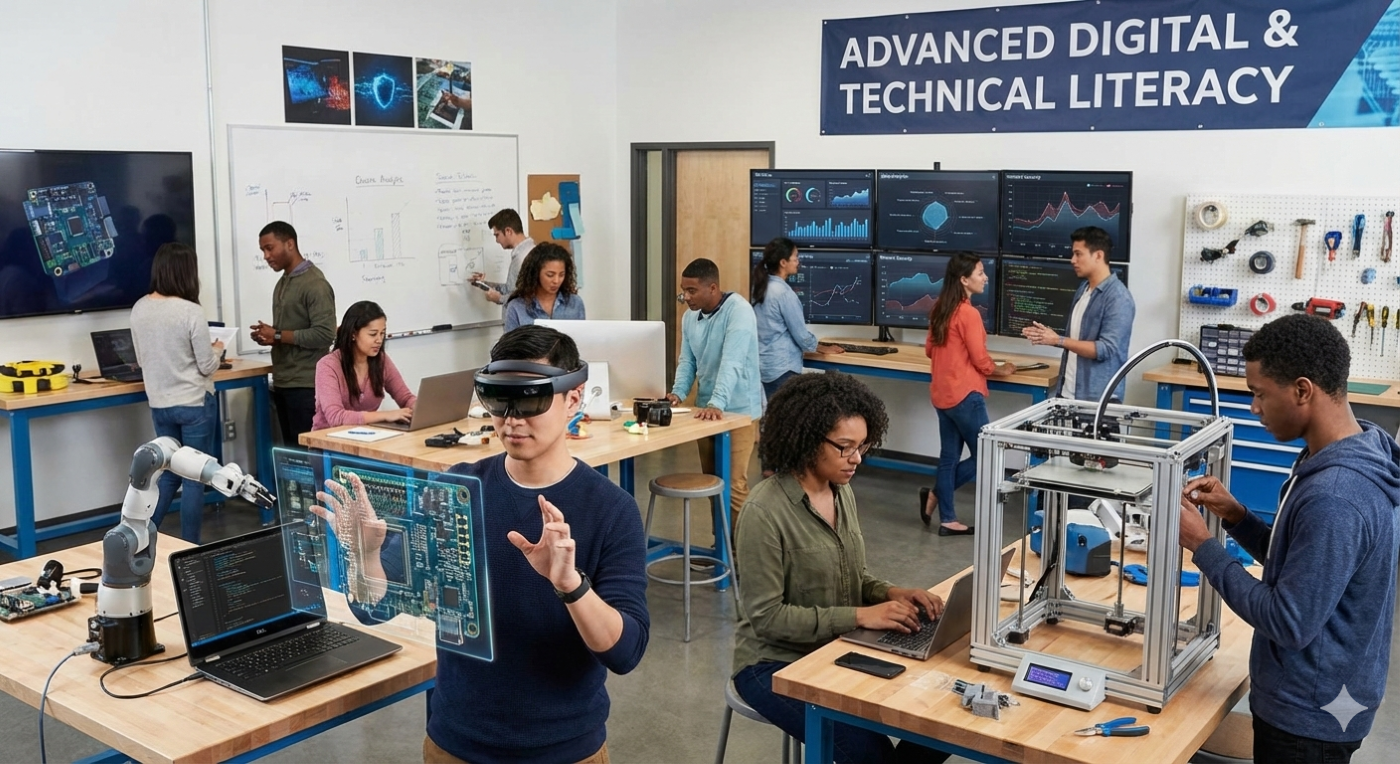
    In today’s technology-driven world, basic digital skills are no longer enough. Simply knowing how to use a computer, browse the internet, or create documents does not prepare students or professionals for the demands of modern workplaces. What truly sets individuals apart today is Advanced Digital & Technical Literacy—the ability to understand, evaluate, and effectively use digital tools, technologies, and data to solve real-world problems.

    At cvDragon, where we help students and job seekers become career-ready, we have observed a clear shift in employer expectations. Companies are no longer just hiring based on degrees; they are hiring based on digital competence, adaptability, and technical confidence. Advanced digital literacy has become a core employability skill across industries.

    This article explores what advanced digital and technical literacy means, why it is essential, and how students and professionals can develop it to stay competitive in the future of work.

    What Is Advanced Digital & Technical Literacy?

    Advanced digital and technical literacy goes beyond basic computer usage. It refers to the ability to:

    • Use digital tools strategically

    • Understand how technology works

    • Analyze and interpret data

    • Adapt to new digital platforms

    • Apply technology to solve problems

    • Work safely and ethically in digital environments

    It combines technical knowledge, critical thinking, and digital awareness, making individuals more effective and independent in tech-driven settings.

    Why Advanced Digital Literacy Is Important Today

    Technology impacts nearly every profession—from education and healthcare to finance, marketing, law, and manufacturing. Even non-technical roles now require a strong digital foundation.

    Advanced digital literacy is important because it:

    • Improves productivity and efficiency

    • Enhances problem-solving abilities

    • Supports data-driven decision-making

    • Increases employability and career growth

    • Builds confidence in using emerging technologies

    At cvDragon, we often see that candidates with strong digital literacy stand out in resumes, interviews, and workplace performance.

    Key Components of Advanced Digital & Technical Literacy

    1. Digital Tool Proficiency

    This includes the ability to use and adapt to various digital tools such as:

    • Productivity software

    • Collaboration platforms

    • Project management tools

    • Cloud-based systems

    Understanding how and when to use tools effectively is more important than simply knowing they exist.

    2. Data and Information Literacy

    Advanced digital literacy involves the ability to:

    • Find reliable digital information

    • Analyze data logically

    • Interpret trends and insights

    • Avoid misinformation

    In a data-driven world, the ability to make sense of information is a powerful skill.

    3. Technical Awareness

    You don’t need to be a programmer to be digitally literate, but understanding basic technical concepts such as:

    • How software systems work

    • What APIs, databases, or automation mean

    • The role of AI and machine learning

    helps professionals communicate better with technical teams and adapt faster.

    4. Cybersecurity and Digital Safety

    Digital literacy also includes awareness of:

    • Online security risks

    • Data privacy

    • Ethical technology use

    • Responsible digital behavior

    This is critical in both academic and professional environments.

    5. Digital Communication Skills

    Advanced digital communication goes beyond emails. It includes:

    • Virtual collaboration

    • Professional online presence

    • Video conferencing etiquette

    • Clear digital documentation

    Strong digital communication enhances teamwork and leadership.

    6. Adaptability to Emerging Technologies

    Technology evolves rapidly. Digitally literate individuals are:

    • Curious about new tools

    • Willing to learn continuously

    • Comfortable with change

    This adaptability is crucial for long-term career success.

    Advanced Digital Literacy for Students

    For students, advanced digital and technical literacy plays a major role in academic success and career readiness.

    Benefits for Students

    • Improved research and learning efficiency

    • Better project and presentation quality

    • Stronger collaboration in group work

    • Higher confidence in internships and placements

    Students who build these skills early transition more smoothly into professional environments.

    Advanced Digital Literacy in the Workplace

    In professional settings, digital literacy impacts:

    • Task automation

    • Workflow optimization

    • Remote work effectiveness

    • Decision-making speed

    Employees with advanced digital skills are often seen as problem-solvers and future leaders.

    How Advanced Digital Literacy Improves Career Readiness

    Employers today seek candidates who can:

    • Learn new tools quickly

    • Use technology to improve outcomes

    • Work independently and collaboratively

    • Think critically in digital environments

    At cvDragon, we help candidates highlight these competencies on resumes and professional profiles, making their digital skills visible and relevant to recruiters.

    Practical Ways to Develop Advanced Digital & Technical Literacy

    1. Learn Beyond the Classroom

    Online courses, certifications, and tutorials help students stay updated with industry-relevant tools.

    2. Practice Real-World Applications

    Hands-on projects, internships, and simulations help convert theory into practical skills.

    3. Build Digital Projects

    Creating portfolios, dashboards, presentations, or automation workflows strengthens confidence and credibility.

    4. Stay Updated with Technology Trends

    Following industry blogs, webinars, and tech communities helps maintain relevance.

    5. Reflect Digital Skills in Resumes

    Many students possess digital skills but fail to communicate them effectively. cvDragon helps translate digital competencies into strong, ATS-friendly resumes.

    Common Challenges in Building Digital Literacy

    1. Fear of Technology

    Solution: Start small and practice consistently.

    2. Information Overload

    Solution: Focus on tools relevant to your goals.

    3. Lack of Guidance

    Solution: Seek mentors, structured platforms, and career guidance.

    Role of Educational Institutions

    Institutions can support advanced digital literacy by:

    • Integrating digital tools into curricula

    • Encouraging experiential learning

    • Promoting ethical technology use

    • Collaborating with industry platforms

    Digital literacy should be treated as a core life skill, not an optional add-on.

    How cvDragon Supports Digital & Technical Literacy

    At cvDragon, we empower individuals to:

    • Understand industry expectations

    • Present digital skills professionally

    • Align technical competencies with career goals

    • Build confidence in modern workplaces

    We believe digital literacy is not just about tools—it’s about thinking digitally.

    Conclusion

    Advanced digital and technical literacy is no longer optional—it is a fundamental requirement for success in education, careers, and everyday life. In a world shaped by technology, those who understand and leverage digital tools effectively will always have an advantage.

    At cvDragon, we believe that when digital skills are combined with clarity, adaptability, and strong presentation, they open doors to endless opportunities. By investing in advanced digital literacy today, students and professionals prepare themselves not just for their next role—but for the future of work itself.