Category: Articles

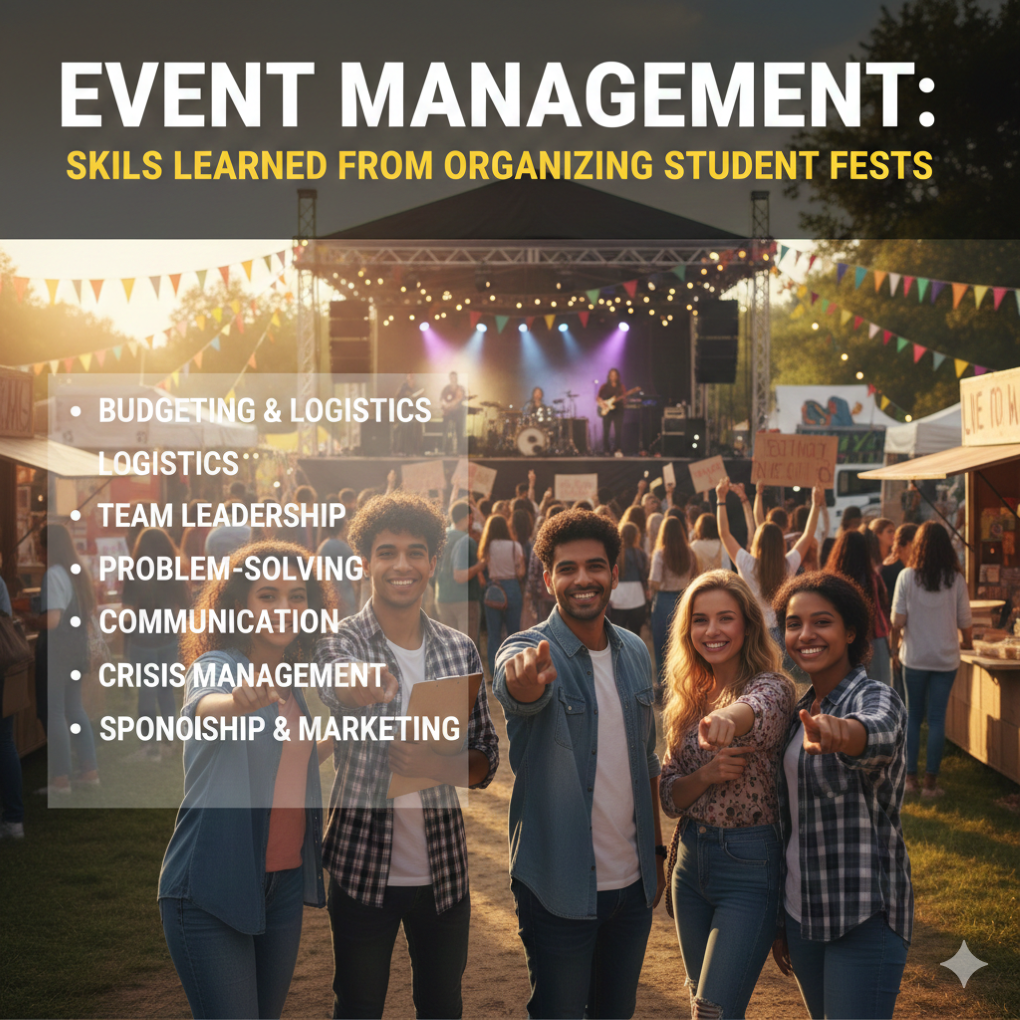
  • Event Management: Skills learned from organizing student fests

    Event Management: Skills learned from organizing student fests

    College fests are often remembered for their music, competitions, decorations, and energy. But behind the excitement lies something far more valuable—event management experience. Organizing a student fest is not just about hosting an event; it is a powerful learning journey that develops real-world skills essential for career success.

    At cvDragon, we believe student fests are practical classrooms where students learn leadership, teamwork, communication, and problem-solving. These experiences prepare students for professional environments in ways traditional academics alone cannot.

    This article explores the key event management skills students learn from organizing college fests and how these skills shape their future careers.

    What Is Event Management?

    Event management is the process of planning, organizing, coordinating, and executing an event successfully. In student fests, this includes:

    • Planning activities

    • Managing teams

    • Coordinating logistics

    • Handling budgets

    • Promoting the event

    • Solving unexpected problems

    It requires both strategic thinking and execution.

    Why Student Fests Are Powerful Learning Experiences

    Student fests simulate real-world project environments. Students face:

    • Deadlines

    • Team coordination

    • Resource limitations

    • Unexpected challenges

    These situations build practical, career-ready skills.

    Unlike theoretical learning, event management teaches through real responsibility.

    Key Skills Students Learn from Organizing Student Fests

    1. Leadership Skills

    Student fest organizers often lead teams, committees, or departments.

    Leadership skills developed include:

    • Delegating tasks

    • Motivating team members

    • Making decisions

    • Taking responsibility

    Students learn how to guide others toward a shared goal.

    Leadership experience builds confidence and professional readiness.

    2. Teamwork and Collaboration Skills

    No fest can be managed alone. Students must work with diverse teams, including:

    • Volunteers

    • Coordinators

    • Designers

    • Sponsors

    They learn:

    • Cooperation

    • Conflict resolution

    • Supporting team members

    These collaboration skills are essential in every career.

    At cvDragon, teamwork is considered one of the most important employability skills.

    3. Communication Skills

    Communication is critical in event management.

    Students learn to:

    • Communicate with team members

    • Coordinate with vendors

    • Present ideas clearly

    • Promote the event

    They also improve public speaking and professional communication.

    Strong communication improves career opportunities significantly.

    4. Time Management Skills

    Student fests involve strict deadlines.

    Students must balance:

    • Academic responsibilities

    • Event tasks

    • Personal commitments

    They learn to:

    • Prioritize tasks

    • Meet deadlines

    • Manage multiple responsibilities

    Time management improves productivity and discipline.

    5. Planning and Organizational Skills

    Event planning requires attention to detail.

    Students learn to:

    • Create schedules

    • Plan logistics

    • Organize resources

    They understand how structured planning leads to successful execution.

    Planning skills are valuable in every profession.

    6. Problem-Solving Skills

    Unexpected problems are common during events.

    Examples include:

    • Technical failures

    • Delayed vendors

    • Last-minute changes

    Students learn to:

    • Stay calm

    • Think quickly

    • Find solutions

    Problem-solving ability is a critical career skill.

    At cvDragon, adaptability is seen as a key success factor.

    7. Decision-Making Skills

    Event organizers make important decisions regularly.

    These decisions may involve:

    • Budget allocation

    • Vendor selection

    • Schedule changes

    Students learn to evaluate options and make responsible choices.

    Decision-making builds leadership confidence.

    8. Budget Management Skills

    Managing finances is a key part of event management.

    Students learn to:

    • Allocate budgets

    • Control expenses

    • Work within financial limits

    This teaches financial responsibility.

    Financial literacy is valuable in both personal and professional life.

    9. Marketing and Promotion Skills

    Promoting a fest requires creativity and strategy.

    Students learn:

    • Social media marketing

    • Poster design coordination

    • Audience engagement

    These skills are highly relevant in modern careers.

    Marketing experience improves employability.

    10. Networking Skills

    Student fests connect students with:

    • Sponsors

    • Faculty

    • Professionals

    • Other students

    Networking teaches students how to build professional relationships.

    Networking often leads to career opportunities.

    At cvDragon, networking is considered essential for career growth.

    11. Confidence Building

    Organizing a large event increases self-confidence.

    Students gain confidence in:

    • Leadership

    • Communication

    • Decision-making

    Confidence improves performance in interviews and workplaces.

    12. Crisis Management Skills

    Not everything goes as planned during events.

    Students learn how to:

    • Handle pressure

    • Manage emergencies

    • Stay calm

    Crisis management prepares students for real-world challenges.

    13. Creativity and Innovation

    Events require creative ideas.

    Students develop:

    • Theme concepts

    • Event designs

    • Promotional strategies

    Creativity improves problem-solving and innovation.

    14. Responsibility and Accountability

    Event organizers are responsible for outcomes.

    Students learn:

    • Ownership

    • Accountability

    • Professional discipline

    Responsibility builds professional maturity.

    How Event Management Helps Career Development

    Event management experience strengthens resumes significantly.

    Employers value candidates who demonstrate:

    • Leadership

    • Teamwork

    • Project management

    • Communication

    These skills show workplace readiness.

    At cvDragon, we encourage students to include event management experience in their resumes.

    Real-World Career Benefits

    Students with fest organizing experience perform better in:

    • Job interviews

    • Internship opportunities

    • Leadership roles

    Employers see them as proactive and capable.

    Event Management as Practical Learning

    Student fests provide hands-on learning.

    Students apply:

    • Planning

    • Leadership

    • Execution

    This practical exposure prepares them for professional challenges.

    How Students Can Maximize Learning from Student Fests

    To gain maximum benefit:

    • Take active roles

    • Volunteer for responsibilities

    • Learn from mistakes

    • Reflect on experiences

    Every role provides learning opportunities.

    cvDragon’s Perspective on Event Management Skills

    At cvDragon, we believe student fest participation builds career-ready professionals.

    We encourage students to:

    • Participate actively

    • Take leadership roles

    • Highlight these experiences professionally

    Event management experience develops skills that employers value highly.

    Conclusion

    Student fests are more than celebrations—they are opportunities for growth. Organizing events teaches leadership, teamwork, communication, and problem-solving. These skills prepare students for future careers and leadership roles.

    At cvDragon, we believe event management is one of the best ways for students to develop real-world skills. The experience gained from organizing student fests shapes confident, capable, and career-ready individuals.

    The lessons learned go far beyond the event—they last a lifetime.
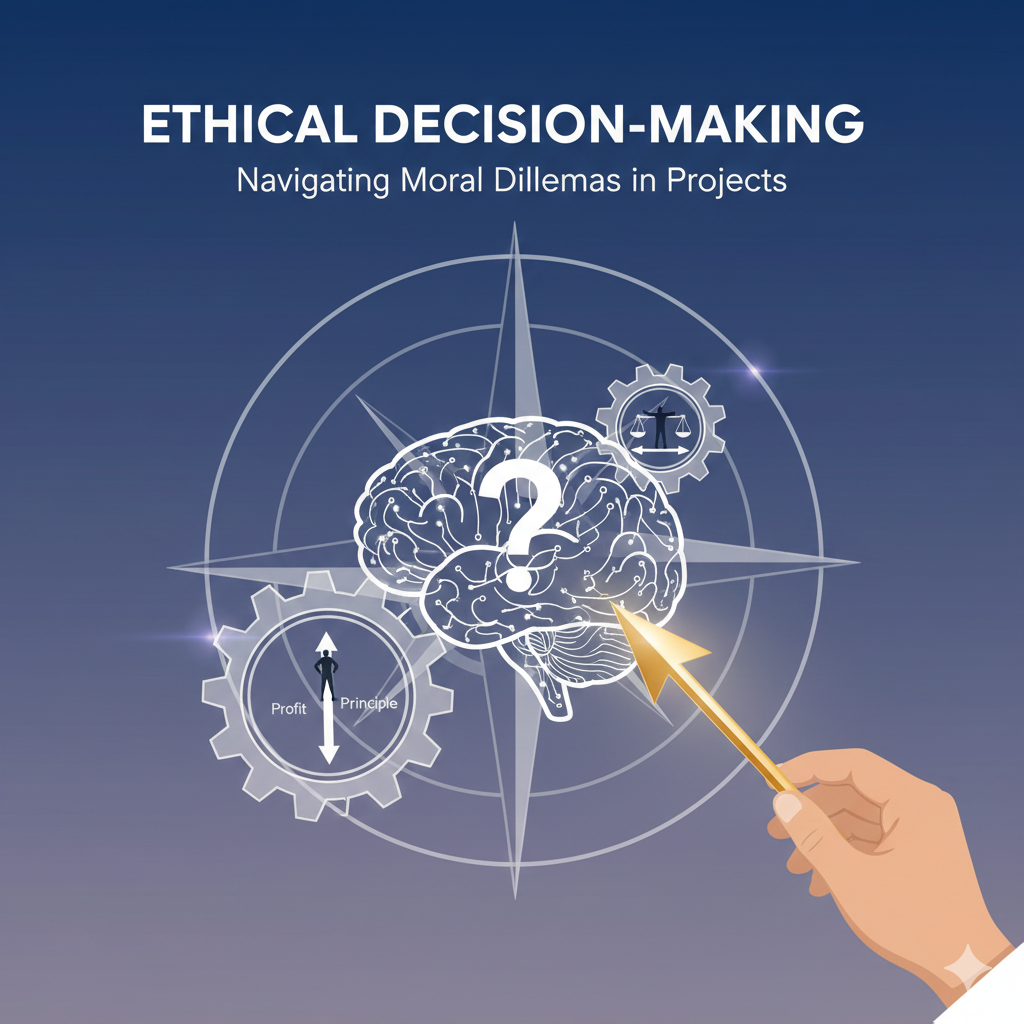
  • Ethical Decision-Making: Navigating moral dilemmas in projects

    Ethical Decision-Making: Navigating moral dilemmas in projects

    Every project—whether academic, professional, or entrepreneurial—involves decisions. Some are straightforward, such as setting deadlines or assigning tasks. Others are far more complex. These are the moments when choices affect not just outcomes, but also people, trust, and integrity. These moments require ethical decision-making.

    At cvDragon, we believe ethical decision-making is not just about avoiding wrongdoing—it’s about building credibility, leadership, and long-term success. In today’s fast-paced, results-driven environment, individuals often face pressure to compromise values for convenience, speed, or recognition. Knowing how to navigate moral dilemmas responsibly is a critical skill for sustainable growth.

    This article explores what ethical decision-making means, why it matters in projects, and how students and professionals can approach difficult choices with clarity and confidence.

    What Is Ethical Decision-Making?

    Ethical decision-making is the process of choosing actions based on principles of fairness, honesty, responsibility, and respect. It involves evaluating not only what is effective, but also what is right.

    Ethical decisions consider:

    • The impact on others

    • The fairness of the action

    • The integrity of the process

    • Long-term consequences

    Ethics guide behavior when rules alone are not enough.

    Understanding Moral Dilemmas in Projects

    A moral dilemma occurs when there is a conflict between competing values or interests. There may be no perfect option—only choices with different consequences.

    Examples in student and professional projects include:

    • Taking credit for shared work

    • Ignoring mistakes to meet deadlines

    • Using unauthorized resources

    • Withholding important information

    • Favoring certain team members unfairly

    These situations test personal and professional integrity.

    Why Ethical Decision-Making Matters

    Ethical choices influence more than project outcomes. They shape reputation, relationships, and trust.

    At cvDragon, we emphasize that ethical behavior builds the foundation for leadership and career growth.

    1. Builds Trust

    Trust is essential in teamwork. Ethical behavior strengthens confidence among team members.

    2. Protects Professional Reputation

    Reputation takes years to build but can be damaged quickly by unethical decisions.

    3. Supports Fairness and Respect

    Ethical decisions ensure equal treatment and respect for all individuals involved.

    4. Ensures Long-Term Success

    Short-term gains achieved through unethical means often lead to long-term consequences.

    Common Ethical Challenges in Projects

    Understanding common dilemmas helps individuals prepare for them.

    1. Academic Integrity Issues

    Examples include plagiarism, copying work, or falsifying data.

    2. Misrepresentation

    Presenting inaccurate information to make results appear better.

    3. Conflict of Interest

    Making decisions that benefit oneself unfairly.

    4. Responsibility Avoidance

    Shifting blame instead of accepting accountability.

    Recognizing these situations is the first step toward ethical action.

    The Ethical Decision-Making Process

    Ethical decisions can be approached systematically.

    Step 1: Identify the Ethical Issue

    Ask:

    • What is the dilemma?

    • Who is affected?

    Clarity helps avoid impulsive choices.

    Step 2: Gather Relevant Information

    Understand the situation fully before acting.

    Consider:

    • Facts

    • Rules

    • Stakeholders

    Step 3: Evaluate Possible Actions

    Ask:

    • Is it fair?

    • Is it honest?

    • Would I be comfortable if others knew about it?

    These questions help assess ethical alignment.

    Step 4: Consider Consequences

    Think about both short-term and long-term impacts.

    Step 5: Make and Reflect on the Decision

    Choose the action that aligns with values and principles.

    Reflection strengthens future decision-making.

    Ethical Decision-Making in Team Projects

    Team environments present unique challenges.

    Ethical team members:

    • Give proper credit

    • Share information openly

    • Respect team agreements

    • Take responsibility for mistakes

    These behaviors build strong collaboration.

    The Role of Integrity

    Integrity means doing the right thing—even when no one is watching.

    Integrity ensures consistency between:

    • Values

    • Words

    • Actions

    At cvDragon, integrity is viewed as one of the most important professional qualities.

    Ethical Leadership in Projects

    Leaders influence team behavior significantly.

    Ethical leaders:

    • Set clear expectations

    • Encourage honesty

    • Address problems fairly

    • Model ethical behavior

    Leadership is demonstrated through ethical action.

    Balancing Pressure and Ethics

    Deadlines, competition, and expectations can create pressure to compromise.

    To stay ethical under pressure:

    • Focus on long-term consequences

    • Seek advice from mentors

    • Avoid impulsive decisions

    Pressure should not override principles.

    Ethics in the Digital and Data-Driven World

    Technology introduces new ethical challenges:

    • Data privacy concerns

    • Misuse of information

    • Digital plagiarism

    Responsible digital behavior is part of ethical professionalism.

    How Students Can Develop Ethical Decision-Making Skills

    Students can build ethical awareness by:

    • Reflecting on values

    • Learning from real-world case studies

    • Practicing honesty in academic work

    • Accepting responsibility for mistakes

    These habits prepare students for professional environments.

    The Role of Emotional Intelligence in Ethical Decisions

    Ethical decisions require emotional awareness.

    Emotional intelligence helps individuals:

    • Understand others’ perspectives

    • Manage personal biases

    • Respond thoughtfully

    This improves fairness and judgment.

    Consequences of Unethical Decisions

    Unethical behavior can result in:

    • Loss of trust

    • Damaged reputation

    • Academic or professional penalties

    • Missed career opportunities

    Ethics protect both individuals and organizations.

    Ethics and Career Growth

    Employers value ethical professionals because they:

    • Build trust

    • Protect organizational reputation

    • Make responsible decisions

    Ethical behavior enhances leadership potential.

    At cvDragon, we encourage candidates to demonstrate integrity and responsibility in all professional interactions.

    Practical Tips for Ethical Decision-Making

    • Pause before making difficult decisions

    • Think about long-term impact

    • Seek guidance when unsure

    • Be honest and transparent

    • Take responsibility for actions

    These habits strengthen ethical confidence.

    cvDragon’s Perspective on Ethical Decision-Making

    At cvDragon, we believe ethical decision-making is a core life and career skill. We support students and professionals in:

    • Developing integrity

    • Navigating complex situations responsibly

    • Building trust-based professional relationships

    Ethics define not just what you achieve—but how you achieve it.

    Conclusion

    Ethical decision-making is not always easy—but it is always essential. Moral dilemmas test character, judgment, and leadership. Choosing integrity over convenience builds trust, respect, and long-term success.

    At cvDragon, we believe ethical professionals create stronger teams, better projects, and more meaningful careers. In every project, your decisions reflect your values—and those values define your future.

    Success achieved ethically is success that lasts.

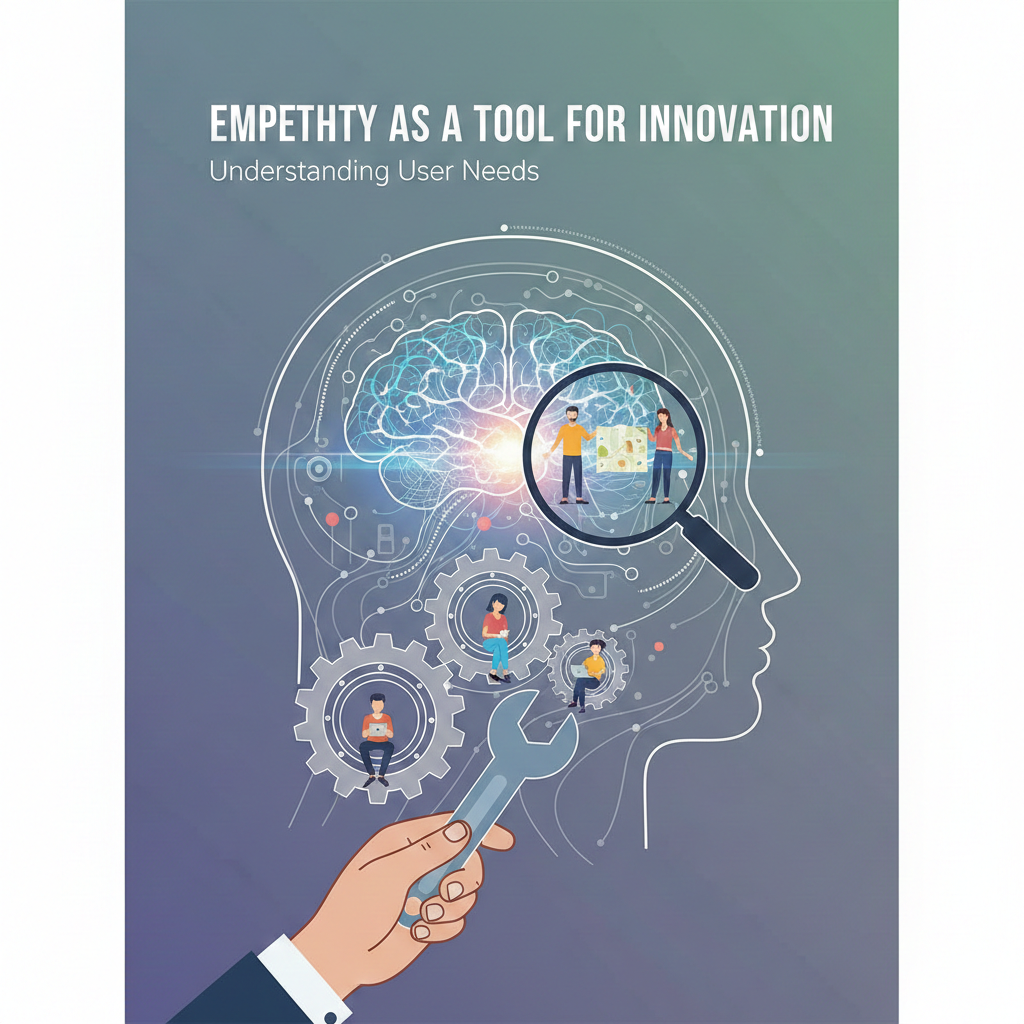
  • Empathy as a Tool for Innovation: Understanding user needs

    Empathy as a Tool for Innovation: Understanding user needs

    Innovation is often associated with technology, creativity, and breakthrough ideas. But behind every successful innovation lies something more human: empathy. The most impactful products, services, and solutions are not created by focusing on technology alone—they are created by deeply understanding the people who use them.

    At cvDragon, we emphasize that empathy is not just a soft skill—it is a powerful tool for innovation. Whether you are designing an app, launching a business, or solving a real-world problem, your ability to understand user needs determines the relevance and success of your solution.

    This article explores how empathy drives innovation, why it matters in today’s world, and how students and professionals can develop empathy to create meaningful, user-centered solutions.

    What Is Empathy in Innovation?

    Empathy is the ability to understand and share the feelings, experiences, and perspectives of others. In innovation, empathy means:

    • Understanding users’ challenges

    • Seeing problems from their perspective

    • Recognizing their needs, frustrations, and goals

    • Designing solutions that genuinely help them

    Empathy shifts the focus from “What can we create?” to “What do people truly need?”

    Why Empathy Is Essential for Innovation

    Many innovations fail not because of poor technology—but because they fail to solve real problems. Empathy ensures that innovation is relevant, useful, and meaningful.

    Empathy helps innovators:

    • Identify real problems

    • Avoid assumptions

    • Build user-friendly solutions

    • Create meaningful impact

    At cvDragon, we encourage learners to approach problem-solving with empathy first and technology second.

    User-Centered Thinking: Innovation That Starts with People

    User-centered thinking is an approach where the needs of users guide every stage of innovation.

    Instead of asking:

    • “What features can we add?”

    Empathetic innovators ask:

    • “What problems are users facing?”

    • “What makes their experience difficult?”

    • “How can we make their lives easier?”

    This approach leads to solutions that people actually value.

    The Difference Between Sympathy and Empathy

    Understanding this distinction is important.

    • Sympathy means feeling sorry for someone.

    • Empathy means understanding their experience.

    Empathy leads to insight. Insight leads to innovation.

    How Empathy Drives Better Problem-Solving

    Empathy improves innovation in several ways:

    1. Identifies Hidden Needs

    Users may not always express their real problems clearly. Empathy helps innovators observe and understand unmet needs.

    2. Improves User Experience

    Empathy ensures solutions are simple, intuitive, and user-friendly.

    3. Reduces Risk of Failure

    Products designed without empathy often fail due to lack of relevance.

    4. Builds Trust and Loyalty

    Users trust solutions that genuinely understand and address their needs.

    Examples of Empathy-Driven Innovation

    Many successful innovations emerged from empathetic understanding:

    • Simplified mobile apps for non-technical users

    • Accessibility features for people with disabilities

    • Online learning platforms designed for diverse learning styles

    These innovations succeeded because they addressed real human challenges.

    Empathy in Design Thinking

    Empathy is the first stage of design thinking—a widely used innovation framework.

    The process includes:

    1. Empathize – Understand users

    2. Define – Identify core problems

    3. Ideate – Generate solutions

    4. Prototype – Build models

    5. Test – Gather feedback

    Empathy lays the foundation for all other stages.

    How Students Can Develop Empathy for Innovation

    Empathy is a skill that can be cultivated.

    1. Practice Active Listening

    Listen without interrupting or judging. Focus on understanding, not responding.

    2. Observe User Behavior

    Watch how people interact with products or systems. Observations reveal insights words may not.

    3. Ask Open-Ended Questions

    Encourage deeper responses by asking:

    • “What challenges do you face?”

    • “What frustrates you most?”

    4. Seek Diverse Perspectives

    Interact with people from different backgrounds and experiences.

    5. Reflect on User Experiences

    Imagine yourself in the user’s position. Consider their emotions, limitations, and goals.

    Empathy in Technology and Product Development

    Technology should serve people—not the other way around.

    Empathy ensures technology is:

    • Accessible

    • Inclusive

    • Practical

    • Easy to use

    Without empathy, even advanced technology can fail.

    Empathy in Business and Entrepreneurship

    Successful businesses focus on solving customer problems.

    Empathetic entrepreneurs:

    • Understand customer pain points

    • Design meaningful solutions

    • Build stronger customer relationships

    Empathy leads to sustainable business success.

    Empathy and Leadership Innovation

    Innovative leaders use empathy to:

    • Understand team challenges

    • Encourage creative thinking

    • Build collaborative environments

    Empathy improves decision-making and team performance.

    Empathy in the Digital Age

    While digital tools improve efficiency, they can reduce human connection.

    Empathy helps maintain human-centered innovation by ensuring technology remains aligned with human needs.

    Barriers to Empathy in Innovation

    Common barriers include:

    • Assumptions about users

    • Lack of user interaction

    • Overemphasis on technical features

    • Ignoring feedback

    Recognizing these barriers improves innovation quality.

    How Empathy Improves Career Skills

    Empathy strengthens:

    • Communication skills

    • Problem-solving ability

    • Leadership potential

    • Team collaboration

    Employers value professionals who understand both systems and people.

    At cvDragon, we encourage empathy as a core employability skill.

    Practical Exercise: Building Empathy

    Students can practice empathy by:

    • Interviewing users

    • Observing everyday challenges

    • Designing simple solutions

    This exercise builds real-world innovation skills.

    cvDragon’s Perspective on Empathy and Innovation

    At cvDragon, we believe innovation begins with understanding people. We help students and professionals:

    • Develop user-centered thinking

    • Strengthen emotional intelligence

    • Build meaningful, impactful solutions

    Empathy transforms ideas into innovations that truly matter.

    Conclusion

    Innovation is not just about creating something new—it’s about creating something meaningful. Empathy ensures innovation serves real people and solves real problems.

    At cvDragon, we believe empathy is one of the most powerful tools for future innovators. By understanding user needs deeply, students and professionals can design solutions that make a genuine difference.

    Technology may enable innovation—but empathy gives it purpose.

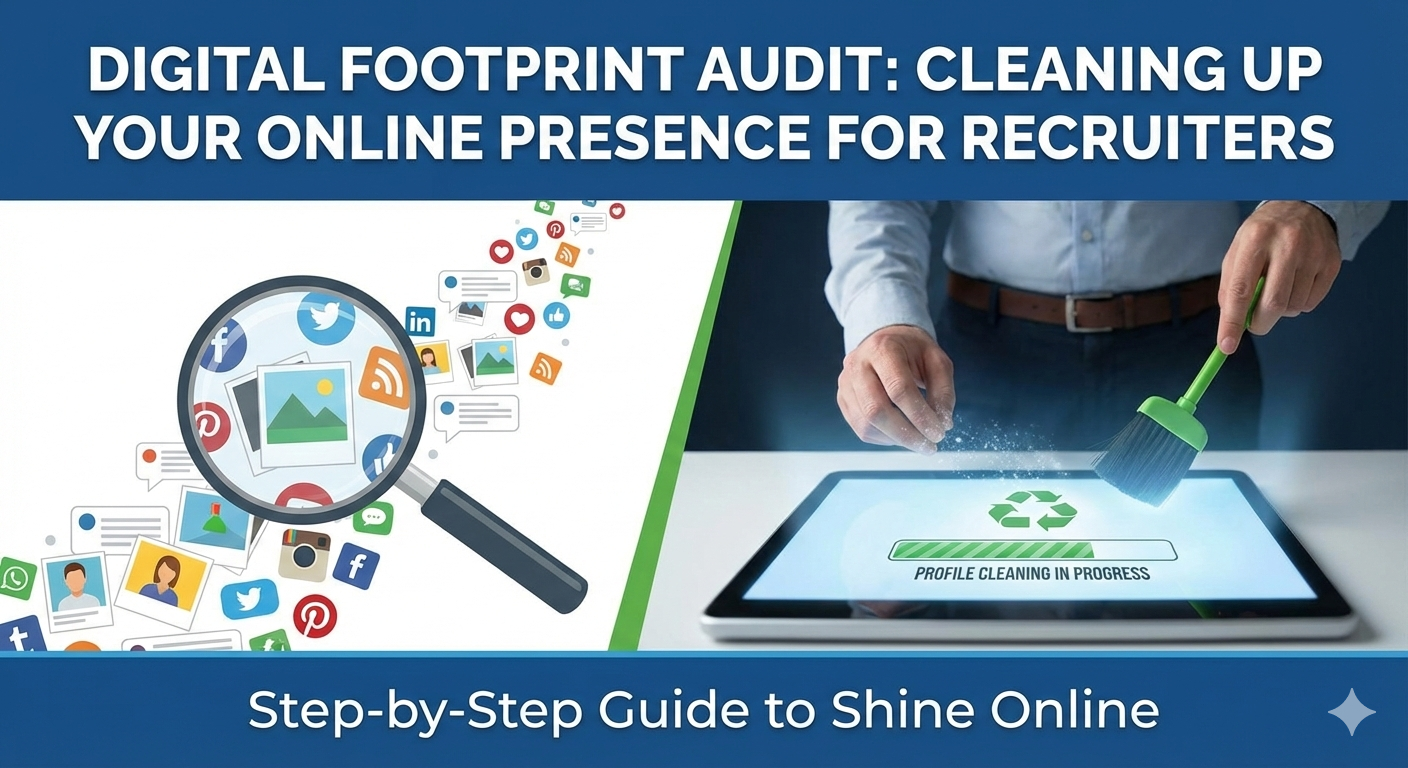
  • Digital Footprint Audit: Cleaning Up Your Online Presence for Recruiters

    Digital Footprint Audit: Cleaning Up Your Online Presence for Recruiters

    Before you walk into an interview room, chances are you’ve already been “seen.” Recruiters today routinely search candidates online before shortlisting or making hiring decisions. Your social media profiles, old posts, tagged photos, comments, and even inactive accounts collectively form your digital footprint.

    At cvDragon, we often tell students and professionals: Your online presence is your silent resume. Whether you are aware of it or not, it shapes first impressions. Conducting a digital footprint audit is no longer optional—it’s a critical step in career readiness.

    This article explains what a digital footprint is, why it matters to recruiters, and how to clean up and optimize your online presence strategically and professionally.

    What Is a Digital Footprint?

    A digital footprint is the trail of information you leave behind while using the internet. It includes:

    • Social media profiles

    • Posts, comments, and likes

    • Blog entries

    • Photos and videos

    • Online forum activity

    • News mentions

    • Public records

    • Search engine results linked to your name

    Your digital footprint can be active (things you post intentionally) or passive (data collected automatically, like tagged content or old accounts).

    Why Recruiters Check Online Profiles

    Recruiters look online to:

    • Verify professional credibility

    • Assess communication style

    • Evaluate cultural fit

    • Identify red flags

    • Discover additional achievements

    A strong online presence can enhance your candidacy. A careless one can quietly remove you from consideration.

    At cvDragon, we emphasize that digital reputation management is part of modern professional etiquette.

    Step 1: Search Yourself First

    Begin your digital footprint audit by:

    • Searching your full name on search engines

    • Checking image results

    • Reviewing different variations of your name

    • Looking at older posts or inactive profiles

    View your online presence from a recruiter’s perspective.

    Ask yourself:

    • Does this reflect professionalism?

    • Would I hire this person?

    Honest evaluation is the first step to improvement.

    Step 2: Review Social Media Accounts

    Even if your accounts are private, profile photos, bios, and usernames are often visible.

    Check:

    • Profile pictures

    • Cover photos

    • Bio descriptions

    • Public posts

    • Tagged photos

    • Comment history

    Remove or archive content that could appear:

    • Offensive

    • Inappropriate

    • Unprofessional

    • Immature

    Professionalism online signals maturity and responsibility.

    Step 3: Adjust Privacy Settings

    Privacy settings are essential—but they are not a substitute for good judgment.

    Ensure:

    • Personal content is restricted to trusted audiences

    • Contact information is protected

    • Old posts are limited if necessary

    However, remember: Anything online can potentially become public. Always think before posting.

    Step 4: Delete or Deactivate Old Accounts

    Inactive or forgotten accounts can harm your digital image.

    Look for:

    • Old social media platforms

    • Gaming accounts with questionable usernames

    • Unused blogs

    • Forums with outdated opinions

    Deactivate or update accounts to ensure consistency and professionalism.

    Step 5: Clean Up Your Username and Email

    Your email address and usernames should reflect professionalism.

    Avoid:

    • Nicknames

    • Slang

    • Random numbers

    • Unprofessional language

    Instead, use formats like:

    Small details make strong impressions.

    Step 6: Strengthen Your Professional Presence

    Cleaning up is only half the process. The next step is building a positive digital identity.

    Consider:

    • Creating or updating your LinkedIn profile

    • Sharing academic or professional achievements

    • Publishing thoughtful content

    • Engaging in industry discussions

    A well-maintained professional profile can offset older, less relevant content.

    At cvDragon, we guide candidates in building a balanced and credible online brand.

    Step 7: Monitor Tagged Content

    Friends and colleagues may tag you in posts or images that affect your reputation.

    Regularly:

    • Review tagged posts

    • Untag inappropriate content

    • Adjust tag approval settings

    Your reputation includes content posted by others.

    Step 8: Google Alerts and Ongoing Monitoring

    Set up alerts for your name to stay informed about new mentions online.

    Regular monitoring helps you:

    • Stay proactive

    • Respond quickly if needed

    • Maintain control over your digital narrative

    A digital footprint audit is not a one-time task—it’s an ongoing habit.

    Common Online Red Flags for Recruiters

    Recruiters often notice:

    • Negative comments about employers or institutions

    • Discriminatory or offensive content

    • Evidence of dishonesty

    • Unprofessional communication style

    • Inconsistent personal branding

    Avoiding these pitfalls strengthens your professional credibility.

    Digital Footprint and Personal Branding

    Your online presence should align with your career goals.

    For example:

    • Marketing students can showcase creative projects

    • Tech professionals can share coding portfolios

    • Law aspirants can post thoughtful legal insights

    Intentional personal branding helps recruiters understand your strengths quickly.

    The Balance Between Authenticity and Professionalism

    Cleaning up your digital presence does not mean hiding your personality. Instead, aim for:

    • Respectful expression

    • Thoughtful communication

    • Positive engagement

    Authenticity combined with professionalism builds trust.

    Digital Footprint and Career Growth

    A strong online presence can:

    • Attract recruiters directly

    • Open networking opportunities

    • Build thought leadership

    • Enhance credibility

    In competitive job markets, your digital profile may differentiate you from equally qualified candidates.

    At cvDragon, we encourage candidates to treat their online presence as an extension of their resume.

    Mistakes to Avoid During a Digital Cleanup

    • Deleting everything without strategy

    • Ignoring professional networking platforms

    • Creating overly artificial or robotic profiles

    • Failing to update information regularly

    Strategic curation is more effective than sudden erasure.

    How Students Can Start Early

    Students should:

    • Build professional habits from the beginning

    • Avoid posting impulsively

    • Think long-term about reputation

    Your digital footprint today may impact opportunities years later.

    cvDragon’s Approach to Digital Reputation Management

    At cvDragon, we believe digital literacy includes online reputation management. We support students and professionals in:

    • Conducting digital audits

    • Aligning online presence with career goals

    • Building strong professional profiles

    • Maintaining ethical and responsible online behavior

    A polished digital footprint signals readiness, maturity, and awareness.

    Conclusion

    Your digital footprint is a reflection of who you are—and who you are becoming. In an era where recruiters search before they speak to you, maintaining a clean and professional online presence is essential.

    At cvDragon, we believe that auditing and improving your digital footprint is an investment in your future. By managing what you share, strengthening your professional profiles, and staying mindful of your online behavior, you take control of your narrative.

    Remember: The internet rarely forgets—but you can choose what it remembers about you.

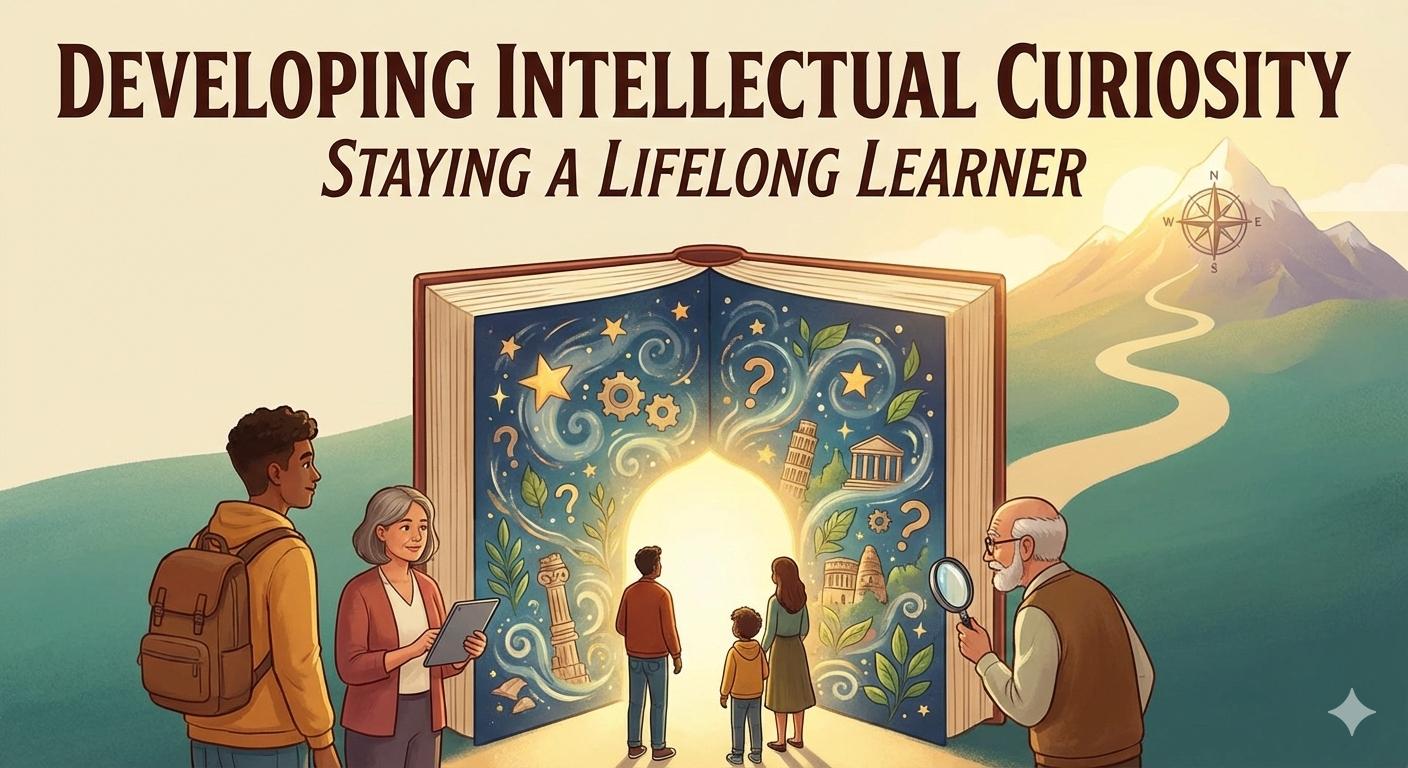
  • Developing Intellectual Curiosity: Staying a Lifelong Learner

    Developing Intellectual Curiosity: Staying a Lifelong Learner

    In a rapidly changing world, knowledge becomes outdated faster than ever. Degrees alone are no longer enough. The individuals who thrive are those who continue learning—long after formal education ends. At the heart of this continuous growth lies one powerful trait: intellectual curiosity.

    Intellectual curiosity is more than just asking questions in class. It is a mindset—a genuine desire to understand how things work, why they happen, and what can be improved. At cvDragon, we believe that cultivating intellectual curiosity is one of the most important habits for long-term academic success, career advancement, and personal fulfillment.

    This article explores what intellectual curiosity truly means, why it matters, and how you can develop the habits of a lifelong learner.

    What Is Intellectual Curiosity?

    Intellectual curiosity is the internal drive to explore, learn, and understand new ideas. It goes beyond memorizing information. Curious individuals:

    • Ask thoughtful questions

    • Seek deeper explanations

    • Explore topics outside their comfort zones

    • Stay open to new perspectives

    • Enjoy learning for its own sake

    Curiosity fuels innovation, creativity, and problem-solving.

    Why Intellectual Curiosity Matters Today

    We live in an era of constant change:

    • New technologies emerge regularly

    • Industries evolve rapidly

    • Skills quickly become outdated

    In this environment, static knowledge is not enough. What matters most is the ability to continuously adapt and learn.

    At cvDragon, we emphasize that employers increasingly value adaptability and growth mindset over fixed expertise. Intellectual curiosity signals that you are capable of evolving with change.

    The Difference Between Learning and Lifelong Learning

    Learning often happens in structured environments—schools, universities, training programs.

    Lifelong learning, however:

    • Is self-driven

    • Continues beyond formal education

    • Is fueled by intrinsic motivation

    A curious mind doesn’t stop at passing exams. It seeks understanding beyond requirements.

    Benefits of Intellectual Curiosity

    1. Enhances Critical Thinking

    Curiosity encourages deeper analysis rather than surface-level acceptance. Curious individuals question assumptions and evaluate evidence carefully.

    2. Improves Problem-Solving Skills

    When faced with challenges, curious thinkers explore multiple solutions rather than settling for the first answer.

    3. Encourages Innovation

    Many breakthroughs begin with simple questions:

    • “Why does this happen?”

    • “Is there a better way?”

    Curiosity drives creative exploration.

    4. Strengthens Career Growth

    Professionals who stay curious:

    • Learn new skills proactively

    • Adapt to industry trends

    • Stay competitive in job markets

    Curiosity keeps careers dynamic.

    5. Increases Personal Fulfillment

    Learning new ideas, cultures, and perspectives enriches life experiences and builds confidence.

    Barriers to Intellectual Curiosity

    Despite its benefits, curiosity can fade due to:

    • Fear of failure

    • Overemphasis on grades or performance

    • Rigid thinking patterns

    • Comfort with routine

    • Information overload

    Recognizing these barriers is the first step toward overcoming them.

    How to Develop Intellectual Curiosity

    1. Ask Better Questions

    Instead of asking:

    • “What do I need to know for the test?”

    Ask:

    • “Why does this concept matter?”

    • “How does this apply in real life?”

    Quality questions lead to deeper insights.

    2. Read Widely and Diversely

    Explore topics beyond your primary field of study. Read:

    • Books

    • Research articles

    • Biographies

    • Industry reports

    Cross-disciplinary knowledge sparks innovative thinking.

    3. Embrace Discomfort

    Growth often happens outside comfort zones. Try:

    • Learning a new skill

    • Engaging in debates

    • Exploring unfamiliar subjects

    Curiosity thrives in exploration.

    4. Practice Reflective Thinking

    After learning something new, ask:

    • “What did I learn?”

    • “How does this connect to what I already know?”

    Reflection strengthens understanding.

    5. Limit Passive Consumption

    Scrolling endlessly through content can reduce deep thinking. Instead:

    • Engage actively with information

    • Take notes

    • Summarize insights

    Intentional engagement builds curiosity.

    6. Seek Mentorship and Conversations

    Discuss ideas with peers, professors, or professionals. Conversations often open doors to new perspectives.

    Intellectual Curiosity in the Digital Age

    The internet offers unlimited access to information. However, curiosity requires:

    • Critical evaluation of sources

    • Avoiding misinformation

    • Exploring multiple viewpoints

    Digital literacy combined with curiosity leads to informed learning.

    Curiosity and Growth Mindset

    A growth mindset—the belief that abilities can improve through effort—is closely tied to curiosity.

    Curious individuals:

    • View mistakes as learning opportunities

    • Seek feedback

    • Persist despite challenges

    At cvDragon, we encourage learners to embrace growth over perfection.

    Intellectual Curiosity in Academic Life

    Students can nurture curiosity by:

    • Participating actively in discussions

    • Taking elective courses outside their major

    • Engaging in research projects

    • Exploring internships in diverse fields

    Curiosity transforms academic life from obligation into exploration.

    Intellectual Curiosity in Professional Settings

    In workplaces, curious professionals:

    • Ask insightful questions during meetings

    • Stay updated on industry trends

    • Propose innovative ideas

    • Seek continuous improvement

    Such individuals are often seen as proactive and forward-thinking.

    The Role of Curiosity in Leadership

    Leaders who remain curious:

    • Listen openly to diverse opinions

    • Encourage innovation

    • Make informed decisions

    • Adapt to change effectively

    Curiosity enhances emotional intelligence and strategic thinking.

    Balancing Curiosity with Focus

    While curiosity is valuable, it should be guided by purpose.

    To stay focused:

    • Set learning goals

    • Prioritize relevant topics

    • Allocate structured learning time

    Balanced curiosity leads to productive growth.

    How cvDragon Encourages Lifelong Learning

    At cvDragon, we believe intellectual curiosity is foundational to career readiness. We support students and professionals by:

    • Promoting skill development beyond degrees

    • Encouraging reflective learning

    • Highlighting the importance of adaptability

    • Supporting continuous personal and professional growth

    Curiosity is not just an academic trait—it is a career advantage.

    Practical Daily Habits to Stay Curious

    • Read for 20 minutes daily

    • Ask at least one meaningful question in discussions

    • Explore one new topic weekly

    • Reflect on lessons learned

    • Engage with diverse perspectives

    Small habits create long-term intellectual growth.

    Conclusion

    Intellectual curiosity is the engine of lifelong learning. In a world that evolves constantly, those who remain curious remain relevant. Curiosity encourages exploration, resilience, creativity, and growth.

    At cvDragon, we believe that staying intellectually curious is one of the most powerful investments you can make in your future. Degrees may open doors—but curiosity keeps them open.

    To stay ahead, stay curious. To grow continuously, stay learning.

  • Data Visualization Basics: Turning Numbers into Visual Stories

    Data Visualization Basics: Turning Numbers into Visual Stories

    Numbers alone rarely inspire action. A spreadsheet full of data may be accurate, but without clarity, it often fails to communicate meaning. This is where data visualization becomes powerful. When numbers are transformed into clear visuals—charts, graphs, dashboards—they tell stories that are easier to understand, interpret, and act upon.

    At cvDragon, we emphasize that data literacy is no longer reserved for data scientists. Whether you’re a student presenting research, a marketer analyzing campaign results, or a manager reviewing performance metrics, the ability to turn numbers into visual stories is a highly valuable skill.

    This article explores the basics of data visualization, why it matters, and how you can start creating meaningful, impactful visuals.

    What Is Data Visualization?

    Data visualization is the process of representing data graphically to make patterns, trends, and insights easier to understand. Instead of reading rows of numbers, audiences can quickly grasp insights through visual formats like:

    • Bar charts

    • Line graphs

    • Pie charts

    • Scatter plots

    • Dashboards

    • Infographics

    Effective data visualization simplifies complexity without distorting truth.

    Why Data Visualization Matters

    We process visuals faster than text. Research consistently shows that people interpret images more quickly than raw numbers. Good visual storytelling:

    • Improves clarity

    • Enhances decision-making

    • Increases audience engagement

    • Supports persuasive communication

    At cvDragon, we often guide students to improve presentation skills by incorporating strong visual data representation.

    From Data to Story: The Core Idea

    Data visualization is not just about charts—it’s about storytelling. A strong data story answers three key questions:

    1. What happened?

    2. Why did it happen?

    3. What should be done next?

    Numbers provide evidence. Visuals provide understanding. Together, they create impact.

    Types of Common Data Visualizations

    Choosing the right chart type is essential.

    1. Bar Charts

    Best for comparing categories.

    Example:

    • Sales across different products

    • Student performance in subjects

    Bar charts are simple, clear, and widely used.

    2. Line Charts

    Best for showing trends over time.

    Example:

    • Website traffic growth

    • Monthly revenue changes

    Line graphs reveal patterns and direction.

    3. Pie Charts

    Best for showing proportions.

    Example:

    • Market share distribution

    • Budget allocation

    However, pie charts should be used sparingly when categories are few and distinct.

    4. Scatter Plots

    Best for showing relationships between variables.

    Example:

    • Study hours vs. exam scores

    • Advertising spend vs. sales

    They help identify correlations.

    5. Dashboards

    Dashboards combine multiple visual elements to provide a real-time overview of key metrics.

    They are common in:

    • Business analytics

    • Marketing reports

    • Performance tracking

    Principles of Effective Data Visualization

    Creating good visuals is both art and science.

    1. Clarity Over Complexity

    Avoid overcrowded charts. Simplicity improves understanding.

    2. Accuracy and Honesty

    Never manipulate scales or distort data to exaggerate findings. Ethical visualization builds trust.

    3. Choose the Right Chart Type

    Different data types require different visuals. Misaligned visuals confuse audiences.

    4. Use Consistent Labels and Units

    Clear titles, axis labels, and legends prevent misinterpretation.

    5. Highlight Key Insights

    Use subtle emphasis to guide attention to important points.

    Common Mistakes in Data Visualization

    Even good data can be misunderstood if poorly presented.

    Avoid:

    • Overusing colors

    • Using 3D effects unnecessarily

    • Presenting too much information at once

    • Ignoring context or explanation

    Remember: The goal is understanding, not decoration.

    Tools for Data Visualization

    You don’t need advanced programming skills to start.

    Popular tools include:

    • Microsoft Excel

    • Google Sheets

    • Tableau

    • Power BI

    • Canva (for infographics)

    • Python or R (for advanced users)

    Students can begin with spreadsheet tools before moving to specialized software.

    Data Visualization for Students

    Students benefit from visualization in many ways:

    • Presenting research projects

    • Analyzing survey results

    • Creating academic reports

    • Preparing case study presentations

    Visual storytelling strengthens communication skills and confidence.

    At cvDragon, we encourage students to showcase data visualization skills in portfolios and resumes.

    Data Visualization in Professional Settings

    In workplaces, visuals drive decisions.

    Managers rely on dashboards to:

    • Monitor performance

    • Track progress

    • Identify problems early

    Marketers use visuals to:

    • Analyze campaign results

    • Measure engagement metrics

    Financial analysts visualize trends to:

    • Forecast growth

    • Assess risks

    The ability to communicate data visually enhances credibility and influence.

    The Role of Critical Thinking in Data Visualization

    Visualization is not just technical—it requires analysis.

    Ask:

    • What story does the data truly tell?

    • What insights matter most to the audience?

    • What context is necessary?

    Critical thinking ensures visuals are meaningful, not misleading.

    Visual Storytelling and Persuasion

    Well-designed data visuals can persuade audiences effectively.

    For example:

    • A clear upward trend can demonstrate growth.

    • A comparison chart can justify budget decisions.

    When combined with narrative explanation, visuals become compelling communication tools.

    Ethical Data Visualization

    Ethics in data visualization means:

    • Avoiding selective data presentation

    • Providing context

    • Being transparent about limitations

    Misleading visuals damage trust and professional reputation.

    At cvDragon, we stress the importance of integrity in all professional communication.

    How Data Visualization Builds Career Skills

    Mastering data visualization develops:

    • Analytical thinking

    • Presentation skills

    • Attention to detail

    • Digital literacy

    These skills are valuable across industries, including marketing, finance, research, technology, and management.

    Practical Steps to Improve Data Visualization Skills

    1. Practice with real datasets.

    2. Analyze existing dashboards critically.

    3. Learn basic design principles.

    4. Focus on clarity and storytelling.

    5. Seek feedback on your presentations.

    Consistent practice transforms raw numbers into meaningful narratives.

    cvDragon’s Perspective on Data Literacy

    At cvDragon, we believe data visualization is a key component of modern career readiness. We guide students and professionals to:

    • Build analytical confidence

    • Present insights clearly

    • Combine data skills with communication skills

    Data literacy empowers individuals to contribute more effectively in academic and professional settings.

    Conclusion

    Data alone informs—but visual stories inspire understanding and action. In an era driven by analytics and evidence-based decisions, mastering data visualization basics is not optional—it’s essential.

    At cvDragon, we believe that the ability to transform numbers into clear, compelling visuals sets individuals apart. Whether you are a student, analyst, or future leader, strong data visualization skills will help you communicate insights with clarity, confidence, and impact.

    Numbers speak—but visuals make them heard.

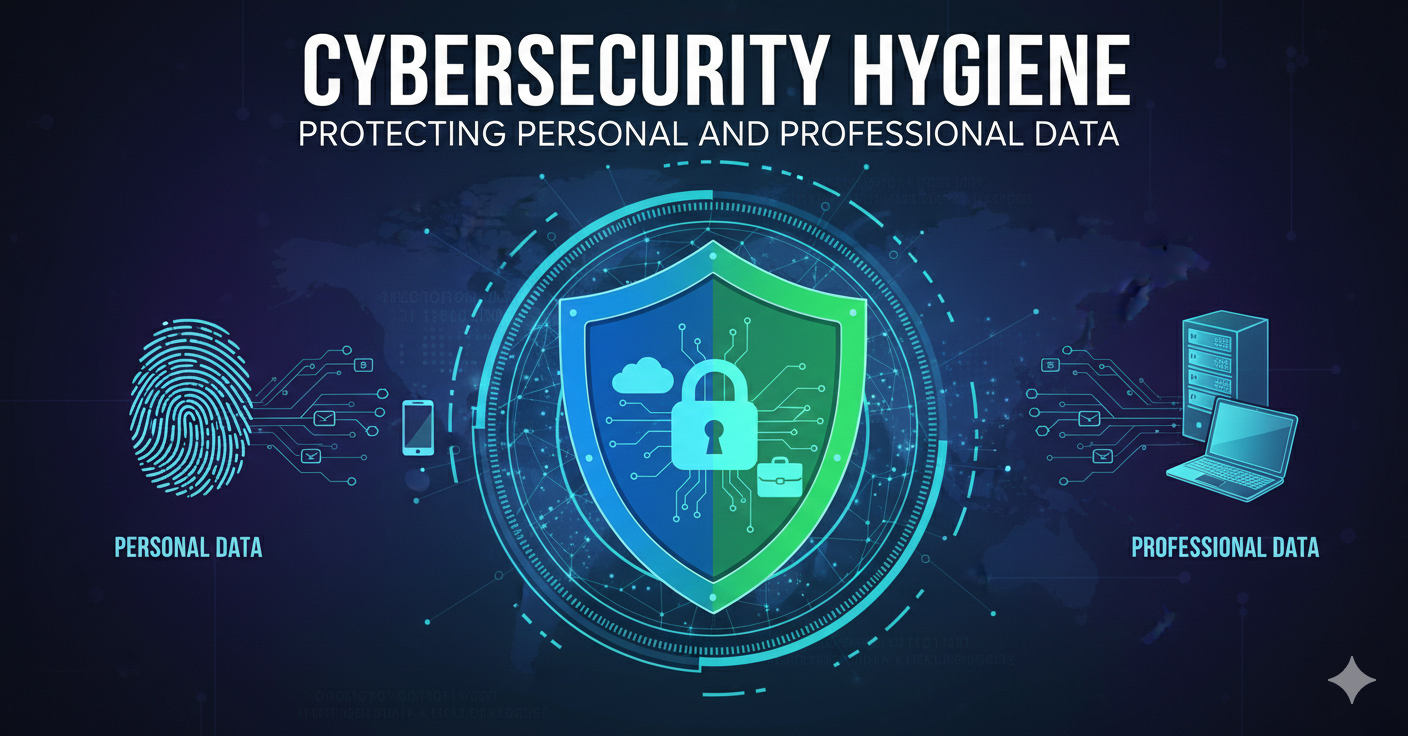
  • Cybersecurity Hygiene: Protecting Personal and Professional Data

    Cybersecurity Hygiene: Protecting Personal and Professional Data

    In a world where almost everything happens online—from classes and job applications to banking and work collaboration—data has become one of our most valuable assets. Yet, many students and professionals underestimate how vulnerable their personal and professional information really is.

    At cvDragon, we often remind learners that cybersecurity is no longer just an IT concern—it’s a life skill. Poor cybersecurity hygiene can lead to identity theft, financial loss, damaged reputations, and even career setbacks. On the other hand, good digital habits can protect not only your data, but also your credibility and future opportunities.

    This article explains what cybersecurity hygiene means, why it matters, and how individuals can build simple, effective habits to safeguard their digital lives.

    What Is Cybersecurity Hygiene?

    Cybersecurity hygiene refers to the everyday practices and behaviors that help keep your digital devices, accounts, and data secure. Just like personal hygiene protects physical health, cybersecurity hygiene protects your digital well-being.

    It includes habits such as:

    • Using strong passwords

    • Keeping software updated

    • Recognizing phishing attempts

    • Protecting sensitive information

    • Practicing safe online behavior

    Good cybersecurity hygiene reduces the risk of cyberattacks caused by human error—the most common security weakness.

    Why Cybersecurity Hygiene Is So Important Today

    Digital threats are increasing rapidly:

    • Phishing emails look more convincing than ever

    • Data breaches affect even trusted platforms

    • Remote work exposes personal devices to professional data

    • Social media oversharing creates security risks

    For students and professionals, a single mistake—like clicking a malicious link—can compromise not just personal data, but also organizational systems.

    At cvDragon, we emphasize that cybersecurity awareness is now part of career readiness and professional responsibility.

    Personal Data vs. Professional Data

    Understanding the difference helps you protect both effectively.

    Personal Data Includes:

    • Email and social media accounts

    • Banking and payment information

    • Identity documents

    • Personal photos and files

    Professional Data Includes:

    • Work emails and credentials

    • Company documents and client information

    • Internal communications

    • Intellectual property

    Losing control of either can have serious consequences.

    Common Cyber Threats Everyone Should Know

    1. Phishing Attacks

    Fake emails or messages designed to trick you into revealing sensitive information.

    2. Weak or Reused Passwords

    Using the same password across platforms increases vulnerability.

    3. Malware and Ransomware

    Malicious software that steals or locks data.

    4. Unsecured Public Wi-Fi

    Open networks can expose data to attackers.

    5. Social Engineering

    Manipulating people into breaking security rules.

    Awareness is the first step toward prevention.

    Essential Cybersecurity Hygiene Practices

    1. Use Strong and Unique Passwords

    A strong password:

    • Is at least 12 characters long

    • Includes letters, numbers, and symbols

    • Is unique for each account

    Password managers can help store and generate secure passwords safely.

    2. Enable Two-Factor Authentication (2FA)

    Two-factor authentication adds an extra layer of security by requiring:

    • Something you know (password)

    • Something you have (OTP, app, or device)

    This significantly reduces the risk of unauthorized access.

    3. Keep Software and Devices Updated

    Updates often fix security vulnerabilities. Always:

    • Update operating systems

    • Patch apps and browsers

    • Install security updates promptly

    Delaying updates leaves doors open to attackers.

    4. Be Alert to Phishing and Scams

    Before clicking:

    • Check sender email addresses carefully

    • Avoid urgent or threatening language

    • Never share OTPs or passwords

    When in doubt, verify through official channels.

    5. Secure Your Devices

    • Use screen locks and biometric security

    • Enable device encryption

    • Install trusted antivirus software

    Lost or stolen devices are a major data risk.

    Cybersecurity Hygiene for Students

    Students often handle sensitive data without realizing it:

    • University portals

    • Online exams

    • Internship and job applications

    Students should:

    • Protect academic accounts

    • Avoid downloading pirated software

    • Be cautious with shared devices

    Good habits built early last a lifetime.

    Cybersecurity Hygiene in the Workplace

    Professionals are often the first line of defense against cyber threats.

    Workplace best practices include:

    • Using official devices and networks

    • Following company security policies

    • Avoiding unauthorized software

    • Reporting suspicious activity immediately

    At cvDragon, we encourage professionals to treat cybersecurity as part of ethical workplace behavior.

    Remote Work and Cybersecurity Risks

    Remote work blurs the line between personal and professional data.

    To stay safe:

    • Use secure home networks

    • Avoid public Wi-Fi for sensitive tasks

    • Separate work and personal accounts

    • Log out from shared or public devices

    Remote flexibility requires greater digital responsibility.

    Social Media and Data Protection

    Oversharing online can create security risks.

    Cyber-safe social media habits include:

    • Limiting public personal details

    • Avoiding location sharing

    • Being cautious with unknown connections

    What you post today can affect both security and career prospects tomorrow.

    The Human Factor in Cybersecurity

    Most cyber incidents happen due to:

    • Lack of awareness

    • Carelessness

    • Overconfidence

    Technology alone cannot protect data—people play the most critical role. Cybersecurity hygiene is about mindset as much as tools.

    Cybersecurity Hygiene as a Career Skill

    Employers value individuals who:

    • Handle data responsibly

    • Understand digital risks

    • Follow security protocols

    Cyber awareness signals professionalism, trustworthiness, and maturity.

    At cvDragon, we encourage candidates to highlight digital responsibility and compliance awareness where relevant.

    Building a Cybersecurity-First Mindset

    A cybersecurity-first mindset means:

    • Thinking before clicking

    • Verifying before trusting

    • Protecting information by default

    This mindset reduces risks across all areas of digital life.

    cvDragon’s Approach to Digital Safety and Career Readiness

    At cvDragon, we believe modern career readiness includes digital safety. We guide students and professionals to:

    • Develop responsible digital habits

    • Understand data privacy basics

    • Protect personal and professional identities

    Strong cybersecurity hygiene protects not just data—but reputations and careers.

    Conclusion

    Cybersecurity hygiene is no longer optional—it’s essential. In an interconnected digital world, protecting your personal and professional data is part of protecting your future.

    At cvDragon, we believe that small, consistent habits—strong passwords, awareness, and responsible online behavior—can prevent major losses. Cybersecurity is not about fear; it’s about preparedness and confidence.

    When you protect your data, you protect your identity, your opportunities, and your professional credibility.

  • Community Building: Fostering a sense of belonging in groups

    Community Building: Fostering a sense of belonging in groups

    In classrooms, workplaces, campuses, and online spaces, people don’t just look for information or opportunities—they look for belonging. The feeling of being seen, valued, and included plays a powerful role in motivation, confidence, and long-term success. This is where community building becomes essential.

    At cvDragon, we work with students and young professionals from diverse backgrounds, and one insight stands out consistently: skills grow faster and potential unfolds more fully in environments where people feel connected. A strong community doesn’t happen by chance—it is built intentionally through trust, empathy, and shared purpose.

    This article explores what community building truly means, why fostering a sense of belonging matters, and how students, leaders, and organizations can create inclusive, supportive groups that thrive.

    What Is Community Building?

    Community building is the process of creating and nurturing relationships within a group so members feel:

    • Connected

    • Respected

    • Supported

    • Valued

    A community can exist anywhere:

    • Student groups and classrooms

    • Work teams and organizations

    • Clubs, societies, and NGOs

    • Online forums and digital platforms

    What defines a community is not size or structure—but the quality of relationships within it.

    Understanding the Sense of Belonging

    A sense of belonging is the emotional experience of feeling accepted and included. When people feel they belong, they are more likely to:

    • Participate actively

    • Share ideas openly

    • Support others

    • Stay engaged long term

    Belonging is a fundamental human need, influencing both mental well-being and performance.

    At cvDragon, we view belonging as the foundation upon which collaboration, leadership, and growth are built.

    Why Community Building Matters

    Strong communities create environments where individuals can thrive—not just survive.

    1. Improves Mental and Emotional Well-Being

    Feeling isolated can increase stress, anxiety, and self-doubt. A supportive community:

    • Reduces loneliness

    • Encourages emotional expression

    • Builds psychological safety

    People perform better when they feel emotionally supported.

    2. Enhances Learning and Growth

    In learning environments, belonging:

    • Encourages questions and curiosity

    • Reduces fear of making mistakes

    • Promotes peer-to-peer learning

    Students learn more effectively when they feel safe to participate.

    3. Strengthens Collaboration and Teamwork

    Communities foster trust. Trust leads to:

    • Better communication

    • Faster problem-solving

    • Stronger teamwork

    Groups that feel connected work more efficiently and creatively.

    4. Increases Engagement and Retention

    Whether in colleges or organizations, people are more likely to stay where they feel valued. Belonging boosts:

    • Participation

    • Commitment

    • Long-term involvement

    This is why strong communities outperform fragmented groups.

    Key Elements of Strong Communities

    While every group is different, thriving communities share common traits.

    1. Shared Purpose

    Members feel connected when they understand:

    • Why the group exists

    • What it stands for

    • What goals it is working toward

    A clear purpose gives people a reason to belong.

    2. Inclusivity and Respect

    Inclusive communities:

    • Welcome diverse perspectives

    • Respect differences

    • Avoid judgment or exclusion

    Belonging grows when people can be themselves without fear.

    3. Open Communication

    Healthy communities encourage:

    • Honest dialogue

    • Active listening

    • Constructive feedback

    Communication builds understanding and trust.

    4. Mutual Support

    Strong communities are not transactional—they are reciprocal. Members:

    • Celebrate each other’s successes

    • Offer help during challenges

    • Share resources and knowledge

    Support strengthens bonds over time.

    Community Building in Student Groups

    For students, community often shapes the entire educational experience.

    Student communities:

    • Improve confidence and participation

    • Encourage leadership development

    • Create peer support systems

    Clubs, study groups, and campus initiatives are powerful spaces for belonging when guided intentionally.

    Community Building in the Workplace

    Modern workplaces increasingly recognize that culture matters as much as competence.

    Workplace communities:

    • Improve employee engagement

    • Foster collaboration

    • Reduce burnout

    Teams that feel connected communicate better and adapt faster to change.

    The Role of Leaders in Fostering Belonging

    Leaders play a critical role in shaping community culture.

    Effective community-focused leaders:

    • Listen actively

    • Encourage participation from all members

    • Acknowledge contributions

    • Model inclusive behavior

    Leadership is less about authority and more about creating space for others.

    Practical Ways to Build Community and Belonging

    1. Create Safe Spaces for Interaction

    Encourage informal conversations, group discussions, and shared activities. Safe spaces allow relationships to develop naturally.

    2. Encourage Participation, Not Perfection

    Invite contributions without pressure. Let people engage at their own pace.

    3. Celebrate Diversity

    Recognize different backgrounds, skills, and perspectives as strengths—not obstacles.

    4. Acknowledge Contributions

    Simple recognition—thanking someone, highlighting effort—goes a long way in building belonging.

    5. Foster Peer Connections

    Communities grow stronger when members connect with each other, not just with leaders.

    Community Building in Digital Spaces

    Online communities are now a major part of education and work.

    To foster belonging digitally:

    • Encourage respectful communication

    • Set clear community guidelines

    • Promote collaboration, not competition

    • Be mindful of tone and inclusivity

    Digital belonging requires intention just like physical spaces.

    Challenges in Community Building

    Community building is not without challenges:

    • Differences in opinions or backgrounds

    • Conflicts or misunderstandings

    • Unequal participation

    Addressing challenges openly and empathetically strengthens communities rather than weakening them.

    Community, Identity, and Personal Growth

    Belonging shapes identity. Being part of a supportive group helps individuals:

    • Build confidence

    • Discover strengths

    • Develop leadership skills

    Communities act as mirrors—reflecting potential people may not see on their own.

    Why Community Skills Matter for Careers

    Employers value individuals who:

    • Collaborate effectively

    • Communicate respectfully

    • Contribute to positive team culture

    Community-building skills signal emotional intelligence, leadership, and adaptability.

    At cvDragon, we encourage students to highlight teamwork, collaboration, and community involvement in their career journeys.

    cvDragon’s Perspective on Community Building

    At cvDragon, we believe that career readiness is not just about technical skills—it’s about human connection. We support students and professionals in:

    • Building peer networks

    • Developing collaborative mindsets

    • Creating inclusive learning and work environments

    Strong communities empower individuals to grow together rather than compete alone.

    Conclusion

    Community building is about more than bringing people together—it’s about making people feel they matter. When individuals experience belonging, they contribute more fully, learn more deeply, and grow more confidently.

    At cvDragon, we believe that strong communities are the foundation of meaningful education, successful careers, and resilient societies. By fostering trust, inclusivity, and shared purpose, groups can transform into spaces where everyone has room to belong—and to become their best selves.

    Belonging is not a luxury. It is a necessity—and building it is a shared responsibility.

  • Cognitive Bias Awareness: Making more objective decisions

    Cognitive Bias Awareness: Making more objective decisions

    Every day, we make hundreds of decisions—some small, some life-changing. We like to believe these decisions are logical and rational. But in reality, our minds often take shortcuts. These shortcuts, known as cognitive biases, shape how we interpret information, judge situations, and choose actions—often without us realizing it.

    At cvDragon, we work with students and professionals striving to make smarter academic, career, and leadership decisions. One of the most underrated skills we encourage is cognitive bias awareness. Understanding how bias influences thinking is essential for making more objective, informed, and ethical decisions in today’s complex world.

    This article explores what cognitive biases are, why they matter, and how awareness can help you think more clearly and decide more effectively.

    What Are Cognitive Biases?

    Cognitive biases are systematic patterns of thinking that cause people to deviate from rational judgment. They arise because the brain is designed to process information quickly, not perfectly.

    Biases help us:

    • Make quick decisions

    • Reduce mental effort

    • Navigate complex environments

    However, these mental shortcuts can also lead to:

    • Errors in judgment

    • Unfair assumptions

    • Poor decision-making

    Biases are human—not flaws—but unmanaged bias can limit growth and objectivity.

    Why Cognitive Bias Awareness Is Important

    In academics, careers, and leadership, decisions often involve incomplete information, pressure, and uncertainty. Bias awareness helps individuals:

    • Evaluate information more critically

    • Reduce emotional decision-making

    • Improve problem-solving accuracy

    • Make fairer judgments

    At cvDragon, we emphasize that strong decision-making skills are built not just on knowledge—but on self-awareness.

    Common Cognitive Biases That Affect Decisions

    Understanding common biases is the first step toward minimizing their influence.

    1. Confirmation Bias

    The tendency to favor information that confirms existing beliefs while ignoring contradictory evidence.

    Example: Choosing sources that support your opinion while dismissing others.

    Impact: Limits learning and reinforces flawed assumptions.

    2. Anchoring Bias

    Relying too heavily on the first piece of information encountered.

    Example: Fixating on the initial salary figure offered during negotiation.

    Impact: Reduces flexibility and objective evaluation.

    3. Availability Bias

    Judging likelihood based on how easily examples come to mind.

    Example: Overestimating risks after seeing dramatic news stories.

    Impact: Distorts risk assessment and decision balance.

    4. Halo Effect

    Allowing one positive trait to influence overall judgment.

    Example: Assuming a well-spoken person is highly competent in all areas.

    Impact: Leads to inaccurate evaluations of people or ideas.

    5. Overconfidence Bias

    Overestimating one’s knowledge or abilities.

    Example: Ignoring feedback because you believe you already know better.

    Impact: Increases mistakes and limits growth.

    How Cognitive Bias Affects Students and Professionals

    Bias influences:

    • Academic performance

    • Career choices

    • Teamwork and leadership

    • Hiring and evaluations

    For example:

    • Students may underestimate subjects they struggled with once

    • Professionals may favor familiar approaches over better alternatives

    Recognizing these patterns allows for course correction.

    Objective Decision-Making: What Does It Mean?

    Objective decision-making involves:

    • Evaluating evidence fairly

    • Considering multiple perspectives

    • Separating emotion from analysis

    • Being open to revision

    Objectivity does not mean removing emotion—it means balancing emotion with reason.

    Strategies to Reduce Cognitive Bias

    While biases can’t be eliminated entirely, they can be managed.

    1. Slow Down Decisions

    Bias thrives in haste. Pausing allows the brain to shift from automatic thinking to deliberate analysis.

    2. Seek Diverse Perspectives

    Different viewpoints challenge assumptions and expose blind spots.

    3. Ask Better Questions

    Instead of “Why am I right?”, ask:

    • “What evidence contradicts this?”

    • “What am I missing?”

    Curiosity reduces bias.

    4. Use Structured Decision Frameworks

    Checklists, pros-and-cons lists, and decision matrices reduce emotional influence.

    5. Reflect on Past Decisions

    Review outcomes to identify patterns of biased thinking and improvement areas.

    Cognitive Bias in Leadership and Team Decisions

    Leaders influence decisions that affect many people. Bias in leadership can:

    • Create unfair evaluations

    • Limit innovation

    • Reduce team trust

    Bias-aware leaders:

    • Encourage open dialogue

    • Invite disagreement

    • Make inclusive decisions

    These behaviors strengthen teams and outcomes.

    Cognitive Bias Awareness in the Digital Age

    Algorithms, social media, and personalized content amplify bias by:

    • Reinforcing existing views

    • Limiting exposure to diverse opinions

    Digital literacy combined with bias awareness helps individuals navigate information responsibly.

    The Role of Emotional Intelligence

    Cognitive bias awareness is closely linked to emotional intelligence:

    • Self-awareness reduces reactive decisions

    • Empathy improves fairness

    • Self-regulation supports objective thinking

    Together, they form the foundation of strong judgment.

    How Students Can Practice Bias Awareness Daily

    Students can:

    • Question assumptions during discussions

    • Reflect on feedback objectively

    • Evaluate sources critically

    • Welcome constructive disagreement

    These habits build lifelong decision-making skills.

    cvDragon’s Perspective on Objective Decision-Making

    At cvDragon, we view cognitive bias awareness as a core employability and leadership skill. We help students and professionals:

    • Develop reflective thinking habits

    • Communicate decisions clearly and ethically

    • Demonstrate fairness and judgment in professional settings

    Objectivity builds credibility, trust, and confidence.

    Conclusion

    Cognitive biases influence every human decision—but awareness transforms influence into insight. When individuals recognize how bias shapes thinking, they gain the power to pause, question, and choose more wisely.

    At cvDragon, we believe that the future belongs to individuals who can think clearly in complex situations. Cognitive bias awareness is not about being perfect—it’s about being intentional, fair, and open to learning.

    In a world full of opinions and pressure, the ability to make objective decisions is not just a skill—it’s a competitive advantage.

  • Cloud Collaboration Tools: Mastering Slack, Trello, and Notion

    Cloud Collaboration Tools: Mastering Slack, Trello, and Notion

    Work no longer happens in one place, at one desk, or even at one time. Today’s students, professionals, and teams collaborate across time zones, devices, and disciplines. In this digital-first environment, cloud collaboration tools have become essential—not optional.

    At cvDragon, we work closely with students and early-career professionals preparing for modern workplaces. One skill consistently separates job-ready candidates from the rest: the ability to collaborate effectively using cloud-based tools. Platforms like Slack, Trello, and Notion are no longer just productivity apps—they are the backbone of teamwork in education, startups, and global organizations.

    This article explores how these tools work, why they matter, and how mastering them can significantly boost productivity, communication, and career readiness.

    What Are Cloud Collaboration Tools?

    Cloud collaboration tools are digital platforms that allow individuals and teams to:

    • Communicate in real time

    • Share files and ideas

    • Manage tasks and workflows

    • Collaborate from anywhere

    Because they operate on the cloud, users can access them anytime, from any device, without losing information.

    Examples include messaging apps, project management boards, and knowledge management systems—exactly where Slack, Trello, and Notion shine.

    Why Cloud Collaboration Skills Matter

    Modern workplaces value collaboration as much as technical expertise. Employers expect candidates who can:

    • Communicate clearly in digital environments

    • Coordinate tasks across teams

    • Stay organized without constant supervision

    • Adapt to remote or hybrid work models

    At cvDragon, we emphasize cloud collaboration tools as core digital literacy skills—especially for students entering the workforce.

    Slack: Smart Communication Without Chaos

    What Is Slack?

    Slack is a cloud-based communication platform designed for teams. Unlike traditional email, Slack organizes conversations into channels, making communication faster and more transparent.

    Key Features of Slack

    • Channels: Topic-based conversations (projects, teams, updates)

    • Direct Messages: One-on-one or small group chats

    • File Sharing: Share documents, images, and links instantly

    • Integrations: Connect with Google Drive, Trello, Notion, and more

    Why Slack Is Effective

    Slack reduces email overload and keeps discussions organized. Team members can:

    • Find past conversations easily

    • Collaborate in real time

    • Stay aligned without endless meetings

    For students, Slack is ideal for group projects, clubs, and study communities.

    Best Practices for Using Slack

    • Use clear channel names

    • Keep messages concise

    • Avoid unnecessary notifications

    • Use threads to keep discussions organized

    Mastering Slack demonstrates strong digital communication and teamwork skills—highly valued by employers.

    Trello: Visual Task and Project Management

    What Is Trello?

    Trello is a cloud-based project management tool that uses boards, lists, and cards to organize tasks visually. It’s simple, flexible, and easy to learn.

    How Trello Works

    • Boards represent projects

    • Lists represent stages (To Do, In Progress, Done)

    • Cards represent individual tasks

    This visual layout makes it easy to track progress at a glance.

    Why Teams Love Trello

    Trello helps teams:

    • Assign responsibilities clearly

    • Track deadlines

    • Avoid confusion and duplication

    • Improve accountability

    For students, Trello is perfect for managing assignments, group projects, and event planning.

    Using Trello Effectively

    • Break tasks into small, actionable cards

    • Assign deadlines and owners

    • Use labels for priority tracking

    • Review boards regularly

    Trello builds strong project management and organizational skills, even for beginners.

    Notion: The All-in-One Workspace

    What Is Notion?

    Notion is a powerful cloud collaboration tool that combines:

    • Notes

    • Databases

    • Task management

    • Documentation

    It acts as a digital workspace where teams and individuals can organize almost anything.

    Why Notion Stands Out

    Unlike single-purpose tools, Notion is highly customizable. It can be used for:

    • Study notes

    • Project documentation

    • Knowledge bases

    • Team dashboards

    This flexibility makes it popular among students, startups, and professionals.

    Key Features of Notion

    • Pages and Subpages

    • Databases with filters and views

    • Collaborative editing

    • Templates for productivity and planning

    Best Ways Students Use Notion

    • Creating subject-wise notes

    • Tracking goals and habits

    • Managing internships or freelance work

    • Building personal knowledge systems

    Mastering Notion showcases advanced digital organization and self-management skills.

    How Slack, Trello, and Notion Work Together

    These tools are most powerful when used together:

    • Slack handles communication

    • Trello manages tasks and workflows

    • Notion stores information and documentation

    Together, they create a seamless collaboration ecosystem where:

    • Conversations stay organized

    • Work stays visible

    • Knowledge stays accessible

    At cvDragon, we often recommend learning how tools integrate—not just how they function individually.

    Cloud Collaboration and Remote Work Readiness

    Remote and hybrid work environments depend heavily on cloud collaboration tools. Professionals who master them:

    • Adapt faster to new roles

    • Communicate across teams effectively

    • Maintain productivity without supervision

    These skills are increasingly essential in global job markets.

    Common Mistakes to Avoid

    • Using too many tools without clarity

    • Poor organization of channels or boards

    • Ignoring updates and notifications

    • Treating tools casually instead of professionally

    Intentional and consistent use makes collaboration tools effective.

    How Cloud Collaboration Tools Improve Soft Skills

    Beyond productivity, these tools help develop:

    • Communication skills

    • Time management

    • Accountability

    • Team coordination

    These transferable skills enhance employability across industries.

    Why Employers Value Cloud Collaboration Skills

    Employers look for candidates who:

    • Can work in digital teams

    • Understand modern workflows

    • Require minimal onboarding for tools

    Mentioning Slack, Trello, or Notion experience on resumes signals job readiness and adaptability.

    cvDragon’s Approach to Digital Collaboration Skills

    At cvDragon, we encourage students and professionals to:

    • Gain hands-on experience with collaboration tools

    • Highlight digital teamwork skills in resumes

    • Understand workflow management concepts

    Cloud collaboration literacy is a key part of modern career preparation.

    Conclusion

    Cloud collaboration tools have reshaped how we learn, work, and connect. Mastering platforms like Slack, Trello, and Notion is no longer just about productivity—it’s about being effective in modern teams.

    At cvDragon, we believe that students and professionals who understand digital collaboration gain a competitive edge. These tools help individuals communicate better, manage work smarter, and collaborate with confidence—skills that matter in every career path.

    In a world where teamwork happens online, mastering cloud collaboration tools means mastering the future of work.