Author: admin

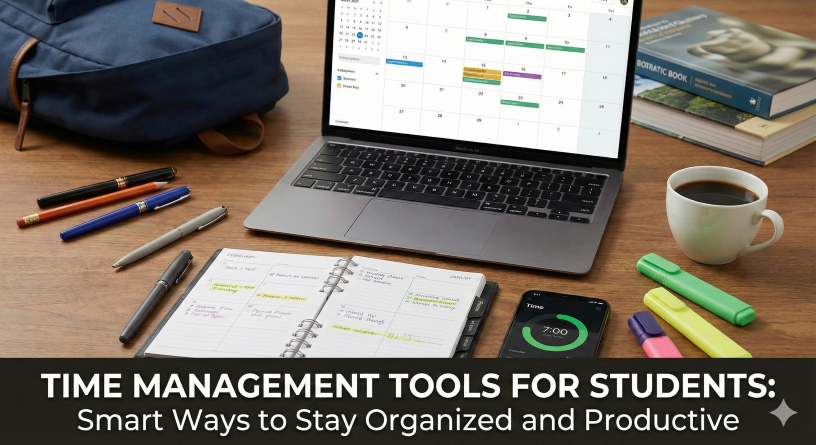
  • Time Management Tools for Students: Smart Ways to Stay Organized and Productive

    Time Management Tools for Students: Smart Ways to Stay Organized and Productive

    Time is one of the most valuable resources for students. Between classes, assignments, exams, extracurricular activities, and personal responsibilities, it often feels like there are not enough hours in the day. That’s why mastering time management is essential for academic success and a balanced life.

    Fortunately, in the digital age, students have access to powerful tools that can help them organize schedules, track tasks, set reminders, and stay focused. These tools make studying smarter — not harder — and build habits that benefit students throughout school, college, and even their future careers.

    Here’s a complete guide to the best time management tools for students, how they work, and why they are essential for academic growth.

    Why Time Management Tools Matter for Students

    Time management tools help students:

    • Plan effectively

    • Reduce stress

    • Improve productivity

    • Track progress

    • Avoid procrastination

    • Meet deadlines

    • Balance academics with personal life

    With the right tools, students can make the most of their time and stay in control of their studies.

    Top Time Management Tools Every Student Should Use

    Here is a curated list of the most effective and student-friendly time management tools:

    1. Google Calendar – For Scheduling and Planning

    Google Calendar is one of the best tools for students to organize their academic and personal life. It allows students to:

    • Schedule classes

    • Block study sessions

    • Add reminders

    • Set deadlines

    • Sync across devices

    • Share calendars for group projects

    The color-coding feature helps students visually separate subjects, activities, and commitments.

    2. Trello – For Task and Project Management

    Trello uses a card-and-board system that is perfect for visual learners. Students can create boards for:

    • Subjects

    • Assignments

    • Projects

    • Exam preparation

    They can also add checklists, deadlines, and labels. Trello makes group assignments easier by allowing shared boards and real-time collaboration.

    3. Notion – All-in-One Productivity Workspace

    Notion has become extremely popular among students because it combines:

    • Notes

    • Tasks

    • Calendars

    • Databases

    • Trackers

    • Templates

    Students can design custom study planners, revision schedules, assignment trackers, and even digital journals. Its flexibility makes it ideal for both personal use and academic planning.

    4. Todoist – For Daily Task Tracking

    Todoist is a minimalist and clean task manager that helps students stay organized day by day. Students can:

    • Create task lists

    • Set priority levels

    • Add recurring reminders

    • Track progress

    • Categorize tasks by subject or project

    It’s excellent for students who want a simple and easy-to-use tool.

    5. Microsoft To Do – For Simple and Effective Planning

    Microsoft To Do integrates well with Outlook and other Microsoft tools. Students can manage:

    • Daily task lists

    • To-do reminders

    • Homework schedules

    • Study tasks

    It’s perfect for students who prefer a straightforward system.

    6. Pomodoro Timers (Focus To-Do, Forest App) – For Staying Focused

    The Pomodoro Technique breaks study time into:

    • 25 minutes of focused work

    • 5-minute breaks

    Apps like Forest, Focus To-Do, and Pomodone help students avoid distractions and stay motivated. Forest even uses a creative concept: students grow a virtual tree for every productive session — making focus fun!

    7. Evernote – For Taking Organized Notes

    Evernote is powerful for storing and organizing notes across subjects. Students can:

    • Create notebooks

    • Save articles

    • Attach files

    • Sync notes on all devices

    • Scan handwritten notes

    It’s especially helpful for research-heavy courses.

    8. MyStudyLife – Academic Planner Built for Students

    MyStudyLife is designed specifically for students, offering features such as:

    • Timetables

    • Exam trackers

    • Assignment reminders

    • Cloud sync

    • Offline access

    Unlike traditional calendars, it understands academic structure — making it ideal for school and college life.

    9. TickTick – To-Do List + Pomodoro + Calendar in One

    TickTick combines task management with productivity tools like:

    • Pomodoro timer

    • Habit tracking

    • Calendar view

    • Priority tasks

    • Voice input

    This makes it perfect for students who want everything in one app.

    10. Google Keep – For Quick Notes and Reminders

    Google Keep is great for:

    • Quick notes

    • Checklists

    • Voice memos

    • Image-based notes

    • Collaboration

    Its simplicity and integration with Google Workspace make it perfect for students who prefer fast, lightweight tools.

    11. Slack or Discord – For Group Projects and Study Groups

    Students often work in teams or study groups. Tools like Slack or Discord help with:

    • Organizing discussions

    • Sharing files

    • Real-time messaging

    • Voice channels

    • Collaborative study sessions

    They reduce confusion and help teams stay on the same page.

    12. Habitica – Gamify Your Productivity

    Habitica turns tasks into a game where students earn points and rewards by finishing assignments or completing habits. It is motivating, fun, and great for students who enjoy gamified learning.

    How Time Management Tools Improve Student Productivity

    Using these tools regularly can create major improvements in:

    1. Organization Skills

    Students learn how to structure their day, plan ahead, and organize tasks logically.

    2. Academic Performance

    By tracking deadlines and managing time effectively, students complete assignments on time and perform better in exams.

    3. Reduced Stress Levels

    Planning reduces last-minute panic and keeps workload manageable.

    4. Better Balance Between Study and Personal Life

    Time management tools help students prioritize tasks without sacrificing hobbies, relaxation, or family time.

    5. Increased Motivation

    Seeing progress in apps — like trees growing in Forest or completed tasks in Todoist — boosts motivation and consistency.

    How Students Can Make the Most of Time Management Tools

    Here are some expert tips for success:

    1. Start with one or two tools

    Using too many apps can be overwhelming. Students should experiment and choose tools that fit their style.

    2. Set clear goals and priorities

    Understanding what matters most helps students organize tasks effectively.

    3. Break big tasks into smaller steps

    This prevents procrastination and makes tasks easier to complete.

    4. Schedule breaks

    Avoid burnout by balancing study time with rest.

    5. Review progress weekly

    A weekly check-in helps students understand what worked and what didn’t — and adjust for the next week.

    6. Stay consistent

    The key to success is using these tools daily, even for small tasks.

    Conclusion

    Time management is a life skill that shapes academic success, personal development, and professional growth. With the right tools, students can stay organized, reduce stress, and enjoy a more productive and balanced daily routine.

    Whether they prefer digital planners like Google Calendar, visual tools like Trello, or focus apps like Forest, there is a perfect tool for everyone. By choosing the right combination and using them consistently, students can take full control of their time — and ultimately, their future.
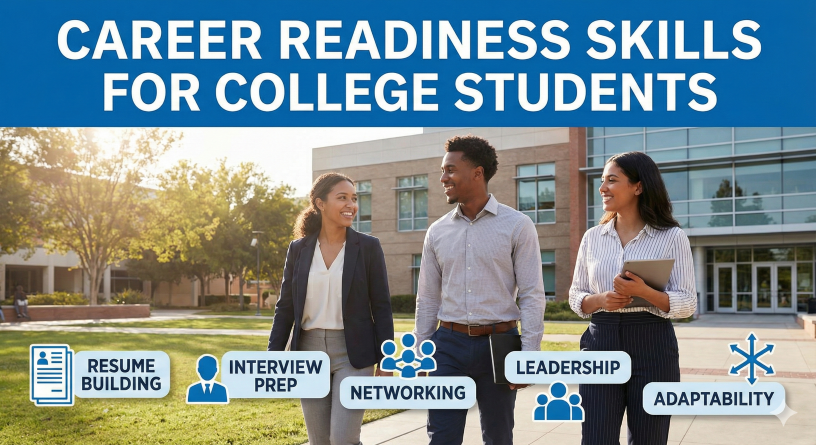
  • Career Readiness Skills for College Students

    Career Readiness Skills for College Students

    College life is not just about attending classes, writing assignments and scoring good grades—it is the phase where students prepare to enter the professional world. In today’s competitive job market, having a degree alone is not enough. Employers look for well-rounded candidates who possess both technical knowledge and essential workplace skills. This is where career readiness becomes crucial.

    At cvDragon, we help students build strong resumes, develop professional identities and gain the confidence needed to step into their careers successfully. This article explores the most important career readiness skills every college student should develop to make a smooth and confident transition from campus to corporate.

    What Is Career Readiness?

    Career readiness refers to the combination of skills, behaviors and experiences that prepare students to meet job expectations and perform effectively in a professional environment.

    It includes:

    • Technical skills

    • Soft skills

    • Professional behavior

    • Workplace communication

    • Problem-solving abilities

    • Adaptability

    • Career management

    Students who start preparing early find it much easier to secure internships, face interviews confidently and grow in their chosen fields.

    1. Communication Skills: The Foundation of Professional Success

    Communication is at the heart of every job. Whether you are writing an email, giving a presentation or working in a team, strong communication skills set you apart.

    ✔ Verbal Communication

    Students should practice speaking clearly, confidently and professionally.

    ✔ Written Communication

    Emails, reports and messages must be concise, error-free and appropriate.

    ✔ Active Listening

    Listening to instructions carefully improves productivity and teamwork.

    ✔ Public Speaking

    Participating in seminars, debates or group presentations builds confidence.

    cvDragon encourages students to reflect these skills in their resumes and portfolios, as employers highly value them.

    2. Critical Thinking and Problem-Solving

    Workplaces require individuals who can analyze problems, think logically and propose solutions.

    Students can build these skills by:

    • Solving case studies

    • Participating in academic competitions

    • Working on real-world projects

    • Asking questions instead of memorizing information

    Problem-solving skills reflect a student’s readiness to handle challenges independently.

    3. Time Management and Organization

    In college, students juggle multiple responsibilities—classes, assignments, exams, hobbies and sometimes part-time jobs. Mastering time management now prepares them for the fast-paced world of work.

    ✔ Use planners or digital tools

    Track deadlines and daily tasks.

    ✔ Prioritize effectively

    Do the most important tasks first.

    ✔ Avoid procrastination

    Break tasks into smaller steps to reduce overwhelm.

    ✔ Stay organized

    An organized study space improves focus and clarity.

    Employers appreciate candidates who can manage workloads efficiently without constant supervision.

    4. Teamwork and Collaboration

    Most companies today use team-based work models. Being able to collaborate with people from different backgrounds, opinions and skills is essential.

    ✔ Participate in group projects

    Learn about cooperation, leadership and conflict resolution.

    ✔ Respect diversity

    Be open to new ideas and perspectives.

    ✔ Communicate openly

    Share ideas and accept feedback constructively.

    ✔ Build empathy

    Understand your teammates’ viewpoints.

    Teamwork is a top soft skill employers look for—and students can easily develop it during college activities.

    5. Digital Literacy and Technical Skills

    In a tech-driven world, being digitally smart is a necessity. Students must understand the digital tools relevant to their careers.

    ✔ Essential tools include:

    • MS Office / Google Workspace

    • Email and communication apps

    • Online research skills

    • Basic cybersecurity awareness

    ✔ Industry-specific tools:

    • Programming languages (for IT students)

    • Excel & Power BI (for business students)

    • Design tools like Canva or Adobe (for creative fields)

    cvDragon supports students in showcasing these technical skills effectively in their resumes to attract employer attention.

    6. Professionalism and Workplace Etiquette

    College and corporate are very different worlds. Students must prepare for professional behavior early.

    ✔ Be punctual

    Arriving on time shows discipline and respect.

    ✔ Maintain a positive attitude

    A professional mindset builds good relationships.

    ✔ Dress appropriately

    Appearance influences first impressions.

    ✔ Follow ethical practices

    Honesty and responsibility are non-negotiable.

    Professionalism reflects maturity and reliability—qualities employers value deeply.

    7. Adaptability and Willingness to Learn

    The workplace changes constantly—new technologies, new processes and new roles emerge all the time. Students who learn to adapt will always stay ahead.

    ✔ Stay open to changes

    Accept new ideas and approaches.

    ✔ Be flexible

    Adjust to different work environments or responsibilities.

    ✔ Learn continuously

    Take online courses, watch tutorials, read books and stay updated.

    Adaptable candidates are seen as long-term assets for companies.

    8. Leadership and Self-Management

    Leadership is not only about managing teams—it also includes managing yourself.

    Students can develop leadership skills by:

    • Taking responsibility in group projects

    • Participating in student clubs

    • Leading events or workshops

    • Mentoring juniors

    • Demonstrating initiative

    Leadership showcases confidence, problem-solving and decision-making—all critical career readiness traits.

    9. Networking and Relationship Building

    Building a strong professional network can open doors to internships, mentorships and job opportunities.

    ✔ Attend job fairs and campus career events

    Meet industry experts and employers.

    ✔ Connect on LinkedIn

    Create a strong profile and engage with professionals.

    ✔ Seek mentorship

    Learn from seniors, professors or career counselors.

    ✔ Join internships, volunteer programs and student communities

    Experience real-world collaborations.

    With cvDragon, students can build a digital brand that makes networking more effective and impactful.

    10. Resume, Portfolio and Job Application Skills

    Career readiness also includes the ability to present your skills effectively to employers.

    ✔ Build a polished resume

    Highlight skills, projects, certifications and achievements.

    ✔ Create a digital portfolio

    Showcase your work samples—coding projects, designs, reports, certificates etc.

    ✔ Prepare for interviews

    Practice mock interviews, common questions and body language.

    ✔ Understand job descriptions

    Match your skills to employer expectations.

    cvDragon provides structured tools to help students create professional resumes that stand out.

    11. Emotional Intelligence (EQ)

    EQ is one of the strongest predictors of career growth. It helps students:

    • Manage their emotions

    • Respond calmly to stressful situations

    • Build positive relationships

    • Handle criticism gracefully

    • Stay motivated and resilient

    Emotionally intelligent students perform better in both academic and professional settings.

    12. Real-World Exposure Through Internships

    Internships give students hands-on experience and a practical understanding of the industry.

    Benefits include:

    • Learning workplace skills

    • Gaining confidence

    • Understanding job expectations

    • Building networks

    • Increasing employability

    Internships also make resumes stronger, helping students stand out to recruiters.

    Conclusion: Preparing for the Future with Confidence

    Career readiness is not built in one day—it is shaped through continuous learning, self-awareness and real-world experience. College students who develop strong communication skills, technical skills, professionalism, time management, teamwork and adaptability position themselves for long-term career success.

    At cvDragon, we are committed to helping students build these qualities and present them powerfully through well-crafted resumes, portfolios and career development tools. When students invest in their career readiness early, they step into the professional world with confidence, clarity and purpose.

    Your future career starts today—and cvDragon is here to guide every step of your journey.

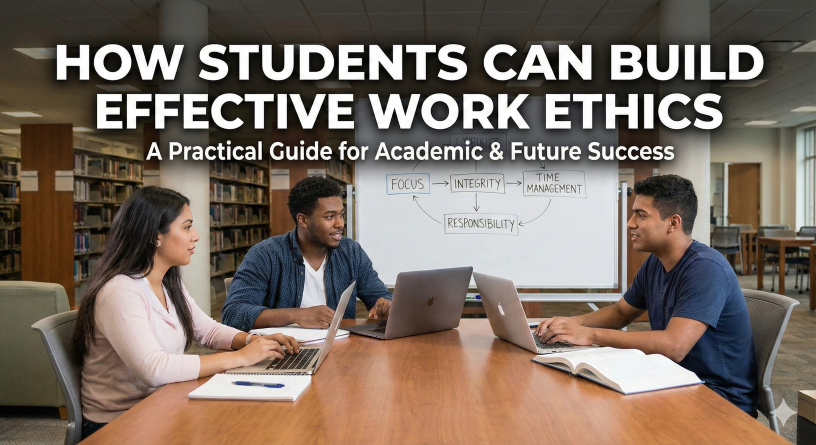
  • How Students Can Build Effective Work Ethics

    How Students Can Build Effective Work Ethics

    Success in academics, careers and personal life doesn’t happen by luck—it comes from discipline, consistency and strong work ethics. Whether a student is preparing for competitive exams, building a resume or entering the job market, effective work ethics make all the difference. In today’s fast-paced world, where distractions are high and opportunities are competitive, students need more than just knowledge—they need the right attitude, resilience and habits.

    At cvDragon, we help students shape their professional identity, improve their career readiness and build habits that support long-term success. This article explores how students can develop powerful work ethics that stay with them throughout life.

    What Is Work Ethic and Why Does It Matter?

    Work ethic refers to a set of values that guide how a person approaches tasks, responsibilities and challenges. It includes qualities like discipline, accountability, persistence, commitment and a positive attitude.

    For students, strong work ethics matter because they help:

    • Improve academic performance

    • Build better study habits

    • Enhance concentration and decision-making

    • Increase chances of career success

    • Strengthen confidence and self-belief

    • Create long-term discipline

    Employers today look for graduates who are not only skilled but also reliable, responsible and dedicated. Work ethic is the foundation of all these qualities.

    1. Set Clear Goals and Break Them into Small Tasks

    Students often feel overwhelmed because they look at the final goal instead of the steps needed to reach it. Effective work ethic begins with goal clarity.

    ✔ Short-Term Goals

    Daily or weekly goals help students stay focused and avoid procrastination.

    ✔ Long-Term Goals

    These define a student’s direction—such as exam results, college admissions or career ambitions.

    ✔ Break Big Goals Into Smaller Tasks

    This makes studying more manageable and builds consistency.

    cvDragon encourages students to add these goals to their digital portfolios or planners, helping them track progress and stay motivated.

    2. Build Discipline Through Routines

    Discipline is the backbone of strong work ethics. Students who follow routines perform better academically and emotionally.

    ✔ Create a Study Schedule

    Decide fixed hours for studying, revision and breaks.

    ✔ Avoid Multitasking

    Focus on one subject or task at a time for better results.

    ✔ Develop Productive Daily Habits

    This may include:

    • Waking up early

    • Reviewing notes daily

    • Limiting phone usage

    • Sleeping on time

    A consistent routine creates momentum, helping students achieve more with less stress.

    3. Manage Time Effectively

    Students often struggle not because they lack ability but because they lack time management skills. Building work ethic means using time wisely.

    ✔ Use Time-Blocking Methods

    Assign specific time slots for study, rest, hobbies and responsibilities.

    ✔ Create Priority Lists

    Label tasks as:

    • High Priority

    • Medium Priority

    • Low Priority

    ✔ Avoid the “Last-Minute” Habit

    Start assignments and projects early to maintain quality.

    cvDragon’s resume-building platform reminds students that time management is a highly valued skill for future employment—so learning it early is essential.

    4. Stay Consistent—Even When Motivation Is Low

    Motivation comes and goes, but consistency builds mastery. Many students stop studying when they “don’t feel like it,” which weakens discipline.

    To strengthen consistency:

    ✔ Use the 15-Minute Rule

    Study for at least 15 minutes. Once started, the brain naturally continues.

    ✔ Track Progress

    Seeing improvement increases confidence.

    ✔ Celebrate Small Wins

    Finishing a chapter or solving a difficult question deserves recognition.

    Consistency reflects commitment—one of the strongest pillars of work ethic.

    5. Develop Accountability and Ownership

    Students with strong work ethics take responsibility for their actions instead of blaming situations.

    ✔ Accept Mistakes

    Analyze what went wrong and focus on solutions.

    ✔ Don’t Depend Entirely on Others

    Ask for help when needed, but take initiative to find answers.

    ✔ Submit Assignments on Time

    Punctuality reflects professionalism and discipline.

    Building accountability early helps students become trustworthy professionals later in life.

    6. Maintain a Growth Mindset

    A growth mindset means believing that skills and intelligence can be developed through hard work and perseverance. Students with this mindset handle challenges better.

    ✔ See Failures as Learning Opportunities

    Every mistake shows what needs improvement.

    ✔ Replace Negative Self-Talk

    Instead of “I can’t do this,” say “I will learn this.”

    ✔ Stay Curious

    Read, explore and ask questions beyond the syllabus.

    A growth mindset makes learning enjoyable and sustainable.

    7. Reduce Distractions for Better Focus

    Today’s students face distractions from smartphones, social media, online games and notifications. Effective work ethics require intentional focus.

    ✔ Use the Pomodoro Technique

    Study for 25 minutes, break for 5 minutes.

    ✔ Keep Devices Away

    Or use focus apps to block notifications.

    ✔ Create a Dedicated Study Space

    A clean, quiet environment boosts concentration.

    Focus is a skill—and like any skill, it improves with practice.

    8. Build Strong Communication and Team Skills

    Work ethic is not only about personal discipline but also about how students interact with others.

    ✔ Participate in Group Work

    Learn teamwork, leadership and conflict resolution.

    ✔ Practice Clear Communication

    Speak respectfully, listen actively and express ideas confidently.

    ✔ Seek Feedback

    Feedback helps identify strengths and weaknesses.

    These qualities enhance employability, which cvDragon emphasizes through its resume guidance tools.

    9. Stay Organized—Mentally and Physically

    Cluttered spaces lead to cluttered minds. An organized student stays more disciplined and productive.

    ✔ Keep Notes in Order

    Use folders, apps or notebooks.

    ✔ Plan Ahead

    Know the upcoming deadlines, exams and tasks.

    ✔ Maintain a Clean Study Desk

    A neat workspace motivates better work.

    Organization strengthens clarity, which strengthens work ethic.

    10. Practice Self-Care and Maintain Balance

    Work ethic does not mean working nonstop. Healthy students perform better academically and emotionally.

    ✔ Take Regular Breaks

    Recharge the mind.

    ✔ Exercise or Move Daily

    Improves concentration and reduces stress.

    ✔ Sleep 7–8 Hours

    Rest improves memory retention.

    ✔ Maintain Healthy Eating Habits

    Fuel the brain with nutritious food.

    Students who balance study with well-being achieve long-term success.

    11. Surround Yourself With Positive Influences

    Peers and mentors play a huge role in shaping a student’s mindset.

    ✔ Choose Friends Who Inspire Hard Work

    Avoid those who encourage laziness or negativity.

    ✔ Learn From Mentors

    Teachers, seniors or career advisors can guide progress.

    ✔ Avoid Comparison

    Everyone grows at a different pace.

    Positive environments build stronger work habits.

    12. Build a Resume That Reflects Good Work Ethics

    cvDragon encourages students to highlight their work ethics through:

    • Projects and assignments

    • Certifications

    • Volunteer work

    • Extracurricular achievements

    • Leadership roles

    • Skills like time management, discipline and responsibility

    A resume that reflects strong work ethics gives students an advantage in interviews and internships.

    Conclusion: Work Ethics Shape Lifelong Success

    Work ethics are not just academic habits—they are life skills. By building discipline, consistency, responsibility, focus and a growth mindset, students equip themselves for success in school, college, career and beyond.

    At cvDragon, we believe that strong work ethics begin with small daily actions, positive routines and the right mindset. With proper guidance, commitment and self-awareness, every student can develop habits that lead to excellence.

    Your journey matters—and your work ethic shapes the future you create.

  • Negotiation Skills for Future Leaders: The Key to Influence, Impact, and Innovation

    Negotiation Skills for Future Leaders: The Key to Influence, Impact, and Innovation

    In today’s dynamic world, leadership is no longer limited to managing teams or making decisions from a corner office. Modern leaders are expected to collaborate, influence, resolve conflicts, and create win-win solutions in every interaction. That’s why negotiation skills are becoming one of the most essential leadership qualities for the next generation.

    Whether a student planning a career, a young professional entering the workforce, or an aspiring entrepreneur, understanding the art of negotiation sets the foundation for success. Future leaders must learn how to communicate effectively, understand perspectives, and find common ground — abilities that can shape careers, build relationships, and drive innovation.

    This article explores why negotiation skills are vital for future leaders and how students and young professionals can develop them to excel in an increasingly competitive world.

    What Are Negotiation Skills?

    Negotiation skills refer to the ability to reach agreements, resolve conflicts, and influence outcomes through communication, persuasion, and problem-solving. In simple terms, it’s about getting what you want while maintaining healthy relationships with others.

    Strong negotiators:

    • Listen actively

    • Understand needs and motivations

    • Think critically

    • Adapt to changing situations

    • Communicate clearly

    • Build trust

    • Create solutions that benefit all sides

    Negotiation is not about winning arguments — it’s about mutual gains and sustainable outcomes.

    Why Negotiation Skills Matter for Future Leaders

    Leadership in the future will revolve around collaboration, cross-cultural communication, and innovation. Here’s why negotiation skills are indispensable:

    1. Builds Strong Communication

    Leaders must articulate ideas clearly and listen deeply. Negotiation strengthens both verbal and non-verbal communication.

    2. Enhances Conflict Resolution

    Disagreements are natural in teams. Skilled negotiators turn conflicts into opportunities for improvement.

    3. Encourages Better Decision-Making

    Negotiation requires analyzing options, weighing pros and cons, and choosing the best outcome — core leadership abilities.

    4. Strengthens Relationships

    Mutual understanding, respect, and trust form the foundation of effective leadership.

    5. Improves Emotional Intelligence (EQ)

    Negotiation helps leaders manage emotions, stay calm under pressure, and empathize with others.

    6. Boosts Confidence and Assertiveness

    Future leaders must speak up, advocate for their ideas, and negotiate responsibilities or opportunities.

    7. Essential in Every Career Field

    From business and law to healthcare and technology, negotiation plays a crucial role in teamwork, client relations, and project management.

    Key Negotiation Skills Future Leaders Must Develop

    Here are the most essential negotiation skills that will define tomorrow’s influential leaders:

    1. Active Listening

    Listening is the heart of negotiation. Future leaders must:

    • Focus fully on the speaker

    • Understand concerns and expectations

    • Avoid interrupting

    • Ask clarifying questions

    Active listening builds trust and helps find solutions that satisfy everyone.

    2. Clear and Confident Communication

    Communication goes beyond speaking — it involves expressing thoughts clearly, using the right tone, and being persuasive without being aggressive. Leaders must learn:

    • How to state goals confidently

    • How to communicate respectfully even during disagreements

    • How to articulate solutions logically

    3. Emotional Intelligence

    Negotiation often involves stress, disagreement, or tension. Emotional intelligence helps leaders:

    • Stay calm

    • Respond rather than react

    • Understand emotions — both their own and others’

    • Build empathy and connection

    Leaders with high EQ handle difficult conversations with grace.

    4. Problem-Solving and Critical Thinking

    Negotiation isn’t a debate — it’s a problem-solving process. Leaders must analyze situations, identify hidden issues, evaluate options, and propose effective solutions.

    5. Preparation and Planning

    Great negotiators prepare before entering discussions. This includes:

    • Understanding the topic

    • Knowing their goals

    • Predicting the needs of the other side

    • Having backup plans

    • Considering alternatives

    Preparation leads to stronger negotiation outcomes.

    6. Understanding Interests, Not Just Positions

    A “position” is what someone says they want.
    An “interest” is the reason behind what they want.

    Future leaders must dig deeper to understand motivations, making negotiation more collaborative.

    7. Patience and Flexibility

    Successful negotiation takes time. Leaders should learn how to:

    • Stay patient during discussions

    • Adjust strategies when needed

    • Remain open to new ideas

    Flexibility leads to creative solutions.

    8. Persuasion Skills

    Persuasion is not manipulation — it’s presenting ideas in a way that makes sense to others. Strong leaders persuade through logic, data, emotions, and credibility.

    9. Decision-Making

    After discussions, someone must decide. Future leaders should be able to:

    • Evaluate options

    • Choose fair outcomes

    • Take responsibility

    • Act confidently

    Good decision-making strengthens leadership credibility.

    10. Understanding Body Language

    Nonverbal cues play a major role in negotiation. Leaders should observe:

    • Eye contact

    • Posture

    • Facial expressions

    • Gestures

    • Tone of voice

    Understanding body language improves communication and builds trust.

    How Students and Young Professionals Can Develop Negotiation Skills

    Here are practical ways to build negotiation skills early in life:

    1. Participate in Group Projects and Leadership Roles

    Teamwork teaches negotiation naturally through goal-setting, conflict resolution, and collaboration.

    2. Join Debates, Clubs, and Student Councils

    These platforms offer opportunities to negotiate ideas, responsibilities, and solutions.

    3. Practice Real-Life Negotiation Scenarios

    Students can practice through:

    • Roleplays

    • Case studies

    • Mock negotiations

    • Classroom activities

    This strengthens real-world negotiation abilities.

    4. Learn from Leaders and Negotiation Experts

    Books, podcasts, TED Talks, and interviews with experienced leaders offer valuable insights into negotiation strategies.

    5. Improve Communication Skills

    Writing, public speaking, and presentation practice help students express ideas clearly and confidently.

    6. Build Emotional Intelligence

    Students should develop habits such as:

    • Self-reflection

    • Journaling

    • Empathy exercises

    • Mindfulness practices

    These help regulate emotions during difficult conversations.

    7. Analyze Conflicts Objectively

    Instead of reacting emotionally, future leaders should examine conflicts calmly to understand the root cause.

    8. Seek Feedback

    Constructive feedback from teachers, peers, or mentors helps students improve negotiation styles and communication.

    9. Explore Online Courses and Workshops

    Many platforms offer negotiation training, such as:

    • Coursera

    • Udemy

    • Harvard online modules

    These provide structured guidance and practice.

    10. Observe Everyday Negotiations

    Negotiation happens everywhere — in classrooms, families, and workplaces. Observing these interactions offers powerful learning experiences.

    Negotiation and Leadership: How They Connect

    Leadership is fundamentally about influence. Effective leaders guide people toward shared goals by understanding perspectives, communicating well, and making balanced decisions.

    Negotiation strengthens leadership by helping individuals:

    • Inspire cooperation

    • Manage teams smoothly

    • Handle workplace conflicts

    • Encourage open communication

    • Build trust and respect

    • Lead with empathy

    A leader who can negotiate well builds stronger relationships and drives better results.

    Future Trends: Why Negotiation Will Matter Even More

    As workplaces evolve, negotiation skills will become even more critical. The future will see:

    ✔ More remote and hybrid work

    Negotiating responsibilities, deadlines, and communication styles will be crucial.

    ✔ Cross-cultural collaboration

    Leaders must navigate cultural differences with sensitivity.

    ✔ Increased reliance on teamwork

    Negotiation enables smooth collaboration and synergy.

    ✔ Rapid technological change

    Leaders will negotiate adaptation, innovation, and transformation in real time.

    ✔ Greater emphasis on emotional intelligence

    Empathy-driven negotiation will be key to building positive work environments.

    Conclusion

    Negotiation skills are not limited to boardrooms or business deals — they are essential life skills. For future leaders, negotiation represents the ability to understand, collaborate, influence, and inspire people. When mastered early, these skills help students and young professionals build stronger relationships, make better decisions, and stand out as confident and capable leaders.

    By developing active listening, emotional intelligence, communication, and problem-solving abilities, future leaders can negotiate successfully in any situation — shaping not only their own future but also the communities and organizations they lead.

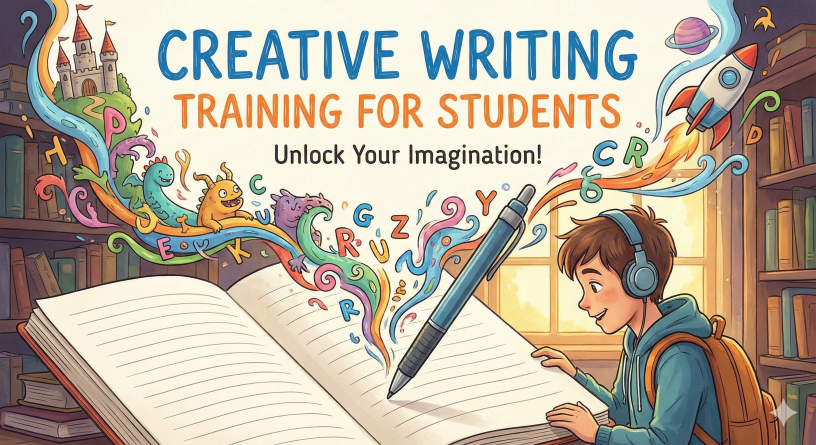
  • Creative Writing Training for Students: Unlocking Imagination, Expression, and Confidence

    Creative Writing Training for Students: Unlocking Imagination, Expression, and Confidence

    In today’s fast-paced world, communication and creativity are two of the most valuable skills a student can develop. Creative writing — the art of expressing ideas, emotions, and stories through words — helps students build these skills beautifully. More than just crafting stories or poems, creative writing sharpens critical thinking, strengthens language skills, and boosts confidence.

    Whether students dream of becoming authors or simply want to enhance their academic writing, creative writing training opens the doors to self-expression and intellectual growth. Let’s explore how creative writing training benefits students, why it’s important, and the best ways to develop creative writing skills.

    What Is Creative Writing?

    Creative writing is any form of writing that goes beyond academic or technical formats. It focuses on imagination, originality, and emotional depth. It includes:

    • Short stories

    • Poems

    • Essays

    • Scripts and dialogues

    • Personal narratives

    • Fiction and fantasy writing

    • Descriptive writing

    • Journaling

    Unlike academic writing, creative writing encourages students to think freely, use their imagination, and convey thoughts in unique ways.

    Why Creative Writing Training Is Important for Students

    Creative writing is more than an artistic activity — it plays a powerful role in intellectual and emotional development.

    1. Enhances Imagination and Creativity

    Creative writing encourages students to visualize scenarios, build characters, and think creatively. It trains their minds to explore possibilities beyond what they already know.

    2. Improves Language and Vocabulary Skills

    Writing helps students understand grammar, sentence structure, and vocabulary organically. They learn how to express ideas clearly and beautifully.

    3. Strengthens Critical Thinking

    Students must develop logical plots, analyze characters, and resolve conflicts in their stories — all of which require critical thinking.

    4. Boosts Emotional Expression

    Creative writing provides a safe outlet for expressing emotions and thoughts. It enhances self-awareness and emotional intelligence.

    5. Encourages Confidence and Communication

    Sharing written work helps students overcome fear and build communication skills, which are vital in academics and the workplace.

    6. Builds Academic Writing Skills

    Creative writing also improves clarity, coherence, and structure — skills that benefit academic essays, reports, and exams.

    7. Promotes Problem-Solving Skills

    Every story has a conflict that needs resolution. This inspires students to think strategically and develop problem-solving abilities.

    How Creative Writing Training Helps Students

    Creative writing training provides structured techniques, practice opportunities, and personalized guidance that help students grow as writers. Training supports them in:

    • Overcoming writer’s block

    • Understanding creative elements

    • Developing unique writing styles

    • Learning editing and revision

    • Improving storytelling techniques

    • Gaining feedback and refining their craft

    Best Methods of Creative Writing Training for Students

    Here are the most effective, engaging, and student-friendly ways to develop creative writing skills:

    1. Reading Widely and Regularly

    Reading is the foundation of good writing. It exposes students to various styles, genres, and ideas.

    Encourage students to read:

    • Short stories

    • Novels

    • Poetry

    • Essays

    • Biographies

    • Blogs and articles

    Reading enriches vocabulary, teaches storytelling patterns, and sparks creativity.

    2. Daily Writing Practice

    Writing regularly — even in small amounts — strengthens fluency and confidence. Students can practice through:

    • Journaling

    • Creative prompts

    • Descriptions of real-life experiences

    • Dialogue exercises

    • Micro-stories

    Consistency is more important than perfection.

    3. Use of Creative Writing Prompts

    Prompts are a great way to kick-start imagination. Examples include:

    • “Write a story that starts with an unexpected message.”

    • “Describe a world where gravity works differently.”

    • “Write from the perspective of an object in your room.”

    Prompts challenge students to think creatively and try new ideas.

    4. Learning Story Structure

    Understanding story structure helps students create engaging narratives. They should learn about:

    • Exposition

    • Rising action

    • Conflict

    • Climax

    • Falling action

    • Resolution

    Training also helps them understand character development, setting, and themes.

    5. Participating in Creative Writing Workshops

    Workshops provide an interactive space where students share their work, receive feedback, and learn new techniques. They also encourage teamwork and confidence-building.

    6. Encouraging Freewriting

    Freewriting involves writing continuously for a set time without worrying about grammar or structure. It helps students:

    • Overcome writer’s block

    • Generate raw ideas

    • Improve creativity

    • Discover personal writing styles

    7. Exploring Poetry and Descriptive Writing

    Poetry teaches rhythm, imagery, and emotional depth. Descriptive writing enhances observation skills. Together, they help students create powerful, expressive pieces.

    8. Introducing Literary Devices

    Understanding literary devices enriches creative writing. Students should practice using:

    • Similes and metaphors

    • Personification

    • Imagery

    • Alliteration

    • Hyperbole

    • Symbolism

    These tools bring writing to life.

    9. Encouraging Brainstorming and Mind Mapping

    Before writing, students can organize their ideas visually. Mind maps help them connect plot elements, character traits, and themes in one place.

    10. Practicing Editing and Revision

    Great writers are great editors. Creative writing training teaches students how to:

    • Spot repetition

    • Improve clarity

    • Fix grammar issues

    • Strengthen storyline flow

    • Remove unnecessary details

    Revising teaches discipline and attention to detail.

    11. Using Digital Tools for Writing

    Students can benefit from tools that improve writing quality:

    • Grammarly

    • Hemingway Editor

    • Google Docs

    • Scrivener

    • Writing prompt apps

    These tools help with grammar, structure, and creativity.

    12. Participating in Competitions and Publishing Opportunities

    Competitions motivate students to write with purpose. Publishing work in school magazines, blogs, or online platforms builds confidence and a sense of achievement.

    How Teachers and Schools Can Support Creative Writing Training

    Schools play a major role in nurturing creativity. Here’s how educators can help:

    ✔ Create a positive and encouraging writing environment

    ✔ Introduce fun writing activities

    ✔ Provide supportive feedback

    ✔ Incorporate creative writing into the curriculum

    ✔ Organize storytelling competitions, writing clubs, and poetry slams

    ✔ Celebrate students’ creative work

    Such initiatives help students explore their potential freely.

    The Impact of Creative Writing on a Student’s Future

    Creative writing builds lifelong skills that extend far beyond the classroom. It helps students become:

    • Better communicators

    • Stronger thinkers

    • Innovative problem-solvers

    • Confident professionals

    • Emotionally intelligent individuals

    Whether they pursue careers in media, marketing, business, literature, journalism, psychology, or even STEM fields, creative writing enhances their ability to express ideas effectively.

    Conclusion

    Creative writing training is a powerful tool that shapes students into imaginative, articulate, and confident individuals. It nurtures creativity, sharpens thinking, and strengthens communication — all key skills needed in education, careers, and personal growth.

    By encouraging regular practice, providing structured guidance, and offering engaging activities, schools and parents can help students unlock their inner storytellers.

    With the right training, every student can become a creative and expressive writer — not just on paper, but in life.

  • How Students Can Improve Research Skills: A Complete Guide to Becoming a Better Learner

    How Students Can Improve Research Skills: A Complete Guide to Becoming a Better Learner

    In an increasingly knowledge-driven world, students are expected not only to learn facts but also to find, understand, and use information effectively. This ability — known as research skills — is now considered one of the most essential academic and professional competencies. Whether preparing for a school project, writing a thesis, or solving real-world problems, strong research skills empower students to think critically, make informed decisions, and communicate with confidence.

    The good news? Research skills can be developed and strengthened over time, just like any other skill. Here’s a comprehensive guide on how students can significantly improve their research skills and stand out academically and professionally.

    What Are Research Skills?

    Research skills refer to the ability to search for information, evaluate sources, analyze data, and present findings clearly. These skills include:

    • Critical thinking

    • Data collection and interpretation

    • Information literacy

    • Organization and planning

    • Reading and comprehension

    • Academic writing

    • Time management

    Together, they help students not only find answers but understand concepts deeply and learn independently.

    Why Research Skills Matter for Students

    1. Supports Academic Excellence

    Assignments, projects, reports, and presentations all require reliable information. Strong research skills help students find accurate data and develop well-structured academic work.

    2. Builds Critical Thinking

    Research encourages students to question, compare, and evaluate — the foundations of critical thinking.

    3. Prepares for Higher Education

    College and university programs expect students to perform independent research. Building the skill early ensures smoother academic progression.

    4. Improves Employability

    Many careers—marketing, journalism, business, law, IT, science—require strong research and analytical skills. Students with these skills stand out during internships and job applications.

    How Students Can Improve Research Skills

    Here are practical, effective, and student-friendly ways to sharpen research abilities:

    1. Start with Clear Research Questions

    Research becomes easier when students know exactly what they’re looking for. Before starting, they should define:

    • What do I want to know?

    • Why is this topic important?

    • What type of information do I need?

    A well-defined question gives direction and avoids unnecessary confusion or irrelevant sources.

    2. Break the Topic into Smaller Parts

    Large topics can feel overwhelming. Breaking them into subtopics helps students focus on one area at a time. For example:

    Topic: Climate change
    Subtopics: Causes, effects, solutions, policies, global impact

    This structure helps students approach research step-by-step.

    3. Use Reliable Research Sources

    Not all information on the internet is trustworthy. Students should learn to use credible sources such as:

    • Google Scholar

    • ResearchGate

    • JSTOR

    • Academic journals

    • Books and e-books

    • Government websites

    • Educational organizations (UNESCO, WHO, etc.)

    They should be cautious with personal blogs, outdated websites, or unverified social media posts.

    4. Evaluate Sources Critically

    A good researcher doesn’t accept every source blindly. Students should examine:

    • Author credibility: Are they qualified?

    • Publication date: Is the information updated?

    • Evidence: Are there facts and citations?

    • Bias: Is the source neutral or opinion-based?

    Critical evaluation helps students build accurate, high-quality work.

    5. Take Organized Notes

    Note-taking is essential for meaningful research. Instead of copying text directly, students should:

    • Summarize information in their own words

    • Highlight important points

    • Organize notes under headings

    • Use digital tools like Google Keep, Notion, Evernote, or OneNote

    Well-organized notes make writing and revising easier.

    6. Learn How to Use Keywords Effectively

    Good research starts with the right keywords. Students should experiment with:

    • Synonyms

    • Related concepts

    • Boolean operators (AND, OR, NOT)

    • Phrases like “case study,” “impact,” “analysis,” etc.

    Example: Instead of searching “social media,” try:

    • “Impact of social media on students”

    • “Social media addiction research”

    • “Benefits of social media for education”

    Keyword optimization saves time and improves the quality of results.

    7. Use Digital Tools and Academic Databases

    Today’s students have access to excellent research tools, including:

    • Google Scholar (academic articles)

    • Mendeley, Zotero (reference management)

    • Grammarly (writing clarity)

    • ResearchGate (research papers)

    • Quillbot (paraphrasing assistance)

    Digital tools make research faster, smoother, and more accurate.

    8. Learn Basic Research Methodology

    Understanding research methods helps students design better projects and understand academic papers. Essential methods include:

    • Qualitative research (interviews, observations)

    • Quantitative research (surveys, statistics)

    • Mixed methods

    • Data analysis and interpretation

    Even a basic understanding boosts confidence and comprehension.

    9. Improve Reading and Comprehension Skills

    Strong reading skills make research faster. Students should:

    • Skim texts for main ideas

    • Scan for statistics or keywords

    • Annotate important information

    • Reflect on what they read

    Reading widely across subjects also builds background knowledge.

    10. Practice Academic Writing

    Good research needs good writing. Students should work on:

    • Clear, concise writing

    • Proper structure (introduction, body, conclusion)

    • Using evidence and citations

    • Maintaining an academic tone

    • Avoiding plagiarism

    Tools like citation generators (APA, MLA, Chicago) can support this process.

    11. Ask Teachers, Mentors, or Librarians for Guidance

    Teachers and librarians are trained to help with research. Students should seek support when needed:

    • How to find sources

    • How to choose credible references

    • How to structure a research project

    Asking questions accelerates learning dramatically.

    12. Engage in Discussion and Collaboration

    Group research helps students:

    • Share ideas

    • Gain new perspectives

    • Expand knowledge

    • Improve communication skills

    Discussion deepens understanding and exposes students to different viewpoints.

    13. Manage Time Effectively

    Research is a process — not a last-minute task. Students should set deadlines for:

    • Choosing a topic

    • Finding sources

    • Taking notes

    • Drafting the paper

    • Revising

    Time management improves quality and reduces stress.

    14. Practice Regularly

    The best way to improve research skills is through consistent practice. Students can start by:

    • Exploring topics they love

    • Researching everyday questions

    • Reading academic content

    • Working on mini-projects

    Over time, they become more confident and efficient.

    Final Thoughts

    Research skills empower students to become independent thinkers, lifelong learners, and confident problem-solvers. By learning how to search, evaluate, analyze, and present information, they gain a competitive edge in academics, career-building, and personal development.

    With consistent practice and the right guidance, every student can master research skills and use them to excel in today’s information-rich world.

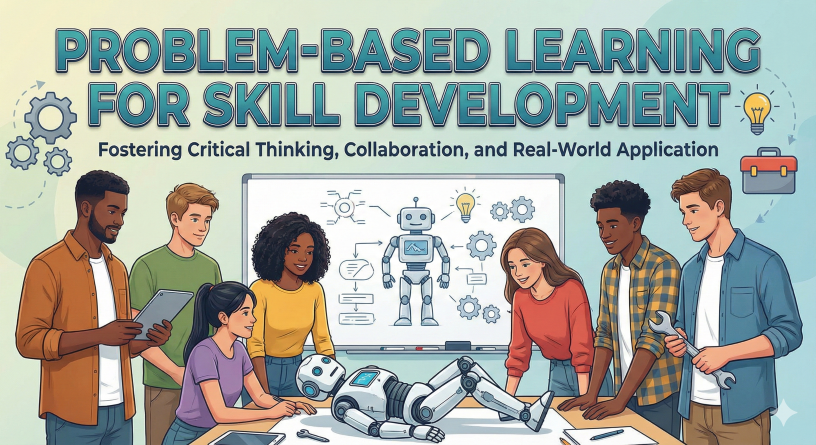
  • Problem-Based Learning for Skill Development: A Modern Approach to Career-Ready Education

    Problem-Based Learning for Skill Development: A Modern Approach to Career-Ready Education

    In today’s rapidly evolving job market, recruiters are no longer impressed by academic degrees alone. They look for candidates who can think critically, solve real-world problems, collaborate effectively, and adapt quickly. With technology reshaping industries, skill requirements are shifting faster than traditional education systems can keep up.

    This is where Problem-Based Learning (PBL) emerges as a transformative approach to skill development. At cvDragon, where we help students and job seekers build powerful résumés and become employment-ready, we recognize that PBL is one of the most effective learning models for preparing individuals for real-world challenges.

    What Is Problem-Based Learning?

    Problem-Based Learning (PBL) is a student-centered educational approach where learners gain knowledge and skills by working through realistic, meaningful problems. Instead of memorizing concepts, students are encouraged to:

    • Ask questions

    • Analyze situations

    • Conduct research

    • Brainstorm solutions

    • Work collaboratively

    • Reflect on outcomes

    In simple terms, PBL teaches students how to learn, not just what to learn. This shift makes learning more engaging, practical, and aligned with workplace expectations.

    Why Is Problem-Based Learning Important Today?

    Modern professionals face challenges that require multi-dimensional thinking. Whether it’s solving a business bottleneck, improving a customer experience, or analyzing data trends, employers expect candidates to approach problems creatively and strategically.

    Traditional educational methods often focus on theoretical learning and standardized exams, leaving a gap between academic knowledge and practical skills. PBL helps bridge that gap.

    Here are some reasons why PBL is gaining prominence:

    1. Prepares Learners for Real-World Challenges

    With PBL, learners work on authentic problems similar to those faced in workplaces. This makes learning contextual, practical, and meaningful.

    2. Encourages Critical Thinking & Creativity

    Instead of simply accepting information, students question, evaluate, and create solutions — the same cognitive abilities employers seek.

    3. Promotes Collaboration and Communication

    Group-based problem solving improves interpersonal and leadership skills, making individuals better team players.

    4. Enhances Research and Analytical Abilities

    Students learn how to find information, interpret it, and apply it — a must-have skill in any data-driven profession.

    5. Builds Self-Confidence and Independence

    Finding solutions independently gives learners a sense of accomplishment and prepares them for decision-making roles.

    6. Improves Long-Term Knowledge Retention

    Learning through experience ensures that concepts stay with the learner far longer than rote memorization ever could.

    Core Skills Developed Through Problem-Based Learning

    At cvDragon, we have closely observed that candidates who engage in PBL demonstrate an impressive range of career-ready skills, including:

    ✔ Critical Thinking

    Students evaluate information, identify patterns, and assess the validity of solutions.

    ✔ Problem-Solving

    They learn how to break down complex issues into manageable parts and design workable solutions.

    ✔ Teamwork

    PBL requires collaboration, making students more comfortable with group work and shared accountability.

    ✔ Time Management

    Projects usually come with deadlines, teaching learners how to prioritize tasks and manage schedules.

    ✔ Research Skills

    From data collection to comparative analysis, PBL boosts a learner’s ability to research effectively.

    ✔ Communication and Presentation

    Learners discuss ideas, justify solutions, and present findings — building strong communication skills.

    ✔ Adaptability

    As problems evolve, students must adapt, pivot, and redesign strategies — just like in real professional environments.

    ✔ Leadership

    Roles such as project coordinators, discussion leaders, and task managers naturally arise during PBL activities.

    These skills collectively make candidates far more attractive to employers, and they form the foundation of an impactful résumé — something cvDragon helps highlight in professional formats.

    How Problem-Based Learning Works: A Step-by-Step Process

    A typical Problem-Based Learning framework includes the following steps:

    1. Identifying a Real-World Problem

    The process begins with presenting a scenario — such as a business losing customers, an environmental concern, or a technological challenge.

    2. Brainstorming What Is Known and What Needs to Be Known

    Students discuss the information they already possess and identify the knowledge they need to gather.

    3. Research and Independent Study

    Learners dive into articles, real data, reports, and expert opinions to gather insights.

    4. Generating Possible Solutions

    Teams analyze findings and propose multiple strategies.

    5. Selecting the Best Solution

    After evaluating practicality, feasibility, and impact, the most effective solution is chosen.

    6. Presenting the Findings

    Students communicate their process and conclusions through presentations, reports, or prototypes.

    7. Reflection and Evaluation

    Finally, learners reflect on the experience — what worked, what didn’t, and what they learned.

    This cycle mirrors real professional problem-solving, making PBL an excellent training ground for job readiness.

    Real-World Examples of Problem-Based Learning

    To illustrate the impact of PBL, consider the following examples:

    Business & Management

    Students analyze declining sales for a company and create a marketing strategy, strengthening their analytical and strategic thinking.

    Engineering

    A team might be tasked with designing a low-cost water purification method, enhancing technical creativity.

    IT & Computer Science

    Students may develop an app to solve a community issue, learning coding, UX design, and testing along the way.

    Healthcare

    Medical students diagnose simulated patients by gathering symptoms, researching conditions, and proposing treatment plans.

    Each scenario builds hands-on knowledge and aligns perfectly with industry expectations.

    Why PBL Matters to Job Seekers — The cvDragon Perspective

    At cvDragon, we help lakhs of students and professionals create powerful résumés and portfolios. We have found that employers highly value candidates who can demonstrate PBL experiences, such as:

    • Academic projects

    • Internship challenges

    • Real-world case studies

    • Research-based assignments

    • Innovation competitions

    • Capstone or final-year projects

    These experiences reflect practical exposure and problem-solving abilities — qualities hiring managers prefer over theoretical achievements alone.

    With cvDragon’s résumé-building tools, candidates can showcase:

    • Key projects

    • Skills developed

    • Real problems solved

    • Achievements and outcomes

    This adds credibility to their profile and significantly strengthens job applications.

    How Institutions Can Integrate Problem-Based Learning

    Educational institutions aiming to adopt PBL can follow these approaches:

    1. Use Real Industry Problems

    Collaborate with companies, NGOs, and startups to bring real challenges into the classroom.

    2. Encourage Interdisciplinary Projects

    Problems rarely fit into one subject; neither should their solutions.

    3. Train Educators in Facilitation

    Teachers become mentors, guiding the learning process rather than delivering lectures.

    4. Incorporate Technology Tools

    Using research platforms, collaboration apps, and simulation software enhances the PBL experience.

    5. Evaluate Process, Not Just Results

    Assessment should focus on analysis, teamwork, creativity, and execution.

    By implementing PBL, institutions can help students transition smoothly into skilled professionals.

    The Future of Skill Development with PBL

    As automation grows and industries transform, PBL will play an even larger role in building future-ready talent. The learning trends show a clear movement toward:

    • Experiential learning

    • Industry-academia collaborations

    • Hands-on project-based assessments

    • Lifelong learning and continuous upskilling

    Problem-Based Learning aligns perfectly with these trends, preparing individuals for a world where adaptability, innovation, and critical thinking are non-negotiable.

    Conclusion

    Problem-Based Learning is more than an educational technique — it’s a mindset that encourages exploration, innovation, and resilience. In a competitive job market, candidates equipped with PBL experience stand out because they can not only understand problems but solve them intelligently and creatively.

    At cvDragon, our mission is to help students and professionals present their true potential. By highlighting PBL-based achievements and skills in their résumés, candidates can significantly improve their employability and confidence.

    If you want to showcase your PBL projects or skills effectively, cvDragon is here to help you craft a résumé that reflects your strengths and stands out from the crowd.

  • The Importance of Resilience in Student Life

    The Importance of Resilience in Student Life

    Student life is filled with excitement, curiosity, and endless opportunities—but it also comes with academic pressure, deadlines, competition, and unexpected challenges. While intelligence and hard work play a major role in academic success, there is another skill that often determines whether students thrive or struggle: resilience.

    At cvdragon, we work closely with students to help them shape confident futures, and one lesson we emphasize is that resilience is a lifelong strength. It helps students not only survive difficult moments but grow through them. In this blog, we explore why resilience matters, how it influences student life, and how students can build it step by step.

    What Is Resilience?

    Resilience is the ability to bounce back from challenges, stress, failures, or setbacks. It is not about avoiding difficulties, but about adapting, learning, and moving forward despite them. Simply put, resilience is mental strength in action.

    Contrary to popular belief, resilience is not something you’re born with—it can be learned, practiced, and strengthened with time.

    Why Resilience Is Essential in Student Life

    High expectations, exam stress, career planning, personal responsibilities, and social dynamics can all be overwhelming. This is where resilience becomes a crucial tool.

    1. Helps Students Handle Academic Pressure

    Assignments, exams, heavy workloads, and competitive environments can create stress. Resilient students stay calm, prioritize effectively, and stay focused even under pressure.

    2. Builds Confidence and Self-Belief

    Every time students overcome a challenge, they prove to themselves that they are capable. This builds true confidence—not from perfection, but from persistence.

    3. Encourages a Growth Mindset

    Resilience helps students view mistakes as learning opportunities rather than failures. This mindset fuels continuous improvement.

    4. Supports Mental and Emotional Well-Being

    Students with resilience are better at managing anxiety, staying optimistic, and handling emotional setbacks. It creates inner stability.

    5. Enhances Problem-Solving Skills

    Resilient students learn to analyze situations, find solutions, and adapt quickly—an essential skill for both academics and real life.

    6. Prepares Students for Future Challenges

    Life beyond school or college is unpredictable. Resilience equips students with the strength to navigate career challenges, personal struggles, and unexpected changes.

    How Students Can Build Resilience

    The good news is that resilience can be developed with daily habits and the right mindset. Here are practical ways students can strengthen their resilience:

    1. Accept Challenges Instead of Avoiding Them

    Challenges help students grow. Instead of fearing difficult subjects, workloads, or new experiences, they should approach them with curiosity and determination.

    Growth often happens outside the comfort zone.

    2. Develop a Positive Mindset

    A positive mindset does not mean ignoring problems—it means looking for solutions, staying hopeful, and believing improvement is possible.

    Ways to stay positive:

    • Practice gratitude

    • Focus on strengths

    • Replace negative self-talk with encouraging words

    • Celebrate small wins

    3. Build Strong Time Management Skills

    Stress often increases when students feel overwhelmed or unorganized. Time management helps reduce last-minute pressure and prevents burnout.

    Students can use:

    • To-do lists

    • Study planners

    • Pomodoro technique

    • Weekly schedules

    Time management creates a sense of control and reduces anxiety.

    4. Stay Connected with Supportive People

    Friends, family, teachers, and mentors can provide emotional support, guidance, and encouragement. Strong relationships act as a safety net during tough times.

    Talking to someone during stressful moments makes challenges easier to handle.

    5. Learn to Adapt to Change

    Many students struggle when their routine or expectations shift. Resilience means staying flexible and adjusting to new situations with an open mind.

    Whether it’s a sudden exam change, a new environment, or unexpected personal situations—adaptability brings inner balance.

    6. Develop Healthy Habits

    Good physical health supports emotional resilience. Students should:

    • Get enough sleep

    • Eat nutritious meals

    • Exercise regularly

    • Avoid excessive screen time

    • Practice mindfulness or meditation

    A healthy body enhances mental strength.

    7. View Failure as a Learning Opportunity

    Every student faces setbacks—low grades, rejections, mistakes, or incomplete tasks. Instead of giving up, resilient students analyze what went wrong and try again with a better strategy.

    Failure is not the opposite of success; it is part of the journey.

    8. Practice Self-Reflection

    Reflection helps students understand their emotions, behaviors, and strengths. Journaling or quiet self-reflection builds self-awareness, which is crucial for resilience.

    It helps students recognize patterns, manage emotions, and improve decision-making.

    9. Stay Goal-Oriented

    Having short-term and long-term goals gives students direction and motivation. When challenges arise, goals remind them why they started in the first place.

    Setting achievable milestones creates a sense of progress.

    10. Take Breaks and Avoid Burnout

    Students need rest just as much as they need hard work. Breaks improve focus, creativity, and emotional well-being.

    Even small breaks—like a walk, stretching, music, or a short nap—help reset the mind.

    The Role of Resilience in Academic and Career Growth

    Resilience helps students not just during school or college, but throughout their personal and professional lives. It shapes individuals who:

    • Stay calm under pressure

    • Think clearly in tough situations

    • Learn new skills quickly

    • Communicate confidently

    • Take responsibility for their growth

    Employers highly value resilient individuals because they are reliable, adaptable, and proactive. At cvdragon, we often encourage students to showcase resilience through real-life examples in their resumes, internships, and interviews.

    Conclusion: Resilience Is the Foundation of Student Success

    Resilience is more than a skill—it’s a powerful mindset that helps students overcome obstacles and continue moving forward. Whether it’s academic stress, personal struggles, or future challenges, resilience gives students the strength to keep going.

    At cvdragon, we believe that building resilience early in life helps students achieve their goals and develop into confident, capable individuals.

  • Self-Learning: How Students Can Train Themselves for Success

    Self-Learning: How Students Can Train Themselves for Success

    In today’s fast-changing world, learning is no longer limited to classrooms, textbooks, or scheduled lectures. Modern students are expected to be independent, adaptable, and capable of acquiring new skills on their own. This is where self-learning becomes a game-changer. It empowers students to explore beyond the syllabus, understand concepts deeply, and shape their own academic and professional growth.

    At cvdragon, we help students build their resumes and portfolios, but we also believe in helping them develop lifelong learning habits. This article explores what self-learning truly means, why it matters, and how students can train themselves effectively to stay ahead in the competitive world.

    What Is Self-Learning?

    Self-learning is the process of acquiring knowledge and skills without direct supervision from teachers or formal institutions. It involves curiosity, discipline, and the ability to find and use learning resources independently.

    Unlike traditional studying, where students rely heavily on instruction, self-learning encourages students to take charge of their learning journey—setting their own pace, choosing topics that interest them, and discovering new ways to solve problems.

    Why Self-Learning Is Important for Students Today

    The benefits of self-learning go far beyond scoring well in exams. As industries evolve and new technologies emerge, employers are now looking for individuals who can learn quickly, adapt easily, and stay updated.

    Here’s why self-learning is essential:

    1. It builds problem-solving skills

    When students learn independently, they learn to break down complex ideas, analyze information, and find solutions creatively.

    2. It enhances confidence

    The sense of achievement from learning something on your own boosts confidence and motivation.

    3. It prepares students for real-world challenges

    Life rarely gives step-by-step instructions. Self-learning strengthens resilience, adaptability, and decision-making.

    4. It encourages lifelong learning

    In a world where skills become outdated within years, the ability to keep learning is a superpower.

    5. It improves academic performance

    Students who self-learn understand concepts more deeply, which helps them perform better in school and competitive exams.

    How Students Can Train Themselves Through Self-Learning

    Self-learning may sound simple, but it requires structure and consistency. Here are practical, achievable steps that every student can follow to start training themselves:

    1. Set Clear Learning Goals

    Students should begin by defining what they want to learn and why. Clear goals make learning focused and measurable.

    For example:

    • “I want to learn Python to prepare for future tech opportunities.”

    • “I want to improve my communication skills for college interviews.”

    Break down each goal into smaller milestones. This makes learning less overwhelming and more rewarding.

    2. Build a Consistent Study Routine

    Consistency is the heart of self-learning. Students should create a simple and achievable learning schedule—whether it’s 30 minutes a day or an hour every weekend.

    A routine helps:

    • Build habits

    • Reduce procrastination

    • Improve focus

    • Strengthen long-term memory

    A well-structured routine makes learning automatic rather than an effort.

    3. Use Online Learning Platforms

    The internet has made learning accessible to everyone. Students can use digital tools and platforms to gain high-quality knowledge almost instantly.

    Popular platforms include:

    • YouTube educational channels

    • Coursera, edX, Udemy

    • Khan Academy

    • MIT OpenCourseWare

    • Skillshare

    • LinkedIn Learning

    These platforms offer courses on everything—coding, business, design, communication, finance, and more.

    4. Practice Active Learning

    Active learning means doing instead of just reading or listening. It helps students retain information longer and understand concepts better.

    Students can adopt these techniques:

    • Taking notes in their own words

    • Teaching the topic to someone else

    • Solving quizzes or practice tests

    • Working on real-life projects

    • Discussing topics with peers

    Active learning turns information into practical knowledge.

    5. Develop Critical Thinking Skills

    Critical thinking helps students analyze facts, challenge assumptions, and make informed decisions. It is one of the most valuable skills for both academic and professional life.

    To improve critical thinking, students can:

    • Ask “why” and “how” questions

    • Compare different viewpoints

    • Evaluate online information for accuracy

    • Solve puzzles and case studies

    • Reflect on what they have learned

    This approach creates deeper understanding and sharper thinking.

    6. Create a Learning Environment

    A peaceful, well-organized study space improves concentration. Students should avoid distractions, especially mobile notifications and social media, during study time.

    Tips for a better learning environment:

    • Keep your desk clean

    • Use good lighting

    • Set study blocks using the Pomodoro Technique

    • Keep learning tools handy—books, laptop, stationery

    An encouraging environment improves productivity.

    7. Track Progress Regularly

    Students should review their progress to stay motivated. Keeping a record of what they’ve learned helps them see improvement and identify areas that need extra attention.

    Ways to track progress:

    • Journaling

    • Goal checklists

    • Digital tracking apps

    • Weekly learning reflections

    When students can see their growth, they naturally stay committed.

    8. Learn From Mistakes and Be Patient

    Self-learning requires patience. Students must understand that making mistakes is a natural part of the journey. Every failure provides valuable insights.

    Encourage students to view challenges as opportunities rather than obstacles. Over time, persistence leads to mastery.

    9. Stay Curious and Explore Beyond the Syllabus

    The most successful learners are curious explorers. Students should go beyond textbooks to read articles, listen to podcasts, watch documentaries, and interact with knowledgeable individuals.

    Curiosity opens doors to creativity, innovation, and new possibilities.

    10. Build a Support Network

    Even self-learners need guidance sometimes. Students should connect with teachers, mentors, peers, and online communities for help and collaboration. A strong support system accelerates learning and provides motivation.

    Self-Learning and Career Development

    Self-learning not only improves academic performance but also helps students build strong resumes and career profiles. Skills learned independently—such as coding, writing, design, finance, communication, or foreign languages—make students stand out.

    At cvdragon, we encourage students to highlight self-learned skills prominently on their resumes. Employers value initiative and the ability to learn independently.

    Conclusion: Self-Learning Is the Future

    Self-learning is more than a method—it’s a mindset. Students who train themselves to learn independently gain confidence, adaptability, and lifelong skills that prepare them for the future. Whether it’s mastering new technology, improving soft skills, or exploring personal interests, self-learning empowers students to become the best version of themselves.

    And as students grow, tools like cvdragon help them showcase their achievements through professional resumes, portfolios, and career documents.

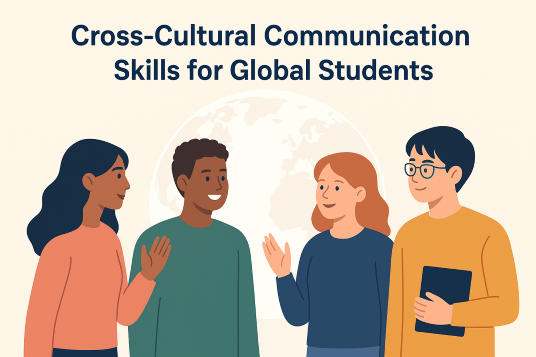
  • Cross-Cultural Communication Skills for Global Students

    Cross-Cultural Communication Skills for Global Students

    In an increasingly interconnected world, students are no longer limited by borders. Whether they are studying abroad, engaging in virtual global classrooms, or collaborating with peers from diverse cultures, today’s learners must be able to bridge cultural differences with confidence. At CVDragon, we believe cross-cultural communication is one of the most valuable skills students can develop—both for academic success and for thriving in international careers.

    Here’s how global students can build stronger communication skills and connect more effectively across cultures.

    1. Understanding Cultural Differences

    Every culture has its own communication style, values, and social norms. What feels polite or natural in one country may seem direct or unusual in another. Students benefit greatly from recognizing these differences and approaching them with curiosity rather than judgment.

    Some dimensions to explore include:

    • High-context vs. low-context communication

    • Formality levels

    • Attitudes toward time (strict or flexible)

    • Hierarchy and respect in conversations

    • Personal space and non-verbal cues

    Understanding these cultural dynamics helps prevent misunderstandings and fosters smoother interactions.

    2. Active Listening With an Open Mind

    Cross-cultural communication is just as much about listening as speaking. Global students should practice:

    • Paying attention to tone and body language

    • Asking open-ended questions

    • Avoiding assumptions

    • Clarifying meaning when needed

    • Showing genuine interest in others’ perspectives

    Active listening not only improves communication but also builds trust across diverse groups.

    3. Adapting Communication Styles

    Flexibility is key. Students often discover that their preferred communication style may not always resonate in a multicultural setting. Being willing to adjust tone, pace, and choice of words shows respect and increases the likelihood of being understood clearly.

    For instance:

    • Using simple, clear language when speaking with non-native English speakers

    • Slowing down speech without sounding condescending

    • Avoiding slang or culturally specific jokes

    • Being aware of gestures that may have different meanings internationally

    Adaptability enhances both collaboration and cultural understanding.

    4. Developing Strong Non-Verbal Awareness

    Non-verbal cues—eye contact, facial expressions, gestures, and posture—play a powerful role in communication and vary greatly between cultures.

    Students should be aware that:

    • Direct eye contact may signal confidence in some cultures but disrespect in others

    • Hand gestures can mean completely different things depending on the country

    • Silence can communicate agreement, respect, or disagreement based on context

    Recognizing these variations helps students communicate more effectively and respectfully.

    5. Building Empathy and Cultural Sensitivity

    Empathy allows students to step into the experiences of people from different backgrounds. It helps them communicate without bias and respond with compassion.

    Ways to cultivate empathy include:

    • Learning about other cultures through conversations, books, or travel

    • Respecting cultural celebrations and traditions

    • Being patient when language barriers arise

    • Avoiding stereotypes and generalizations

    Cultural sensitivity strengthens relationships and makes global environments more inclusive.

    6. Embracing Collaboration in Multicultural Teams

    Many academic projects now involve diverse team members, either in person or online. Students gain valuable insights when they collaborate across cultures. Effective teamwork requires:

    • Clear roles and expectations

    • Respectful disagreements

    • Encouraging quieter team members to share ideas

    • Celebrating diverse viewpoints

    • Finding common goals

    These experiences prepare students for multinational workplaces where cross-cultural collaboration is the norm.

    7. Continuous Learning and Self-Reflection

    Cross-cultural communication is not a one-time lesson—it’s a lifelong learning process. Students should take time to reflect on their interactions:

    • What went well?

    • What could be improved?

    • How did cultural differences influence the conversation?

    Self-awareness helps students grow and refine their communication skills over time.

    Conclusion

    Mastering cross-cultural communication helps global students thrive academically, socially, and professionally. By staying open-minded, adaptable, and empathetic, they can build meaningful connections across borders and navigate the global landscape with confidence.

    At CVDragon, we encourage students to embrace cultural diversity as a pathway to personal and professional growth—because the ability to connect across cultures is one of the most powerful skills of the future.