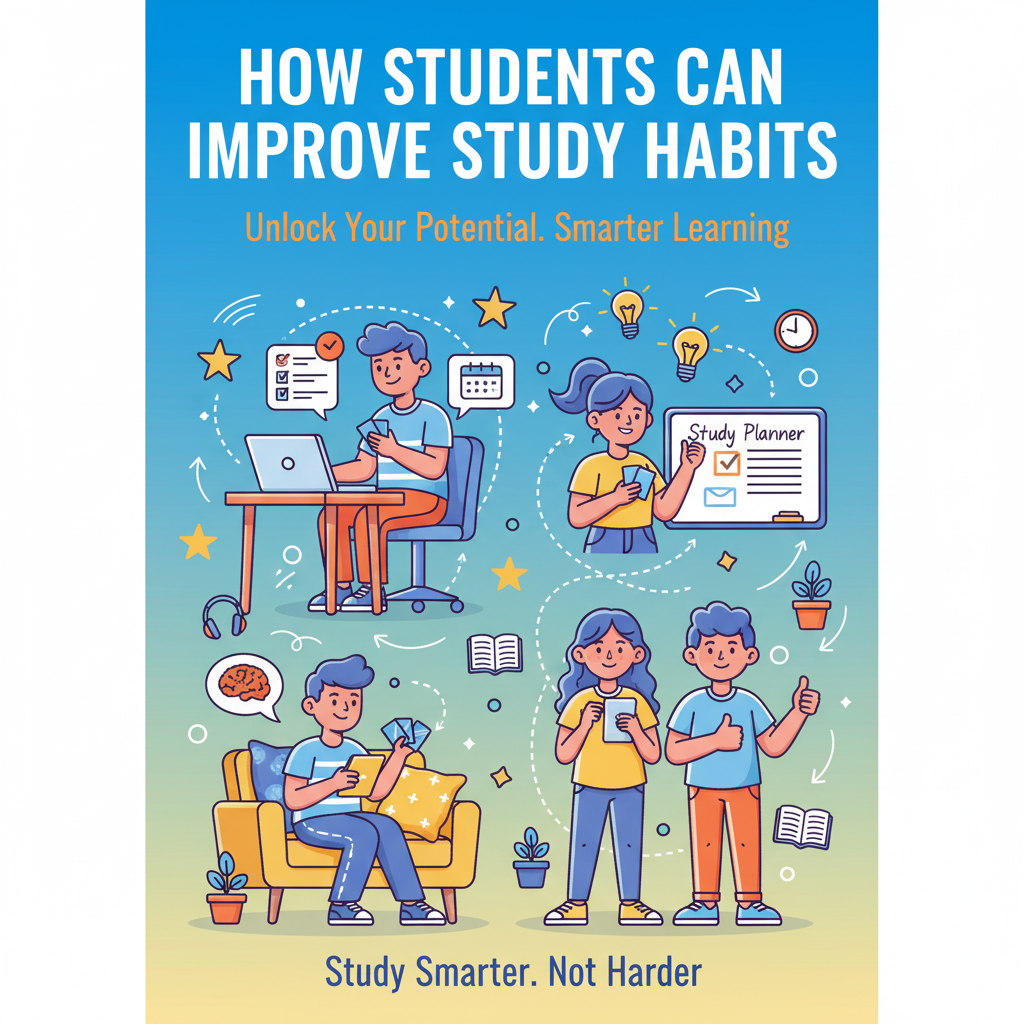
Good study habits are the foundation of academic success. Yet, many students struggle not because they lack talent, but because they haven’t learned the right strategies to study effectively. In a world full of distractions and academic pressure, developing strong study habits can make learning easier, enjoyable, and more rewarding. At cvDragon, we believe that the right study methods can transform how students learn and help them achieve their goals with confidence.
Here’s a guide on how students can build better study habits and unlock their full potential.
1. Establish a Consistent Study Routine
Consistency is key. When students set a fixed study routine, the brain adapts and becomes more focused during those hours. A schedule helps reduce procrastination and builds discipline.
Tips to get started:
-
Choose specific hours for studying every day
-
Prioritize difficult subjects during peak concentration times
-
Break long study sessions into focused blocks
-
Stick to the routine—even on weekends
With time, these consistent habits create a structured and stress-free learning environment.
2. Create a Dedicated Study Space
Where students study affects how well they study. A clutter-free, quiet, and comfortable environment boosts productivity and concentration.
Effective study spaces should include:
-
Adequate lighting
-
A clean table
-
Minimal noise
-
Comfortable seating
-
Limited distractions
-
All study materials within reach
The goal is to train the mind to associate this space with learning. Over time, simply sitting in that environment prepares the brain for study mode.
3. Use Active Learning Techniques
Passive reading often leads to forgetting information quickly. Instead, students should adopt active learning techniques that increase understanding and memory retention.
Some effective active learning methods include:
-
Making summaries in their own words
-
Creating flashcards
-
Teaching the topic to someone else
-
Using mind maps for complex concepts
-
Asking questions and analyzing ideas
-
Practicing previous exam papers
Active learning keeps the mind engaged and strengthens long-term memory.
4. Set Clear and Achievable Goals
Goal-setting helps students stay focused and motivated. When students know what they want to accomplish, studying becomes more purposeful.
Tips for setting smart goals:
-
Break large tasks into smaller, doable steps
-
Prioritize subjects with approaching deadlines
-
Track progress daily or weekly
-
Reward yourself when goals are met
Whether it’s completing a chapter, improving grades, or revising notes, clear goals give students direction and confidence.
5. Use Technology Wisely
Technology can be a powerful tool when used correctly. Students can enhance their study habits using digital tools such as:
-
Note-taking apps (Notion, OneNote, Evernote)
-
Calendar tools for scheduling
-
Study apps (Quizlet, Google Classroom, Forest)
-
Learning platforms (Khan Academy, Coursera)
Digital tools help keep notes organized, make revision easier, and support effective time management. At cvDragon, we encourage students to use technology to simplify learning—not distract from it.
6. Take Regular Breaks to Avoid Burnout
Studying for long hours without breaks leads to mental fatigue. The brain needs rest to process information properly. Using techniques like the Pomodoro method—25 minutes of focused study followed by a 5-minute break—can boost productivity.
Breaks should be used to:
-
Stretch
-
Drink water
-
Take a short walk
-
Relax the eyes
-
Breathe deeply
These small pauses refresh the mind and improve focus when students return to studying.
7. Practice Time Management
Time management is one of the most valuable skills a student can develop. Without proper planning, tasks pile up and cause stress.
Students can manage time better by:
-
Making weekly or daily to-do lists
-
Avoiding multitasking
-
Setting deadlines for assignments
-
Prioritizing important or challenging subjects
-
Using planners or scheduling apps
When students learn to manage their time well, they achieve more in less time and reduce last-minute pressure.
8. Stay Organized With Notes and Materials
Organized notes make revision faster and reduce confusion. Students should adopt efficient note-taking methods such as the Cornell system, bullet points, diagrams, and color-coding.
Tips for staying organized:
-
Keep separate files/notebooks for each subject
-
Review and update notes weekly
-
Highlight key points for quick revision
-
Avoid rewriting entire textbooks
When study materials are organized, students save time and understand concepts more clearly.
9. Develop Healthy Lifestyle Habits
Academic success depends not only on mental focus but also on physical health. Good lifestyle choices help students stay energized, alert, and motivated.
Important habits include:
-
Getting 7–8 hours of sleep
-
Eating nutritious meals
-
Drinking enough water
-
Exercising regularly
-
Limiting junk food and caffeine
-
Managing stress with mindfulness or meditation
A healthy body supports a healthy mind—and better study habits.
10. Minimize Distractions
Distractions are one of the biggest obstacles to effective studying. Students can improve focus by:
-
Switching off unnecessary notifications
-
Keeping mobile phones away during study time
-
Blocking distracting websites
-
Informing family members about study hours
-
Using apps that limit social media use
Reducing distractions leads to deeper concentration and better learning outcomes.
11. Seek Help When Needed
Asking for help is a sign of strength, not weakness. Students should reach out to teachers, classmates, or mentors when they face difficulties.
They can also join:
-
Study groups
-
Online forums
-
Peer-learning platforms
-
Workshops and tutoring sessions
Learning together enhances understanding and provides new perspectives.
12. Review Regularly
Regular revision helps store information in long-term memory. Instead of cramming before exams, students should revise small portions frequently.
Effective revision methods include:
-
Weekly chapter reviews
-
Revisiting important notes
-
Solving sample questions
-
Using spaced repetition techniques
Consistent review ensures that students remember what they learn and perform better in exams.
Conclusion: Small Changes Lead to Big Results
Improving study habits doesn’t require massive changes—just small, consistent steps. From organizing notes and managing time to creating a routine and staying healthy, each habit contributes to better learning and academic success.
At cvDragon, we believe that when students develop strong study habits, they not only achieve better grades but also become confident, disciplined, and future-ready individuals.
Leave a Reply