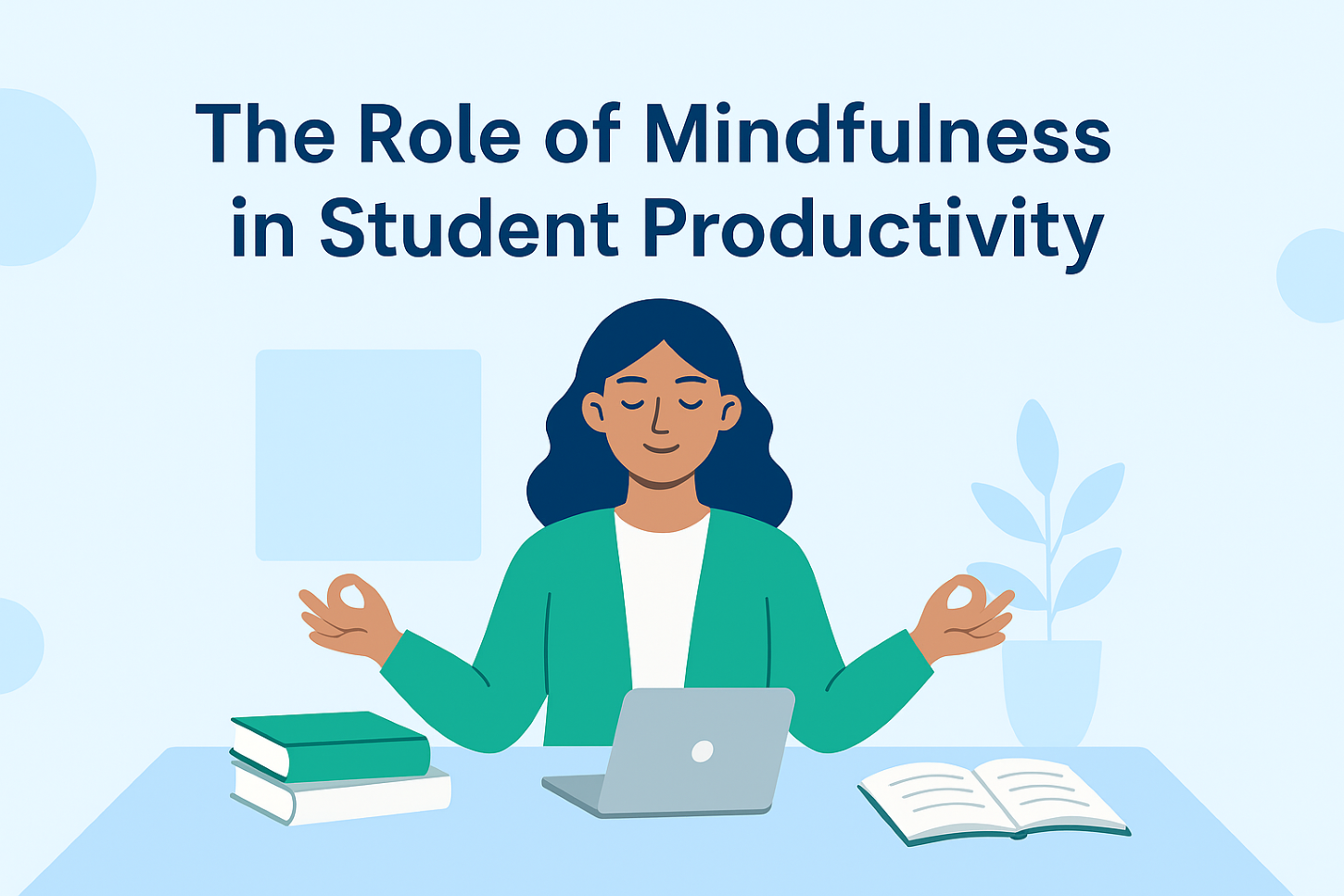
In today’s fast-paced academic world, students are under constant pressure to perform well, manage deadlines, and juggle multiple responsibilities. With increasing distractions—especially from technology—maintaining focus and productivity has become a major challenge.
This is where mindfulness steps in as a powerful solution. At cvDragon, we believe that mindfulness is not just a wellness trend—it’s a scientifically proven practice that helps students achieve better focus, emotional balance, and academic success.
Let’s explore how mindfulness plays a vital role in enhancing student productivity and how you can apply it in daily life.
What Is Mindfulness?
Mindfulness means being fully present in the moment—aware of your thoughts, feelings, surroundings, and actions without judgment. It’s the art of focusing your attention deliberately rather than letting it wander.
For students, mindfulness can mean paying attention during lectures, managing stress before exams, or staying calm while handling academic challenges.
It’s about training your mind to respond consciously instead of reacting impulsively.
The Science Behind Mindfulness and Productivity
Several studies have shown that mindfulness directly impacts the brain’s prefrontal cortex, which governs attention, decision-making, and emotional regulation. Regular mindfulness practice:
-
Improves concentration and cognitive performance.
-
Reduces anxiety and stress, leading to clearer thinking.
-
Enhances memory and learning capacity.
-
Promotes better sleep and overall well-being.
By practicing mindfulness, students can rewire their brains for greater focus, discipline, and productivity—skills that are essential for academic success and beyond.
1. Mindfulness Enhances Focus and Concentration
Distractions are everywhere—social media, notifications, multitasking—all of which reduce attention span and quality of work. Mindfulness trains students to recognize distractions and bring their attention back to the task at hand.
For instance, mindful studying means dedicating undivided attention to learning materials, avoiding multitasking, and being aware of when the mind starts to wander.
Example Practice:
Try the “Pomodoro + Mindfulness” technique—study for 25 minutes, then take a 5-minute break to focus on your breathing or surroundings. This helps refresh your mind while maintaining high productivity levels.
At cvDragon, we encourage students to include mindful techniques in their daily routines to improve concentration and manage academic tasks more efficiently.
2. Reduces Stress and Exam Anxiety
Exams, presentations, and deadlines often trigger stress and anxiety among students. Chronic stress not only affects performance but also impacts mental and physical health.
Mindfulness helps by teaching students to observe their thoughts without being overwhelmed by them. Through deep breathing or meditation, they learn to remain calm under pressure and approach challenges with clarity.
Example Practice:
Before an exam or presentation, take five slow breaths, focusing on each inhale and exhale. This simple act can lower your heart rate and bring mental stability, helping you perform better.
cvDragon’s Insight:
We’ve seen that students who integrate mindfulness techniques report higher confidence and reduced stress levels, especially during peak academic seasons.
3. Improves Time Management
Time management is a cornerstone of student productivity. Often, students struggle to prioritize tasks or underestimate how much time assignments will take.
Mindfulness helps by increasing self-awareness—students become more conscious of how they spend their time and how their habits impact performance. When you’re mindful, you can identify unproductive behaviors (like procrastination) and replace them with focused actions.
Example Practice:
Start your day with a mindful planning ritual—take five minutes to review your to-do list, visualize completing each task, and commit to being fully present throughout the day.
At cvDragon, we emphasize that mindful time management not only improves productivity but also creates a more balanced academic lifestyle.
4. Boosts Emotional Intelligence and Resilience
Mindfulness teaches students to understand their emotions and respond thoughtfully. When facing academic setbacks—like low grades or criticism—mindful students are less likely to react with frustration or self-doubt.
Instead, they approach problems with resilience and self-compassion, allowing them to learn and improve without harsh self-judgment.
Example Practice:
End your day with a gratitude reflection—write down three positive experiences or lessons learned. This builds optimism and emotional balance, key traits for academic and personal growth.
5. Encourages Better Decision-Making
A cluttered or anxious mind often leads to impulsive decisions. Mindfulness clears mental fog and helps students make rational, intentional choices—whether it’s managing priorities, choosing study partners, or planning careers.
By practicing mindfulness, students develop patience and clarity, allowing them to align their actions with long-term goals rather than short-term impulses.
cvDragon’s Approach:
Our career and education guidance platform integrates personal development tools that encourage mindful self-reflection, helping students make confident, purpose-driven choices for their future.
6. Improves Overall Well-Being and Academic Performance
Ultimately, mindfulness enhances not only productivity but also overall mental, emotional, and physical well-being. Students who practice mindfulness experience:
-
Better sleep and relaxation.
-
Improved relationships with peers and teachers.
-
Higher motivation and engagement in academics.
A healthy, balanced mind naturally performs better. When students learn to manage stress, focus effectively, and maintain emotional stability, productivity becomes a byproduct of their well-being.
Practical Mindfulness Techniques for Students
Here are some simple ways students can incorporate mindfulness into their daily lives:
-
Mindful Breathing: Take a few minutes each day to focus solely on your breath. This anchors your mind and reduces stress.
-
Meditation: Dedicate 10 minutes daily to quiet reflection or guided meditation. Apps like Calm or Headspace can help.
-
Mindful Studying: Study with full attention—no distractions, no multitasking.
-
Digital Detox: Schedule device-free hours during study or rest time.
-
Mindful Walking: Take short walks between study sessions, observing your surroundings.
-
Journaling: Write down your thoughts, feelings, and gratitude daily to stay self-aware and positive.
Even five minutes of mindfulness practice can make a significant difference in focus and mental clarity.
Conclusion
Mindfulness is more than a relaxation technique—it’s a powerful productivity tool for students. By cultivating awareness, focus, and emotional balance, mindfulness empowers students to study smarter, handle stress gracefully, and achieve their academic goals with confidence.
At cvDragon, we believe true success begins with a balanced mind. By integrating mindfulness into daily routines, students can unlock their full potential—both in academics and in life.
Start small, stay consistent, and let mindfulness guide you toward a more focused, productive, and fulfilling educational journey.
Leave a Reply