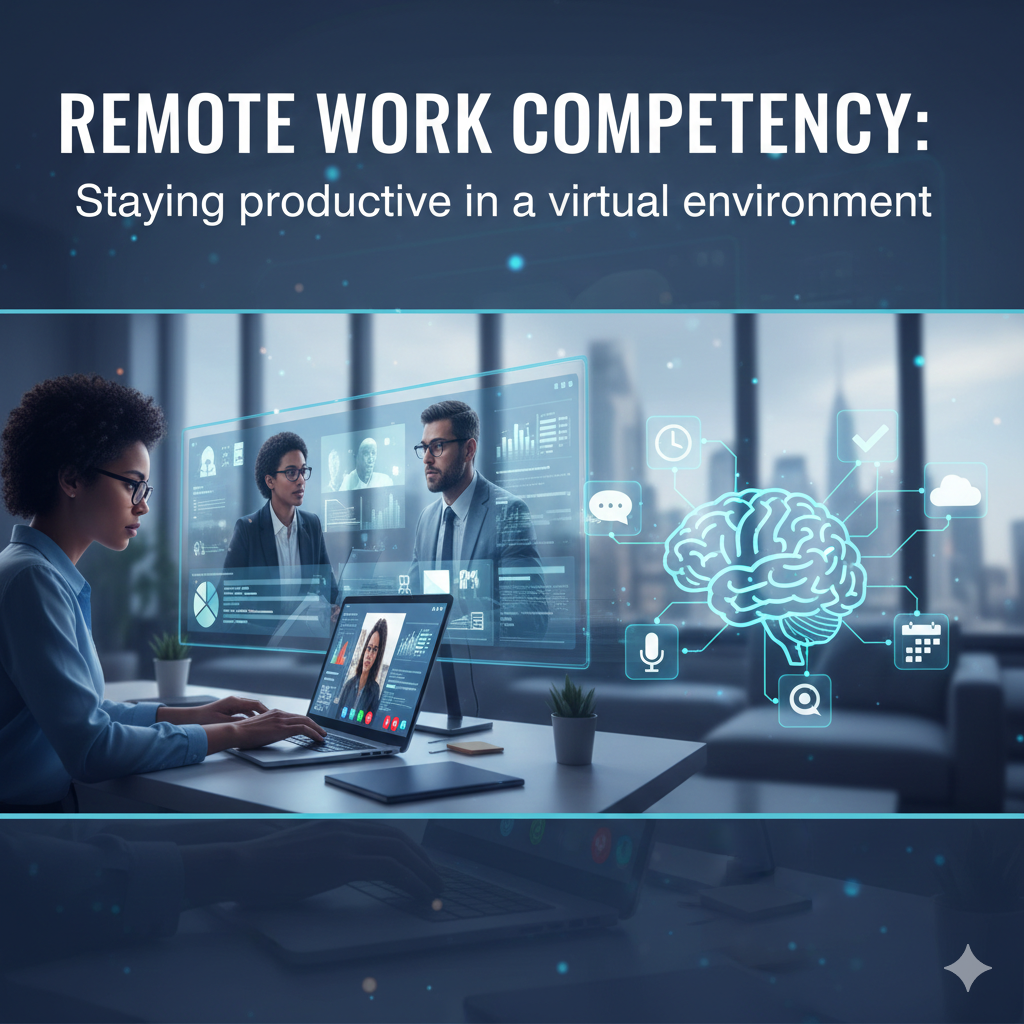
Remote work is no longer a temporary trend—it is a permanent part of the modern workplace. From global corporations to startups and freelance professionals, organizations across industries are embracing virtual work environments. While remote work offers flexibility and freedom, it also demands a new set of skills to remain productive, focused, and accountable.
At cvDragon, we regularly engage with students and professionals preparing for digital-first careers. One thing is clear: success in remote roles depends not just on technical skills, but on remote work competency—the ability to manage time, communicate effectively, stay motivated, and deliver results without physical supervision.
This article explores what remote work competency truly means, why it matters, and practical strategies to stay productive in a virtual environment.
What Is Remote Work Competency?
Remote work competency refers to the combination of skills, behaviors, and mindset required to work effectively outside a traditional office setup. It involves more than just working from home—it’s about maintaining professionalism, productivity, and collaboration in a virtual space.
Key elements include:
-
Self-discipline and time management
-
Digital communication skills
-
Tech proficiency
-
Accountability and reliability
-
Work-life balance awareness
Remote work success depends heavily on how well individuals manage themselves.
Why Remote Work Skills Are Essential Today
Remote and hybrid work models are now common across industries such as IT, marketing, education, consulting, finance, and customer service.
Benefits of Strong Remote Work Competency
-
Higher productivity and efficiency
-
Greater independence and confidence
-
Improved work-life balance
-
Better career opportunities
-
Strong employer trust
Employers increasingly prefer candidates who can perform well without constant supervision.
Common Challenges of Working Remotely
Understanding challenges helps in overcoming them.
1. Distractions at Home
Household noise, family interruptions, and digital distractions can reduce focus.
2. Lack of Structure
Without fixed office hours, productivity may drop.
3. Communication Gaps
Virtual communication lacks body language and instant clarification.
4. Isolation and Burnout
Limited social interaction can impact motivation and mental health.
Remote work competency is about managing these challenges proactively.
Essential Skills for Staying Productive in a Virtual Environment
1. Time Management and Self-Discipline
Remote work demands strong self-control.
Effective strategies include:
-
Setting fixed work hours
-
Using task lists and planners
-
Breaking work into focused time blocks
-
Avoiding multitasking
Managing time well is the foundation of remote productivity.
2. Creating a Dedicated Workspace
Your environment influences your mindset.
A good remote workspace should:
-
Be quiet and organized
-
Have proper lighting and seating
-
Be free from unnecessary distractions
A dedicated space signals your brain that it’s time to work.
3. Mastering Digital Communication
Clear communication is critical in virtual teams.
Key practices:
-
Writing clear and concise messages
-
Using appropriate channels (email, chat, video)
-
Providing regular updates
-
Asking questions proactively
Good communication prevents misunderstandings and builds trust.
4. Using the Right Tools Effectively
Remote productivity relies heavily on digital tools.
Common tools include:
-
Video conferencing platforms
-
Project management software
-
Cloud collaboration tools
-
Time-tracking apps
Knowing how to use tools efficiently is a valuable professional skill.
5. Setting Clear Goals and Priorities
Without physical supervision, clarity is essential.
Effective remote workers:
-
Set daily and weekly goals
-
Prioritize high-impact tasks
-
Track progress regularly
Clear goals reduce stress and improve accountability.
6. Maintaining Focus and Minimizing Distractions
Digital distractions are one of the biggest productivity killers.
Helpful habits include:
-
Turning off unnecessary notifications
-
Scheduling focused work sessions
-
Limiting social media during work hours
Focused work leads to better results in less time.
7. Building Accountability
Remote work requires personal responsibility.
Ways to stay accountable:
-
Share progress updates
-
Meet deadlines consistently
-
Track your own performance
Accountability builds professional credibility.
Remote Work Skills for Students
Remote learning, internships, and virtual projects are now common for students.
Benefits for Students
-
Prepares them for future jobs
-
Builds independence and responsibility
-
Improves digital collaboration skills
-
Enhances time management
At cvDragon, we encourage students to treat remote assignments as professional experiences.
Remote Work Competency in the Workplace
In professional settings, remote competency affects:
-
Performance evaluations
-
Career growth
-
Team trust
-
Leadership opportunities
Employees who manage remote work well are often given more flexibility and responsibility.
Importance of Work-Life Balance in Remote Work
Remote work can blur boundaries between work and personal life.
To maintain balance:
-
Set clear start and end times
-
Take regular breaks
-
Avoid overworking
-
Disconnect after work hours
Healthy balance prevents burnout and supports long-term productivity.
Emotional Intelligence and Remote Work
Remote environments require heightened emotional awareness.
High emotional intelligence helps with:
-
Managing stress
-
Interpreting tone in digital messages
-
Supporting team members
-
Staying motivated
Remote work competency is both technical and emotional.
How to Showcase Remote Work Skills on Your Resume
Many people have remote experience but fail to highlight it.
You can showcase:
-
Virtual collaboration experience
-
Remote project management
-
Independent task handling
-
Digital communication skills
At cvDragon, we help candidates present remote work competency clearly and professionally.
Future of Work: Why Remote Competency Will Matter Even More
As organizations continue to adopt hybrid and remote models, remote work skills will become essential rather than optional.
Future-ready professionals will be those who:
-
Adapt quickly
-
Work independently
-
Communicate clearly
-
Use digital tools confidently
Remote competency is a long-term career advantage.
How cvDragon Helps Build Remote-Ready Professionals
At cvDragon, we focus on preparing individuals for real-world work environments. We help students and professionals:
-
Develop productivity and self-management skills
-
Understand virtual workplace expectations
-
Present remote skills effectively
-
Build confidence for digital careers
We believe remote work success starts with the right mindset and skills.
Conclusion
Remote work offers incredible opportunities—but only to those who are prepared. Staying productive in a virtual environment requires discipline, communication, adaptability, and emotional intelligence. When these skills come together, remote work becomes not just manageable, but empowering.
At cvDragon, we believe that mastering remote work competency is a key step toward future-proofing your career. By developing the right habits and mindset today, students and professionals can thrive in the evolving world of work—no matter where they are located.
Leave a Reply