Blog

  • The Role of Personalization in Hotel Marketing: Creating Guest Experiences That Convert

    The Role of Personalization in Hotel Marketing: Creating Guest Experiences That Convert

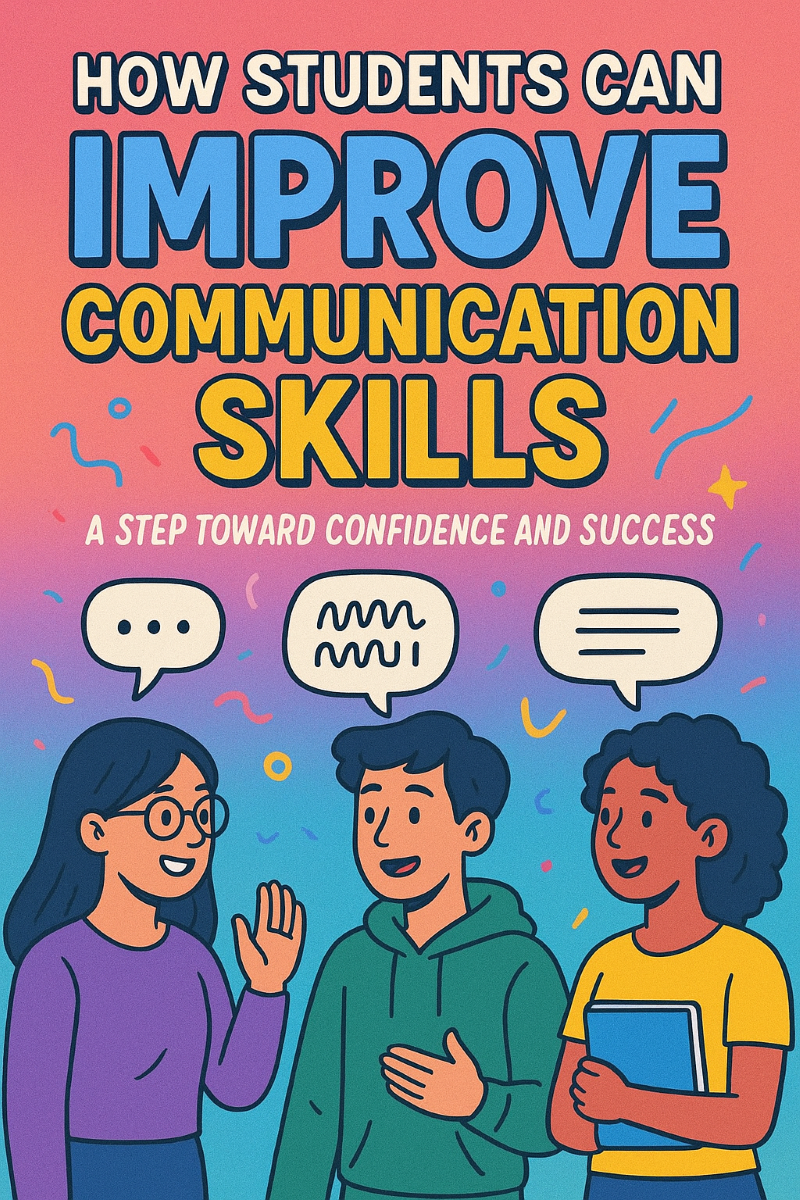
    In today’s world, communication is more than just talking — it’s about expressing ideas clearly, listening effectively, and connecting meaningfully with others. Whether it’s cracking an interview, giving a presentation, or working on a team project, strong communication skills can open doors that academic knowledge alone cannot.

    At CvDragon, we work closely with students and professionals to help them grow holistically — and communication sits right at the heart of personal and career development. Let’s explore how students can genuinely improve their communication skills and build the confidence that makes all the difference. 🌱


    💡 Why Communication Skills Matter

    Before we dive into the “how,” let’s understand the “why.”

    Good communication is the foundation of success in every aspect of life. It helps you:

    • Express your thoughts confidently in interviews.
    • Collaborate better with classmates or team members.
    • Build meaningful professional relationships.
    • Avoid misunderstandings and conflicts.
    • Leave a strong, lasting impression on others.

    It’s not just about speaking English fluently — it’s about being clear, empathetic, and confident in any situation.


    🔹 1. Listen More Than You Speak

    Communication isn’t just about talking; it starts with listening.

    When you actively listen to others, you understand their perspective, emotions, and intent — which helps you respond better. Practice active listening by maintaining eye contact, nodding, and asking follow-up questions.

    👉 Try this: Next time you’re in a conversation, focus entirely on the speaker without thinking about what you’ll say next. You’ll be surprised how much better your responses become.


    🔹 2. Read Every Day — But Read Smart

    Reading helps you learn how ideas are expressed effectively. It builds your vocabulary, improves sentence structure, and enhances comprehension.

    Instead of just scrolling social media, pick up a mix of:

    • Articles on topics you love 📰
    • Books or blogs on personal growth 📚
    • Speeches or interviews of inspiring personalities 🎙️

    👉 Pro tip: Note down 3–5 new words every week and try to use them in daily conversations — it’s a fun way to grow your word power naturally.


    🔹 3. Practice Speaking — Out Loud and Often

    Confidence doesn’t come from knowing what to say, but from saying it out loud.

    Start small — introduce yourself in the mirror, explain your day to yourself, or join group discussions at college. Speaking regularly helps you overcome hesitation and makes your voice sound more natural and assured.

    👉 Try this: Record yourself speaking on a topic for 1 minute daily. Then, listen to it and note what you can improve — pace, tone, or clarity.


    🔹 4. Learn the Power of Non-Verbal Communication

    Did you know that more than 70% of communication is non-verbal? Your posture, facial expressions, and gestures speak volumes even before you say a word.

    Maintain a confident body language —

    • Stand tall and make eye contact 👀
    • Use hand gestures naturally
    • Smile when appropriate 🙂

    Non-verbal communication shows confidence and authenticity — two traits that employers and peers immediately notice.


    🔹 5. Join Clubs, Debates, or Toastmasters

    Your college is full of opportunities to practice communication. Participating in clubs, debate teams, or organizations like Toastmasters helps you learn to articulate your thoughts clearly and handle public speaking pressure.

    The more you expose yourself to speaking situations, the more natural it becomes.

    👉 Remember: Mistakes are part of the process. Every nervous pause or forgotten word makes you a little stronger for the next time. 💪


    🔹 6. Build Empathy While Communicating

    Communication isn’t just about what you say — it’s about how your words make others feel.

    Empathetic communication means understanding the other person’s emotions and perspective. This skill helps you build stronger relationships both personally and professionally.

    👉 Example: If your friend is stressed, instead of saying “Don’t worry,” try “I understand you’re under pressure — how can I help?” It changes the whole tone of the conversation.


    🔹 7. Watch and Learn from Good Communicators

    You can learn a lot simply by observing. Watch TED Talks, interviews, or presentations from confident speakers. Notice how they pace their speech, use stories, and connect with their audience.

    👉 Bonus Tip: Choose one speaker you admire and try to mirror their tone, pauses, and style. With practice, you’ll develop your own unique voice that feels natural and confident.


    🔹 8. Work on Written Communication Too ✍️

    Writing is another crucial part of communication — from emails to reports to social media posts.

    To improve:

    • Practice writing short summaries of what you read or learn.
    • Avoid overcomplicated words — simplicity is clarity.
    • Proofread your work for grammar and tone.

    Remember, how you write reflects how you think. Clear writing means clear thinking — a skill every recruiter values.


    🔹 9. Get Feedback — and Don’t Take It Personally

    Sometimes we can’t spot our own communication gaps. Ask trusted friends, teachers, or mentors for honest feedback.

    👉 Ask questions like:

    • “Do I sound clear when I speak?”
    • “Was my point easy to understand?”
    • “How can I make my tone more confident?”

    Constructive feedback helps you grow faster than practicing in isolation.


    🔹 10. Stay Patient and Consistent

    Improving communication skills is a journey — not a one-day task. You might stammer sometimes, forget words, or feel nervous, but that’s okay. Every great speaker started somewhere.

    👉 Consistency tip: Dedicate 15 minutes daily to improving your communication — whether it’s speaking, reading, or writing. Over time, those small steps will bring massive results. 🚀


    🌟 Final Thoughts from CvDragon

    Good communication skills are the bridge between knowledge and opportunity. You may have all the qualifications, but how you present yourself can make or break your first impression.

    At CvDragon, we’ve seen thousands of students transform their confidence by practicing simple, everyday communication habits. Remember — you don’t need to be perfect; you just need to be authentic, clear, and willing to improve.

    So, start today — speak up in class, read something meaningful, ask thoughtful questions, and keep growing. Your voice is powerful — use it wisely. 🎤✨
  • Top 10 Soft Skills Every Student Must Learn

    Top 10 Soft Skills Every Student Must Learn

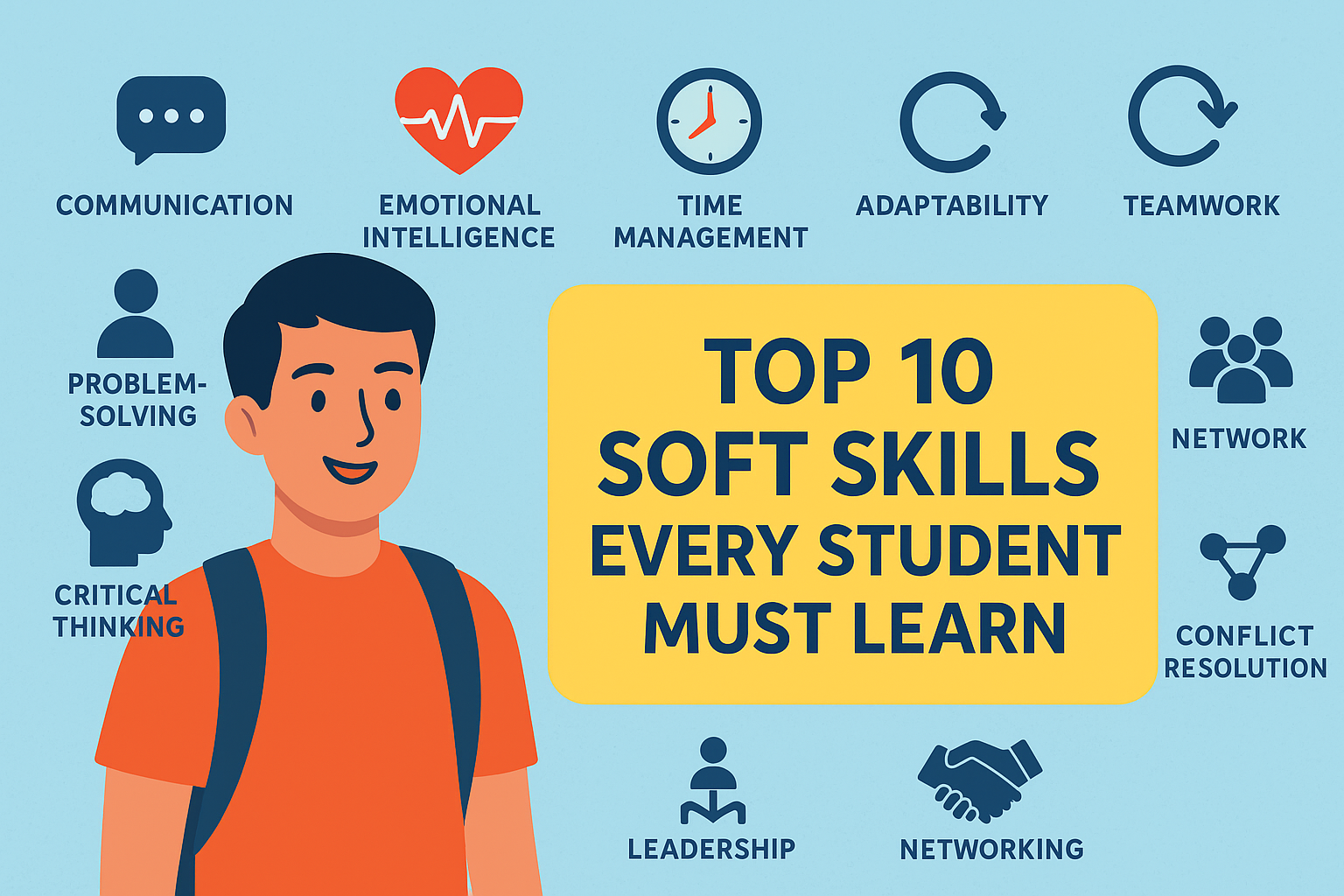
    In today’s competitive world, excelling in academics is no longer the only measure of a student’s potential. While technical knowledge and academic achievements are essential, they alone cannot guarantee success in professional or personal life. Employers, educational institutions, and organizations increasingly look for individuals who possess soft skills—the interpersonal, emotional, and cognitive abilities that allow one to navigate challenges, communicate effectively, and collaborate efficiently.

    Soft skills are the bridge between knowledge and action. They enable students to apply what they learn in real-world situations, manage relationships, and adapt to rapidly changing environments. For students preparing to enter higher education or the workforce, developing these skills is as crucial as mastering their core subjects.

    Here, CvDragon highlights the top ten soft skills every student must learn to thrive in today’s world.


    1. Communication Skills

    Communication is the cornerstone of all human interaction. Students who can articulate their thoughts clearly, listen actively, and adapt their message to their audience have a significant advantage. Effective communication is not limited to speaking; it also includes writing, body language, and digital communication.

    For instance, writing a concise email, presenting a project confidently, or participating in a classroom discussion all require strong communication skills. Students who master these abilities are better equipped to collaborate with peers, seek guidance from mentors, and make their voices heard in group settings.

    How to Develop:

    • Practice public speaking in clubs or classrooms.
    • Engage in debates or group discussions.
    • Write regularly, such as journals, essays, or blogs, to refine clarity and structure.


    1. Emotional Intelligence

    Emotional intelligence (EQ) refers to the ability to recognize, understand, and manage your emotions while empathizing with the feelings of others. High EQ allows students to navigate social interactions, handle stress, and resolve conflicts effectively.

    A student with strong emotional intelligence can remain calm during exams, respond constructively to criticism, and maintain positive relationships with peers and teachers. In professional life, EQ often distinguishes great leaders and collaborators from technically competent but socially unaware individuals.

    How to Develop:

    • Reflect on your emotions daily and identify triggers.
    • Practice empathy by listening actively to others.
    • Learn stress management techniques like mindfulness or meditation.


    1. Time Management

    Time management is the ability to plan and control how much time to spend on specific tasks. Students often juggle multiple responsibilities: classes, assignments, extracurricular activities, and personal commitments. Without effective time management, tasks pile up, stress increases, and performance suffers.

    Mastering this skill helps students set priorities, meet deadlines, and balance academics with hobbies and social life. Efficient time management also fosters self-discipline, a trait highly valued in higher education and the workplace.

    How to Develop:

    • Create a daily or weekly schedule.
    • Use tools like planners, calendars, or productivity apps.
    • Break tasks into smaller, manageable parts and avoid procrastination.


    1. Adaptability

    The modern world is dynamic, and the ability to adapt to change is crucial. Adaptable students can handle new environments, unexpected challenges, and shifting priorities with ease. Whether it’s a new teaching method, online learning, or group project changes, adaptability ensures resilience and continuous growth.

    Adaptability also fosters creativity and problem-solving, as flexible thinkers are more likely to explore innovative solutions instead of rigidly adhering to one approach.

    How to Develop:

    • Step out of your comfort zone regularly.
    • Take up new activities or challenges.
    • Learn to embrace change instead of resisting it.


    1. Problem-Solving Skills

    Problem-solving is the capacity to analyze situations, identify issues, and devise practical solutions. In academic settings, students face challenges such as complex assignments or projects that require critical thinking. In life, problem-solving helps navigate personal, social, and professional obstacles.

    Students who develop strong problem-solving skills demonstrate initiative, logical thinking, and creativity. Employers value these individuals because they can address challenges independently without constant supervision.

    How to Develop:

    • Engage in puzzles, case studies, or strategic games.
    • Break problems into smaller components and analyze each part.
    • Seek multiple perspectives before deciding on a solution.


    1. Critical Thinking

    Critical thinking involves questioning assumptions, evaluating evidence, and making reasoned decisions. Students with this skill can distinguish between fact and opinion, identify biases, and approach problems systematically.

    Critical thinkers do not simply memorize information; they understand the “why” behind concepts. This skill is essential for academic research, writing, and decision-making in professional settings.

    How to Develop:

    • Practice analyzing articles, news, and reports critically.
    • Engage in discussions that challenge your viewpoints.
    • Ask open-ended questions to explore deeper meanings.


    1. Teamwork and Collaboration

    Most careers today involve working in teams. Students must learn to cooperate, respect differing opinions, and contribute meaningfully to group objectives. Effective teamwork requires listening, sharing responsibilities, and resolving conflicts constructively.

    Collaborative skills also foster leadership and empathy, as students learn to balance individual goals with collective success. Strong team players are often more adaptable and better at networking, both of which enhance career prospects.

    How to Develop:

    • Participate in group projects, clubs, or sports.
    • Practice active listening and provide constructive feedback.
    • Learn to compromise without sacrificing core principles.


    1. Leadership Skills

    Leadership is not just about holding a title; it’s about inspiring, guiding, and motivating others toward shared goals. Students can develop leadership qualities through class activities, volunteer work, or community service.

    A good leader takes initiative, communicates effectively, and fosters a sense of teamwork. Leadership skills are not only vital for managerial roles but also for projects, academic competitions, and social initiatives.

    How to Develop:

    • Volunteer for responsibilities or lead group tasks.
    • Learn to motivate and encourage peers.
    • Observe and learn from successful leaders.


    1. Conflict Resolution

    Disagreements are natural, whether in classrooms, group projects, or social settings. Conflict resolution is the ability to address disagreements constructively, find common ground, and maintain positive relationships.

    Students skilled in conflict resolution are more likely to handle stress calmly, build trust with peers, and contribute to a harmonious environment. This skill is particularly important in professional life, where disputes can impact team efficiency and workplace morale.

    How to Develop:

    • Practice active listening to understand different perspectives.
    • Focus on solutions rather than blaming others.
    • Stay calm and objective during disagreements.


    1. Networking Skills

    Networking is the art of building and nurturing professional relationships. Students who network effectively can gain mentorship, internships, and future career opportunities. Networking is not just about meeting people; it involves maintaining genuine relationships and exchanging knowledge and support.

    Strong networking skills help students learn from industry experts, explore career paths, and build a professional presence early in life. These connections often become invaluable resources throughout one’s career.

    How to Develop:

    • Attend seminars, workshops, and social events.
    • Approach professionals with curiosity and respect.
    • Maintain long-term relationships through follow-ups and meaningful interactions.


    Conclusion

    Soft skills are no longer optional—they are essential for academic success, personal growth, and career readiness. While technical knowledge forms the foundation, soft skills determine how effectively students apply that knowledge in real-life scenarios.

    By developing communication, emotional intelligence, time management, adaptability, problem-solving, critical thinking, teamwork, leadership, conflict resolution, and networking skills, students prepare themselves for a future filled with opportunities and challenges. These skills not only enhance employability but also promote self-confidence, resilience, and lifelong learning.

    For students aiming to excel academically and professionally, investing time and effort in developing soft skills is as important as mastering their subjects. CvDragon encourages students to focus on holistic growth—because success is not just about what you know, but how you apply it and interact with the world.

    The journey to mastering soft skills starts today. The earlier students embrace these abilities, the stronger their foundation for a successful and fulfilling life.

  • The Power of Skill Development for Students — and How cvDragon Supports It

    The Power of Skill Development for Students — and How cvDragon Supports It

    In a world where industries evolve overnight, simply holding a degree isn’t enough. Employers now look for people who can think, adapt, collaborate, and execute — not just recite theory. This is where skill development becomes the bridge between academic achievement and real-world success.

    Below, we explore why building skills matters so much for students — and how cvDragon helps them grow into confident, job-ready professionals.

    Why Skill Development is Crucial

    1. From Theory to Practice: Many students graduate with knowledge, but struggle to perform in the workplace. Employers frequently observe that new graduates lack exposure to real tasks, teamwork, or hands-on projects. Developing skills closes that gap — turning textbook learning into on-the-job competence.
    2. Boosting Confidence and Autonomy: Each new skill learned — clear communication, time management, data tools — gives students confidence. With that confidence, they’re more proactive in exploring opportunities or solving problems. Self-trust often becomes what separates a passive candidate from a standout one.
    3. Staying Relevant Amid Change: Jobs and roles shift constantly with technology, automation, and new business models. Students who continually upskill — learning tools like AI, analytics, automation, or domain-specific software — are better prepared for whatever the future brings.
    4. Mastering Soft Skills: Technical know-how opens doors, but soft skills like persuasion, teamwork, resilience, and emotional intelligence often determine long-term success. Those who balance hard and soft competencies become more adaptable, effective, and influential.
    5. Cultivating a Growth Mindset: Skill development isn’t just a semester task — it’s a way of thinking. When students learn to enjoy the process of growth, they carry that habit through their careers, thriving in uncertainty rather than fearing it.
    6. Enhancing Career Prospects: Degrees open doors; skills make you unforgettable. Employers notice candidates who can hit the ground running — who don’t just know theory, but also execution, delivery, and impact.
    7. Fostering Innovation & Entrepreneurship: For many young people today, “job” is just one path. Skill development fuels creativity, problem solving, and business thinking. Armed with both knowledge and capability, students can start projects, initiatives, or companies of their own.

    What Kinds of Skills Matter Most

    To become well-rounded and employable, students should seek growth in these categories:

    • Technical Skills: Programming, data manipulation, domain-specific software, digital tools, design, analytics.
    • Soft / Interpersonal Skills: Communication, public speaking, teamwork, emotional intelligence, conflict resolution.
    • Digital & Emerging Skills: Social media marketing, research and collaboration tools, AI literacy, automation, virtual teamwork.

    How cvDragon Accelerates Skill Growth & Visibility

    cvDragon is more than a CV builder — it’s a platform designed to help students identify, showcase, and sharpen their skills. Here’s how:

    1. Skill Discovery Made Simple: Many students don’t realize what talents they already have. cvDragon offers prompts, examples, and guided suggestions to help users map out what they know — and what they want to learn next.
    2. CVs That Tell a Skill Story: Your resume becomes your narrative. cvDragon’s templates and tools make sure that skills, internships, side projects, and achievements are not just listed — they’re showcased in a way that draws attention.
    3. Insight Into What the Market Wants: Through articles, data, and industry trends, cvDragon highlights which skills are trending, where demand lies, and what future employers look for — helping students focus their learning efforts.
    4. Workshops, Webinars & Community Events: Live and interactive sessions help students practice, ask questions, and receive feedback. Topics range from interview skills and communication to technical how-tos, bridging the gap between theory and practice.
    5. Digital Portfolios for Real Work: Too many students have “invisible” projects. cvDragon allows users to build portfolios — hosting code, designs, research, certificates, and real projects in one shareable space.
    6. Aligning With Industry Needs: By observing what employers want, cvDragon helps shape its features and content so students can build resumes and skills that match market expectations — giving them an edge.
    7. Encouraging Continuous Growth: A profile is never “done.” cvDragon nudges users to update, add new achievements, and keep learning. This reinforces the mindset of ongoing improvement.

    The Human Side: Growth, Not Just Credentials

    Skills are about more than resumes — they’re about identity, agency, and confidence. What matters is not just having skills, but believing you can grow further.

    cvDragon knows that every student’s journey is unique. The platform speaks to more than technical growth — it seeks to nurture the belief that students can evolve, adapt, and rise.

    What Students Gain with cvDragon

    • Clarity on strengths and gaps
    • A polished, skill-focused CV
    • Access to market-relevant knowledge
    • Hands-on workshops and application opportunities
    • Motivation to keep growing

    Final Thoughts

    Knowledge is foundational — but skills turn that knowledge into impact. In a world that’s constantly shifting, students need adaptability, confidence, and creativity. Skill development is no longer optional — it’s essential.

    cvDragon is designed to help students not only present themselves, but grow themselves — guiding them from confusion to clarity, from passive learning to active building, from “what if?” to “I will.” Because in a future where change is the only constant, preparation is power.

  • Hello world!

    Welcome to WordPress. This is your first post. Edit or delete it, then start writing!