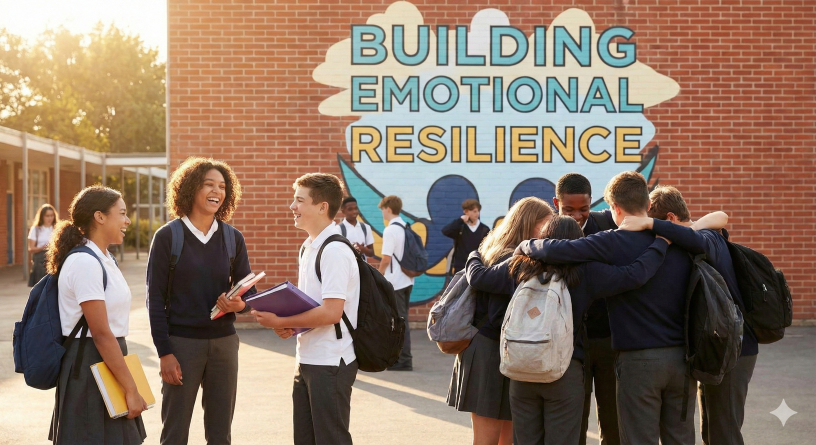
In today’s fast-changing and highly competitive world, students face numerous academic, social, and personal pressures. From exams and deadlines to peer relationships and future career concerns, these challenges can feel overwhelming. While academic knowledge is important, what truly helps students cope, adapt, and succeed is emotional resilience.
Emotional resilience enables students to handle stress, recover from setbacks, and remain positive even during difficult times. It equips them with the inner strength needed not only for academic success but also for long-term personal and professional growth.
What Is Emotional Resilience?
Emotional resilience is the ability to adapt to stress, manage emotions, and bounce back from adversity. Resilient students are not free from challenges; instead, they are better prepared to face them with confidence, patience, and self-awareness.
Key characteristics of emotionally resilient students include:
-
Emotional awareness
-
Positive thinking
-
Self-control
-
Flexibility
-
Perseverance
-
Healthy coping strategies
Why Emotional Resilience Is Important for Students
1. Helps Students Manage Academic Stress
Exams, assignments, and performance expectations often create pressure. Emotional resilience allows students to:
-
Stay calm under stress
-
Focus on preparation rather than fear
-
View challenges as learning opportunities
Resilient students handle pressure more effectively and perform better academically.
2. Encourages a Positive Response to Failure
Failure is a natural part of learning, but many students fear it. Emotional resilience teaches students to:
-
Learn from mistakes
-
Avoid negative self-talk
-
Stay motivated after setbacks
This mindset helps students grow stronger rather than discouraged.
3. Supports Mental Health and Well-Being
Emotionally resilient students are better equipped to:
-
Manage anxiety and frustration
-
Maintain emotional balance
-
Reduce the risk of burnout
Strong resilience contributes to healthier mental and emotional well-being.
4. Improves Emotional Intelligence
Resilience is closely linked to emotional intelligence. It helps students:
-
Understand their emotions
-
Regulate emotional reactions
-
Empathize with others
These skills strengthen relationships and improve communication.
5. Builds Confidence and Self-Belief
When students overcome challenges, their confidence grows. Emotional resilience reinforces the belief that they can handle difficulties, leading to increased self-esteem and independence.
6. Enhances Problem-Solving Skills
Resilient students approach problems with clarity and patience. Instead of panicking, they:
-
Analyze situations calmly
-
Consider multiple solutions
-
Take constructive action
This skill benefits both academics and real-life decision-making.
7. Encourages Healthy Social Relationships
Emotional resilience helps students:
-
Handle peer pressure
-
Resolve conflicts maturely
-
Communicate effectively
Resilient students build stronger and healthier relationships with peers and teachers.
8. Prepares Students for Future Challenges
Life beyond school comes with uncertainties. Emotional resilience prepares students to:
-
Adapt to change
-
Handle workplace stress
-
Accept constructive criticism
-
Navigate personal and professional challenges
Resilience becomes a lifelong strength.
How Emotional Resilience Develops in Students
Emotional resilience is not innate—it is developed over time through experiences, guidance, and practice. Some key contributors include:
-
Supportive family and school environments
-
Positive role models
-
Opportunities to face challenges
-
Emotional awareness and reflection
-
Encouragement and constructive feedback
Ways to Build Emotional Resilience in Students
1. Encourage Emotional Awareness
Students should be taught to identify and express their emotions openly and healthily.
2. Promote a Growth Mindset
Teaching students that abilities can improve through effort helps them face challenges positively.
3. Teach Stress-Management Techniques
Practices such as deep breathing, mindfulness, journaling, and physical activity help regulate emotions.
4. Foster Strong Support Systems
Support from teachers, peers, and parents builds emotional security and confidence.
5. Encourage Problem-Solving
Helping students think through challenges rather than avoiding them builds resilience.
6. Model Resilient Behavior
Adults who demonstrate calmness, adaptability, and perseverance influence students positively.
Role of Schools and Educators
Schools play a vital role in nurturing emotional resilience by:
-
Creating emotionally safe learning environments
-
Encouraging open communication
-
Integrating life skills into the curriculum
-
Offering counseling and mentoring support
-
Recognizing effort, not just results
Conclusion
Emotional resilience is a cornerstone of student development. It helps students manage stress, overcome challenges, and maintain emotional well-being in the face of adversity. By building emotional resilience early, students gain the strength and confidence needed to succeed academically and navigate life’s challenges with grace.
In a world where change is constant, emotionally resilient students are better prepared not just to survive—but to thrive.
Leave a Reply