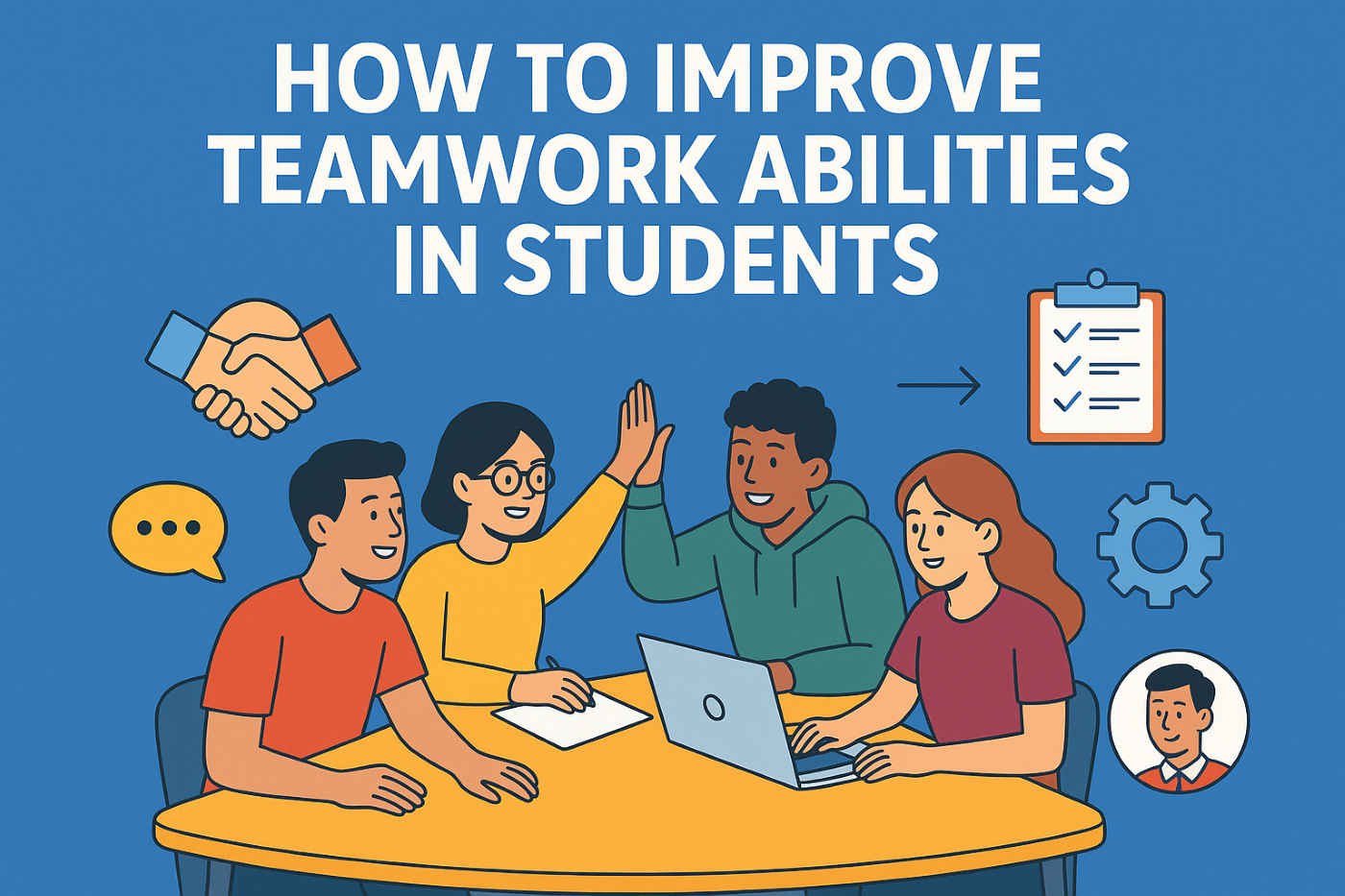
In today’s interconnected world, teamwork has become one of the most vital skills students can develop. Whether in classrooms, extracurricular projects, or future workplaces, the ability to collaborate effectively determines success. Employers now rank teamwork among the top soft skills they seek in candidates. For students, building strong teamwork abilities not only enhances academic performance but also prepares them for real-world challenges.
At cvDragon, we understand that teamwork is more than just working together — it’s about communication, trust, accountability, and shared goals. Let’s explore the key strategies to improve teamwork abilities in students and help them evolve into confident, collaborative professionals.
-
Understanding the Importance of Teamwork
Before improving teamwork, students must first understand why it matters. Teamwork allows individuals to combine their strengths, learn from diverse perspectives, and solve problems more efficiently. It also builds emotional intelligence, patience, and empathy — qualities essential in both professional and personal life.
When students learn to work in teams, they also develop:
- Leadership and adaptability
- Conflict resolution skills
- Better communication and active listening
- Time management and goal alignment
These skills together form the foundation of a successful career and life beyond academics.
-
Encourage Collaborative Learning Environments
Teachers and institutions play a crucial role in cultivating teamwork. Instead of focusing solely on individual assignments, educators can design group-based projects that promote discussion, brainstorming, and shared problem-solving.
For example:
- Group presentations can help students divide responsibilities and manage deadlines collectively.
- Classroom debates and discussions can improve listening and communication skills.
- Peer-learning groups can promote knowledge-sharing and collaborative understanding.
Creating such interactive environments not only enhances teamwork but also makes learning more engaging and practical.
-
Teach Effective Communication Skills
At the heart of teamwork lies effective communication. Without clear expression of ideas, even the most talented teams can struggle. Students must be encouraged to:
- Express their thoughts respectfully.
- Listen actively to others.
- Provide constructive feedback.
- Avoid interrupting or dominating discussions.
Simple activities such as role-playing games, team-building workshops, and communication exercises can significantly improve these skills. When communication becomes open and respectful, teams function more efficiently, and trust among members strengthens.
-
Define Roles and Responsibilities
In any team, clarity of roles is essential. Assigning specific responsibilities helps students understand their contribution to the larger goal. It prevents confusion and ensures accountability.
For instance:
- One member can lead coordination.
- Another can handle data collection or research.
- A third member can manage presentation or design tasks.
When every student knows their part, the group functions like a well-organized unit. This structure also teaches time management and helps students appreciate each member’s effort.
-
Promote Trust and Mutual Respect
Trust is the foundation of teamwork. Without it, collaboration becomes difficult and ineffective. Students should learn to trust others’ abilities, delegate tasks confidently, and respect diverse opinions.
To build trust:
- Encourage transparency in group discussions.
- Appreciate others’ efforts publicly.
- Avoid blaming individuals for team setbacks.
- Celebrate collective success.
Such experiences teach students that every member brings unique strengths, and together, they can achieve far more than they could individually.
-
Practice Conflict Resolution
Disagreements are natural in any group, but how they’re managed defines the team’s strength. Students should be guided to handle conflicts calmly and constructively rather than emotionally.
To resolve conflicts effectively:
- Listen to all viewpoints before concluding.
- Stay focused on the goal instead of personal differences.
- Be open to compromise.
- Seek help from a mentor or teacher if necessary.
Learning this early prepares students for professional environments where teamwork under pressure is common.
-
Use Technology for Collaboration
In the digital age, teamwork extends beyond face-to-face meetings. Students should be familiar with collaboration tools such as Google Workspace, Microsoft Teams, Trello, or Slack. These platforms encourage online teamwork, project tracking, and file sharing.
When students collaborate digitally, they also learn modern workplace etiquette, such as:
- Maintaining professionalism in online communication.
- Respecting others’ time zones or schedules.
- Keeping communication concise and goal-oriented.
These experiences make them adaptable and ready for hybrid or remote work setups in the future.
-
Encourage Reflection and Feedback
After completing a group activity, it’s important to reflect on what worked well and what didn’t. Students should be encouraged to give and receive feedback respectfully.
Reflection can involve:
- Discussing the team’s strengths and weaknesses.
- Identifying areas for improvement.
- Acknowledging individual and group achievements.
This process reinforces a growth mindset and helps students refine their teamwork abilities continuously.
-
Promote Leadership Opportunities
Teamwork also involves taking initiative. Rotating leadership roles among students ensures everyone experiences both leading and following within a group. Leadership exercises — such as managing a short project or organizing a team event — build confidence and responsibility.
Leadership within a team doesn’t mean dominance. It means guiding the team towards a shared vision, making decisions collectively, and motivating others. Encouraging this mindset helps students emerge as balanced leaders who value every contribution.
-
Cultivate Emotional Intelligence (EQ)
Teamwork thrives when students understand and manage their emotions as well as those of others. Emotional intelligence helps in:
- Understanding team dynamics.
- Handling stress during disagreements.
- Showing empathy towards teammates.
- Encouraging positive energy within the group.
Teachers can include mindfulness sessions or group reflections to develop EQ among students. Teams that function with empathy and emotional awareness often achieve better results and harmony.
-
Recognize and Reward Good Teamwork
Positive reinforcement motivates students to collaborate more effectively. Institutions can introduce teamwork awards, group project showcases, or peer appreciation sessions.
When students see that teamwork is valued, they naturally invest more effort in improving it. Recognizing team achievements also builds pride, accountability, and lasting bonds among members.
Conclusion
Teamwork is not just a skill — it’s a mindset that shapes how individuals connect, communicate, and grow together. For students, learning to collaborate effectively is a stepping stone to success in academics, careers, and life.
At cvDragon, we believe teamwork abilities can be developed through consistent practice, self-awareness, and supportive learning environments. By embracing collaboration, students learn to value diversity, overcome challenges, and create impactful outcomes — preparing them to thrive in today’s competitive world.
Leave a Reply