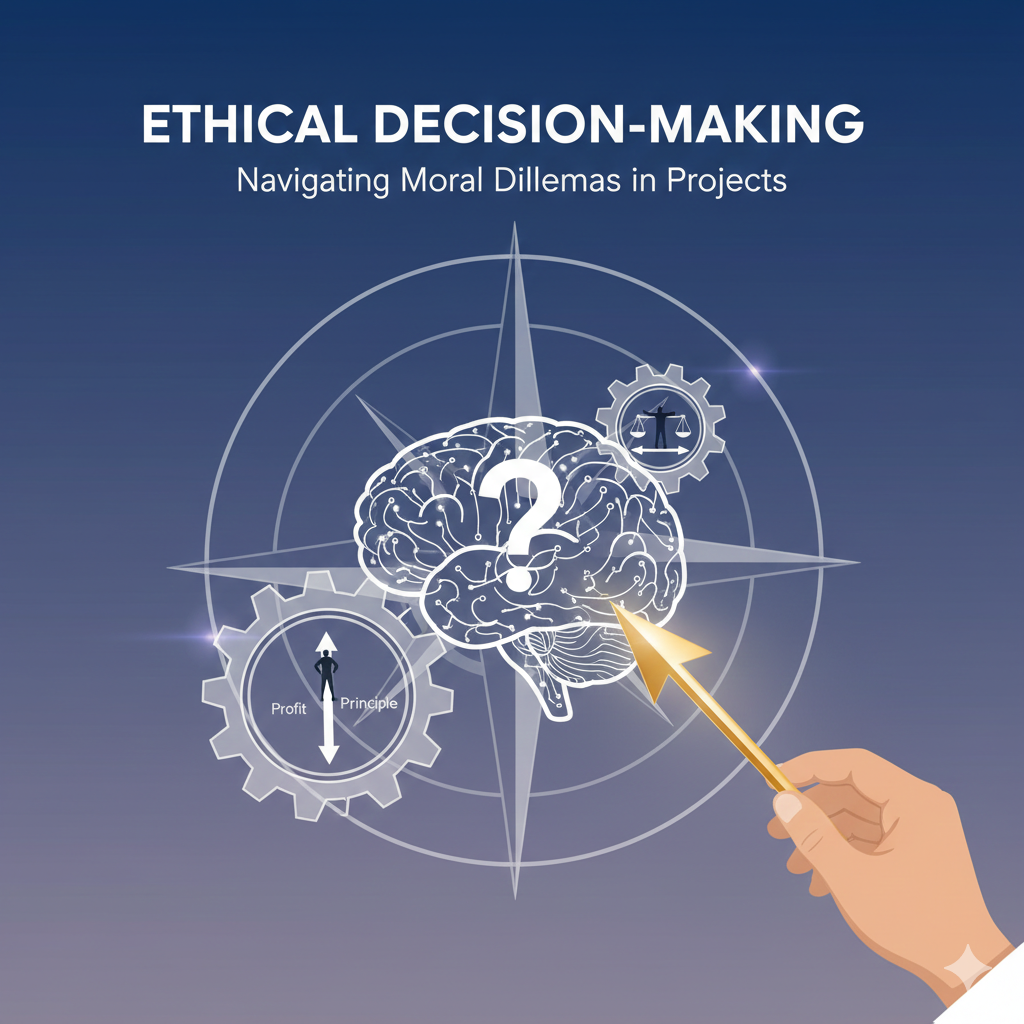
Every project—whether academic, professional, or entrepreneurial—involves decisions. Some are straightforward, such as setting deadlines or assigning tasks. Others are far more complex. These are the moments when choices affect not just outcomes, but also people, trust, and integrity. These moments require ethical decision-making.
At cvDragon, we believe ethical decision-making is not just about avoiding wrongdoing—it’s about building credibility, leadership, and long-term success. In today’s fast-paced, results-driven environment, individuals often face pressure to compromise values for convenience, speed, or recognition. Knowing how to navigate moral dilemmas responsibly is a critical skill for sustainable growth.
This article explores what ethical decision-making means, why it matters in projects, and how students and professionals can approach difficult choices with clarity and confidence.
What Is Ethical Decision-Making?
Ethical decision-making is the process of choosing actions based on principles of fairness, honesty, responsibility, and respect. It involves evaluating not only what is effective, but also what is right.
Ethical decisions consider:
-
The impact on others
-
The fairness of the action
-
The integrity of the process
-
Long-term consequences
Ethics guide behavior when rules alone are not enough.
Understanding Moral Dilemmas in Projects
A moral dilemma occurs when there is a conflict between competing values or interests. There may be no perfect option—only choices with different consequences.
Examples in student and professional projects include:
-
Taking credit for shared work
-
Ignoring mistakes to meet deadlines
-
Using unauthorized resources
-
Withholding important information
-
Favoring certain team members unfairly
These situations test personal and professional integrity.
Why Ethical Decision-Making Matters
Ethical choices influence more than project outcomes. They shape reputation, relationships, and trust.
At cvDragon, we emphasize that ethical behavior builds the foundation for leadership and career growth.
1. Builds Trust
Trust is essential in teamwork. Ethical behavior strengthens confidence among team members.
2. Protects Professional Reputation
Reputation takes years to build but can be damaged quickly by unethical decisions.
3. Supports Fairness and Respect
Ethical decisions ensure equal treatment and respect for all individuals involved.
4. Ensures Long-Term Success
Short-term gains achieved through unethical means often lead to long-term consequences.
Common Ethical Challenges in Projects
Understanding common dilemmas helps individuals prepare for them.
1. Academic Integrity Issues
Examples include plagiarism, copying work, or falsifying data.
2. Misrepresentation
Presenting inaccurate information to make results appear better.
3. Conflict of Interest
Making decisions that benefit oneself unfairly.
4. Responsibility Avoidance
Shifting blame instead of accepting accountability.
Recognizing these situations is the first step toward ethical action.
The Ethical Decision-Making Process
Ethical decisions can be approached systematically.
Step 1: Identify the Ethical Issue
Ask:
-
What is the dilemma?
-
Who is affected?
Clarity helps avoid impulsive choices.
Step 2: Gather Relevant Information
Understand the situation fully before acting.
Consider:
-
Facts
-
Rules
-
Stakeholders
Step 3: Evaluate Possible Actions
Ask:
-
Is it fair?
-
Is it honest?
-
Would I be comfortable if others knew about it?
These questions help assess ethical alignment.
Step 4: Consider Consequences
Think about both short-term and long-term impacts.
Step 5: Make and Reflect on the Decision
Choose the action that aligns with values and principles.
Reflection strengthens future decision-making.
Ethical Decision-Making in Team Projects
Team environments present unique challenges.
Ethical team members:
-
Give proper credit
-
Share information openly
-
Respect team agreements
-
Take responsibility for mistakes
These behaviors build strong collaboration.
The Role of Integrity
Integrity means doing the right thing—even when no one is watching.
Integrity ensures consistency between:
-
Values
-
Words
-
Actions
At cvDragon, integrity is viewed as one of the most important professional qualities.
Ethical Leadership in Projects
Leaders influence team behavior significantly.
Ethical leaders:
-
Set clear expectations
-
Encourage honesty
-
Address problems fairly
-
Model ethical behavior
Leadership is demonstrated through ethical action.
Balancing Pressure and Ethics
Deadlines, competition, and expectations can create pressure to compromise.
To stay ethical under pressure:
-
Focus on long-term consequences
-
Seek advice from mentors
-
Avoid impulsive decisions
Pressure should not override principles.
Ethics in the Digital and Data-Driven World
Technology introduces new ethical challenges:
-
Data privacy concerns
-
Misuse of information
-
Digital plagiarism
Responsible digital behavior is part of ethical professionalism.
How Students Can Develop Ethical Decision-Making Skills
Students can build ethical awareness by:
-
Reflecting on values
-
Learning from real-world case studies
-
Practicing honesty in academic work
-
Accepting responsibility for mistakes
These habits prepare students for professional environments.
The Role of Emotional Intelligence in Ethical Decisions
Ethical decisions require emotional awareness.
Emotional intelligence helps individuals:
-
Understand others’ perspectives
-
Manage personal biases
-
Respond thoughtfully
This improves fairness and judgment.
Consequences of Unethical Decisions
Unethical behavior can result in:
-
Loss of trust
-
Damaged reputation
-
Academic or professional penalties
-
Missed career opportunities
Ethics protect both individuals and organizations.
Ethics and Career Growth
Employers value ethical professionals because they:
-
Build trust
-
Protect organizational reputation
-
Make responsible decisions
Ethical behavior enhances leadership potential.
At cvDragon, we encourage candidates to demonstrate integrity and responsibility in all professional interactions.
Practical Tips for Ethical Decision-Making
-
Pause before making difficult decisions
-
Think about long-term impact
-
Seek guidance when unsure
-
Be honest and transparent
-
Take responsibility for actions
These habits strengthen ethical confidence.
cvDragon’s Perspective on Ethical Decision-Making
At cvDragon, we believe ethical decision-making is a core life and career skill. We support students and professionals in:
-
Developing integrity
-
Navigating complex situations responsibly
-
Building trust-based professional relationships
Ethics define not just what you achieve—but how you achieve it.
Conclusion
Ethical decision-making is not always easy—but it is always essential. Moral dilemmas test character, judgment, and leadership. Choosing integrity over convenience builds trust, respect, and long-term success.
At cvDragon, we believe ethical professionals create stronger teams, better projects, and more meaningful careers. In every project, your decisions reflect your values—and those values define your future.
Success achieved ethically is success that lasts.
Leave a Reply