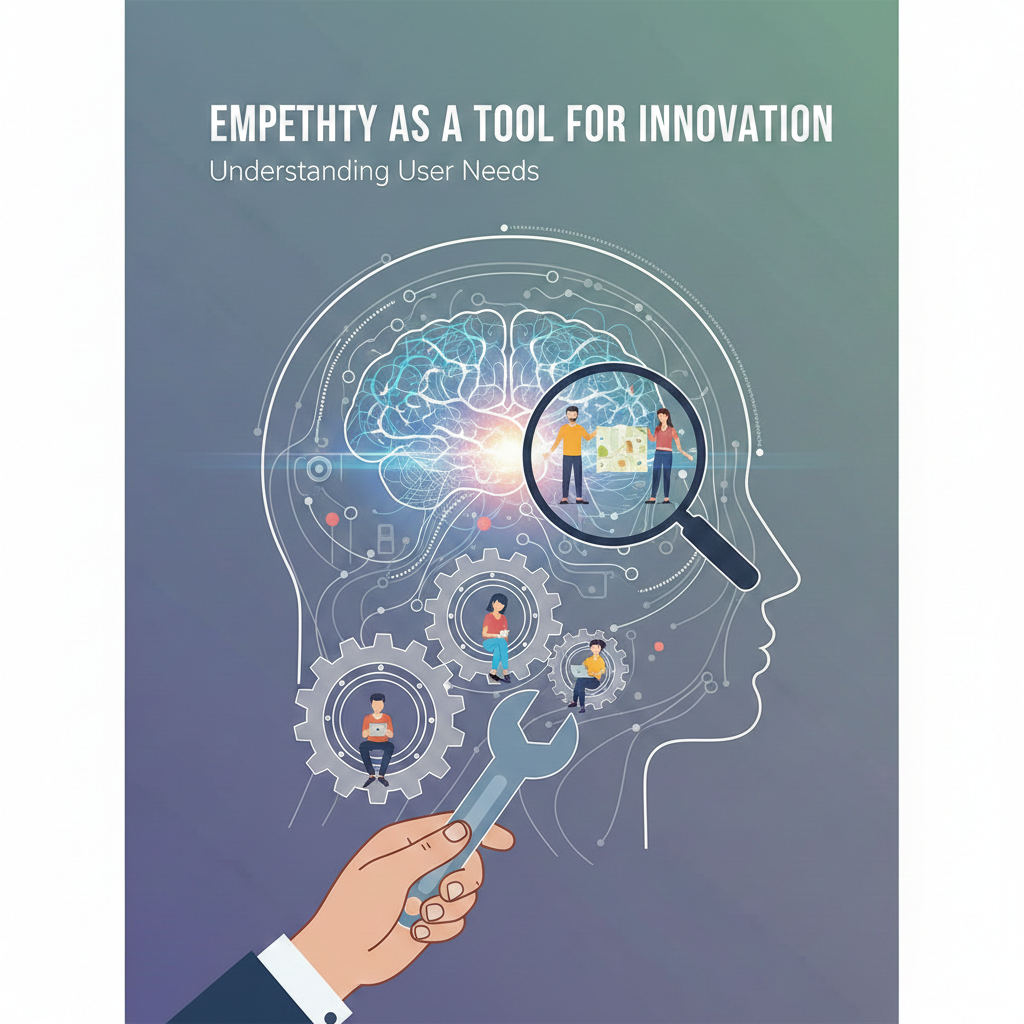
Innovation is often associated with technology, creativity, and breakthrough ideas. But behind every successful innovation lies something more human: empathy. The most impactful products, services, and solutions are not created by focusing on technology alone—they are created by deeply understanding the people who use them.
At cvDragon, we emphasize that empathy is not just a soft skill—it is a powerful tool for innovation. Whether you are designing an app, launching a business, or solving a real-world problem, your ability to understand user needs determines the relevance and success of your solution.
This article explores how empathy drives innovation, why it matters in today’s world, and how students and professionals can develop empathy to create meaningful, user-centered solutions.
What Is Empathy in Innovation?
Empathy is the ability to understand and share the feelings, experiences, and perspectives of others. In innovation, empathy means:
-
Understanding users’ challenges
-
Seeing problems from their perspective
-
Recognizing their needs, frustrations, and goals
-
Designing solutions that genuinely help them
Empathy shifts the focus from “What can we create?” to “What do people truly need?”
Why Empathy Is Essential for Innovation
Many innovations fail not because of poor technology—but because they fail to solve real problems. Empathy ensures that innovation is relevant, useful, and meaningful.
Empathy helps innovators:
-
Identify real problems
-
Avoid assumptions
-
Build user-friendly solutions
-
Create meaningful impact
At cvDragon, we encourage learners to approach problem-solving with empathy first and technology second.
User-Centered Thinking: Innovation That Starts with People
User-centered thinking is an approach where the needs of users guide every stage of innovation.
Instead of asking:
-
“What features can we add?”
Empathetic innovators ask:
-
“What problems are users facing?”
-
“What makes their experience difficult?”
-
“How can we make their lives easier?”
This approach leads to solutions that people actually value.
The Difference Between Sympathy and Empathy
Understanding this distinction is important.
-
Sympathy means feeling sorry for someone.
-
Empathy means understanding their experience.
Empathy leads to insight. Insight leads to innovation.
How Empathy Drives Better Problem-Solving
Empathy improves innovation in several ways:
1. Identifies Hidden Needs
Users may not always express their real problems clearly. Empathy helps innovators observe and understand unmet needs.
2. Improves User Experience
Empathy ensures solutions are simple, intuitive, and user-friendly.
3. Reduces Risk of Failure
Products designed without empathy often fail due to lack of relevance.
4. Builds Trust and Loyalty
Users trust solutions that genuinely understand and address their needs.
Examples of Empathy-Driven Innovation
Many successful innovations emerged from empathetic understanding:
-
Simplified mobile apps for non-technical users
-
Accessibility features for people with disabilities
-
Online learning platforms designed for diverse learning styles
These innovations succeeded because they addressed real human challenges.
Empathy in Design Thinking
Empathy is the first stage of design thinking—a widely used innovation framework.
The process includes:
-
Empathize – Understand users
-
Define – Identify core problems
-
Ideate – Generate solutions
-
Prototype – Build models
-
Test – Gather feedback
Empathy lays the foundation for all other stages.
How Students Can Develop Empathy for Innovation
Empathy is a skill that can be cultivated.
1. Practice Active Listening
Listen without interrupting or judging. Focus on understanding, not responding.
2. Observe User Behavior
Watch how people interact with products or systems. Observations reveal insights words may not.
3. Ask Open-Ended Questions
Encourage deeper responses by asking:
-
“What challenges do you face?”
-
“What frustrates you most?”
4. Seek Diverse Perspectives
Interact with people from different backgrounds and experiences.
5. Reflect on User Experiences
Imagine yourself in the user’s position. Consider their emotions, limitations, and goals.
Empathy in Technology and Product Development
Technology should serve people—not the other way around.
Empathy ensures technology is:
-
Accessible
-
Inclusive
-
Practical
-
Easy to use
Without empathy, even advanced technology can fail.
Empathy in Business and Entrepreneurship
Successful businesses focus on solving customer problems.
Empathetic entrepreneurs:
-
Understand customer pain points
-
Design meaningful solutions
-
Build stronger customer relationships
Empathy leads to sustainable business success.
Empathy and Leadership Innovation
Innovative leaders use empathy to:
-
Understand team challenges
-
Encourage creative thinking
-
Build collaborative environments
Empathy improves decision-making and team performance.
Empathy in the Digital Age
While digital tools improve efficiency, they can reduce human connection.
Empathy helps maintain human-centered innovation by ensuring technology remains aligned with human needs.
Barriers to Empathy in Innovation
Common barriers include:
-
Assumptions about users
-
Lack of user interaction
-
Overemphasis on technical features
-
Ignoring feedback
Recognizing these barriers improves innovation quality.
How Empathy Improves Career Skills
Empathy strengthens:
-
Communication skills
-
Problem-solving ability
-
Leadership potential
-
Team collaboration
Employers value professionals who understand both systems and people.
At cvDragon, we encourage empathy as a core employability skill.
Practical Exercise: Building Empathy
Students can practice empathy by:
-
Interviewing users
-
Observing everyday challenges
-
Designing simple solutions
This exercise builds real-world innovation skills.
cvDragon’s Perspective on Empathy and Innovation
At cvDragon, we believe innovation begins with understanding people. We help students and professionals:
-
Develop user-centered thinking
-
Strengthen emotional intelligence
-
Build meaningful, impactful solutions
Empathy transforms ideas into innovations that truly matter.
Conclusion
Innovation is not just about creating something new—it’s about creating something meaningful. Empathy ensures innovation serves real people and solves real problems.
At cvDragon, we believe empathy is one of the most powerful tools for future innovators. By understanding user needs deeply, students and professionals can design solutions that make a genuine difference.
Technology may enable innovation—but empathy gives it purpose.
Leave a Reply