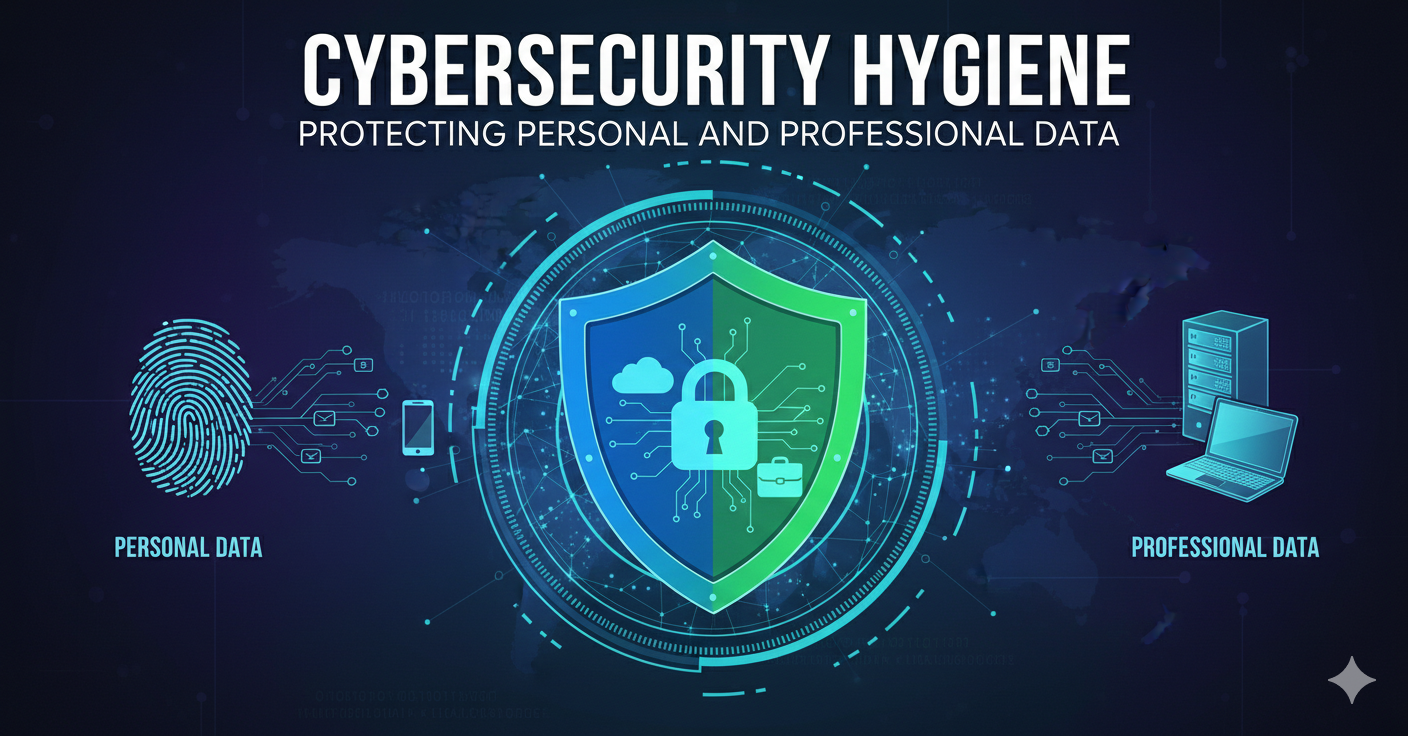
In a world where almost everything happens online—from classes and job applications to banking and work collaboration—data has become one of our most valuable assets. Yet, many students and professionals underestimate how vulnerable their personal and professional information really is.
At cvDragon, we often remind learners that cybersecurity is no longer just an IT concern—it’s a life skill. Poor cybersecurity hygiene can lead to identity theft, financial loss, damaged reputations, and even career setbacks. On the other hand, good digital habits can protect not only your data, but also your credibility and future opportunities.
This article explains what cybersecurity hygiene means, why it matters, and how individuals can build simple, effective habits to safeguard their digital lives.
What Is Cybersecurity Hygiene?
Cybersecurity hygiene refers to the everyday practices and behaviors that help keep your digital devices, accounts, and data secure. Just like personal hygiene protects physical health, cybersecurity hygiene protects your digital well-being.
It includes habits such as:
-
Using strong passwords
-
Keeping software updated
-
Recognizing phishing attempts
-
Protecting sensitive information
-
Practicing safe online behavior
Good cybersecurity hygiene reduces the risk of cyberattacks caused by human error—the most common security weakness.
Why Cybersecurity Hygiene Is So Important Today
Digital threats are increasing rapidly:
-
Phishing emails look more convincing than ever
-
Data breaches affect even trusted platforms
-
Remote work exposes personal devices to professional data
-
Social media oversharing creates security risks
For students and professionals, a single mistake—like clicking a malicious link—can compromise not just personal data, but also organizational systems.
At cvDragon, we emphasize that cybersecurity awareness is now part of career readiness and professional responsibility.
Personal Data vs. Professional Data
Understanding the difference helps you protect both effectively.
Personal Data Includes:
-
Email and social media accounts
-
Banking and payment information
-
Identity documents
-
Personal photos and files
Professional Data Includes:
-
Work emails and credentials
-
Company documents and client information
-
Internal communications
-
Intellectual property
Losing control of either can have serious consequences.
Common Cyber Threats Everyone Should Know
1. Phishing Attacks
Fake emails or messages designed to trick you into revealing sensitive information.
2. Weak or Reused Passwords
Using the same password across platforms increases vulnerability.
3. Malware and Ransomware
Malicious software that steals or locks data.
4. Unsecured Public Wi-Fi
Open networks can expose data to attackers.
5. Social Engineering
Manipulating people into breaking security rules.
Awareness is the first step toward prevention.
Essential Cybersecurity Hygiene Practices
1. Use Strong and Unique Passwords
A strong password:
-
Is at least 12 characters long
-
Includes letters, numbers, and symbols
-
Is unique for each account
Password managers can help store and generate secure passwords safely.
2. Enable Two-Factor Authentication (2FA)
Two-factor authentication adds an extra layer of security by requiring:
-
Something you know (password)
-
Something you have (OTP, app, or device)
This significantly reduces the risk of unauthorized access.
3. Keep Software and Devices Updated
Updates often fix security vulnerabilities. Always:
-
Update operating systems
-
Patch apps and browsers
-
Install security updates promptly
Delaying updates leaves doors open to attackers.
4. Be Alert to Phishing and Scams
Before clicking:
-
Check sender email addresses carefully
-
Avoid urgent or threatening language
-
Never share OTPs or passwords
When in doubt, verify through official channels.
5. Secure Your Devices
-
Use screen locks and biometric security
-
Enable device encryption
-
Install trusted antivirus software
Lost or stolen devices are a major data risk.
Cybersecurity Hygiene for Students
Students often handle sensitive data without realizing it:
-
University portals
-
Online exams
-
Internship and job applications
Students should:
-
Protect academic accounts
-
Avoid downloading pirated software
-
Be cautious with shared devices
Good habits built early last a lifetime.
Cybersecurity Hygiene in the Workplace
Professionals are often the first line of defense against cyber threats.
Workplace best practices include:
-
Using official devices and networks
-
Following company security policies
-
Avoiding unauthorized software
-
Reporting suspicious activity immediately
At cvDragon, we encourage professionals to treat cybersecurity as part of ethical workplace behavior.
Remote Work and Cybersecurity Risks
Remote work blurs the line between personal and professional data.
To stay safe:
-
Use secure home networks
-
Avoid public Wi-Fi for sensitive tasks
-
Separate work and personal accounts
-
Log out from shared or public devices
Remote flexibility requires greater digital responsibility.
Social Media and Data Protection
Oversharing online can create security risks.
Cyber-safe social media habits include:
-
Limiting public personal details
-
Avoiding location sharing
-
Being cautious with unknown connections
What you post today can affect both security and career prospects tomorrow.
The Human Factor in Cybersecurity
Most cyber incidents happen due to:
-
Lack of awareness
-
Carelessness
-
Overconfidence
Technology alone cannot protect data—people play the most critical role. Cybersecurity hygiene is about mindset as much as tools.
Cybersecurity Hygiene as a Career Skill
Employers value individuals who:
-
Handle data responsibly
-
Understand digital risks
-
Follow security protocols
Cyber awareness signals professionalism, trustworthiness, and maturity.
At cvDragon, we encourage candidates to highlight digital responsibility and compliance awareness where relevant.
Building a Cybersecurity-First Mindset
A cybersecurity-first mindset means:
-
Thinking before clicking
-
Verifying before trusting
-
Protecting information by default
This mindset reduces risks across all areas of digital life.
cvDragon’s Approach to Digital Safety and Career Readiness
At cvDragon, we believe modern career readiness includes digital safety. We guide students and professionals to:
-
Develop responsible digital habits
-
Understand data privacy basics
-
Protect personal and professional identities
Strong cybersecurity hygiene protects not just data—but reputations and careers.
Conclusion
Cybersecurity hygiene is no longer optional—it’s essential. In an interconnected digital world, protecting your personal and professional data is part of protecting your future.
At cvDragon, we believe that small, consistent habits—strong passwords, awareness, and responsible online behavior—can prevent major losses. Cybersecurity is not about fear; it’s about preparedness and confidence.
When you protect your data, you protect your identity, your opportunities, and your professional credibility.
Leave a Reply