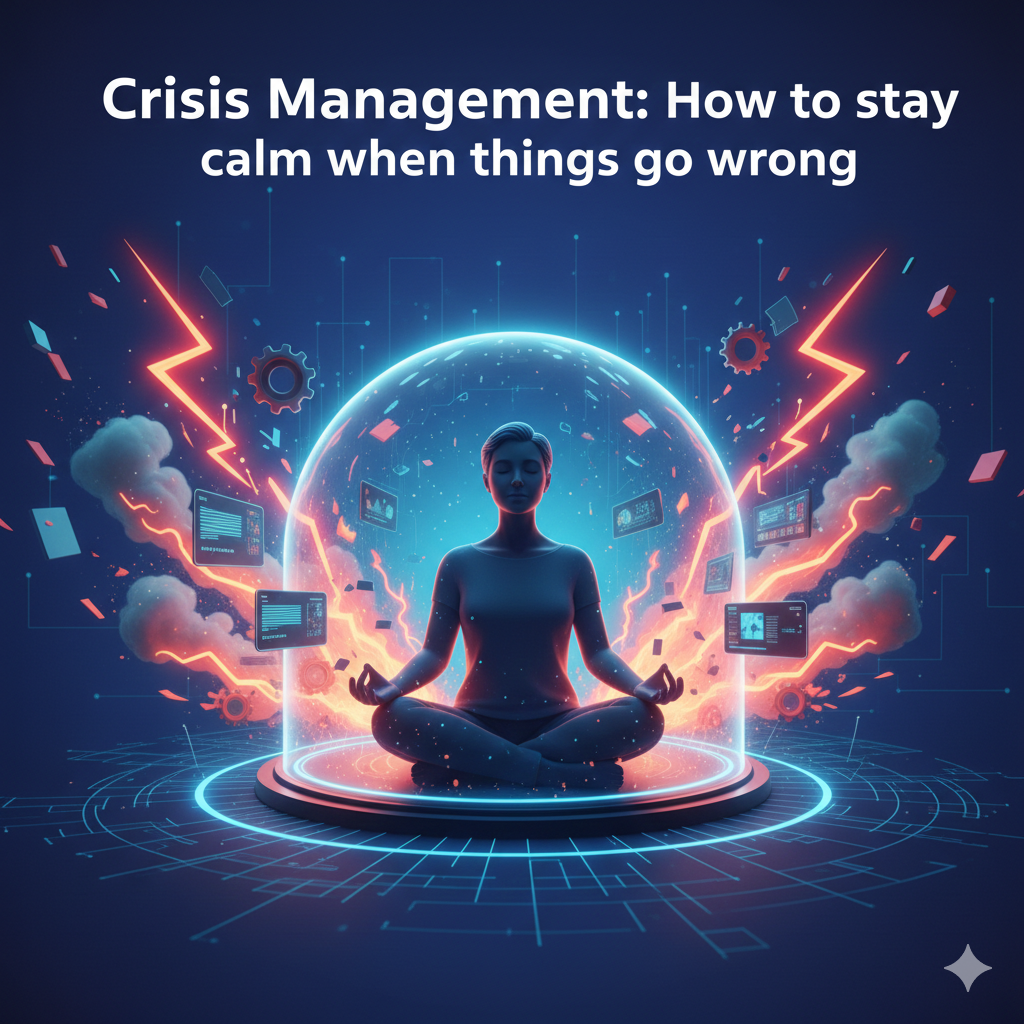
No matter how carefully we plan, crises are an inevitable part of life and work. A project fails at the last moment, a presentation goes wrong, a deadline is missed, a technical system crashes, or a sudden personal or professional challenge appears without warning. What separates successful individuals from the rest is not the absence of problems—but how they respond when things go wrong.
At cvDragon, we work closely with students and professionals preparing for real-world careers. One skill that consistently proves essential across industries is crisis management, especially the ability to stay calm, think clearly, and act decisively under pressure. In fast-changing workplaces, calmness during chaos is no longer just a leadership trait—it is a survival skill.
This article explores what crisis management truly means, why staying calm matters, and how students and professionals can develop this critical capability.
What Is Crisis Management?
Crisis management is the ability to:
-
Respond effectively to unexpected problems
-
Control emotions under pressure
-
Make rational decisions during uncertainty
-
Minimize damage and restore stability
A crisis can be:
-
Academic (exam failure, deadline pressure)
-
Professional (project breakdown, conflict, job uncertainty)
-
Organizational (reputation damage, operational failure)
-
Personal (health, emotional stress, sudden change)
In every case, calm thinking is the foundation of effective action.
Why Staying Calm During a Crisis Is So Important
When a crisis occurs, the brain often shifts into panic mode. Stress hormones increase, clarity reduces, and impulsive decisions become more likely. Staying calm helps counter these effects.
Benefits of Staying Calm in a Crisis
-
Clear thinking and better judgment
-
Controlled communication
-
Reduced mistakes
-
Increased trust from others
-
Faster recovery from setbacks
Employers value professionals who can maintain composure, especially in high-pressure situations.
The Psychology Behind Panic vs. Calm
Understanding what happens in the mind during a crisis helps manage it better.
Panic Response
-
Emotional reactions override logic
-
Fear dominates decision-making
-
Focus narrows
-
Communication breaks down
Calm Response
-
Logical thinking remains active
-
Priorities become clearer
-
Emotions are regulated
-
Solutions become visible
Crisis management is not about ignoring emotions—it is about controlling them.
Common Situations Where Crisis Management Is Needed
1. Academic Pressure
-
Failing an exam
-
Missing deadlines
-
Presentation anxiety
2. Workplace Challenges
-
Project failure
-
Client dissatisfaction
-
Conflict with colleagues
-
Sudden workload increases
3. Leadership and Team Situations
-
Team conflicts
-
Unexpected setbacks
-
Resource shortages
Learning to stay calm in these moments builds long-term resilience.
How to Stay Calm When Things Go Wrong
1. Pause Before Reacting
The first and most important step is to pause. A few seconds of controlled breathing can prevent emotional reactions from taking over.
Simple technique:
-
Inhale slowly for 4 seconds
-
Hold for 4 seconds
-
Exhale for 6 seconds
This signals the brain to relax and regain control.
2. Accept the Situation
Denial increases stress. Acceptance does not mean approval—it means acknowledging reality so action can begin.
Ask yourself:
-
What exactly has gone wrong?
-
What is within my control?
-
What is not?
Acceptance creates mental clarity.
3. Break the Crisis Into Smaller Parts
Large problems feel overwhelming. Breaking them into smaller steps makes them manageable.
Instead of asking:
“How do I fix everything?”
Ask:
“What is the first practical step I can take right now?”
This approach reduces anxiety and builds momentum.
4. Control Your Internal Dialogue
The way you talk to yourself matters.
Replace:
-
“Everything is ruined”
With: -
“This is difficult, but manageable”
Positive self-talk does not ignore reality—it strengthens problem-solving ability.
5. Focus on Solutions, Not Blame
Blame—whether directed at yourself or others—wastes energy.
Effective crisis managers ask:
-
What can be done now?
-
Who can help?
-
What resources are available?
Solution-focused thinking accelerates recovery.
6. Communicate Clearly and Calmly
During crises, communication can either reduce or increase damage.
Key principles:
-
Speak calmly
-
Be honest and clear
-
Avoid emotional language
-
Focus on facts and next steps
Calm communication builds trust, even in difficult moments.
7. Seek Support When Needed
Staying calm does not mean handling everything alone.
Support can come from:
-
Teachers or mentors
-
Team members
-
Managers
-
Friends or peers
Asking for help is a sign of emotional intelligence, not weakness.
Crisis Management Skills Students Should Develop Early
Students who practice crisis management early are better prepared for professional life.
Key Skills to Build
-
Emotional regulation
-
Time management under pressure
-
Critical thinking
-
Problem prioritization
-
Stress management
At cvDragon, we encourage students to reflect these abilities in resumes and interviews as real-life competencies.
Crisis Management in the Workplace
In professional environments, crisis management directly affects:
-
Leadership perception
-
Team morale
-
Organizational outcomes
-
Career growth
Employees who stay calm during challenges are often trusted with higher responsibilities.
Role of Emotional Intelligence in Crisis Management
Emotional intelligence (EQ) plays a crucial role in staying calm.
High EQ helps individuals:
-
Recognize emotional triggers
-
Manage stress effectively
-
Respond thoughtfully
-
Support others during crises
Crisis management is as much about emotional control as it is about strategy.
Learning From Crises: Turning Failure Into Growth
Every crisis contains a lesson.
After the situation stabilizes, reflect on:
-
What caused the crisis?
-
What worked well?
-
What could be improved?
This reflection builds resilience and prepares you for future challenges.
How cvDragon Helps Build Crisis-Ready Professionals
At cvDragon, we believe employability goes beyond technical skills. We help students and professionals:
-
Develop emotional resilience
-
Communicate calmly and professionally
-
Present problem-solving experiences on resumes
-
Prepare for high-pressure work environments
Crisis management is not just a soft skill—it is a career-defining capability.
Conclusion
Crises are unavoidable, but panic is optional. The ability to stay calm when things go wrong is one of the most valuable skills a student or professional can develop. Calmness allows clarity, clarity enables action, and action leads to solutions.
At cvDragon, we believe that true readiness for life and work comes from mastering both skills and mindset. By learning how to manage crises with composure and confidence, individuals don’t just survive challenges—they grow stronger because of them.
Leave a Reply