Category: Uncategorized

  • The Importance of Resilience in Student Life

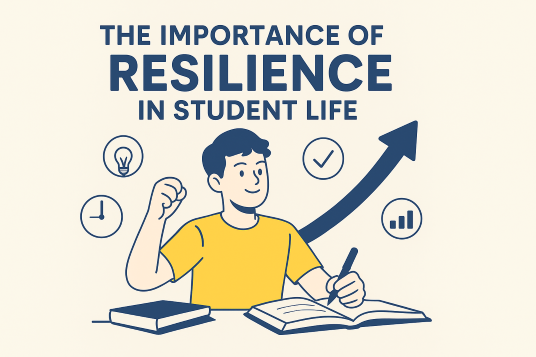
    The Importance of Resilience in Student Life

    Student life is filled with excitement, curiosity, and endless opportunities—but it also comes with academic pressure, deadlines, competition, and unexpected challenges. While intelligence and hard work play a major role in academic success, there is another skill that often determines whether students thrive or struggle: resilience.

    At cvdragon, we work closely with students to help them shape confident futures, and one lesson we emphasize is that resilience is a lifelong strength. It helps students not only survive difficult moments but grow through them. In this blog, we explore why resilience matters, how it influences student life, and how students can build it step by step.

    What Is Resilience?

    Resilience is the ability to bounce back from challenges, stress, failures, or setbacks. It is not about avoiding difficulties, but about adapting, learning, and moving forward despite them. Simply put, resilience is mental strength in action.

    Contrary to popular belief, resilience is not something you’re born with—it can be learned, practiced, and strengthened with time.

    Why Resilience Is Essential in Student Life

    High expectations, exam stress, career planning, personal responsibilities, and social dynamics can all be overwhelming. This is where resilience becomes a crucial tool.

    1. Helps Students Handle Academic Pressure

    Assignments, exams, heavy workloads, and competitive environments can create stress. Resilient students stay calm, prioritize effectively, and stay focused even under pressure.

    2. Builds Confidence and Self-Belief

    Every time students overcome a challenge, they prove to themselves that they are capable. This builds true confidence—not from perfection, but from persistence.

    3. Encourages a Growth Mindset

    Resilience helps students view mistakes as learning opportunities rather than failures. This mindset fuels continuous improvement.

    4. Supports Mental and Emotional Well-Being

    Students with resilience are better at managing anxiety, staying optimistic, and handling emotional setbacks. It creates inner stability.

    5. Enhances Problem-Solving Skills

    Resilient students learn to analyze situations, find solutions, and adapt quickly—an essential skill for both academics and real life.

    6. Prepares Students for Future Challenges

    Life beyond school or college is unpredictable. Resilience equips students with the strength to navigate career challenges, personal struggles, and unexpected changes.

    How Students Can Build Resilience

    The good news is that resilience can be developed with daily habits and the right mindset. Here are practical ways students can strengthen their resilience:

    1. Accept Challenges Instead of Avoiding Them

    Challenges help students grow. Instead of fearing difficult subjects, workloads, or new experiences, they should approach them with curiosity and determination.

    Growth often happens outside the comfort zone.

    2. Develop a Positive Mindset

    A positive mindset does not mean ignoring problems—it means looking for solutions, staying hopeful, and believing improvement is possible.

    Ways to stay positive:

    • Practice gratitude

    • Focus on strengths

    • Replace negative self-talk with encouraging words

    • Celebrate small wins

    3. Build Strong Time Management Skills

    Stress often increases when students feel overwhelmed or unorganized. Time management helps reduce last-minute pressure and prevents burnout.

    Students can use:

    • To-do lists

    • Study planners

    • Pomodoro technique

    • Weekly schedules

    Time management creates a sense of control and reduces anxiety.

    4. Stay Connected with Supportive People

    Friends, family, teachers, and mentors can provide emotional support, guidance, and encouragement. Strong relationships act as a safety net during tough times.

    Talking to someone during stressful moments makes challenges easier to handle.

    5. Learn to Adapt to Change

    Many students struggle when their routine or expectations shift. Resilience means staying flexible and adjusting to new situations with an open mind.

    Whether it’s a sudden exam change, a new environment, or unexpected personal situations—adaptability brings inner balance.

    6. Develop Healthy Habits

    Good physical health supports emotional resilience. Students should:

    • Get enough sleep

    • Eat nutritious meals

    • Exercise regularly

    • Avoid excessive screen time

    • Practice mindfulness or meditation

    A healthy body enhances mental strength.

    7. View Failure as a Learning Opportunity

    Every student faces setbacks—low grades, rejections, mistakes, or incomplete tasks. Instead of giving up, resilient students analyze what went wrong and try again with a better strategy.

    Failure is not the opposite of success; it is part of the journey.

    8. Practice Self-Reflection

    Reflection helps students understand their emotions, behaviors, and strengths. Journaling or quiet self-reflection builds self-awareness, which is crucial for resilience.

    It helps students recognize patterns, manage emotions, and improve decision-making.

    9. Stay Goal-Oriented

    Having short-term and long-term goals gives students direction and motivation. When challenges arise, goals remind them why they started in the first place.

    Setting achievable milestones creates a sense of progress.

    10. Take Breaks and Avoid Burnout

    Students need rest just as much as they need hard work. Breaks improve focus, creativity, and emotional well-being.

    Even small breaks—like a walk, stretching, music, or a short nap—help reset the mind.

    The Role of Resilience in Academic and Career Growth

    Resilience helps students not just during school or college, but throughout their personal and professional lives. It shapes individuals who:

    • Stay calm under pressure

    • Think clearly in tough situations

    • Learn new skills quickly

    • Communicate confidently

    • Take responsibility for their growth

    Employers highly value resilient individuals because they are reliable, adaptable, and proactive. At cvdragon, we often encourage students to showcase resilience through real-life examples in their resumes, internships, and interviews.

    Conclusion: Resilience Is the Foundation of Student Success

    Resilience is more than a skill—it’s a powerful mindset that helps students overcome obstacles and continue moving forward. Whether it’s academic stress, personal struggles, or future challenges, resilience gives students the strength to keep going.

    At cvdragon, we believe that building resilience early in life helps students achieve their goals and develop into confident, capable individuals.
  • Self-Learning: How Students Can Train Themselves for Success

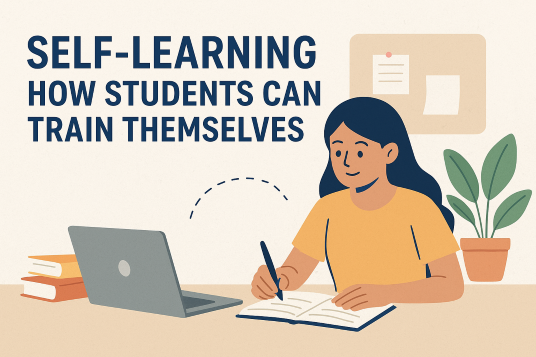
    Self-Learning: How Students Can Train Themselves for Success

    In today’s fast-changing world, learning is no longer limited to classrooms, textbooks, or scheduled lectures. Modern students are expected to be independent, adaptable, and capable of acquiring new skills on their own. This is where self-learning becomes a game-changer. It empowers students to explore beyond the syllabus, understand concepts deeply, and shape their own academic and professional growth.

    At cvdragon, we help students build their resumes and portfolios, but we also believe in helping them develop lifelong learning habits. This article explores what self-learning truly means, why it matters, and how students can train themselves effectively to stay ahead in the competitive world.

    What Is Self-Learning?

    Self-learning is the process of acquiring knowledge and skills without direct supervision from teachers or formal institutions. It involves curiosity, discipline, and the ability to find and use learning resources independently.

    Unlike traditional studying, where students rely heavily on instruction, self-learning encourages students to take charge of their learning journey—setting their own pace, choosing topics that interest them, and discovering new ways to solve problems.

    Why Self-Learning Is Important for Students Today

    The benefits of self-learning go far beyond scoring well in exams. As industries evolve and new technologies emerge, employers are now looking for individuals who can learn quickly, adapt easily, and stay updated.

    Here’s why self-learning is essential:

    1. It builds problem-solving skills

    When students learn independently, they learn to break down complex ideas, analyze information, and find solutions creatively.

    2. It enhances confidence

    The sense of achievement from learning something on your own boosts confidence and motivation.

    3. It prepares students for real-world challenges

    Life rarely gives step-by-step instructions. Self-learning strengthens resilience, adaptability, and decision-making.

    4. It encourages lifelong learning

    In a world where skills become outdated within years, the ability to keep learning is a superpower.

    5. It improves academic performance

    Students who self-learn understand concepts more deeply, which helps them perform better in school and competitive exams.

    How Students Can Train Themselves Through Self-Learning

    Self-learning may sound simple, but it requires structure and consistency. Here are practical, achievable steps that every student can follow to start training themselves:

    1. Set Clear Learning Goals

    Students should begin by defining what they want to learn and why. Clear goals make learning focused and measurable.

    For example:

    • “I want to learn Python to prepare for future tech opportunities.”

    • “I want to improve my communication skills for college interviews.”

    Break down each goal into smaller milestones. This makes learning less overwhelming and more rewarding.

    2. Build a Consistent Study Routine

    Consistency is the heart of self-learning. Students should create a simple and achievable learning schedule—whether it’s 30 minutes a day or an hour every weekend.

    A routine helps:

    • Build habits

    • Reduce procrastination

    • Improve focus

    • Strengthen long-term memory

    A well-structured routine makes learning automatic rather than an effort.

    3. Use Online Learning Platforms

    The internet has made learning accessible to everyone. Students can use digital tools and platforms to gain high-quality knowledge almost instantly.

    Popular platforms include:

    • YouTube educational channels

    • Coursera, edX, Udemy

    • Khan Academy

    • MIT OpenCourseWare

    • Skillshare

    • LinkedIn Learning

    These platforms offer courses on everything—coding, business, design, communication, finance, and more.

    4. Practice Active Learning

    Active learning means doing instead of just reading or listening. It helps students retain information longer and understand concepts better.

    Students can adopt these techniques:

    • Taking notes in their own words

    • Teaching the topic to someone else

    • Solving quizzes or practice tests

    • Working on real-life projects

    • Discussing topics with peers

    Active learning turns information into practical knowledge.

    5. Develop Critical Thinking Skills

    Critical thinking helps students analyze facts, challenge assumptions, and make informed decisions. It is one of the most valuable skills for both academic and professional life.

    To improve critical thinking, students can:

    • Ask “why” and “how” questions

    • Compare different viewpoints

    • Evaluate online information for accuracy

    • Solve puzzles and case studies

    • Reflect on what they have learned

    This approach creates deeper understanding and sharper thinking.

    6. Create a Learning Environment

    A peaceful, well-organized study space improves concentration. Students should avoid distractions, especially mobile notifications and social media, during study time.

    Tips for a better learning environment:

    • Keep your desk clean

    • Use good lighting

    • Set study blocks using the Pomodoro Technique

    • Keep learning tools handy—books, laptop, stationery

    An encouraging environment improves productivity.

    7. Track Progress Regularly

    Students should review their progress to stay motivated. Keeping a record of what they’ve learned helps them see improvement and identify areas that need extra attention.

    Ways to track progress:

    • Journaling

    • Goal checklists

    • Digital tracking apps

    • Weekly learning reflections

    When students can see their growth, they naturally stay committed.

    8. Learn From Mistakes and Be Patient

    Self-learning requires patience. Students must understand that making mistakes is a natural part of the journey. Every failure provides valuable insights.

    Encourage students to view challenges as opportunities rather than obstacles. Over time, persistence leads to mastery.

    9. Stay Curious and Explore Beyond the Syllabus

    The most successful learners are curious explorers. Students should go beyond textbooks to read articles, listen to podcasts, watch documentaries, and interact with knowledgeable individuals.

    Curiosity opens doors to creativity, innovation, and new possibilities.

    10. Build a Support Network

    Even self-learners need guidance sometimes. Students should connect with teachers, mentors, peers, and online communities for help and collaboration. A strong support system accelerates learning and provides motivation.

    Self-Learning and Career Development

    Self-learning not only improves academic performance but also helps students build strong resumes and career profiles. Skills learned independently—such as coding, writing, design, finance, communication, or foreign languages—make students stand out.

    At cvdragon, we encourage students to highlight self-learned skills prominently on their resumes. Employers value initiative and the ability to learn independently.

    Conclusion: Self-Learning Is the Future

    Self-learning is more than a method—it’s a mindset. Students who train themselves to learn independently gain confidence, adaptability, and lifelong skills that prepare them for the future. Whether it’s mastering new technology, improving soft skills, or exploring personal interests, self-learning empowers students to become the best version of themselves.

    And as students grow, tools like cvdragon help them showcase their achievements through professional resumes, portfolios, and career documents.

  • How Students Can Improve Study Habits

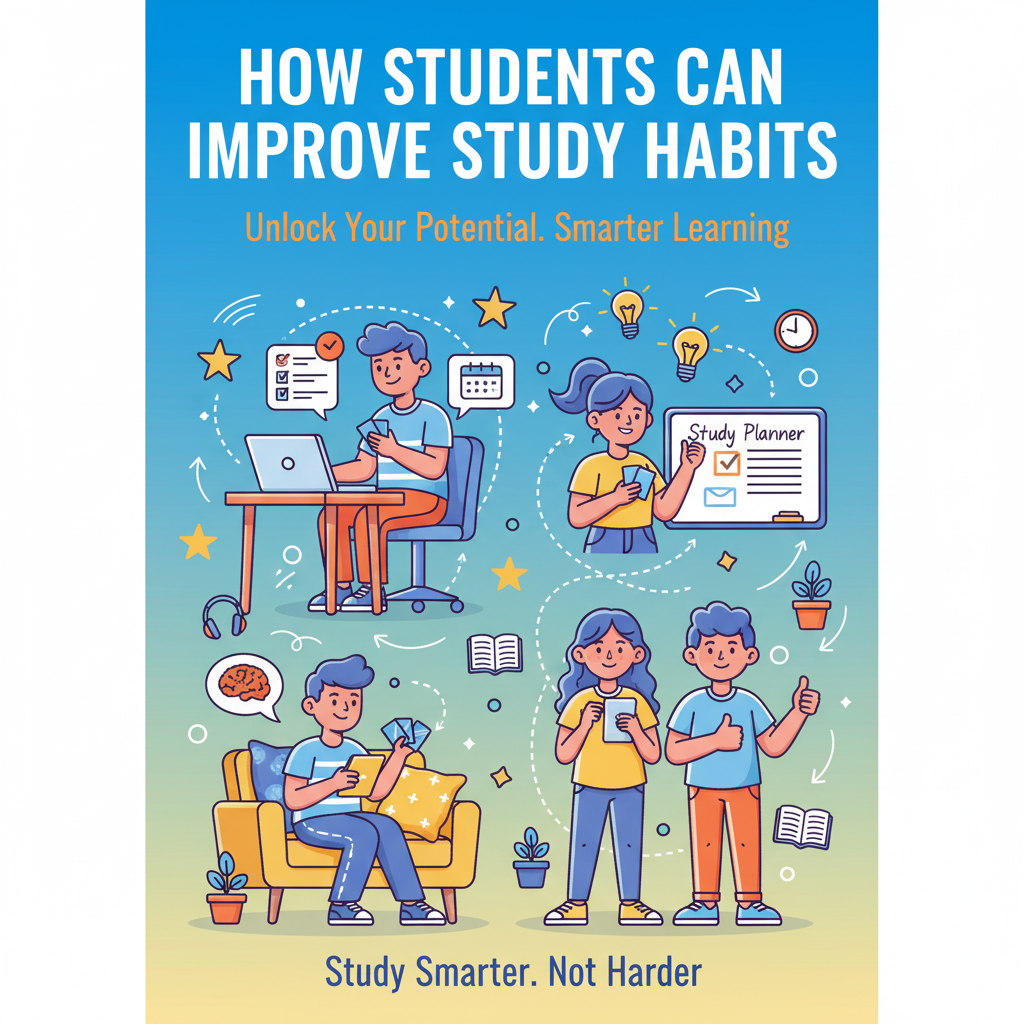
    How Students Can Improve Study Habits

    Good study habits are the foundation of academic success. Yet, many students struggle not because they lack talent, but because they haven’t learned the right strategies to study effectively. In a world full of distractions and academic pressure, developing strong study habits can make learning easier, enjoyable, and more rewarding. At cvDragon, we believe that the right study methods can transform how students learn and help them achieve their goals with confidence.

    Here’s a guide on how students can build better study habits and unlock their full potential.

    1. Establish a Consistent Study Routine

    Consistency is key. When students set a fixed study routine, the brain adapts and becomes more focused during those hours. A schedule helps reduce procrastination and builds discipline.

    Tips to get started:

    • Choose specific hours for studying every day

    • Prioritize difficult subjects during peak concentration times

    • Break long study sessions into focused blocks

    • Stick to the routine—even on weekends

    With time, these consistent habits create a structured and stress-free learning environment.

    2. Create a Dedicated Study Space

    Where students study affects how well they study. A clutter-free, quiet, and comfortable environment boosts productivity and concentration.

    Effective study spaces should include:

    • Adequate lighting

    • A clean table

    • Minimal noise

    • Comfortable seating

    • Limited distractions

    • All study materials within reach

    The goal is to train the mind to associate this space with learning. Over time, simply sitting in that environment prepares the brain for study mode.

    3. Use Active Learning Techniques

    Passive reading often leads to forgetting information quickly. Instead, students should adopt active learning techniques that increase understanding and memory retention.

    Some effective active learning methods include:

    • Making summaries in their own words

    • Creating flashcards

    • Teaching the topic to someone else

    • Using mind maps for complex concepts

    • Asking questions and analyzing ideas

    • Practicing previous exam papers

    Active learning keeps the mind engaged and strengthens long-term memory.

    4. Set Clear and Achievable Goals

    Goal-setting helps students stay focused and motivated. When students know what they want to accomplish, studying becomes more purposeful.

    Tips for setting smart goals:

    • Break large tasks into smaller, doable steps

    • Prioritize subjects with approaching deadlines

    • Track progress daily or weekly

    • Reward yourself when goals are met

    Whether it’s completing a chapter, improving grades, or revising notes, clear goals give students direction and confidence.

    5. Use Technology Wisely

    Technology can be a powerful tool when used correctly. Students can enhance their study habits using digital tools such as:

    • Note-taking apps (Notion, OneNote, Evernote)

    • Calendar tools for scheduling

    • Study apps (Quizlet, Google Classroom, Forest)

    • Learning platforms (Khan Academy, Coursera)

    Digital tools help keep notes organized, make revision easier, and support effective time management. At cvDragon, we encourage students to use technology to simplify learning—not distract from it.

    6. Take Regular Breaks to Avoid Burnout

    Studying for long hours without breaks leads to mental fatigue. The brain needs rest to process information properly. Using techniques like the Pomodoro method—25 minutes of focused study followed by a 5-minute break—can boost productivity.

    Breaks should be used to:

    • Stretch

    • Drink water

    • Take a short walk

    • Relax the eyes

    • Breathe deeply

    These small pauses refresh the mind and improve focus when students return to studying.

    7. Practice Time Management

    Time management is one of the most valuable skills a student can develop. Without proper planning, tasks pile up and cause stress.

    Students can manage time better by:

    • Making weekly or daily to-do lists

    • Avoiding multitasking

    • Setting deadlines for assignments

    • Prioritizing important or challenging subjects

    • Using planners or scheduling apps

    When students learn to manage their time well, they achieve more in less time and reduce last-minute pressure.

    8. Stay Organized With Notes and Materials

    Organized notes make revision faster and reduce confusion. Students should adopt efficient note-taking methods such as the Cornell system, bullet points, diagrams, and color-coding.

    Tips for staying organized:

    • Keep separate files/notebooks for each subject

    • Review and update notes weekly

    • Highlight key points for quick revision

    • Avoid rewriting entire textbooks

    When study materials are organized, students save time and understand concepts more clearly.

    9. Develop Healthy Lifestyle Habits

    Academic success depends not only on mental focus but also on physical health. Good lifestyle choices help students stay energized, alert, and motivated.

    Important habits include:

    • Getting 7–8 hours of sleep

    • Eating nutritious meals

    • Drinking enough water

    • Exercising regularly

    • Limiting junk food and caffeine

    • Managing stress with mindfulness or meditation

    A healthy body supports a healthy mind—and better study habits.

    10. Minimize Distractions

    Distractions are one of the biggest obstacles to effective studying. Students can improve focus by:

    • Switching off unnecessary notifications

    • Keeping mobile phones away during study time

    • Blocking distracting websites

    • Informing family members about study hours

    • Using apps that limit social media use

    Reducing distractions leads to deeper concentration and better learning outcomes.

    11. Seek Help When Needed

    Asking for help is a sign of strength, not weakness. Students should reach out to teachers, classmates, or mentors when they face difficulties.

    They can also join:

    • Study groups

    • Online forums

    • Peer-learning platforms

    • Workshops and tutoring sessions

    Learning together enhances understanding and provides new perspectives.

    12. Review Regularly

    Regular revision helps store information in long-term memory. Instead of cramming before exams, students should revise small portions frequently.

    Effective revision methods include:

    • Weekly chapter reviews

    • Revisiting important notes

    • Solving sample questions

    • Using spaced repetition techniques

    Consistent review ensures that students remember what they learn and perform better in exams.

    Conclusion: Small Changes Lead to Big Results

    Improving study habits doesn’t require massive changes—just small, consistent steps. From organizing notes and managing time to creating a routine and staying healthy, each habit contributes to better learning and academic success.

    At cvDragon, we believe that when students develop strong study habits, they not only achieve better grades but also become confident, disciplined, and future-ready individuals.

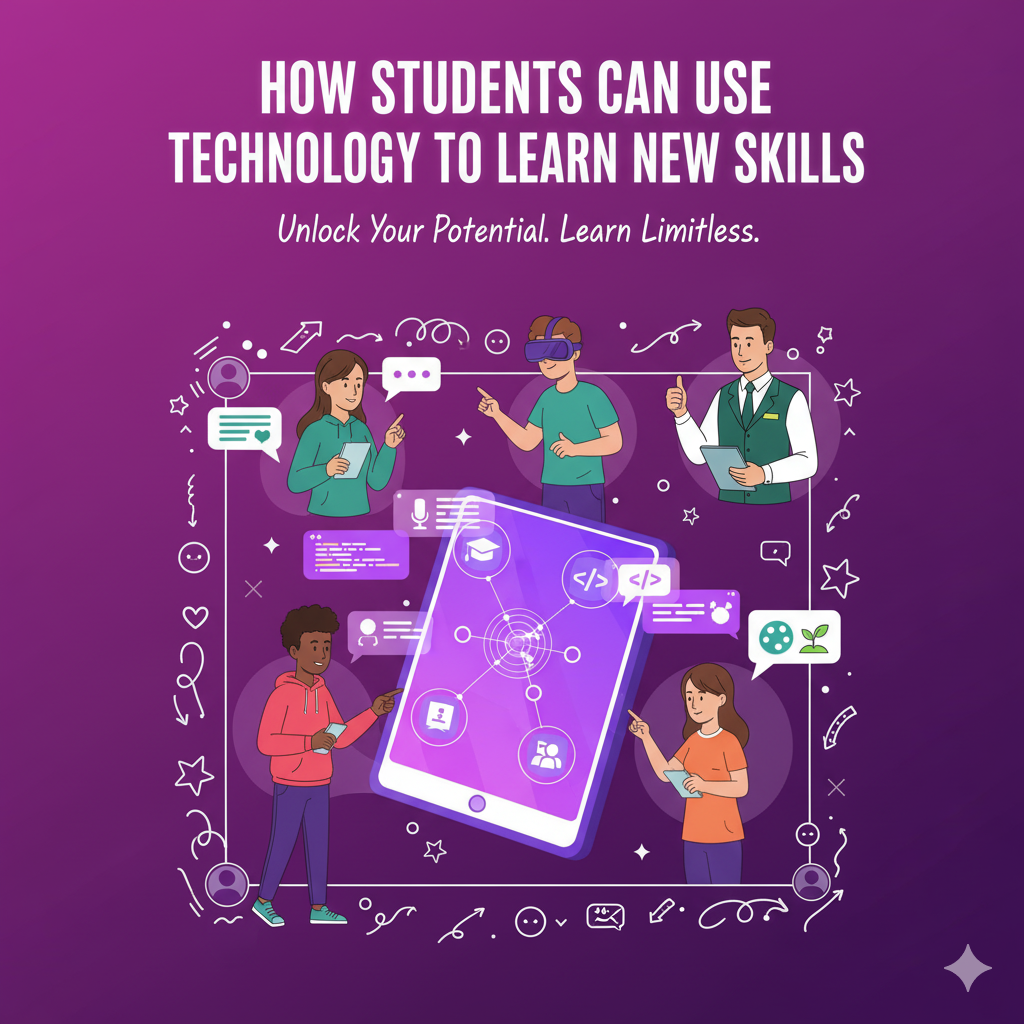
  • How Students Can Use Technology to Learn New Skills

    How Students Can Use Technology to Learn New Skills

    In today’s digital-first world, technology has become a powerful companion in education. Gone are the days when learning was limited to textbooks and traditional classrooms. Students now have access to a limitless world of knowledge—right at their fingertips. At cvDragon, we believe that technology, when used wisely, can empower students to learn new skills faster, more efficiently, and with far more creativity.

    Here’s how students can leverage technology to enhance their learning journey and develop skills that will shape their future.

    1. Access to Online Learning Platforms

    One of the biggest advantages of technology is the availability of online learning platforms. Websites and apps like Coursera, Udemy, Khan Academy, and LinkedIn Learning offer courses in:

    • Coding

    • Graphic design

    • Business management

    • Communication skills

    • Data science

    • Foreign languages

    These platforms allow students to learn at their own pace, choose topics they’re passionate about, and earn certifications that strengthen their career profile. At cvDragon, we encourage students to explore these platforms to broaden their knowledge and stay competitive.

    2. Interactive Learning Through Educational Apps

    Educational apps transform learning into an enjoyable experience. Instead of reading long paragraphs, students can watch videos, take quizzes, and engage with interactive modules.

    Popular examples include:

    • Duolingo for learning languages

    • Photomath for solving math problems

    • Skillshare for creative skills

    • Notion and Evernote for productivity

    • Brilliant for STEM learning

    These apps use gamification—rewards, levels, streaks—to keep students motivated and engaged.

    3. Using YouTube as a Learning Resource

    YouTube is one of the world’s largest learning platforms. From tutorials to lectures and real-world demonstrations, students can learn almost anything:

    • How to code a website

    • Basics of financial literacy

    • Tips for public speaking

    • Scientific experiments

    • DIY projects

    • Art and music techniques

    With thousands of expert educators and creators, YouTube makes complex topics easy to understand. Students simply need curiosity—and a reliable internet connection—to begin learning.

    4. Virtual Classrooms and Online Collaboration

    Technology has redefined the traditional classroom experience. With platforms like Google Classroom, Microsoft Teams, and Zoom, students can join virtual classes, collaborate with peers, and access digital assignments anytime.

    These tools help students:

    • Participate in group projects

    • Share notes and resources

    • Communicate with teachers more easily

    • Attend workshops or webinars globally

    Virtual classrooms promote teamwork, digital literacy, and better time management—skills that are incredibly valuable for future careers.

    5. Learning Through Simulations and Virtual Reality

    Advanced technologies like Virtual Reality (VR) and simulations make learning immersive and realistic. Students can:

    • Explore historical sites

    • Perform virtual science experiments

    • Understand complex machines

    • Practice language conversations

    • Experience real-life scenarios safely

    For example, medical students use VR to practice surgeries, while engineering students test prototypes virtually. This hands-on approach deepens understanding and boosts confidence.

    6. Enhancing Research Skills Through Digital Libraries

    Digital libraries and online journals give students instant access to a wealth of information. Platforms like Google Scholar, JSTOR, and research databases provide high-quality reference materials that support academic projects.

    Students can:

    • Research topics thoroughly

    • Read scholarly articles

    • Access e-books and research papers

    • Learn how to evaluate sources

    • Improve critical thinking skills

    This prepares them for higher studies and strengthens their analytical abilities.

    7. Building Creativity Through Digital Tools

    Technology is an incredible enabler of creativity. Students can use various tools to explore creative fields, such as:

    • Canva for graphic design

    • Blender for 3D modeling

    • GarageBand for music production

    • Adobe apps for photography and video editing

    • Tinkercad for digital prototyping

    These platforms give students the freedom to experiment, design, and express themselves visually or musically—skills that are increasingly valued across industries.

    8. Mastering Coding and Technical Skills

    Coding has become one of the most essential skills of the 21st century. With platforms like Code.org, Codecademy, and HackerRank, students can learn programming languages such as:

    • Python

    • Java

    • JavaScript

    • HTML & CSS

    • C++

    These skills open up career opportunities in software development, data science, AI, and more. cvDragon encourages students to start learning coding early, even if it’s just basics—it builds logical thinking and problem-solving abilities.

    9. Using AI Tools to Enhance Learning

    AI-powered learning tools are becoming increasingly popular. They help students study smarter, not harder. Examples include:

    • AI note-taking assistants

    • Homework help apps

    • Personalized learning platforms

    • Grammar and writing checkers

    • AI-driven study planners

    These tools adapt to a student’s pace and provide instant feedback. They help reduce study stress and make learning more efficient—something every student can benefit from.

    10. Improving Communication Through Digital Platforms

    Good communication skills are essential for academic and career success. Technology helps students practice these skills through:

    • Online discussion forums

    • Presentation software

    • Public speaking videos

    • Social learning communities

    • Virtual debate clubs

    These platforms help students build confidence, learn to express ideas clearly, and collaborate effectively.

    11. Staying Organized With Digital Productivity Tools

    Technology helps students stay organized through apps like:

    • Google Calendar

    • Trello

    • Notion

    • Todoist

    • Microsoft OneNote

    These tools allow students to manage assignments, plan revision schedules, track habits, and set academic goals. Effective organization leads to better learning outcomes and reduced stress.

    12. Participating in Online Communities and Workshops

    Online communities—such as LinkedIn groups, Discord study servers, and learning forums—offer students a chance to connect with peers from around the world. They can:

    • Ask questions

    • Share resources

    • Get feedback

    • Attend virtual seminars

    • Learn from global experts

    These interactions build networking skills and expose students to diverse perspectives.

    Conclusion: Technology Is a Powerful Learning Ally

    Technology has opened a world of opportunities for students who want to learn new skills. Whether it’s mastering coding, improving communication, exploring creative arts, or accessing global learning platforms, the digital world offers endless possibilities.

    At cvDragon, we believe that students who embrace technology become more confident, independent learners. With the right tools and mindset, every student can unlock their full potential and prepare for a successful future.

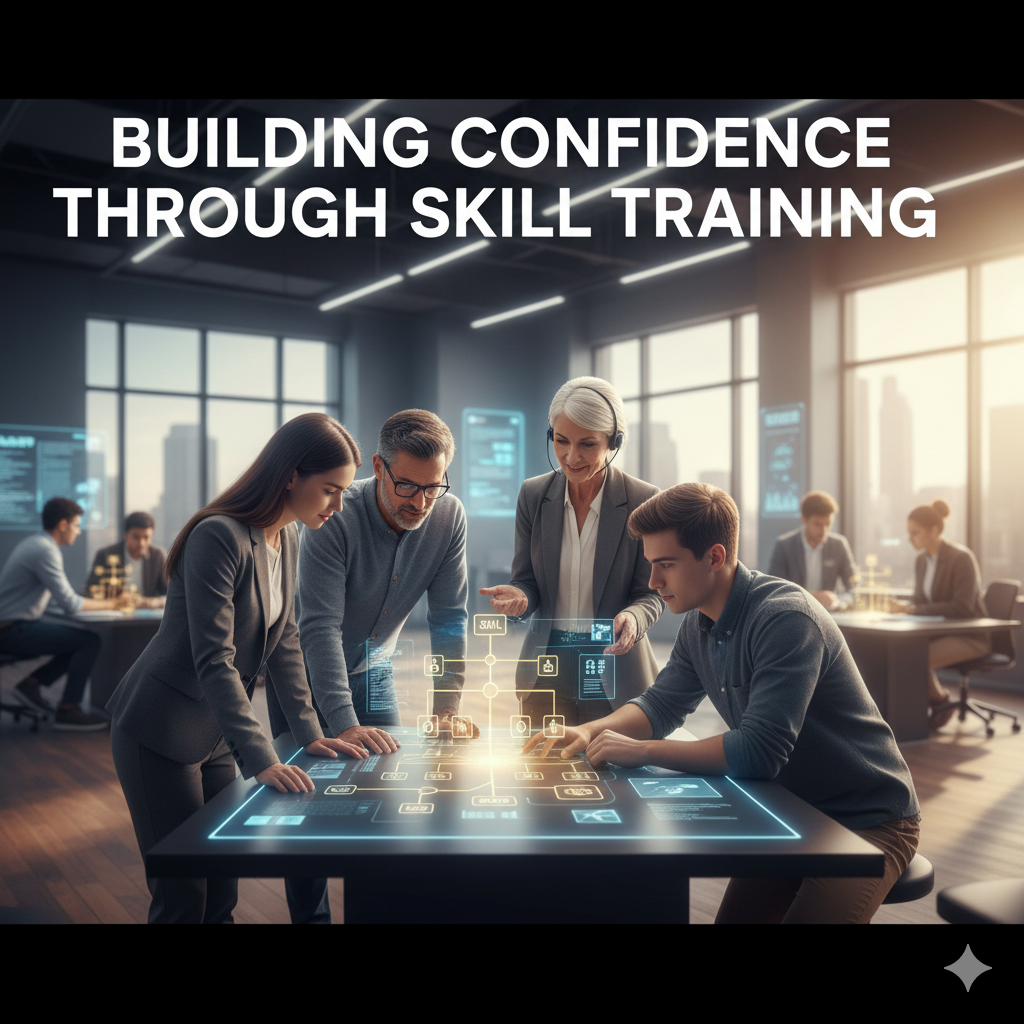
  • Building Confidence Through Skill Training

    Building Confidence Through Skill Training

    Confidence is one of the most valuable traits a person can have—yet in today’s competitive world, many students and young professionals feel uncertain about their abilities. Whether it’s preparing for interviews, stepping into a new job role, or navigating career growth, confidence plays a major role in success. But real, lasting confidence doesn’t appear overnight—it is built through knowledge, experience, and continuous skill development.

    At cvDragon, we believe that skill training is the foundation for building confidence. When individuals learn new skills, refine their strengths, and understand their areas of improvement, they unlock the power to take bold steps toward their goals. Skill training not only enhances their professional capabilities but also transforms how they see themselves.

    Why Skill Training Matters More Than Ever

    The job market is evolving rapidly. Employers today are looking for candidates who are not just knowledgeable but also adaptable, creative, and ready to take on challenges. Many students struggle because they lack exposure to real-world skills that employers expect.

    Skill training bridges this gap by providing practical knowledge, industry insights, and hands-on experience. It empowers learners to feel more prepared, more capable, and more confident.

    Key reasons why skill training is essential today:

    1. Boosts Self-Esteem

    Learning a new skill gives individuals a sense of accomplishment. It shows them that they are capable of growth, helping them gain trust in their abilities.

    2. Enhances Job Readiness

    Skill training prepares students for real-world work environments, interviews, and responsibilities—reducing anxiety and boosting confidence when opportunities arise.

    3. Encourages Lifelong Learning

    Confidence grows when individuals know they can adapt to change. Training builds a mindset of continuous learning and improvement.

    4. Improves Communication and Presentation Skills

    Many young professionals struggle with communication. Training helps them express themselves clearly, making them more confident in discussions, meetings, and interviews.

    5. Strengthens Problem-Solving Abilities

    With the right skills, individuals learn to think critically and tackle challenges with confidence.

    How Skill Training Builds Long-Lasting Confidence

    Confidence doesn’t come only from theory—it comes from action. Skill training offers a structured way to practice, learn, and grow. Here’s how it helps individuals build the confidence they need to succeed:

    1. Exposure to Real Experiences

    Workshops, internships, and practical sessions simulate real scenarios. This hands-on experience shows learners that they can handle real challenges—reducing fear and hesitation.

    2. Mastery Through Repetition

    The more someone practices a skill, the more confident they become. Training provides opportunities to practice until tasks become second nature.

    3. Overcoming Fear of Failure

    Mistakes are part of learning. Training encourages learners to experiment, make mistakes, and improve—helping them build resilience and self-belief.

    4. Learning From Experts

    Training programs connect learners with mentors who guide, support, and inspire them. Expert guidance boosts confidence by providing clarity and direction.

    5. Setting and Achieving Goals

    Every completed module or skill milestone builds confidence. Achieving small goals motivates learners to aim higher.

    Types of Skills That Boost Confidence

    While all skills add value, certain skills significantly enhance personal and professional confidence:

    1. Communication Skills

    Effective communication builds confidence in public speaking, interviews, and workplace interactions.

    2. Technical and Digital Skills

    From basic computer literacy to industry-specific tools, technical skills make individuals feel more capable and job-ready.

    3. Leadership and Teamwork

    Understanding how to lead, collaborate, and resolve conflicts boosts confidence in group settings.

    4. Time Management and Organization

    When individuals can manage tasks efficiently, they feel more in control, reducing stress and improving confidence.

    5. Analytical and Problem-Solving Skills

    Being able to analyze situations and make decisions empowers individuals to face challenges without hesitation.

    Role of cvDragon in Empowering Students Through Skill Training

    At cvDragon, our goal is to help students and job seekers unlock their true potential. We offer skill-oriented learning solutions that enhance confidence and preparedness for real-world opportunities.

    1. Industry-Relevant Skill Modules

    Our courses are designed with real employers’ needs in mind—ensuring students learn what the industry demands.

    2. Practical, Easy-to-Apply Training

    We focus on practical learning through examples, exercises, and real-world scenarios so that learners gain confidence from hands-on practice.

    3. Resume and Profile Enhancement

    Through cvDragon’s tools and guidance, students build strong resumes, portfolios, and profiles that reflect their skills and strengths.

    4. Personalized Mentorship

    Our experts provide personalized feedback, helping learners understand their strengths and areas to improve.

    5. Continuous Growth Support

    Confidence grows over time, and cvDragon supports learners throughout their journey—from their first skill module to job placement support.

    How Skill Training Enhances Career Success

    Skill training not only builds confidence but also creates tangible opportunities:

    • Better interview performance: Confident individuals answer clearly and convincingly.

    • More job opportunities: Skill-trained candidates stand out to recruiters.

    • Higher productivity: Confidence leads to efficient, high-quality work.

    • Stronger workplace relationships: Good communication and leadership skills build trust and respect.

    • Faster career growth: Confident employees take initiative and pursue leadership roles.

    When individuals feel prepared, they take action—leading to faster and more successful career outcomes.

    Conclusion: Confidence Starts With Skills

    Confidence is not something people are born with—it’s something they build. Skill training acts as the foundation for this growth, empowering learners to take control of their careers and future.

    At cvDragon, we are committed to helping every student and young professional develop the skills and confidence they need to thrive. With the right training, guidance, and opportunities, anyone can transform their potential into achievement.

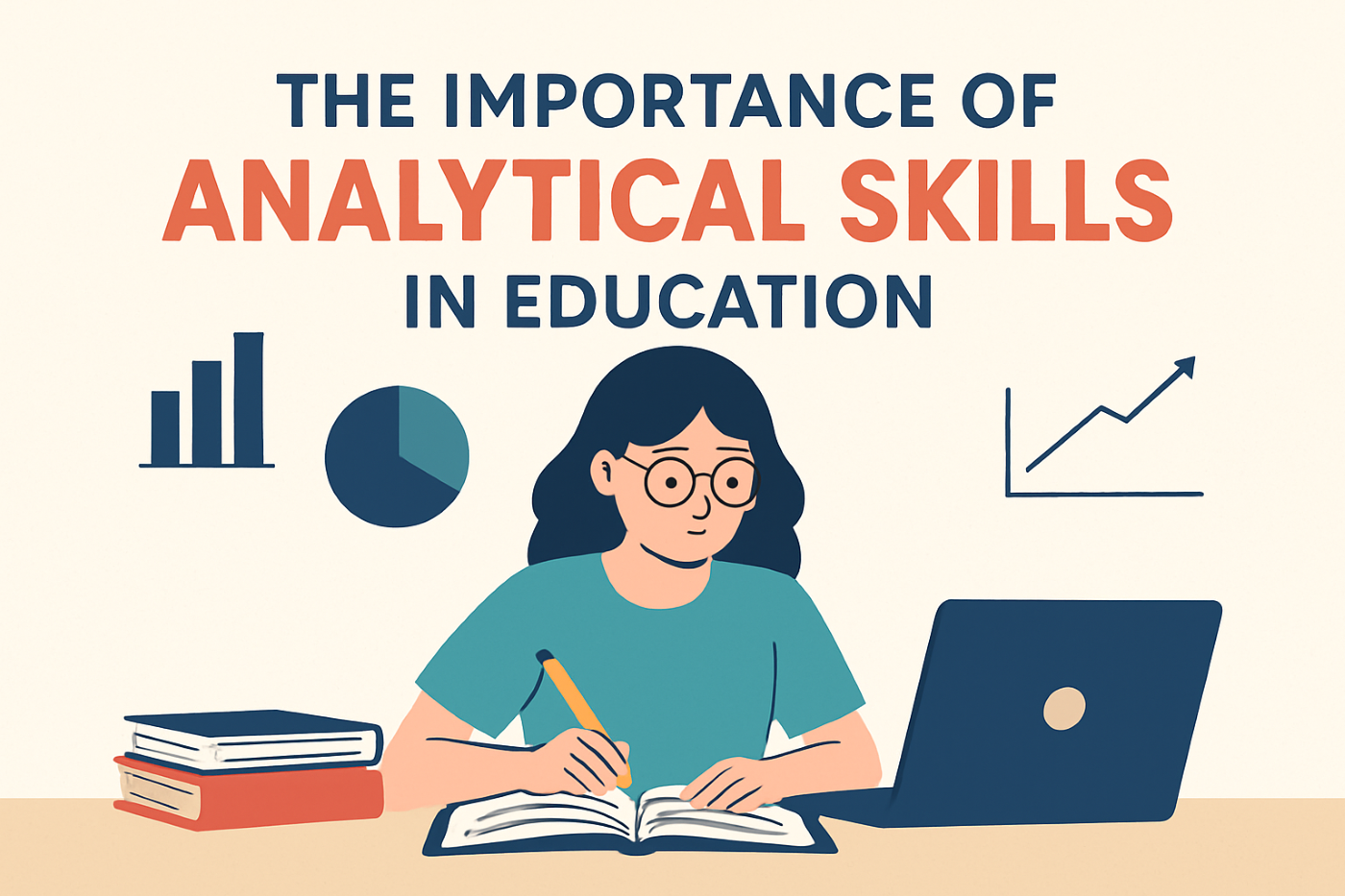
  • The Importance of Analytical Skills in Education: A Modern Perspective by cvDragon

    The Importance of Analytical Skills in Education: A Modern Perspective by cvDragon

    In a world driven by information, innovation, and rapid technological advancement, the ability to think analytically has never been more essential. Analytical skills—once viewed as useful only in technical or scientific fields—have now become foundational across all areas of education. From primary school to higher studies, students who develop strong analytical abilities perform better academically, make smarter decisions, and adapt more successfully to real-world challenges.

    At cvDragon, where we guide students in skill-building, resume development, and career readiness, we’ve observed that analytical skills are often the key differentiator between average learners and exceptional ones. They help students go beyond memorizing facts; they empower them to ask questions, solve problems, and navigate complex situations with confidence.

    This article explores why analytical skills are so crucial in education today, how they shape student success, and what institutions can do to foster them effectively.

    What Are Analytical Skills?

    Analytical skills refer to the ability to:

    • Examine information carefully

    • Identify patterns, connections, and relationships

    • Break down complex problems into smaller components

    • Evaluate options logically

    • Arrive at well-reasoned conclusions

    These skills include critical thinking, data interpretation, logical reasoning, problem-solving, and creativity—traits that help learners understand why something is happening, not just what is happening.

    In today’s competitive world, where students must often sift through vast amounts of data and make informed decisions, analytical skills have become indispensable.

    Why Analytical Skills Matter in Education

    1. They Improve Academic Performance Across Subjects

    Whether it’s mathematics, science, social studies, or literature, analytical skills help students understand concepts rather than memorize them. For example:

    • In math, students analyze patterns to solve equations.

    • In science, they interpret experiments and form hypotheses.

    • In literature, they evaluate themes, characters, and symbolism.

    • In history, they compare events and identify causes and effects.

    Students with strong analytical skills grasp concepts faster and apply them more effectively, leading to better academic results.

    2. They Encourage Independent Thinking

    The goal of education is not just to teach students what to think, but how to think. Analytical skills promote:

    • Curiosity

    • Intellectual independence

    • The courage to question and challenge

    • The ability to evaluate opinions

    Instead of accepting information at face value, analytical thinkers ask, “Is this true? Why does this matter? What are the implications?”
    This independence strengthens their academic confidence and prepares them for self-directed learning.

    3. They Strengthen Problem-Solving Abilities

    Modern education focuses heavily on problem-solving—one of the most sought-after skills in both higher education and the workplace.

    Analytical skills help students:

    • Break problems into manageable parts

    • Identify root causes

    • Explore multiple possible solutions

    • Choose the most logical approach

    Whether they’re solving a mathematical puzzle, planning a science project, or making a decision in daily life, analytical thinkers navigate challenges more effectively.

    4. They Support Better Decision-Making

    Students make decisions every day—about time management, studies, projects, teamwork, and future career paths. Analytical skills enable them to:

    • Evaluate choices

    • Consider consequences

    • Weigh pros and cons

    • Make more informed decisions

    These abilities reduce impulsiveness and improve judgment, helping students build a strong foundation for adult life.

    5. They Build Strong Research Skills

    Research is at the core of education. To conduct research successfully, students must:

    • Collect relevant data

    • Compare information from different sources

    • Verify the credibility of sources

    • Draw conclusions from evidence

    Analytical thinking enhances all these abilities, enabling students to produce accurate, well-reasoned research work. This becomes especially important in higher education.

    6. They Improve Communication Skills

    Students with analytical thinking abilities communicate more effectively because they can:

    • Organize their thoughts clearly

    • Support arguments with logic and evidence

    • Present ideas in a structured way

    • Understand opposing viewpoints

    These skills are invaluable in academic debates, group discussions, presentations, and written assignments.

    7. They Prepare Students for the Future Workplace

    Today’s job market values skills over degrees, and analytical thinking is near the top of the list. Employers look for individuals who can:

    • Think critically

    • Interpret data

    • Solve unexpected problems

    • Innovate

    • Make strategic decisions

    Careers in technology, business, law, engineering, healthcare, marketing, and countless other fields rely heavily on analytical abilities.

    At cvDragon, we regularly guide students on showcasing analytical skills effectively in resumes and interviews, as employers prefer candidates who demonstrate logical reasoning and thoughtful decision-making.

    8. They Promote Lifelong Learning

    Analytical thinkers are naturally curious and adaptable. They continuously learn, evolve, and update their knowledge—traits that are crucial in a world where information changes rapidly.

    This mindset encourages:

    • Continuous growth

    • Better adaptability

    • Stronger resilience in changing environments

    Analytical skills ensure that education does not end in the classroom—it becomes a lifelong journey.

    How Schools and Colleges Can Foster Analytical Skills

    Developing analytical thinking among students requires intentional and consistent effort. Here are some effective ways educational institutions can strengthen these skills:

    1. Incorporate Inquiry-Based Learning

    Instead of spoon-feeding information, teachers can encourage students to ask questions and explore concepts through research and discussion.

    Examples include:

    • Case studies

    • Problem-solving exercises

    • Group investigations

    • Debates

    This approach turns students into active learners.

    2. Use Real-World Applications

    Connecting classroom lessons to real-world scenarios helps students apply analytical thinking naturally.

    For instance:

    • Using statistics to analyze social issues

    • Solving business simulations in commerce classes

    • Conducting real-life experiments in science

    Practical learning creates deeper understanding.

    3. Introduce Technology and Data Literacy

    Digital tools and analytical platforms help students explore data and develop logical reasoning. Schools can integrate:

    • Coding exercises

    • Data interpretation tools

    • Educational apps

    • Digital research platforms

    This builds students’ confidence in handling information.

    4. Encourage Collaboration and Discussion

    Group projects and peer learning activities expose students to different perspectives and force them to think critically.

    Discussion-based learning sharpens reasoning and communication skills.

    5. Provide Open-Ended Questions and Challenges

    Instead of giving one correct answer, teachers can present challenges that have multiple solutions. This practice sharpens creativity and problem-solving skills.

    6. Promote Reflective Thinking

    Reflection journals, feedback exercises, and self-assessment tasks help students examine their own thought processes and refine them.

    The Role of Parents and Mentors

    Parents and mentors also play an important role in developing analytical skills. They can:

    • Encourage children to ask questions

    • Discuss opinions openly

    • Offer decision-making opportunities

    • Support hobbies that boost reasoning (like chess or puzzles)

    A supportive environment nurtures curiosity and confidence.

    Conclusion: Analytical Skills Are the Foundation of Modern Education

    In today’s evolving educational ecosystem, analytical thinking is not just a skill—it is a necessity. It enhances academic success, strengthens problem-solving abilities, improves communication, and prepares students for future careers. Most importantly, it empowers them to become independent thinkers and responsible citizens.

    At cvDragon, we advocate for skill-based education that prioritizes analytical abilities. By helping students understand concepts deeply, think critically, and make informed decisions, we prepare them for a successful future in both academics and real life.

    Whether you’re a student aiming for excellence, an educator designing curriculum, or a parent guiding a young learner—investing in analytical skills is investing in lifelong success.

  • How Students Can Overcome Stage Fear

    How Students Can Overcome Stage Fear

    Stage fear is more common than most people think. Whether it’s speaking in front of a class, delivering a presentation, participating in an event, or even introducing themselves during a seminar—many students feel their heart racing, palms sweating, and thoughts freezing the moment they step onto a stage.

    At cvDragon, we interact with thousands of students preparing for academic presentations, interviews, group discussions, and competitions. One pattern we’ve noticed is clear: even the most talented students often struggle with stage fear. It’s not about a lack of ability—it’s about confidence, mindset, and simple techniques that can make a big difference.

    This article breaks down stage fear in an easy, relatable, and humanized way, and provides students with practical strategies to overcome it successfully.

    Understanding Stage Fear: What Really Happens?

    Before we jump into solutions, it’s important to understand what stage fear actually is.

    Stage fear is a natural psychological reaction. When you stand in front of an audience, your brain assumes you’re in a high-risk situation—even when you’re actually safe. This triggers:

    • Faster heartbeat

    • Sweaty hands

    • Dry mouth

    • Shaky voice

    • Mind blanks

    • Nervousness

    The good news?
    With the right techniques, anyone can overcome stage fear—even if they think they can’t.
    At cvDragon, we’ve seen countless students transform from shy speakers to confident performers.

    1. Preparation Is the Foundation of Confidence

    Nothing reduces fear like being well-prepared.

    Students often get nervous because they worry about forgetting their lines, losing track of their speech, or making mistakes. Solid preparation removes these doubts.

    Here’s how to prepare effectively:

    • Break your speech or presentation into small sections

    • Understand the content deeply instead of memorizing word-for-word

    • Create keyword notes

    • Practice in front of a mirror

    • Record a video of yourself presenting

    • Rehearse until the flow becomes natural

    When students know their content, their confidence automatically increases.

    2. Practice in Safe Environments First

    Before facing a crowd, practicing in a safe and comfortable space can help reduce the initial fear.

    Students can try:

    • Practicing in front of family members

    • Speaking in front of a close friend

    • Joining a small speaking group

    • Standing in front of a mirror

    • Recording voice or video notes

    At cvDragon, we always encourage students to start small. Small victories build confidence, making bigger stages less intimidating.

    3. Use Deep Breathing to Calm Your Nerves

    When nervous, the body goes into “fight or flight” mode, causing shaky hands, fast heartbeat, and a nervous voice.

    Deep breathing is a scientifically proven way to relax the body and mind.

    Try this simple method:

    1. Inhale slowly for 4 seconds

    2. Hold for 2 seconds

    3. Exhale for 6 seconds

    4. Repeat 5–7 times

    This technique signals the brain that you’re safe, helping reduce anxiety instantly.

    4. Visualize Success Instead of Failure

    Most students imagine themselves forgetting lines, embarrassing themselves, or being judged. This worsens fear.

    Instead, practice positive visualization:

    • Imagine yourself speaking confidently

    • Picture the audience listening attentively

    • Visualize yourself finishing your speech successfully

    This shifts your mindset from fear to confidence.

    5. Body Language Speaks Before Words Do

    Good body language can make students feel—and appear—more confident.

    Simple techniques include:

    • Standing straight with shoulders relaxed

    • Making eye contact with friendly faces

    • Using hand gestures naturally

    • Smiling occasionally

    • Avoiding fidgeting or pacing too fast

    At cvDragon, we teach students that body language isn’t just for the audience—it’s also for the speaker. Confident posture boosts internal confidence.

    6. Start with Smaller Audiences and Work Upwards

    Confidence grows with practice.

    Students don’t have to start by speaking in front of a large audience. They can:

    • Speak in morning assemblies

    • Volunteer for small presentations

    • Participate in classroom discussions

    • Join drama, debate, or toastmasters clubs

    • Host school/college events

    The more exposure students get, the less intimidating the stage becomes.

    7. Shift the Focus from “Performance” to “Communication”

    Many students fear the stage because they think people are judging their performance.
    Instead of thinking, “I must speak perfectly,” think:

    “I am just sharing something useful with others.”

    When students see stage speaking as a conversation rather than a performance, the fear reduces dramatically.

    8. Accept That Mistakes Are Normal

    One of the biggest reasons students avoid the stage is the fear of making mistakes. But mistakes are natural—and audiences rarely notice them.

    If you forget a line, pause and breathe.
    If you mispronounce something, correct yourself calmly.
    If you lose track, look at your notes.

    Remember: confidence isn’t the absence of mistakes—it’s the ability to continue even after making them.

    9. Observe and Learn From Good Speakers

    Watching experienced speakers is one of the most effective ways to improve.

    Students can watch:

    • TED Talks

    • Classroom toppers during presentations

    • Motivational speakers

    • College event hosts

    • YouTube seminars

    Study how they speak, move, pause, and engage the audience. Over time, students naturally adopt effective habits.

    10. Join Skill-Building Programs to Boost Communication

    Sometimes, students need structured guidance.
    Communication courses, personality development workshops, or skill-building platforms like cvDragon help students build:

    • Public speaking skills

    • Confidence

    • Vocal clarity

    • Presentation techniques

    • Professional communication

    Guided practice accelerates improvement.

    11. Understand Your Audience—They Are Not Your Enemy

    Students often imagine the audience judging them harshly. In reality:

    • Most listeners want the speaker to succeed

    • They appreciate effort

    • They are busy thinking about their own lives

    • They don’t focus on small mistakes

    Once students realize the audience is friendly, not hostile, stage fear decreases significantly.

    12. Use Positive Affirmations to Build Self-Belief

    Words have power. Students can repeat affirmations such as:

    • “I am confident.”

    • “I am prepared.”

    • “I can do this.”

    • “The audience wants me to succeed.”

    • “Mistakes don’t define me.”

    Over time, these positive thoughts replace negative self-doubt.

    13. Turn Nervous Energy Into Excitement

    Believe it or not, nervousness and excitement feel almost the same—fast heartbeat, extra energy, increased alertness.

    Instead of thinking:

    “I’m nervous,”
    try thinking:

    “I’m excited!”

    This simple brain-hack changes how students interpret their feelings.

    14. Focus on Your Message, Not Yourself

    Stage fear increases when students think too much about themselves:

    • “How do I look?”

    • “What if I sound weird?”

    • “What if I forget something?”

    Shift focus to the message:

    • “This information will help others.”

    • “I want to share something meaningful.”

    • “My message is important.”

    When the purpose becomes bigger than the fear, confidence rises.

    15. Keep Practicing—Confidence Is a Skill

    Overcoming stage fear is not a one-time action.
    It is a skill built slowly through practice, exposure, and self-belief.

    Every time a student stands on stage—whether for 10 seconds or 10 minutes—they become a little more confident than before.

    Final Thoughts: Every Student Can Become a Confident Speaker

    Stage fear is not a weakness—it is a natural response that can be managed and mastered. At cvDragon, we’ve seen students from all backgrounds become confident speakers through practice, guidance, and the right mindset.

    Remember:

    • Confidence is learned

    • Mistakes are normal

    • Practice builds ease

    • Preparation builds clarity

    • Belief builds courage

    With these strategies, any student can go from “I’m scared” to “I’m ready.”

  • How to Build Networking Skills as a Student

    How to Build Networking Skills as a Student

    In today’s competitive world, your network is your net worth—especially for students stepping into their professional journeys. Whether you’re preparing for internships, your first job, or future business opportunities, building strong networking skills can open doors to endless possibilities.

    At cvDragon, we believe networking isn’t just about collecting contacts; it’s about building genuine, mutually beneficial relationships that help you grow personally and professionally. Let’s explore how you can develop networking skills as a student and why it’s one of the smartest investments in your future.

    1. Understand the Importance of Networking Early

    Many students underestimate networking, thinking it’s something that starts after graduation. In reality, networking should begin during your college years.

    Building connections early helps you:

    • Gain career insights from industry professionals.

    • Find internship and job opportunities through referrals.

    • Learn soft skills like communication, confidence, and empathy.

    • Develop mentors and peers who guide and support your goals.

    Remember, networking isn’t just about what you can get—it’s also about what you can give. The most successful networks are built on mutual respect, trust, and shared value.

    2. Start with Your Campus Network

    Your university or college is one of the best places to start building your network. You already have access to a community of professors, alumni, and students with diverse experiences and connections.

    Here’s how to make the most of it:

    • Connect with professors and academic mentors: They can recommend you for internships, research projects, or industry events.

    • Participate in student clubs and societies: Whether it’s a marketing club, tech society, or debate team, these communities help you meet like-minded peers.

    • Engage in group projects: Collaborating with classmates enhances teamwork and builds connections that often last beyond graduation.

    • Attend alumni meets: Alumni can offer valuable insights into your desired career path and even help you find your first professional opportunity.

    At cvDragon, we encourage students to actively engage with their campus community—because networking begins in classrooms and corridors.

    3. Leverage LinkedIn and Other Online Platforms

    In the digital era, networking extends far beyond face-to-face interactions. Platforms like LinkedIn, Twitter (X), and professional communities make it easy to connect with industry experts across the globe.

    Here’s how you can use them effectively:

    • Optimize your LinkedIn profile: Use a professional photo, strong headline, and detailed bio. Highlight your education, skills, and achievements.

    • Follow companies and professionals: Stay updated on industry trends and engage with relevant content.

    • Share your insights: Post about what you’re learning, projects you’re working on, or career topics you find interesting.

    • Send personalized connection requests: When reaching out, mention why you want to connect. A short, polite message goes a long way.

    At cvDragon, we help students craft professional online profiles that stand out. A well-designed LinkedIn or cvDragon profile not only showcases your skills but also builds your credibility in the job market.

    4. Attend Workshops, Webinars, and Networking Events

    One of the best ways to enhance your networking skills is by putting yourself in professional environments. Attending industry-specific events helps you interact with people outside your immediate circle.

    Look out for:

    • Career fairs and internship expos

    • Guest lectures and industry talks

    • Online webinars and virtual networking sessions

    • Workshops hosted by companies or recruiters

    When attending these events, don’t be afraid to ask questions, introduce yourself, and exchange contact information. A simple conversation could lead to an internship, mentorship, or long-term professional relationship.

    5. Develop Strong Communication and Listening Skills

    Networking isn’t just about talking—it’s about building rapport. The key to effective networking is mastering active listening and clear communication.

    Here’s how to strengthen your interpersonal skills:

    • Be genuinely interested: Ask thoughtful questions about others’ experiences.

    • Listen more than you speak: People appreciate when you value their opinions.

    • Maintain positive body language: Smile, make eye contact, and show confidence.

    • Follow up: After meeting someone, send a thank-you message or a quick email to stay connected.

    At cvDragon, we’ve seen that students who communicate clearly and confidently tend to attract more opportunities and make lasting impressions.

    6. Find a Mentor

    A mentor can play a pivotal role in shaping your academic and career journey. They provide guidance, constructive feedback, and networking introductions.

    You can find mentors through:

    • Your college professors or advisors.

    • Senior professionals on LinkedIn.

    • Alumni groups or student mentorship programs.

    Once you find a mentor, maintain a consistent and respectful relationship. Share your progress, seek advice, and show gratitude. A mentor’s endorsement can open many doors in your future career.

    7. Volunteer and Collaborate on Real Projects

    Volunteering and participating in projects help you gain real-world experience and connect with people who share your passions.

    For instance:

    • Join a non-profit organization or campus event committee.

    • Collaborate with peers on a start-up or research project.

    • Participate in hackathons or marketing competitions.

    These activities help you apply classroom learning in real situations while expanding your network of professionals, mentors, and collaborators.

    8. Stay Authentic and Consistent

    The biggest mistake students make is treating networking as a transaction. True networking is about building genuine relationships—not chasing opportunities.

    Here’s what authenticity looks like:

    • Don’t reach out only when you need something.

    • Offer help, share resources, or provide feedback.

    • Stay consistent—engage, comment, and support others’ achievements.

    When you’re genuine, people remember you—not as someone who networked for gain, but as someone who added value to their circle.

    9. Keep Refining Your Personal Brand

    Your personal brand is how others perceive you professionally. As a student, this includes your online presence, communication style, and the way you carry yourself.

    To strengthen it:

    • Maintain an updated resume or cvDragon profile.

    • Be active in professional communities.

    • Share achievements, certifications, or personal growth stories.

    • Always stay professional online.

    cvDragon helps students create impactful profiles that reflect their unique strengths and career aspirations—making a powerful impression on recruiters and peers alike.

    Conclusion

    Networking isn’t just a skill—it’s a lifelong habit. As a student, every classmate, professor, event, or online interaction is a potential connection that could shape your future.

    By being curious, confident, and consistent, you can turn everyday conversations into meaningful professional relationships.

    At cvDragon, we empower students to not just build resumes, but to build relationships that matter. Remember, opportunities often come through people—and the stronger your network, the brighter your future.

  • The Importance of Financial Literacy for Students

    In today’s world, where financial decisions influence every aspect of life—from education to career choices—financial literacy has become an essential life skill, not just for adults but especially for students. Yet, many young people graduate from school or college without a clear understanding of how to manage their finances effectively.

    At CVDragon, we believe that empowering students with financial knowledge early on can help them build a secure and independent future. Financial literacy isn’t just about managing money—it’s about making informed decisions, setting goals, and creating habits that lead to long-term stability and success.

    What Is Financial Literacy?

    Financial literacy refers to the ability to understand and use various financial skills effectively. These include budgeting, saving, investing, understanding credit, and managing debt. It’s the foundation for making sound financial choices that support one’s goals and lifestyle.

    For students, financial literacy means knowing how to:

    • Manage monthly allowances or part-time earnings.

    • Make smart spending choices.

    • Save for short- and long-term goals.

    • Understand loans, especially student loans or credit cards.

    • Plan for future investments and financial independence.

    In short, financial literacy equips students with the tools to take control of their financial future rather than leaving it to chance.

    Why Financial Literacy Matters for Students

    1. Builds Strong Money Management Habits

    Good financial habits start early. Students who learn how to create and follow a budget are better prepared to manage their finances responsibly later in life. Understanding how to balance income and expenses helps them avoid debt traps and unnecessary financial stress.

    Learning to track spending and differentiate between “needs” and “wants” teaches students the importance of mindful consumption—a valuable skill in today’s consumer-driven world.

    2. Prevents Debt and Financial Stress

    With easy access to credit cards, online shopping, and digital payments, students can quickly fall into the habit of overspending. Without proper financial education, many young people find themselves struggling with debt before they even begin their careers.

    Financial literacy helps students understand how interest rates work, what credit scores mean, and how to use credit responsibly. This knowledge allows them to make informed choices about borrowing and avoid common financial pitfalls.

    3. Encourages Saving and Investing Early

    One of the greatest benefits of financial literacy is developing a savings mindset. Students who learn to save a portion of their income, even if small, understand the value of financial discipline.

    Over time, these small savings can grow into significant investments. Learning about basic investment concepts—like compound interest, mutual funds, and stocks—gives students a head start in building wealth and achieving financial freedom.

    At CVDragon, we emphasize that even students with limited income can begin saving and investing smartly with the right financial guidance.

    4. Promotes Financial Independence

    Financial literacy helps students become self-reliant and confident in managing their own money. It encourages them to plan their finances rather than depend on others for financial decisions.

    Whether it’s managing pocket money, handling part-time job earnings, or planning expenses during higher education, financially literate students develop a sense of independence that extends beyond money management—it builds overall confidence and responsibility.

    5. Helps Make Smarter Career and Education Choices

    Finances play a major role in shaping academic and career decisions. Understanding concepts like return on investment (ROI), education loans, and salary expectations can help students make better choices about which courses or careers are financially sustainable.

    For example, a student aware of the cost of education and future earning potential can evaluate whether a particular degree or institution aligns with their long-term financial goals. This kind of practical financial awareness can prevent years of financial hardship.

    6. Builds a Foundation for Long-Term Success

    Financial literacy doesn’t just help students in the present—it sets them up for success throughout their lives. Knowing how to budget, save, invest, and plan for emergencies lays the groundwork for financial stability.

    Financially literate individuals are also better equipped to handle life’s uncertainties—whether it’s an unexpected expense, a job change, or an economic downturn. They can make rational decisions under pressure because they understand their financial options.

    How Students Can Improve Financial Literacy

    Building financial literacy doesn’t happen overnight, but small, consistent steps make a big difference. Here are a few ways students can start:

    • Learn the basics: Read books, blogs, and articles on personal finance.

    • Use budgeting apps: Track expenses and create spending goals.

    • Attend workshops: Many educational institutions and organizations offer financial literacy programs.

    • Seek mentorship: Talk to financially savvy family members or professionals.

    • Start small investments: Learn about SIPs, digital savings platforms, or basic stock investing.

    At CVDragon, we encourage students to view financial learning as part of their personal development journey. Just as they invest in building their careers and resumes, they should also invest time in understanding their finances.

    Conclusion: Financial Literacy Is the Key to a Secure Future

    Financial literacy is not just about money—it’s about freedom, confidence, and control. For students, learning financial skills early can shape their entire future—helping them make smart choices, avoid debt, and build lasting wealth.

    As the world becomes increasingly complex and financially driven, being financially literate is as important as academic excellence. At CVDragon, we believe that empowering students with financial knowledge today means creating responsible, confident, and successful professionals tomorrow.

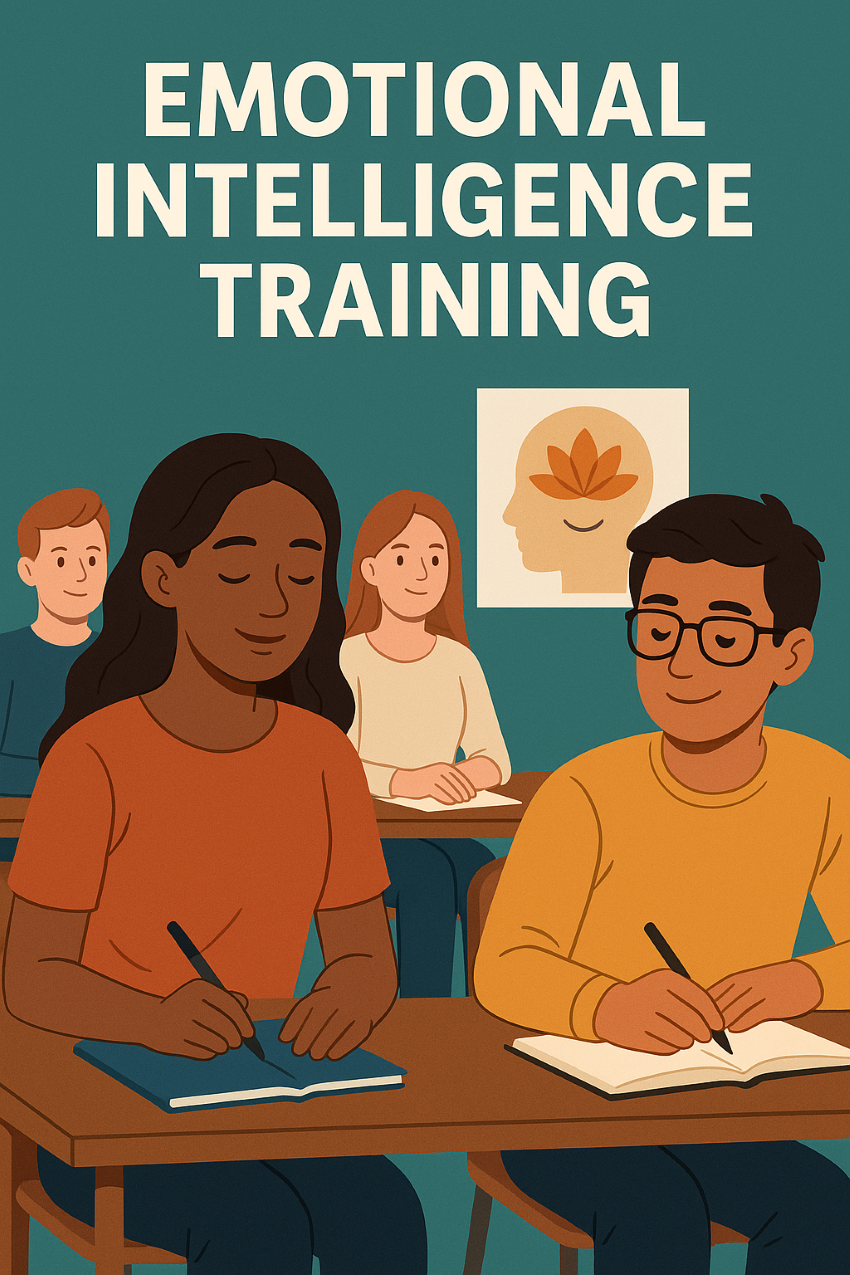
  • Emotional Intelligence Training for Students

    Emotional Intelligence Training for Students

    In today’s fast-paced and competitive world, academic excellence alone is no longer enough to define a student’s potential. What truly distinguishes successful students from others is their emotional intelligence (EI) — the ability to recognize, understand, and manage emotions effectively. Whether it’s handling stress before an exam, collaborating with peers on group projects, or dealing with failure, emotional intelligence determines how students respond to challenges and grow from them.

    At CvDragon, we believe that emotional intelligence is not just a “soft skill” — it’s a core life skill. Our training programs help students develop emotional awareness, empathy, resilience, and social understanding, enabling them to thrive in both academic and personal environments.

    This article explores why emotional intelligence is essential for students, how it impacts their success, and the most effective strategies to develop it through structured training.

    1. What Is Emotional Intelligence (EI)?

    Emotional intelligence refers to the capacity to identify, understand, and regulate one’s own emotions while also recognizing and influencing the emotions of others.

    According to psychologist Daniel Goleman, EI has five core components:

    1. Self-Awareness – Recognizing one’s emotions and their effects.

    2. Self-Regulation – Controlling impulses and managing stress effectively.

    3. Motivation – Staying focused and positive in pursuit of goals.

    4. Empathy – Understanding and responding to others’ feelings.

    5. Social Skills – Building and maintaining healthy relationships.

    When students master these abilities, they not only perform better academically but also handle life’s pressures with maturity and confidence.

    2. Why Emotional Intelligence Matters for Students

    a. Improves Academic Performance

    Students with high emotional intelligence can manage exam anxiety, stay motivated, and maintain focus. They approach learning with curiosity and persistence — essential traits for long-term academic success. Studies show that emotionally intelligent students often outperform peers with similar IQ levels because they can handle academic pressure calmly.

    b. Strengthens Relationships

    School and college life involve constant interaction with classmates, teachers, and peers. Emotional intelligence helps students build stronger relationships by improving communication, empathy, and conflict resolution skills. They learn to listen actively and respond thoughtfully, creating a more positive and cooperative learning environment.

    c. Builds Resilience and Mental Well-being

    Academic life can be stressful — from exam results to peer pressure and future uncertainties. Emotionally intelligent students are better equipped to handle setbacks. Instead of giving up, they bounce back stronger, using challenges as learning experiences.

    d. Enhances Leadership and Teamwork

    In group projects or extracurricular activities, emotionally intelligent students shine as leaders. They can motivate team members, handle disagreements diplomatically, and create harmony within groups.

    e. Promotes Career Readiness

    Employers increasingly value emotional intelligence as a top skill. For students preparing to enter the workforce, developing EI ensures they can adapt, collaborate, and communicate effectively in professional settings.

    At CvDragon, we integrate emotional intelligence training into our student development programs to prepare learners not just for exams — but for life.

    3. Key Elements of Emotional Intelligence Training

    Developing emotional intelligence requires conscious effort and structured training. CvDragon’s approach focuses on these essential pillars:

    a. Self-Awareness Development

    Students are guided to reflect on their emotions — what triggers stress, anger, or motivation. Through journaling, mindfulness exercises, and self-assessment tools, they learn to identify emotional patterns and understand their behavioral impact.
    Example: Before reacting to a poor grade, students learn to pause, analyze their emotions, and approach improvement rationally.

    b. Managing Emotions (Self-Regulation)

    Training helps students develop emotional control techniques — deep breathing, meditation, or reframing thoughts — to prevent impulsive reactions. This skill is especially useful during exams, presentations, or high-pressure situations.

    CvDragon coaches emphasize emotional pause and response — encouraging students to think before reacting, fostering maturity and calmness.

    c. Empathy Building

    Understanding others’ perspectives is the heart of emotional intelligence. Through group discussions, role-playing, and storytelling, students learn to put themselves in others’ shoes, enhancing emotional sensitivity and kindness.

    Empathy training helps reduce bullying, improves peer relationships, and creates inclusive environments where every student feels valued.

    d. Motivation and Goal Setting

    Emotionally intelligent individuals are driven not by external rewards but by internal satisfaction. CvDragon’s programs teach students how to set realistic goals, visualize success, and stay motivated despite setbacks.
    By linking emotional satisfaction with achievement, students learn the importance of intrinsic motivation — a key driver of lifelong learning.

    e. Communication and Social Skills

    Good communication is rooted in emotional understanding. Students learn how to express thoughts confidently yet respectfully, read nonverbal cues, and practice active listening.
    This training enhances their public speaking, teamwork, and networking abilities — vital for future academic and career success.

    4. Strategies to Cultivate Emotional Intelligence in Students

    Beyond formal training, here are actionable strategies that can help students strengthen their emotional intelligence daily:

    a. Practice Mindfulness

    Encourage mindfulness exercises such as deep breathing, meditation, or reflection breaks. It helps students remain present, reduce anxiety, and improve emotional clarity.

    b. Encourage Journaling

    Writing about emotions helps students process feelings and recognize recurring emotional patterns. It’s a simple yet powerful way to improve self-awareness.

    c. Promote Group Activities

    Team-based learning fosters empathy and cooperation. Students learn how different personalities work together toward shared goals — a vital emotional lesson for adulthood.

    d. Use Constructive Feedback

    Instead of harsh criticism, use feedback that focuses on improvement. This boosts motivation and emotional maturity. CvDragon’s mentoring sessions are built around growth feedback, helping students reflect, not retreat.

    e. Develop Emotional Vocabulary

    Teaching students to name their emotions — such as “frustrated,” “disappointed,” or “anxious” — helps them understand and manage feelings better instead of suppressing them.

    5. CvDragon’s Emotional Intelligence Training Approach

    At CvDragon, our student training programs are designed to bridge emotional learning with real-world application. Here’s how we do it:

    ✔ Interactive Workshops

    Our workshops blend theory with practical exercises — from emotion-recognition games to stress-management challenges — keeping sessions engaging and memorable.

    ✔ Personalized Emotional Assessments

    We help students identify their emotional strengths and weaknesses through guided evaluations, offering a customized development roadmap.

    ✔ Real-life Scenarios and Role-Play

    Simulated interactions — like handling peer disagreements or responding to criticism — prepare students to apply emotional intelligence in everyday life.

    ✔ Expert Mentorship

    Our mentors guide students through emotional challenges, providing support, perspective, and strategies to navigate them successfully.

    ✔ Continuous Progress Tracking

    Students track their growth in self-awareness, empathy, and confidence, ensuring that emotional development remains a lifelong practice.

    6. The Long-Term Benefits of Emotional Intelligence Training

    When students cultivate emotional intelligence early, the benefits last a lifetime:

    • Better Academic Focus: Reduced anxiety and improved concentration lead to higher performance.

    • Stronger Relationships: Improved communication builds trust and teamwork.

    • Greater Self-Confidence: Students believe in their abilities and handle criticism constructively.

    • Enhanced Career Prospects: Emotional maturity makes them better leaders, decision-makers, and collaborators.

    • Improved Well-being: Managing emotions effectively reduces stress and improves mental health.

    Ultimately, emotional intelligence creates balanced individuals — those who succeed not just in school but in life.

    7. Conclusion: Shaping Emotionally Strong Futures with CvDragon

    In a world driven by academic scores and competition, emotional intelligence offers a deeper, more human dimension of success. It teaches students how to stay calm in chaos, empathize with others, and lead with compassion — traits that define not just great professionals, but great people.

    At CvDragon, we are committed to nurturing emotionally intelligent learners who can face life with confidence, empathy, and resilience. Through our tailored training and mentorship, we help students not only understand their emotions but use them as powerful tools for growth.

    After all, intelligence may open doors — but emotional intelligence ensures you walk through them gracefully.