Category: BLOG

  • Cross-Cultural Communication Skills for Global Students

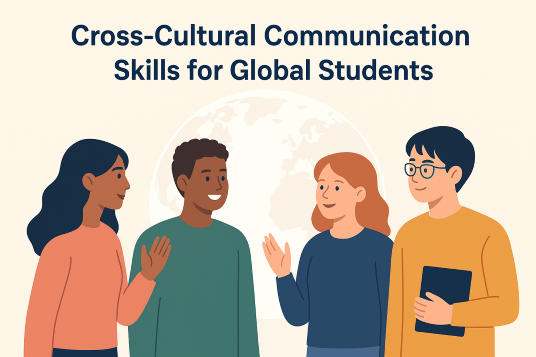
    Cross-Cultural Communication Skills for Global Students

    In an increasingly interconnected world, students are no longer limited by borders. Whether they are studying abroad, engaging in virtual global classrooms, or collaborating with peers from diverse cultures, today’s learners must be able to bridge cultural differences with confidence. At CVDragon, we believe cross-cultural communication is one of the most valuable skills students can develop—both for academic success and for thriving in international careers.

    Here’s how global students can build stronger communication skills and connect more effectively across cultures.

    1. Understanding Cultural Differences

    Every culture has its own communication style, values, and social norms. What feels polite or natural in one country may seem direct or unusual in another. Students benefit greatly from recognizing these differences and approaching them with curiosity rather than judgment.

    Some dimensions to explore include:

    • High-context vs. low-context communication

    • Formality levels

    • Attitudes toward time (strict or flexible)

    • Hierarchy and respect in conversations

    • Personal space and non-verbal cues

    Understanding these cultural dynamics helps prevent misunderstandings and fosters smoother interactions.

    2. Active Listening With an Open Mind

    Cross-cultural communication is just as much about listening as speaking. Global students should practice:

    • Paying attention to tone and body language

    • Asking open-ended questions

    • Avoiding assumptions

    • Clarifying meaning when needed

    • Showing genuine interest in others’ perspectives

    Active listening not only improves communication but also builds trust across diverse groups.

    3. Adapting Communication Styles

    Flexibility is key. Students often discover that their preferred communication style may not always resonate in a multicultural setting. Being willing to adjust tone, pace, and choice of words shows respect and increases the likelihood of being understood clearly.

    For instance:

    • Using simple, clear language when speaking with non-native English speakers

    • Slowing down speech without sounding condescending

    • Avoiding slang or culturally specific jokes

    • Being aware of gestures that may have different meanings internationally

    Adaptability enhances both collaboration and cultural understanding.

    4. Developing Strong Non-Verbal Awareness

    Non-verbal cues—eye contact, facial expressions, gestures, and posture—play a powerful role in communication and vary greatly between cultures.

    Students should be aware that:

    • Direct eye contact may signal confidence in some cultures but disrespect in others

    • Hand gestures can mean completely different things depending on the country

    • Silence can communicate agreement, respect, or disagreement based on context

    Recognizing these variations helps students communicate more effectively and respectfully.

    5. Building Empathy and Cultural Sensitivity

    Empathy allows students to step into the experiences of people from different backgrounds. It helps them communicate without bias and respond with compassion.

    Ways to cultivate empathy include:

    • Learning about other cultures through conversations, books, or travel

    • Respecting cultural celebrations and traditions

    • Being patient when language barriers arise

    • Avoiding stereotypes and generalizations

    Cultural sensitivity strengthens relationships and makes global environments more inclusive.

    6. Embracing Collaboration in Multicultural Teams

    Many academic projects now involve diverse team members, either in person or online. Students gain valuable insights when they collaborate across cultures. Effective teamwork requires:

    • Clear roles and expectations

    • Respectful disagreements

    • Encouraging quieter team members to share ideas

    • Celebrating diverse viewpoints

    • Finding common goals

    These experiences prepare students for multinational workplaces where cross-cultural collaboration is the norm.

    7. Continuous Learning and Self-Reflection

    Cross-cultural communication is not a one-time lesson—it’s a lifelong learning process. Students should take time to reflect on their interactions:

    • What went well?

    • What could be improved?

    • How did cultural differences influence the conversation?

    Self-awareness helps students grow and refine their communication skills over time.

    Conclusion

    Mastering cross-cultural communication helps global students thrive academically, socially, and professionally. By staying open-minded, adaptable, and empathetic, they can build meaningful connections across borders and navigate the global landscape with confidence.

    At CVDragon, we encourage students to embrace cultural diversity as a pathway to personal and professional growth—because the ability to connect across cultures is one of the most powerful skills of the future.
  • Conflict Resolution Skills for Young Adults: Turning Disagreements into Growth Opportunities

    Conflict Resolution Skills for Young Adults: Turning Disagreements into Growth Opportunities

    Conflict is an inevitable part of life. Whether it’s a disagreement with a friend, a clash with a classmate, or a difference of opinion at work, conflicts are bound to happen. But here’s the truth — it’s not the conflict itself that defines us, but how we handle it.

    For young adults, learning effective conflict resolution skills is one of the most valuable tools for both personal and professional growth. As the world becomes more connected and fast-paced, the ability to manage differences with empathy, confidence, and clarity sets you apart as a leader and communicator.

    At cvDragon, we believe that mastering conflict resolution is not just about avoiding tension — it’s about building stronger relationships, improving teamwork, and developing emotional intelligence.

    Understanding Conflict: It’s Not Always a Bad Thing

    Many people see conflict as something negative — something to run from. But in reality, conflict can be healthy. It can spark creativity, encourage honest communication, and strengthen understanding between people when handled correctly.

    Conflict usually arises from:

    • Miscommunication or misunderstanding

    • Differing opinions, values, or priorities

    • Unmet expectations or perceived unfairness

    • Lack of empathy or listening

    Recognizing that conflict is a natural part of human interaction helps young adults approach it with maturity rather than fear or frustration.

    Why Conflict Resolution Matters for Young Adults

    As young adults step into college, internships, and early careers, they’re often faced with diverse teams, new responsibilities, and pressure-filled environments. Knowing how to navigate conflict can make a huge difference in both personal and professional success.

    Here’s why these skills matter:

    • They help maintain healthy relationships and prevent grudges.

    • They improve teamwork and collaboration in academic or work settings.

    • They enhance communication and leadership abilities.

    • They reduce stress and promote a positive mindset.

    In short, conflict resolution is not just a social skill — it’s a career skill. Employers value individuals who can stay calm under pressure, listen to others’ perspectives, and find win-win solutions.

    Essential Conflict Resolution Skills Every Young Adult Should Learn

    Let’s break down the key skills that make someone effective at handling conflict constructively.

    1. Active Listening

    Listening is the foundation of resolution. Often, people focus on defending their point instead of truly understanding the other side.
    Active listening means giving your full attention, maintaining eye contact, and acknowledging the speaker’s feelings before responding.

    For example: Instead of saying, “You’re wrong,” try saying, “I understand what you mean, but here’s how I see it differently.”
    This approach encourages open dialogue rather than confrontation.

    2. Emotional Intelligence

    Emotional intelligence (EI) is the ability to recognize and manage your own emotions while understanding others’.
    Young adults with strong EI can stay calm during disagreements and respond thoughtfully instead of reacting impulsively.

    Practicing mindfulness, empathy, and self-awareness helps you identify emotional triggers and prevent small issues from escalating into major conflicts.

    3. Communication Skills

    Clear communication prevents confusion and builds trust. Be assertive, not aggressive — express your thoughts honestly but respectfully.

    For example, use “I” statements instead of “you” statements:

    • ❌ “You never listen to me.”

    • ✅ “I feel unheard when I’m interrupted.”

    This shifts the focus from blame to understanding and resolution.

    4. Empathy and Perspective-Taking

    Empathy allows you to step into the other person’s shoes. It’s about asking yourself, “Why might they feel this way?”

    When you genuinely try to understand someone else’s perspective, solutions come more easily. Remember — you don’t have to agree to empathize. Sometimes, validation itself can defuse tension.

    5. Problem-Solving and Negotiation

    Conflict resolution isn’t just about calming emotions — it’s about finding solutions that work for everyone.
    Young adults can practice collaborative problem-solving by:

    • Identifying the root cause of the issue.

    • Brainstorming multiple solutions.

    • Discussing pros and cons openly.

    • Reaching a compromise that respects both parties.

    This skill is invaluable in professional life — especially when managing team projects or workplace disagreements.

    6. Patience and Self-Control

    In heated moments, emotions can take over. Learning to pause before reacting is a game-changer.
    Take a deep breath, count to ten, or step away for a moment if needed. Responding with patience instead of anger allows for rational, effective conversations.

    7. Accountability

    Sometimes, we play a part in the conflict. Taking responsibility for your words or actions shows maturity and integrity.
    Saying, “I realize I could have handled that better,” can rebuild trust faster than denial or defensiveness ever could.

    Practical Tips to Strengthen Conflict Resolution Skills

    Here are some easy ways young adults can develop and refine these abilities:

    • Join group projects or team activities to practice collaboration.

    • Attend workshops on communication and emotional intelligence.

    • Seek feedback from mentors, friends, or professors on how you handle disagreements.

    • Reflect regularly — after a conflict, ask yourself what went well and what could improve next time.

    At cvDragon, we encourage young professionals to treat every challenge as a learning opportunity. The more you engage in self-improvement, the more confident and adaptable you become.

    Conflict Resolution in the Digital Era

    With much of today’s communication happening online, digital misunderstandings are more common than ever. Texts and emails can easily misrepresent tone or intent.

    To handle online conflict effectively:

    • Avoid responding impulsively — reread messages before replying.

    • If tension rises, move the conversation offline to a call or in-person meeting.

    • Be polite, concise, and solution-focused in your responses.

    Remember: professionalism and empathy apply online just as much as they do face-to-face.

    The Bigger Picture: Growth Through Conflict

    Conflict isn’t something to fear — it’s something to learn from. Every disagreement teaches patience, empathy, and adaptability. For young adults building their identity and careers, mastering conflict resolution creates a foundation for leadership and lifelong success.

    At cvDragon, we help students and professionals develop the soft skills that make a real difference — because success isn’t only about technical knowledge. It’s also about how well you connect, communicate, and collaborate with others.

    By learning to navigate conflict with confidence, you’re not just solving problems — you’re shaping yourself into a stronger, wiser, and more empathetic individual.

    Final Thoughts

    Conflict resolution isn’t about winning arguments; it’s about finding understanding.
    When young adults learn to handle differences with respect, they build bridges — not walls.

    The future belongs to those who can listen, empathize, and adapt, and that starts with mastering the art of resolution.
    With the right mindset and skills, every conflict becomes a chance for growth, harmony, and success.

  • How Students Can Enhance Presentation Skills

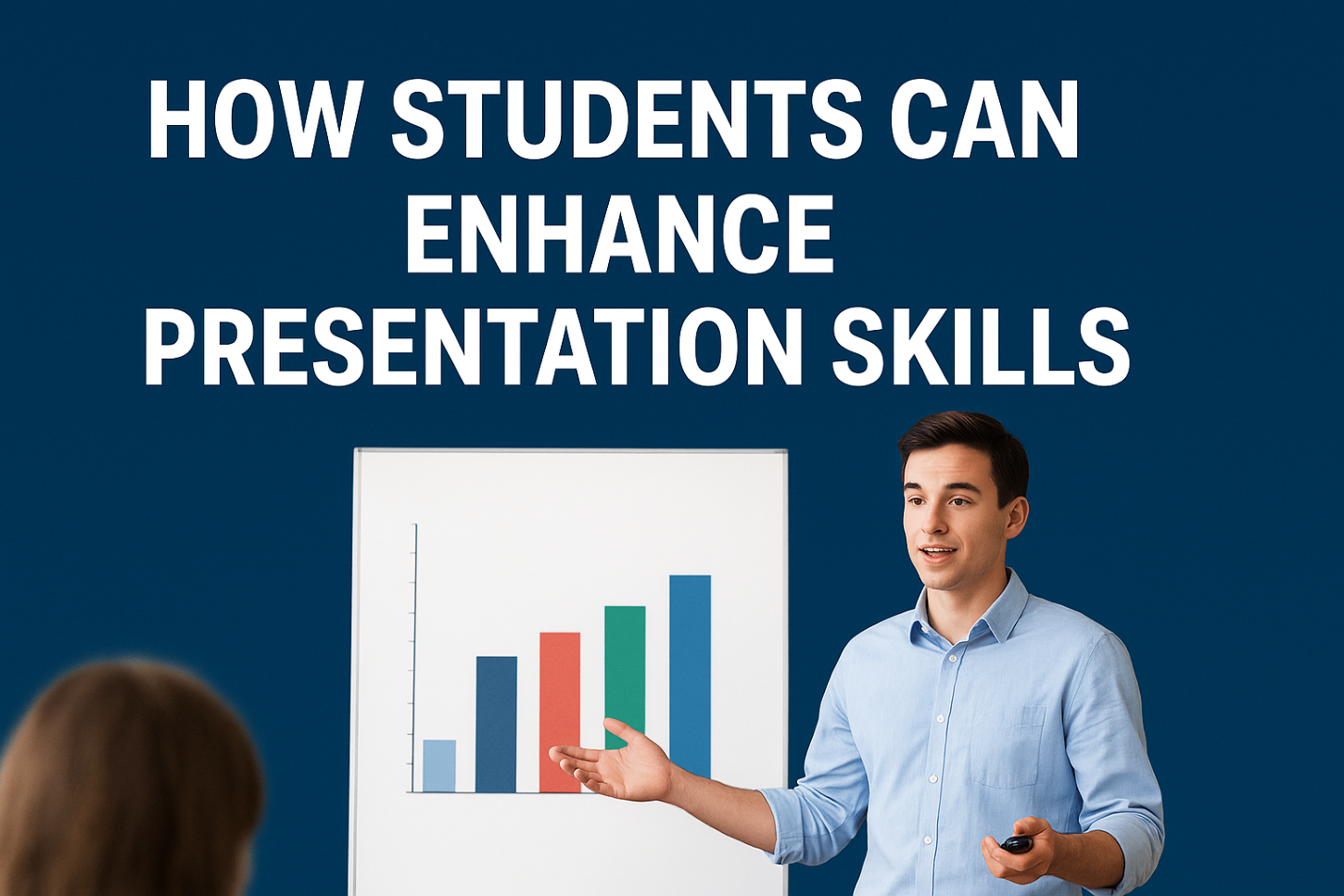
    How Students Can Enhance Presentation Skills

    In today’s fast-paced, communication-driven world, presentation skills have become an essential life skill. Whether you’re presenting a project in college, pitching an idea during an internship, or addressing an audience in your future career, the ability to communicate confidently and clearly can set you apart from the crowd.

    At cvDragon, we believe that mastering presentation skills is not just about speaking well — it’s about expressing your ideas with impact, connecting with your audience, and leaving a lasting impression. In this blog, we’ll explore why presentation skills matter, the common challenges students face, and practical strategies to enhance them.

    Why Presentation Skills Matter for Students

    Many students assume that presentation skills are only relevant for public speakers or marketing professionals. However, effective communication and presentation abilities are valuable in every field — from engineering to law, from business to design.

    Here’s why improving your presentation skills can be a game-changer:

    1. Boosts Confidence – Regularly practicing presentations helps students overcome stage fright and build self-assurance.

    2. Enhances Academic Performance – Many college assignments and evaluations include oral presentations or group projects that require strong delivery skills.

    3. Improves Employability – Employers seek candidates who can articulate ideas clearly, persuade effectively, and lead discussions — all of which are integral parts of good presentation skills.

    4. Builds Leadership and Communication – Strong presenters naturally develop leadership qualities as they learn to influence and engage others.

    In short, presentation skills go beyond the classroom — they prepare students for the real world.

    Common Challenges Students Face in Presentations

    Before diving into improvement techniques, let’s acknowledge the hurdles most students face when presenting:

    • Stage Fright: The fear of speaking in front of peers or professors can make even the best-prepared student stumble.

    • Lack of Structure: Many presentations fail because the speaker jumps from one idea to another without a clear flow.

    • Monotone Delivery: Reading directly from slides or notes can make the presentation dull and disengaging.

    • Poor Visual Aids: Overloaded slides, inconsistent fonts, and lack of visuals often distract rather than support the message.

    • Limited Practice: Confidence comes from rehearsal, but most students underestimate the power of preparation.

    The good news? Every one of these challenges can be overcome with focused effort, smart techniques, and consistent practice.

    Practical Tips to Enhance Presentation Skills

    Let’s explore some actionable strategies students can use to develop and refine their presentation skills.

    1. Understand Your Audience

    Every great presentation starts with knowing who you’re speaking to. Are they your professors? Peers? Industry professionals?

    Tailor your tone, content, and examples to match their level of understanding and interest. For instance, if you’re presenting a technical topic to non-technical listeners, simplify your terms and use analogies.

    At cvDragon, we always emphasize audience-first communication, as understanding your listeners helps you connect and engage effectively.

    2. Structure Your Presentation Clearly

    A well-structured presentation keeps your audience hooked. Use the classic “Tell them what you’re going to tell them, tell them, and then tell them what you told them” approach.

    Here’s a simple structure:

    • Introduction: Start with a hook — a question, a quote, or a surprising fact. Introduce your topic and why it matters.

    • Body: Divide your key points into 3–4 sections. Use examples, stories, or visuals to support each point.

    • Conclusion: Summarize your message and end with a strong takeaway or call-to-action.

    Remember: clarity beats complexity. The goal is not to impress with jargon but to express with simplicity.

    3. Use Visuals Wisely

    Slides and visuals should complement your speech, not replace it. Avoid text-heavy slides — instead, use images, infographics, charts, or minimal text to emphasize key ideas.

    Follow the “6×6 rule”: no more than 6 words per line and 6 lines per slide.
    Choose readable fonts, consistent colors, and relevant visuals that make your content more appealing.

    Tools like Canva, PowerPoint, and Google Slides offer pre-made templates that can help you design professional, engaging presentations easily.

    4. Practice, Record, and Refine

    Practice isn’t just about memorizing lines — it’s about refining your delivery. Rehearse aloud, time yourself, and even record your practice sessions.

    Watching your own recording helps you identify areas for improvement — like body language, filler words (“um,” “like,” “you know”), or pacing issues.

    Try practicing in front of a mirror, or better yet, with friends who can provide constructive feedback.

    At cvDragon, we encourage students to use mock presentations to simulate real scenarios. This helps build confidence and reduce nervousness before the actual day.

    5. Focus on Body Language and Eye Contact

    Your body speaks louder than words. Maintain an open posture, avoid crossing your arms, and use hand gestures to emphasize points naturally.

    Make eye contact with different people in the audience — it creates connection and shows confidence. Move around slightly to keep energy flowing but avoid pacing nervously.

    Smile genuinely — it relaxes you and makes the audience more receptive.

    6. Manage Nervousness with Breathing Techniques

    Even experienced speakers feel nervous before presenting. The trick is not to eliminate anxiety but to manage it.

    Before stepping on stage:

    • Take deep breaths to calm your nerves.

    • Visualize a successful presentation.

    • Focus on your message, not on yourself.

    Remember: your audience wants you to succeed — they’re not judging every mistake. A little nervous energy can even make your presentation more dynamic and passionate.

    7. Engage Your Audience

    A presentation is not a monologue — it’s a conversation. Involve your audience through:

    • Questions (“How many of you have experienced this?”)

    • Short polls or activities

    • Real-life examples or stories they can relate to

    Engagement not only makes your presentation memorable but also eases your own tension as you connect with listeners.

    8. Develop Your Own Speaking Style

    Don’t try to imitate others — authenticity resonates. Observe great speakers, but adapt their techniques to your personality.

    Whether you’re humorous, calm, or passionate — embrace your natural style. Confidence grows when you stay true to who you are.

    9. Seek Feedback and Learn Continuously

    After every presentation, ask for feedback from professors or peers. What worked well? What can you improve?

    Take notes and apply them next time. Growth is a continuous process, and every presentation is a step toward mastery.

    You can also watch TED Talks or YouTube presentations to learn storytelling techniques, tone modulation, and stage presence.

    10. Leverage Technology

    In today’s digital age, students can enhance presentations through tech-driven tools:

    • Interactive slides with Mentimeter or Prezi

    • AI-based speech practice apps for pacing and pronunciation

    • Online presentation platforms for virtual seminars or webinars

    At cvDragon, we encourage students to explore such tools as part of their professional development journey. They not only enhance presentations but also showcase tech-savvy skills to employers.

    How cvDragon Helps Students Improve Communication and Presentation Skills

    At cvDragon, we empower students to build not only impressive resumes but also essential career skills. Our platform provides guidance and tools to help students present themselves professionally — whether in resumes, interviews, or real-world communication scenarios.

    By enhancing your presentation and communication skills, you’re not just improving academic performance — you’re shaping your personal brand. And that’s what cvDragon is all about: helping students stand out with confidence.

    Final Thoughts

    Effective presentation skills can transform how you express yourself — in class, at work, and beyond. It’s not about being perfect; it’s about being prepared, passionate, and authentic.

    So, take every opportunity to speak, present, and share your ideas. The more you do it, the better you’ll get. Remember, even the greatest speakers started with shaky hands and nervous voices — but they kept practicing until confidence became second nature.

    At cvDragon, we’re here to support you every step of the way — from building your profile to mastering your presence. Because when you present well, you don’t just share information — you inspire.