Category: Articles

  • Top Online Courses for Student Skill Development: Preparing the Next-Gen Workforce

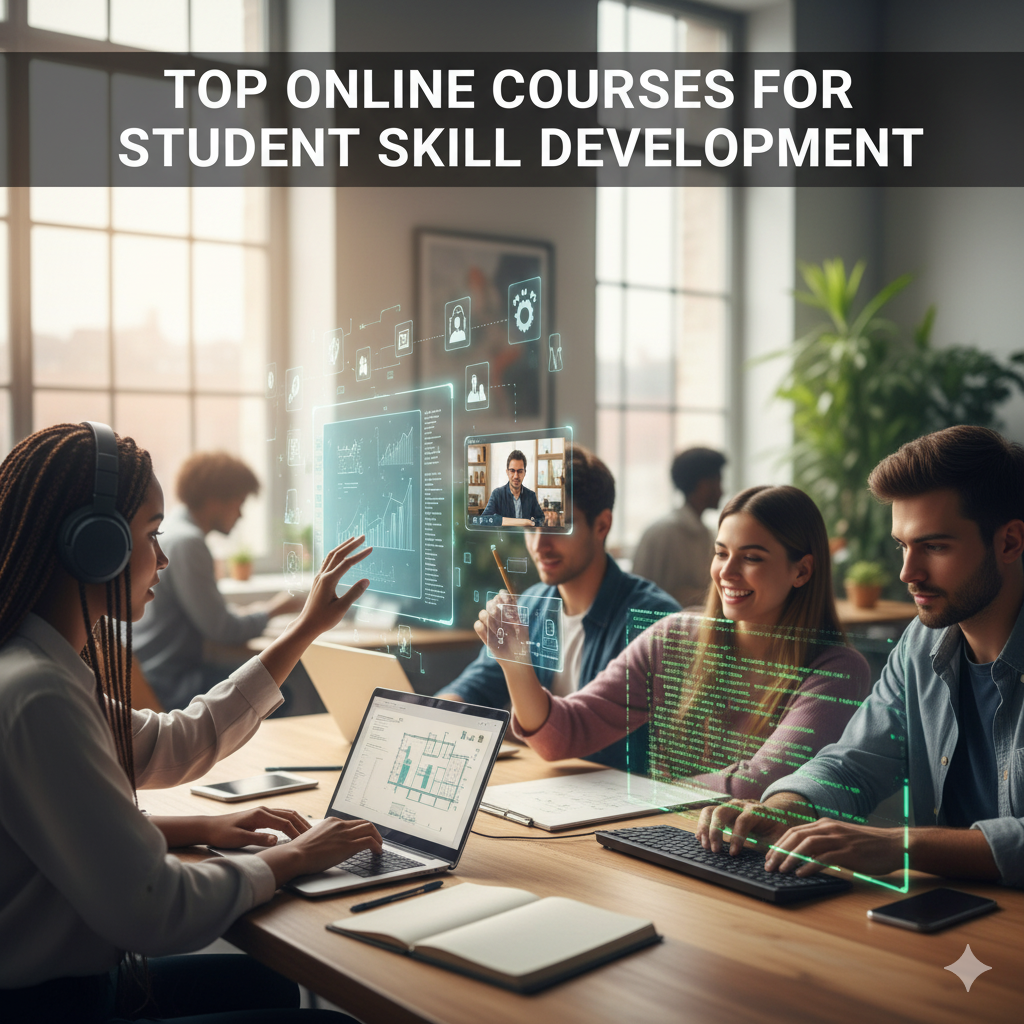
    Top Online Courses for Student Skill Development: Preparing the Next-Gen Workforce

    The world is moving fast, and so are the skills required to succeed in it. Today’s students face increasing competition—not just academically, but also in terms of practical abilities and industry readiness. Employers are no longer looking only for degrees; they want individuals who can think critically, communicate effectively, and adapt to evolving technologies.

    This is why online courses have become one of the most powerful tools for student skill development. They provide a flexible, affordable, and accessible way to build real-world skills from anywhere. At cvDragon, we believe that the right online training can transform a student’s confidence, employability, and professional future.

    Why Online Courses Are Essential for Students Today

    Online learning has become more than a trend—it’s a necessity. The digital era demands skills that traditional education often doesn’t cover deeply.

    Here’s why online courses matter:

    1. Highly Flexible and Self-Paced

    Students can learn at their convenience, balancing classes, internships, and personal commitments.

    2. Access to Global Knowledge

    Online platforms provide world-class content created by top instructors, industry experts, and global universities.

    3. Cost-Effective Learning

    Many courses are affordable, and some are even free—making skill development available to all.

    4. Practical, Career-Oriented Skills

    Unlike traditional textbooks, online courses often focus on hands-on, real-world applications.

    5. Builds Competitive Advantage

    Students who learn additional skills stand out in the job market and improve their chances of landing internships or placements.

    Top Online Courses Every Student Should Consider

    Below are some of the most valuable online courses that help students develop in-demand skills and boost their confidence.

    1. Communication and Public Speaking Courses

    Strong communication skills are essential in every career. These courses help students speak confidently, present ideas clearly, and engage effectively with others.

    What students learn:

    • Public speaking techniques

    • Effective communication styles

    • Negotiation and persuasion

    • Presentation design

    Why it matters: Clear communication sets students apart in interviews, group discussions, and workplace interactions.

    2. Digital Marketing Courses

    In a world driven by social media and online branding, digital marketing skills are highly in demand.

    What students learn:

    • Social media marketing

    • SEO (Search Engine Optimization)

    • Email marketing

    • Content creation

    • Analytics and ads

    Why it matters: These skills are useful for startups, freelance work, personal branding, and corporate jobs.

    3. Data Analytics and Excel Courses

    Data drives decision-making in almost every field. Learning analytics helps students interpret information and solve problems logically.

    What students learn:

    • Data visualization

    • Excel formulas and dashboards

    • Basic statistics

    • SQL and data tools

    Why it matters: Beginners and non-technical students can start easily, and these skills boost employability across industries.

    4. Programming and Coding Courses

    Coding is no longer just for IT students—it’s becoming a universal skill.

    Popular beginner-friendly courses:

    • Python

    • JavaScript

    • Web development

    • App development

    Why it matters: Coding teaches logical thinking, problem-solving, and creativity. It also opens the door to high-growth career options.

    5. Graphic Design and Creativity Tools

    Visual communication is vital in the digital world. Graphic design courses help students build creativity and design skills.

    What students learn:

    • Canva, Photoshop, Illustrator

    • Branding and color theory

    • UI/UX basics

    • Visual storytelling

    Why it matters: These skills support freelance work, content creation, and marketing roles.

    6. Soft Skills and Personality Development Courses

    Technical skills matter, but soft skills build strong, confident personalities.

    Useful soft-skill modules:

    • Leadership

    • Teamwork

    • Emotional intelligence

    • Time management

    • Critical thinking

    Why it matters: Soft skills improve professional behavior and help students perform well in interviews and workplace situations.

    7. Entrepreneurship and Business Courses

    Many students dream of starting their own ventures. Entrepreneurship courses show them how to turn ideas into reality.

    What students learn:

    • Business planning

    • Finance basics

    • Startup strategies

    • Market research

    Why it matters: These courses help students develop a problem-solving mindset and entrepreneurial confidence.

    8. Career Development and Resume-Building Courses

    A strong resume and job profile improves a student’s chances of getting noticed by recruiters.

    What students learn:

    • Resume writing

    • LinkedIn optimization

    • Interview skills

    • Workplace etiquette

    Why it matters: These courses prepare students for placements and help them present their strengths effectively.

    How cvDragon Supports Students in Skill Development

    At cvDragon, we understand that skill development goes hand-in-hand with career growth. Our platform helps students not only learn new abilities but also showcase them effectively.

    Here’s how cvDragon empowers learners:

    1. Resume and Profile Building

    We help students create professional, ATS-friendly resumes that highlight their skills and strengths.

    2. Skill-Based Templates

    Students can easily present certifications and online courses using our industry-aligned templates.

    3. Career Guidance

    Our platform provides insights, tips, and suggestions to help learners choose the right courses and career paths.

    4. Practical, Growth-Focused Approach

    Every resource is designed to help students become confident, job-ready, and industry-prepared.

    Choosing the Right Courses: Tips for Students

    Before enrolling in any online course, students should:

    • Identify their career goals

    • Choose a reliable learning platform

    • Check reviews and course content

    • Look for hands-on projects

    • Ensure the course adds real value to their resume

    The right course should not just provide knowledge—it should help students grow professionally and personally.

    Conclusion: Online Courses Are the Gateway to Future Success

    In today’s world, skill development is a continuous journey. Online courses allow students to learn anytime, anywhere, empowering them to stay ahead, build confidence, and achieve their career goals.

    At cvDragon, we encourage every student to embrace learning opportunities, enhance their profiles, and become the best versions of themselves. With the right skills and guidance, the future holds unlimited possibilities.
  • The Role of Mindfulness in Student Productivity

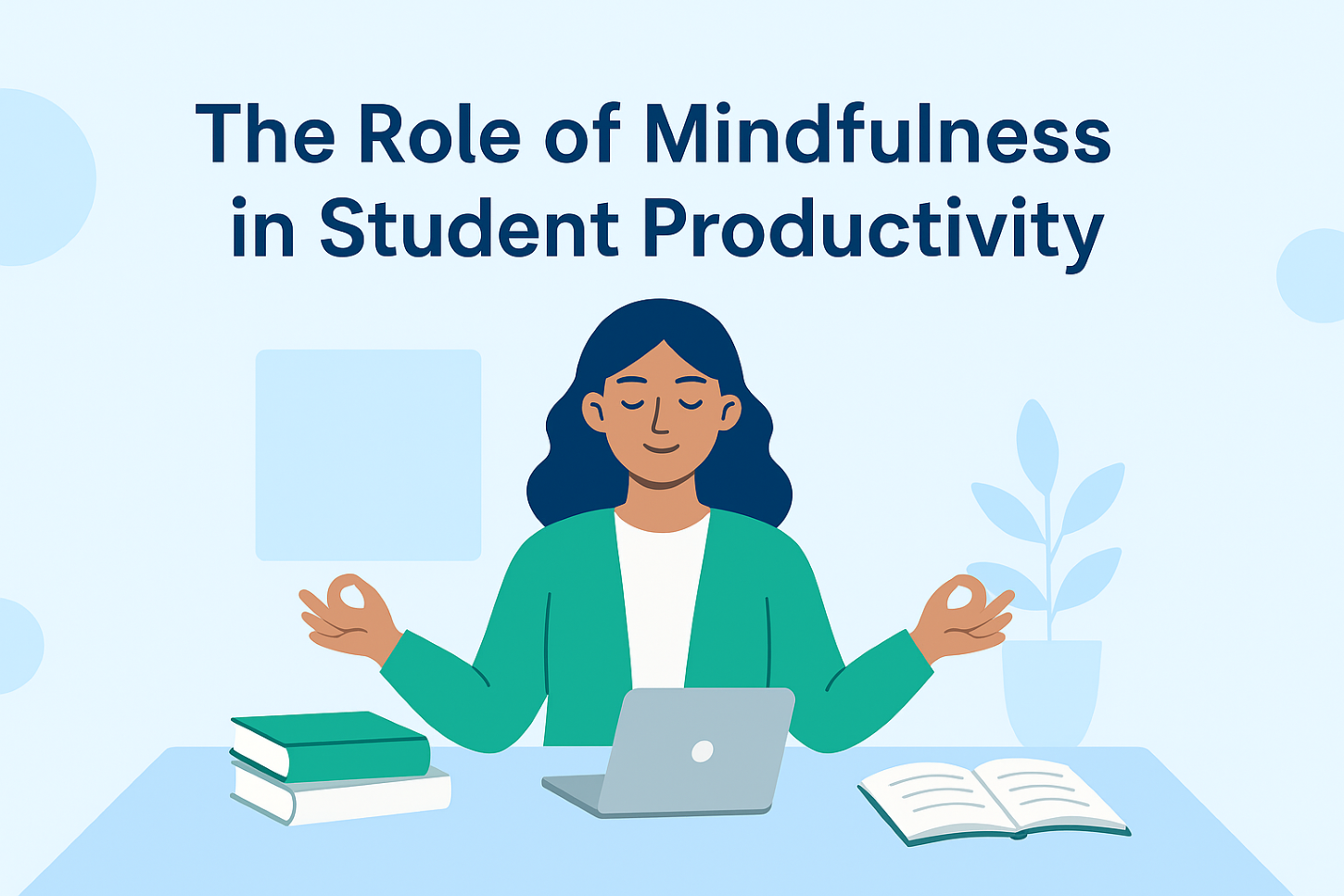
    The Role of Mindfulness in Student Productivity

    In today’s fast-paced academic world, students are under constant pressure to perform well, manage deadlines, and juggle multiple responsibilities. With increasing distractions—especially from technology—maintaining focus and productivity has become a major challenge.

    This is where mindfulness steps in as a powerful solution. At cvDragon, we believe that mindfulness is not just a wellness trend—it’s a scientifically proven practice that helps students achieve better focus, emotional balance, and academic success.

    Let’s explore how mindfulness plays a vital role in enhancing student productivity and how you can apply it in daily life.

    What Is Mindfulness?

    Mindfulness means being fully present in the moment—aware of your thoughts, feelings, surroundings, and actions without judgment. It’s the art of focusing your attention deliberately rather than letting it wander.

    For students, mindfulness can mean paying attention during lectures, managing stress before exams, or staying calm while handling academic challenges.

    It’s about training your mind to respond consciously instead of reacting impulsively.

    The Science Behind Mindfulness and Productivity

    Several studies have shown that mindfulness directly impacts the brain’s prefrontal cortex, which governs attention, decision-making, and emotional regulation. Regular mindfulness practice:

    • Improves concentration and cognitive performance.

    • Reduces anxiety and stress, leading to clearer thinking.

    • Enhances memory and learning capacity.

    • Promotes better sleep and overall well-being.

    By practicing mindfulness, students can rewire their brains for greater focus, discipline, and productivity—skills that are essential for academic success and beyond.

    1. Mindfulness Enhances Focus and Concentration

    Distractions are everywhere—social media, notifications, multitasking—all of which reduce attention span and quality of work. Mindfulness trains students to recognize distractions and bring their attention back to the task at hand.

    For instance, mindful studying means dedicating undivided attention to learning materials, avoiding multitasking, and being aware of when the mind starts to wander.

    Example Practice:
    Try the “Pomodoro + Mindfulness” technique—study for 25 minutes, then take a 5-minute break to focus on your breathing or surroundings. This helps refresh your mind while maintaining high productivity levels.

    At cvDragon, we encourage students to include mindful techniques in their daily routines to improve concentration and manage academic tasks more efficiently.

    2. Reduces Stress and Exam Anxiety

    Exams, presentations, and deadlines often trigger stress and anxiety among students. Chronic stress not only affects performance but also impacts mental and physical health.

    Mindfulness helps by teaching students to observe their thoughts without being overwhelmed by them. Through deep breathing or meditation, they learn to remain calm under pressure and approach challenges with clarity.

    Example Practice:
    Before an exam or presentation, take five slow breaths, focusing on each inhale and exhale. This simple act can lower your heart rate and bring mental stability, helping you perform better.

    cvDragon’s Insight:
    We’ve seen that students who integrate mindfulness techniques report higher confidence and reduced stress levels, especially during peak academic seasons.

    3. Improves Time Management

    Time management is a cornerstone of student productivity. Often, students struggle to prioritize tasks or underestimate how much time assignments will take.

    Mindfulness helps by increasing self-awareness—students become more conscious of how they spend their time and how their habits impact performance. When you’re mindful, you can identify unproductive behaviors (like procrastination) and replace them with focused actions.

    Example Practice:
    Start your day with a mindful planning ritual—take five minutes to review your to-do list, visualize completing each task, and commit to being fully present throughout the day.

    At cvDragon, we emphasize that mindful time management not only improves productivity but also creates a more balanced academic lifestyle.

    4. Boosts Emotional Intelligence and Resilience

    Mindfulness teaches students to understand their emotions and respond thoughtfully. When facing academic setbacks—like low grades or criticism—mindful students are less likely to react with frustration or self-doubt.

    Instead, they approach problems with resilience and self-compassion, allowing them to learn and improve without harsh self-judgment.

    Example Practice:
    End your day with a gratitude reflection—write down three positive experiences or lessons learned. This builds optimism and emotional balance, key traits for academic and personal growth.

    5. Encourages Better Decision-Making

    A cluttered or anxious mind often leads to impulsive decisions. Mindfulness clears mental fog and helps students make rational, intentional choices—whether it’s managing priorities, choosing study partners, or planning careers.

    By practicing mindfulness, students develop patience and clarity, allowing them to align their actions with long-term goals rather than short-term impulses.

    cvDragon’s Approach:
    Our career and education guidance platform integrates personal development tools that encourage mindful self-reflection, helping students make confident, purpose-driven choices for their future.

    6. Improves Overall Well-Being and Academic Performance

    Ultimately, mindfulness enhances not only productivity but also overall mental, emotional, and physical well-being. Students who practice mindfulness experience:

    • Better sleep and relaxation.

    • Improved relationships with peers and teachers.

    • Higher motivation and engagement in academics.

    A healthy, balanced mind naturally performs better. When students learn to manage stress, focus effectively, and maintain emotional stability, productivity becomes a byproduct of their well-being.

    Practical Mindfulness Techniques for Students

    Here are some simple ways students can incorporate mindfulness into their daily lives:

    1. Mindful Breathing: Take a few minutes each day to focus solely on your breath. This anchors your mind and reduces stress.

    2. Meditation: Dedicate 10 minutes daily to quiet reflection or guided meditation. Apps like Calm or Headspace can help.

    3. Mindful Studying: Study with full attention—no distractions, no multitasking.

    4. Digital Detox: Schedule device-free hours during study or rest time.

    5. Mindful Walking: Take short walks between study sessions, observing your surroundings.

    6. Journaling: Write down your thoughts, feelings, and gratitude daily to stay self-aware and positive.

    Even five minutes of mindfulness practice can make a significant difference in focus and mental clarity.

    Conclusion

    Mindfulness is more than a relaxation technique—it’s a powerful productivity tool for students. By cultivating awareness, focus, and emotional balance, mindfulness empowers students to study smarter, handle stress gracefully, and achieve their academic goals with confidence.

    At cvDragon, we believe true success begins with a balanced mind. By integrating mindfulness into daily routines, students can unlock their full potential—both in academics and in life.

    Start small, stay consistent, and let mindfulness guide you toward a more focused, productive, and fulfilling educational journey.

  • How Students Can Learn Decision-Making Skills

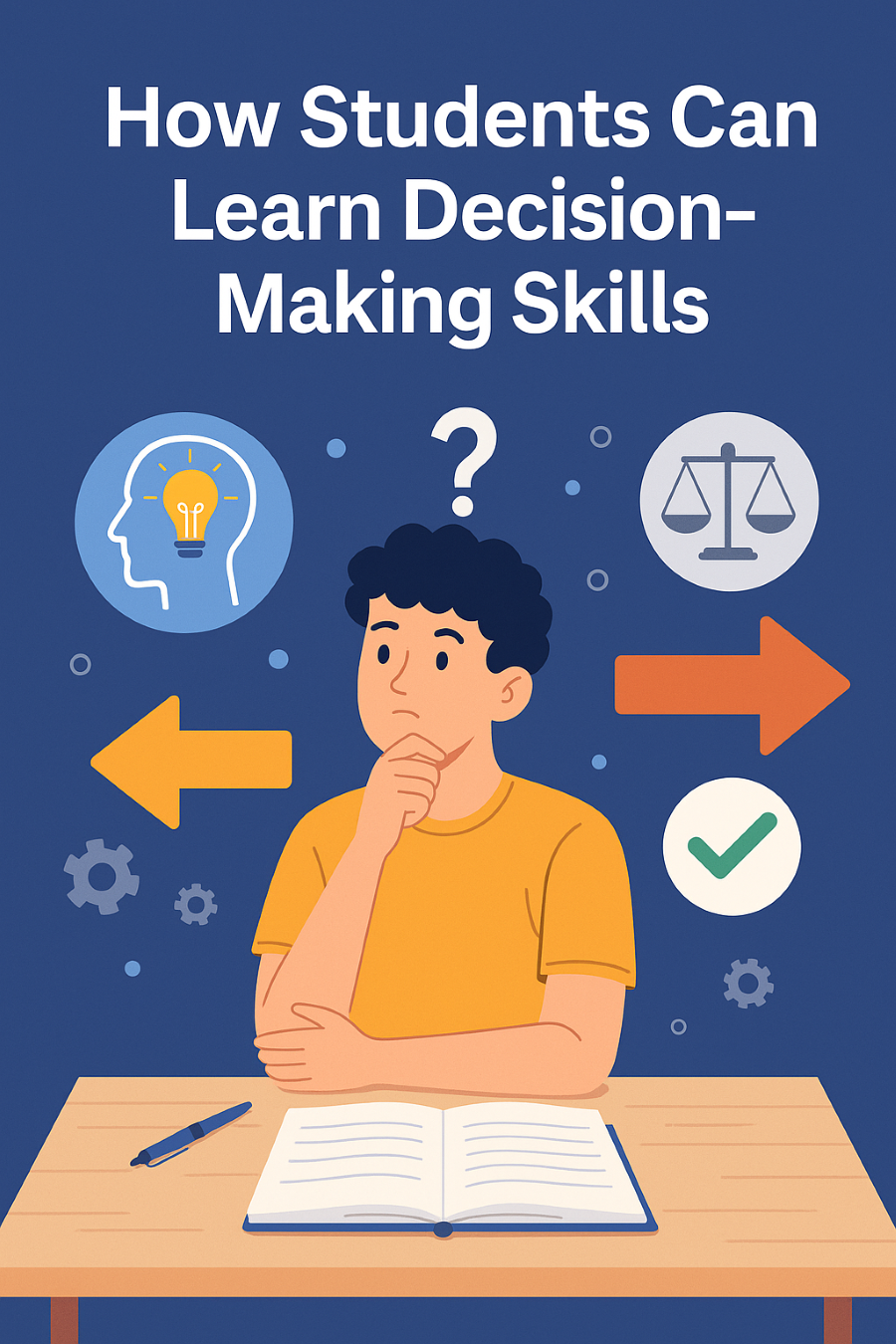
    How Students Can Learn Decision-Making Skills

    In today’s fast-paced and uncertain world, decision-making has become one of the most critical life skills for students. Every day, students face choices—what subjects to study, how to manage time, which career path to pursue, or how to handle peer pressure. While some decisions may seem small, each one builds the foundation for future success.

    At cvDragon, we believe that learning to make sound decisions is not about perfection—it’s about developing clarity, confidence, and critical thinking. Decision-making is not an innate ability; it’s a skill that can be learned, practiced, and mastered. In this article, we explore how students can develop effective decision-making skills and apply them in both academic and real-life situations.

    1. Understand What Decision-Making Really Means

    Decision-making is the process of choosing the best possible option from available alternatives. It’s not just about making quick judgments—it involves analyzing situations, understanding consequences, and evaluating options logically and emotionally.

    For students, decision-making goes beyond academics. It involves choices that shape personality, values, and future goals. For instance:

    • Choosing the right stream after high school (Commerce, Science, Arts).

    • Deciding whether to pursue higher studies or work experience.

    • Balancing studies with extracurricular activities.

    Understanding the importance of thoughtful decision-making helps students take ownership of their actions and outcomes—an essential quality for leadership and personal growth.

    2. Develop Self-Awareness

    Good decisions start with self-awareness. Students must first understand their strengths, weaknesses, interests, and values.

    Self-awareness acts as a compass—it helps students identify what truly matters to them instead of being influenced by others.

    Here’s how students can build it:

    • Self-reflection: Take time to think about what excites or motivates you.

    • Journaling: Write about your thoughts, feelings, and daily decisions to understand patterns.

    • Feedback: Ask teachers or friends for honest opinions about your abilities and behavior.

    At cvDragon, we often emphasize personality assessments and skill analysis, as they give students clarity on what aligns best with their natural potential. The more aware you are of yourself, the better your decisions will be.

    3. Learn to Gather and Evaluate Information

    Before making any decision, information is power. Students should learn to research, analyze, and compare options before coming to a conclusion.

    For example, if a student is choosing between pursuing an MBA or preparing for government exams, they must:

    • Gather details about eligibility, scope, and job opportunities.

    • Analyze long-term benefits and risks.

    • Compare based on personal interest, financial situation, and time commitment.

    Critical thinking plays a huge role here. Students should always ask themselves:

    • “What are the pros and cons of this choice?”

    • “What evidence supports my decision?”

    • “Am I considering emotional impulses or logical facts?”

    Making informed decisions builds confidence and reduces regret later.

    4. Practice Problem-Solving

    Every decision involves solving a problem—be it time management, career selection, or academic challenges. Students who learn structured problem-solving can make better decisions faster.

    Here’s a simple 4-step approach students can use:

    1. Identify the problem – Understand what decision needs to be made.

    2. List possible options – Brainstorm multiple alternatives.

    3. Evaluate consequences – Analyze the outcomes of each option.

    4. Choose and act – Select the most beneficial and feasible choice.

    Practicing this approach on small, everyday matters—like prioritizing assignments or managing social time—helps students strengthen their decision-making “muscles.”

    5. Manage Emotions Wisely

    Emotions can both empower and mislead decision-making. While enthusiasm and passion inspire bold choices, fear and stress may lead to poor ones.

    Students must learn emotional intelligence (EQ)—the ability to recognize and manage emotions before making choices.

    Tips to enhance emotional balance:

    • Take a break before deciding when angry or upset.

    • Meditate or practice deep breathing to stay calm under pressure.

    • Discuss concerns with trusted mentors or family.

    At cvDragon, we believe that emotionally intelligent students make not only smart decisions but also empathetic ones—an essential quality for personal and professional success.

    6. Learn from Real-Life Examples

    One of the best ways to learn decision-making is through real-world observation. Students can analyze how leaders, entrepreneurs, or historical figures made their decisions—and the lessons behind them.

    For example:

    • How did Steve Jobs decide to drop out and start Apple?

    • How did Mahatma Gandhi’s decisions shape India’s independence movement?

    • What do entrepreneurs consider before investing in a startup?

    Discussing such cases in classrooms or group projects encourages analytical thinking and moral reasoning. Students learn that every great decision requires vision, risk-taking, and resilience.

    7. Take Small, Everyday Decisions Seriously

    Decision-making is like a muscle—the more you use it, the stronger it becomes. Small choices made daily—like managing time, handling distractions, or choosing priorities—build decision-making habits.

    For instance:

    • Choosing to study for 30 minutes instead of scrolling social media.

    • Deciding to attend a workshop instead of skipping it.

    • Saying “no” to peer pressure when it goes against your values.

    Each small decision contributes to self-discipline, confidence, and accountability—qualities that prepare students for bigger life choices ahead.

    8. Accept Mistakes and Learn from Them

    Even the smartest people make wrong decisions sometimes—and that’s okay. Mistakes are opportunities for growth.

    Students must understand that poor decisions don’t define them; how they respond and learn from them does.

    Whenever a decision doesn’t go as planned:

    • Reflect on what went wrong.

    • Identify what could have been done differently.

    • Use the experience to improve future decisions.

    At cvDragon, we encourage students to maintain a “learning mindset.” Every experience—good or bad—adds wisdom. Over time, this reflection leads to better choices and greater maturity.

    9. Seek Guidance and Mentorship

    Sometimes, students hesitate to seek advice because they fear appearing indecisive. However, consulting others doesn’t mean weakness—it means wisdom.

    Mentors, teachers, parents, and career counselors can offer valuable perspectives that students might overlook.

    To make the most of mentorship:

    • Be open about your doubts and goals.

    • Ask specific questions about options and outcomes.

    • Weigh the advice against your own reasoning.

    At cvDragon, we guide students in understanding themselves through mentorship and skill-based evaluation, helping them make confident career and life decisions.

    10. Develop Long-Term Thinking

    Many students make decisions based on short-term comfort—like choosing an easier subject or avoiding a challenging task. However, long-term thinking teaches them to look beyond immediate gratification.

    Ask questions such as:

    • “Where do I see myself in five years?”

    • “Will this choice help me reach my future goals?”

    • “Is this decision aligned with my values?”

    Building this long-term vision helps students make purpose-driven choices, not impulsive ones.

    Conclusion: Decision-Making is the Key to Growth

    In a world full of distractions and uncertainty, decision-making is more than a skill—it’s a life compass. Students who can think critically, stay calm, and act confidently are better prepared to face academic challenges, career paths, and personal hurdles.

    At cvDragon, our mission is to empower students with the right mindset and skills for making informed decisions that shape brighter futures. We help learners analyze their strengths, explore options, and make choices that lead to growth, confidence, and success.

    Remember—every decision you make today shapes the person you’ll become tomorrow. So, think wisely, act confidently, and keep learning from every step of your journey.

  • Untitled post 86

    In an age driven by innovation, creativity is no longer a “nice-to-have” skill — it’s a necessity. From problem-solving to communication and emotional intelligence, creative thinking helps young learners navigate a rapidly changing world with confidence and adaptability.

    At CVDragon, we believe that creativity is not just about art or imagination — it’s about the ability to think differently, explore multiple perspectives, and find new ways to approach challenges. The earlier children develop creative thinking habits, the better prepared they are for academic success, personal growth, and future careers.

    In this article, we’ll explore what creative thinking means for young learners, why it’s crucial, and several proven techniques to cultivate it — both inside and outside the classroom.

    1. What Is Creative Thinking?

    Creative thinking is the ability to look at problems, ideas, or situations from a fresh perspective. It’s about connecting seemingly unrelated concepts to form something new.

    For young learners, creative thinking manifests as curiosity, exploration, imagination, and a willingness to take risks. It’s not limited to artistic skills — it extends to science, math, writing, technology, and even interpersonal relationships.

    In essence, creative thinking helps children question, imagine, experiment, and innovate — all essential skills for success in the 21st century.

    2. Why Creative Thinking Matters for Young Learners

    In a world where automation and AI handle routine tasks, creativity sets humans apart. Cultivating this skill early offers lifelong benefits:

    • Enhances problem-solving skills: Children learn to find multiple solutions rather than one fixed answer.

    • Improves academic performance: Creative learners engage more deeply and think critically about what they learn.

    • Builds emotional resilience: Thinking creatively helps kids handle failure as an opportunity to try again differently.

    • Encourages curiosity: It drives them to explore new subjects and develop a genuine love for learning.

    • Boosts collaboration: Creative activities often involve teamwork, helping learners share ideas and respect different perspectives.

    In short, creative thinking transforms education from memorization into meaningful exploration — empowering young minds to lead, adapt, and innovate.

    3. Creative Thinking Techniques for Young Learners

    Here are some effective and practical techniques educators and parents can use to encourage creativity in children.

    a) Brainstorming Games

    Brainstorming allows kids to think freely without fear of being “wrong.” Encourage them to generate as many ideas as possible, no matter how wild they seem.

    For example, ask:

    • “What can we do with a paperclip besides clip paper?”

    • “How many different ways can we use a spoon?”

    These simple prompts unlock imaginative thinking and encourage divergent thought — a crucial element of creativity.

    Tip: In group brainstorming sessions, emphasize that no idea is “silly.” Create an environment of openness and laughter to help kids share freely.

    b) Mind Mapping

    Mind mapping helps children visually connect ideas. Start with a central concept — say, “rainforest” — and branch out into related ideas like “animals,” “plants,” “weather,” and “conservation.”

    This technique teaches children to see relationships between ideas, improving both their creativity and memory retention.

    Digital tools like Canva or MindMeister can make this activity even more engaging, but even a simple notebook and colored pencils work beautifully.

    c) Role-Playing and Storytelling

    Nothing sparks imagination like stepping into someone else’s shoes. Role-playing games allow children to explore different characters, emotions, and scenarios.

    For instance:

    • Act out what it’s like to be an astronaut discovering a new planet.

    • Imagine being a teacher, a chef, or a scientist for a day.

    Storytelling builds empathy and perspective-taking, while also enhancing language skills and confidence.

    Encourage children to create their own endings or “plot twists” — this fosters flexibility in thinking and a sense of ownership in their ideas.

    d) “What If” Scenarios

    This simple yet powerful question fuels imagination: “What if?”

    Ask things like:

    • “What if humans could talk to animals?”

    • “What if school was on the moon?”

    • “What if cars could swim instead of drive?”

    These thought experiments train kids to think beyond boundaries. They also teach cause-and-effect reasoning — linking imagination with logical analysis.

    e) Design Thinking Projects

    Design Thinking — the process of empathizing, defining, ideating, prototyping, and testing — is one of the most powerful frameworks for nurturing creativity.

    For young learners, this can be simplified into fun projects like:

    • “Design a better lunchbox.”

    • “Invent a new toy for your pet.”

    • “Solve a problem your school faces (like waste or noise).”

    Through this hands-on approach, children learn to analyze problems, generate solutions, and refine ideas — developing critical and creative thinking simultaneously.

    f) Art Integration in Learning

    Art-based learning goes beyond drawing or painting — it’s about integrating creativity into all subjects.

    For example:

    • In science, ask children to draw how they imagine atoms look.

    • In math, create stories around numbers or patterns.

    • In social studies, build a 3D model of a historical landmark.

    Art makes abstract concepts tangible and helps visual learners grasp complex ideas faster.

    g) Encouraging Curiosity and Questioning

    The foundation of creativity is curiosity. Instead of rushing to provide answers, encourage children to ask more questions.

    When a child asks, “Why is the sky blue?” respond with, “That’s an interesting question! What do you think?”

    This approach turns learning into an exploration rather than a lecture. It empowers children to seek their own answers, nurturing both confidence and curiosity.

    h) Journaling and Reflection

    A creative journal can be a treasure trove for young minds. Encourage kids to jot down ideas, doodles, dreams, or daily reflections.

    Journaling helps them process thoughts, recognize patterns, and document imaginative ideas. Over time, it strengthens self-expression and emotional awareness — both essential components of creativity.

    i) Outdoor Exploration

    Nature is the greatest classroom of all. Outdoor activities stimulate all the senses and inspire curiosity.

    Encourage learners to:

    • Collect leaves and classify them.

    • Sketch insects or clouds.

    • Observe patterns in trees, stones, or animal behavior.

    These activities promote observation, analysis, and wonder — vital building blocks of creativity.

    j) Collaborative Projects

    Working together fosters idea exchange and innovation. Assign group activities that require creative collaboration, like building a mini bridge, writing a group story, or organizing a mock “innovation fair.”

    Through teamwork, children learn communication, leadership, compromise, and creative problem-solving — life skills that go far beyond the classroom.

    4. The Role of Educators and Parents

    Fostering creativity isn’t about forcing children to “think creatively.” It’s about creating environments that make creative thinking natural.

    Here’s how educators and parents can play a role:

    • Encourage exploration: Give children the freedom to experiment without fear of mistakes.

    • Provide open-ended materials: Blocks, clay, paper, and recyclable items spark imagination.

    • Celebrate effort, not just outcomes: Praise the process of thinking, not only the final result.

    • Model curiosity: When adults stay curious and open-minded, children mirror that behavior.

    • Limit screen time: Balance digital engagement with hands-on creative activities.

    The goal isn’t perfection — it’s progress. Every small creative effort strengthens the child’s confidence and curiosity.

    5. Creativity in the Digital Era

    While technology often gets blamed for reducing creativity, it can also enhance it when used wisely.

    Digital tools like coding platforms, online art studios, and virtual simulations help learners experiment with design, storytelling, and invention. However, balance is key — combining tech-based creativity with real-world exploration ensures a holistic creative mindset.

    At CVDragon, we encourage blending both — using technology as a tool for imagination, not a replacement for it.

    6. Building a Future of Creative Thinkers

    Today’s young learners are tomorrow’s innovators, entrepreneurs, and leaders. By nurturing creative thinking early, we’re helping them build a mindset that embraces uncertainty, values curiosity, and thrives on innovation.

    As education evolves, creativity will remain at the heart of human progress. It’s what fuels discovery, empathy, and transformation.

    At CVDragon, we’re committed to helping students develop not just academic skills but also the creative confidence to shape a brighter future.

    Because creativity doesn’t just prepare children for the world — it empowers them to change it.

    CVDragon – Empowering Young Minds to Think, Create, and Lead.

  • How Students Can Improve Writing Skills

    How Students Can Improve Writing Skills

    In today’s world, communication is everything — and at the heart of good communication lies strong writing skills. Whether you’re a student writing essays, preparing for exams, or building your professional resume, the ability to express your thoughts clearly and persuasively can set you apart.

    At cvDragon, we’ve helped thousands of students build professional resumes and develop key communication skills that make them career-ready. One thing we’ve learned is that great writing isn’t a gift — it’s a skill. And like any skill, it can be learned, practiced, and mastered with the right approach.

    In this article, we’ll explore how students can improve their writing skills and turn words into a powerful tool for success.

    Why Writing Skills Matter for Students

    Writing is more than just putting words on paper — it’s how you think, learn, and connect with the world.

    Strong writing skills help you:

    • Perform better academically, from essays to exams and research projects.

    • Communicate ideas effectively, both in academic and professional settings.

    • Build confidence, by expressing opinions clearly and persuasively.

    • Create better resumes and cover letters, which are crucial in the job market.

    • Develop critical thinking, since writing requires structure and logic.

    In short, good writing skills are not only essential for success in education but also for building a professional identity.

    1. Read Regularly — The Foundation of Good Writing

    Great writers are almost always great readers. Reading helps you understand how ideas are structured, how arguments are built, and how language can be used creatively.

    Here’s how reading improves writing:

    • Expands vocabulary: The more words you encounter, the richer your language becomes.

    • Teaches sentence rhythm: You start to recognize how sentences flow naturally.

    • Shows structure and tone: You learn different writing styles — persuasive, narrative, academic, or creative.

    Try reading a mix of materials: books, essays, news articles, blogs, or even high-quality online journals. And don’t just read passively — analyze how writers express ideas and what makes their writing effective.

    2. Write Every Day — Practice Is Key

    Writing, like any other skill, improves with practice. You don’t need to write long essays every day — short journal entries, summaries, or reflections can make a huge difference.

    Here’s how you can start:

    • Keep a daily journal where you describe your thoughts or day.

    • Write short essays on topics you enjoy.

    • Summarize what you’ve learned in class.

    • Practice writing emails or formal messages.

    Over time, daily writing will make you more comfortable expressing your ideas clearly and confidently.

    At cvDragon, we encourage students to develop writing habits not just for academics, but also for career growth — like writing clear resumes, impactful LinkedIn summaries, and professional emails.

    3. Expand Your Vocabulary Naturally

    A strong vocabulary allows you to express ideas precisely. However, memorizing word lists isn’t effective unless you understand context.

    Here’s how to build vocabulary the smart way:

    • Learn new words from context while reading.

    • Keep a vocabulary journal — note down words, meanings, and examples.

    • Use flashcards or apps like Quizlet for quick revision.

    • Most importantly, use new words in your writing — that’s how they stick.

    Remember: good writing isn’t about using complex words, but about using the right words.

    4. Focus on Structure and Clarity

    A well-organized piece of writing is easier to read and understand. Whether it’s an essay, report, or even a social media caption, structure gives your writing purpose.

    Here’s a simple way to structure your writing:

    1. Introduction: Present your main idea or argument.

    2. Body: Explain or support your points with examples or evidence.

    3. Conclusion: Summarize your message and leave a lasting impression.

    Avoid long, confusing sentences. Instead, aim for clarity — each sentence should contribute to your main point.

    Pro Tip: Read your writing aloud. If it sounds awkward, simplify it. Good writing flows naturally, like conversation.

    5. Learn Grammar and Punctuation — The Backbone of Writing

    Grammar isn’t about memorizing rules — it’s about ensuring your message is understood. Even the best ideas lose impact if your writing is full of errors.

    Focus on these areas:

    • Subject-verb agreement

    • Tenses (past, present, future consistency)

    • Sentence fragments and run-ons

    • Correct punctuation (especially commas and semicolons)

    • Capitalization and spelling

    There are many tools like Grammarly or Hemingway Editor that can help you identify and correct mistakes. However, the goal should be to learn from them — not just fix them.

    6. Edit and Revise — Writing Is Rewriting

    The first draft is never perfect — and that’s okay. Professional writers know that great writing comes from editing and revising.

    After you finish writing:

    • Take a short break, then revisit your text with fresh eyes.

    • Check for grammar and clarity.

    • Remove unnecessary words or repetitive phrases.

    • Strengthen weak arguments with examples.

    • Ensure your tone matches the audience (formal, casual, academic, etc.).

    Editing helps you see your writing from a reader’s perspective — and that’s the key to improvement.

    7. Seek Feedback and Learn from It

    One of the fastest ways to improve is to let others read your work. Teachers, peers, or mentors can offer valuable insights you might miss.

    Ask for feedback on:

    • Clarity of your ideas

    • Grammar and word choice

    • Flow and tone

    • Engagement — does your writing hold attention?

    Don’t take criticism personally — use it constructively. Every piece of feedback is a step toward becoming a stronger writer.

    At cvDragon, we often remind students that feedback is part of growth. Whether it’s a resume draft or a writing sample, polishing it based on feedback makes all the difference.

    8. Use Writing Tools Wisely

    Today’s students have access to a wide range of digital tools that make writing easier and more effective.

    Some helpful ones include:

    • Grammarly: For grammar and punctuation checking.

    • Hemingway App: To simplify complex sentences.

    • Google Docs: For real-time collaboration and feedback.

    • Evernote or Notion: For organizing notes and writing ideas.

    These tools can save time, improve accuracy, and help you maintain consistency — especially when preparing academic or professional documents.

    9. Understand Your Audience and Purpose

    Good writing always considers the reader. Are you writing for a teacher, a recruiter, or a general audience online?

    Understanding your audience helps you:

    • Adjust tone and style (formal vs. conversational).

    • Choose appropriate vocabulary.

    • Structure content according to the reader’s expectations.

    For example:

    • Academic writing demands formality and evidence.

    • Resume writing requires clarity and results-oriented language.

    • Blog writing should feel engaging and relatable.

    At cvDragon, we help students tailor their resumes, essays, and profiles for specific audiences — ensuring every word counts.

    10. Stay Consistent and Track Progress

    Improvement doesn’t happen overnight. Writing is a continuous process — every essay, report, or even social media post you write contributes to growth.

    Set goals like:

    • Writing 200 words daily.

    • Learning five new words each week.

    • Editing one old piece of writing per week.

    Review your progress monthly. Compare older writings with new ones — you’ll be amazed at how much you’ve improved.

    11. Learn from Great Writers

    Finally, study how great writers express themselves. Read essays, blogs, or articles from respected sources. Notice how they:

    • Open with strong hooks.

    • Organize thoughts logically.

    • Use examples to strengthen points.

    • Maintain flow between paragraphs.

    You can also watch interviews or podcasts where authors discuss their writing process — it’s inspiring and educational.

    How cvDragon Helps Students Build Writing Confidence

    At cvDragon, we believe writing is one of the most valuable skills students can develop. Through our platform, we help students:

    • Create professional resumes and cover letters.

    • Learn to describe their achievements effectively.

    • Improve written communication for job and college applications.

    • Present themselves confidently in both academic and career settings.

    We combine technology and guidance to help every student express their unique potential — clearly, confidently, and professionally.

    Final Thoughts

    Improving writing skills is a journey — one that requires patience, curiosity, and consistency. Every word you write helps you grow, think critically, and communicate better.

    Start small, write often, and keep learning. Whether it’s an essay, an email, or your first resume, strong writing will always open new doors.

    At cvDragon, we’re here to guide you every step of the way — helping you transform your thoughts into impactful words that build your future.

  • The Role of Internships in Skill Development: Building Careers from the Ground Up

    The Role of Internships in Skill Development: Building Careers from the Ground Up

    In today’s competitive job market, having a degree is no longer enough to guarantee a successful career. Employers now look beyond academic qualifications — they seek practical experience, problem-solving ability, adaptability, and communication skills.

    That’s where internships play a transformative role.

    Internships bridge the gap between classroom learning and real-world application. They allow students and young professionals to explore their chosen fields, develop critical skills, and gain hands-on experience that sets them apart in the workforce.

    At CvDragon, we believe internships are more than just temporary work opportunities — they are launchpads for lifelong learning and career growth. Let’s explore how internships shape skill development, why they matter, and how students can make the most of them.


    🎓 1. The Importance of Internships in Today’s World

    Gone are the days when education alone could secure a dream job. Today, employers prioritize candidates who can apply their knowledge effectively in practical scenarios.

    Internships provide exactly that — a learning-by-doing experience that enhances both technical and soft skills. Whether it’s a marketing student managing social media campaigns or an engineering graduate working on real-time projects, internships turn theoretical understanding into tangible outcomes.

    They also help students discover what they truly enjoy. Many realize during internships whether their chosen field aligns with their passion and career goals — a priceless insight before stepping fully into the professional world.


    🧠 2. Bridging the Gap Between Education and Employment

    One of the biggest challenges faced by young graduates is the “experience paradox.”
    You need experience to get a job, but you need a job to gain experience.

    Internships solve this problem perfectly. They provide a platform for students to gain hands-on exposure to their industry while still in college or just after graduation.

    At CvDragon, we often remind students that internships act as the missing link between what they learn in textbooks and what employers expect in real-life work environments.

    Internships:

    • Teach workplace etiquette and teamwork
    • Build time management and problem-solving skills
    • Encourage adaptability in dynamic situations
    • Introduce professional communication and reporting styles

    This early exposure gives students a head starts in understanding how businesses function and how to thrive within them.


    💼 3. Skill Development Through Real-World Experience

    The true value of internships lies in the diverse skill set they help develop. Let’s explore the key areas where students grow the most:

    • Technical Skills

    Internships offer direct exposure to tools, software, and processes used in professional environments. For example:

    1. IT interns learn coding, testing, and debugging.
    2. Finance interns gain hands-on experience with accounting software.
    3. Marketing interns master digital tools like Google Ads, SEO, and social media analytics.

    These practical experiences make candidates industry-ready even before their first full-time role.


    • Soft Skills

    Beyond technical expertise, employers value soft skills such as:

    1. Communication
    2. Leadership
    3. Teamwork
    4. Problem-solving
    5. Adaptability

    Internships naturally nurture these qualities. When students collaborate on projects, interact with clients, and meet deadlines, they develop interpersonal and organizational skills that last a lifetime.


    • Professional Networking

    An internship opens doors to valuable professional connections. Interacting with mentors, managers, and peers helps build a network that can support future career growth.

    A positive impression during an internship can even lead to full-time employment offers — a common trend in many industries today.


    • Self-Confidence and Independence

    Stepping into a professional environment for the first time can be intimidating, but it’s also empowering. As interns tackle real tasks, make decisions, and see results, their confidence naturally grows.

    This self-assurance becomes a cornerstone of career success, helping them take initiative and face challenges fearlessly in the future.


    🚀 4. Internships as a Tool for Career Exploration

    Many students enter college unsure about their long-term career goals. Internships offer the perfect testing ground to explore different roles, industries, and work cultures before making major career decisions.

    A business student, for example, might intern with both a marketing agency and a financial firm — discovering which aligns better with their interests and strengths.

    At CvDragon, we encourage students to use internships as a career compass — guiding them toward professions that truly resonate with their passions and skills. It’s better to experiment early than realize later that you’ve chosen the wrong path.


    💬 5. The Employer’s Perspective: Why Interns Matter

    From an employer’s point of view, internships serve as a win-win opportunity.

    Interns bring fresh perspectives, enthusiasm, and innovation to the workplace. They often approach problems differently and are eager to learn — qualities that energize existing teams.

    Moreover, internships act as a talent pipeline for organizations. Employers get to evaluate interns in real working conditions, identifying potential future employees without the risk of a full-time commitment upfront.

    This not only saves recruitment costs but also ensures cultural fit and performance alignment before offering permanent positions.


    🧩 6. The Digital Shift: Virtual Internships and Online Skill Building

    The world has changed dramatically in the past few years, and so has the internship landscape. The rise of remote and virtual internships has expanded opportunities beyond geographical limits.

    Students can now work for global companies, gain international exposure, and learn digital collaboration tools — all from their laptops.

    At CvDragon, we view virtual internships as an incredible way to prepare students for the future of work, where remote communication, self-management, and digital literacy are essential skills.

    These online internships also make professional experience more accessible for students in smaller cities, democratizing opportunities for everyone.


    🧭 7. Making the Most of an Internship

    While internships offer immense potential, their true value depends on how students approach them. Here are a few tips to maximize the experience:

    • Set clear goals: Identify what you want to learn and accomplish.
    • Be proactive: Take initiative rather than waiting for tasks.
    • Seek feedback: Learn from constructive criticism and apply it.
    • Document achievements: Track projects, skills, and results — they’ll enhance your CV.
    • Build relationships: Stay connected with mentors and colleagues even after the internship ends.

    At CvDragon, we advise students to treat every internship as a stepping stone — not just a short-term role. The skills and habits developed here often define professional success for years to come.


    🌟 8. How CvDragon Empowers Students Through Internship Readiness

    At CvDragon, we specialize in helping students present their best professional selves. From crafting standout CVs and resumes to career guidance and internship preparation, we aim to bridge the gap between talent and opportunity.

    We understand that internships are more than just experience — they are career accelerators. That’s why we equip students with tools to:

    • Create powerful digital resumes
    • Highlight skills effectively
    • Communicate achievements professionally
    • Prepare for interviews and professional interactions

    Our mission is to help every student turn their internship into a launchpad for long-term success.


    🏁 Conclusion: Internships — The Foundation of Future Success

    Internships play an irreplaceable role in shaping tomorrow’s professionals. They provide a safe yet challenging space to learn, grow, and explore.

    From mastering technical skills to building confidence and networking, internships prepare students for the realities of the working world far better than textbooks ever can.

    At CvDragon, we believe that every internship — no matter how small — contributes to something bigger: a confident, capable, and career-ready individual.

    So, whether you’re a student stepping into your first internship or a professional mentoring one, remember:
    An internship is not just a phase — it’s the beginning of a journey toward excellence.


  • How Students Can Develop Self-Discipline

    Let’s be honest — staying focused as a student today is tough. Between endless notifications, social media updates, and the temptation of “just one more episode,” self-discipline often feels like an uphill battle.

    Yet, if you ask any successful person — from entrepreneurs to athletes to top students — they’ll all say the same thing: discipline beats motivation, every time.

    At CvDragon, we’ve worked with thousands of students building their career profiles, and we’ve noticed something remarkable — it’s not always the smartest student who succeeds, but the most disciplined one.

    So how can you develop self-discipline that lasts? Let’s break it down — in a way that’s real, relatable, and doable.


    1. Understand What Self-Discipline Really Means

    Before you start working on it, let’s get one thing straight — self-discipline isn’t about being perfect. It’s not about waking up at 5 AM every day, studying for 10 hours straight, or never scrolling Instagram again.

    Self-discipline simply means doing what needs to be done even when you don’t feel like it.

    It’s about consistency, not punishment.
    It’s about progress, not perfection.

    When you approach discipline as a tool for growth — not restriction — it becomes a lot easier to stick with it.

    💡 Remember: Self-discipline is a muscle. The more you use it, the stronger it gets.


    1. Start Small, Win Big

    Most students fail at building discipline because they start too big. You can’t go from zero focus to superhero productivity overnight.

    Instead, start small. Want to build a study habit? Start with 30 minutes a day. Want to wake up earlier? Set your alarm 15 minutes earlier this week, not two hours.

    At CvDragon, we always remind students — consistency is more powerful than intensity.

    Because when small wins pile up, they turn into habits — and habits shape your future.

    🎯 Try this: Pick just one thing to improve this week. Focus only on that. Master it. Then move on.


    1. Set Clear, Meaningful Goals

    Discipline without direction can quickly turn into burnout.
    That’s why you need clear goals — not vague ideas like “I want to do well.”

    Instead, make your goals specific, measurable, and meaningful:

    • “I want to score above 85% in my final exams.”
    • “I want to improve my communication skills by practicing 10 minutes daily.”
    • “I want to finish my resume on CvDragon before next weekend.”

    When your goals are clear and aligned with your dreams, discipline starts to feel like purpose — not pressure.

    And yes, write them down. Seeing your goals in writing reminds you why you started.


    1. Build Routines That Support You

    Self-discipline thrives on structure. You can’t rely on willpower alone — it’s like depending on your phone battery without ever charging it.

    Create a daily routine that makes discipline easier.

    • Fix a regular wake-up and sleep time.
    • Set a “study zone” free of distractions.
    • Use tools like planners, Google Calendar, or productivity apps.
    • Include breaks and relaxation time — burnout kills discipline faster than laziness ever could.

    At CvDragon, we’ve seen how students who plan their days achieve more, stress less, and perform better.

    🕒 Pro tip: Plan your next day before going to bed. When you wake up with a clear plan, you save hours of wasted time and decision fatigue.


    1. Eliminate Distractions (Before They Eliminate Your Focus)

    Let’s face it — distractions are everywhere. One “quick check” on your phone can easily turn into a 45-minute scroll.

    The solution isn’t just about willpower — it’s about designing your environment for focus.

    Try these:

    • Keep your phone in another room during study time.
    • Block distracting websites using browser extensions.
    • Use the Pomodoro Technique — study for 25 minutes, rest for 5.
    • Surround yourself with people who inspire discipline, not distraction.

    Discipline becomes easier when temptation isn’t around every corner.

    🔕 Challenge yourself: 1 hour of complete focus daily — no phone, no notifications. See how your productivity skyrockets.


    1. Learn to Delay Gratification

    Psychologists call it the “Marshmallow Test.” Children who resisted eating one marshmallow immediately to get two later were found to be more successful as adults.

    The same principle applies to you.
    Every time you choose to study now instead of scrolling now, you’re training your brain for success.

    Delayed gratification is the essence of discipline. It’s telling yourself:
    “I’ll enjoy the reward later — and it’ll feel even better because I earned it.”

    At CvDragon, we encourage students to visualize the payoff — whether it’s landing your dream internship, getting that scholarship, or building a great resume.

    When you can see your success, it becomes easier to work for it.


    1. Be Accountable — Don’t Go It Alone

    Here’s a secret: even the most disciplined people have someone keeping them accountable.

    Find an accountability partner — a friend, mentor, or parent who checks in on your progress.
    Or join an online study group where everyone shares goals and tracks consistency.

    At CvDragon, we often see how peer motivation transforms results. When students update their profiles together or share learning milestones, it builds momentum.

    🤝 Remember: Discipline is contagious when you’re surrounded by the right people.


    1. Learn to Say “No”

    Sometimes, the hardest part of self-discipline is saying no — not to others, but to yourself.

    No to procrastination.
    No to unnecessary plans the night before an exam.
    No to another hour of binge-watching when you promised to study.

    Every “no” you say to distraction is a “yes” to your future.

    And here’s the good news — it gets easier. The first few times feel tough, but once you start seeing results, you’ll realize that saying “no” was worth it.


    1. Turn Setbacks into Comebacks

    No one is disciplined all the time — not even the most successful people. You will slip up. You will procrastinate. You might even give up for a while.

    That’s normal.
    What matters is how quickly you bounce back.

    Instead of beating yourself up, ask:
    “What can I learn from this?”
    “How can I do better next time?”

    At CvDragon, we encourage a growth mindset — seeing mistakes as lessons, not failures.

    Remember, every time you restart, you’re still ahead of the version of you who never tried.

    💬 Mantra: Fall seven times, stand up eight.


    1. Reward Yourself Along the Way

    Discipline doesn’t have to be dull. In fact, it should feel rewarding.
    Celebrate your progress — even the small wins.

    Finished your assignment on time? Watch your favorite show guilt-free.
    Stayed consistent for a week? Treat yourself to something you love.

    These rewards create positive reinforcement — making your brain associate discipline with satisfaction.

    At CvDragon, we believe progress should feel motivating, not punishing.
    Small celebrations make big journeys sustainable.


    1. Keep the Bigger Picture in Mind

    When you’re buried under assignments, exams, and pressure, it’s easy to lose sight of why you’re doing it all.

    That’s when discipline starts to fade.

    So take a step back and remind yourself of the bigger picture — your dreams, your goals, your vision.

    Every disciplined moment you invest today — every hour you study, every project you complete — brings you one step closer to that future.

    When your “why” is strong enough, your “how” becomes easier.


    The CvDragon Perspective: Discipline Builds Futures

    At CvDragon, we’ve seen students transform their careers — not just through talent, but through consistent effort.
    When you build your resume, prepare for placements, or upskill regularly, you’re not just checking boxes — you’re building discipline that will serve you for life.

    Self-discipline is the silent force behind every great achievement.
    It’s what turns goals into habits, dreams into realities, and students into leaders.

    So start today — one small action, one focused hour, one disciplined choice at a time.

    Because years from now, when you look back, you’ll realize:
    It wasn’t luck. It was discipline.

  • How Students Can Improve Communication Skills

    How Students Can Improve Communication Skills

    In today’s fast-paced and competitive world, communication skills are no longer just an advantage—they are a necessity. Whether it’s speaking confidently in class, presenting ideas in group discussions, or expressing thoughts during interviews, effective communication plays a vital role in shaping a student’s personal and professional success.

    Strong communication helps students convey ideas clearly, build positive relationships, and enhance their academic and career opportunities. However, many students struggle with public speaking, articulation, or writing clarity due to lack of practice and confidence. The good news? Communication skills can be developed and mastered with the right approach.

    Here’s a complete guide on how students can improve their communication skills and unlock their full potential.

    1. Understand the Importance of Communication

    The first step in improving communication is understanding why it matters. Communication isn’t just about talking—it involves listening, understanding, and responding effectively.

    Good communication helps students:

    • Express ideas confidently and logically.
    • Build teamwork and leadership qualities.
    • Strengthen academic performance through active participation.
    • Create positive impressions during interviews or internships.
    • Form stronger social and professional networks.

    Recognizing its importance motivates students to practice consistently and consciously improve.

    1. Focus on Active Listening

    Communication is a two-way process. To be an effective communicator, one must first be a good listener. Many students focus solely on speaking, forgetting that understanding others’ perspectives is equally important.

    To improve active listening:

    • Pay full attention when someone is speaking.
    • Avoid interrupting or pre-judging.
    • Summarize what you heard to confirm understanding.
    • Ask questions to show engagement.

    Active listening helps students respond meaningfully, build empathy, and strengthen mutual respect in conversations.

    1. Expand Vocabulary and Grammar Skills

    A strong vocabulary allows students to express themselves more precisely and creatively. At the same time, good grammar ensures clarity and professionalism in speech and writing.

    Here are some effective ways to build vocabulary:

    • Read books, articles, and newspapers regularly.
    • Learn a few new words daily and use them in sentences.
    • Play word games or use vocabulary apps.
    • Watch English shows, podcasts, or TED Talks to understand usage in real contexts.

    Remember, vocabulary is not about using complex words—it’s about choosing the right words for the right context.

    1. Practice Public Speaking

    Public speaking is one of the best ways to boost communication confidence. Many students fear speaking in front of others, but regular practice can overcome this anxiety.

    Start small—speak in classroom discussions, student clubs, or among friends. Gradually participate in debates, elocutions, or presentations. Record yourself speaking and identify areas of improvement such as tone, speed, and body language.

    The key is practice. The more you speak, the more natural and confident you become.

    1. Improve Non-Verbal Communication

    Words make up only part of communication; the rest is conveyed through body language, facial expressions, and tone of voice. Non-verbal cues reflect confidence and authenticity.

    To improve non-verbal communication:

    • Maintain eye contact when speaking.
    • Use open and confident body posture.
    • Smile appropriately to appear approachable.
    • Match facial expressions with your message.

    These subtle cues can significantly enhance how others perceive your communication and personality.

    1. Develop Writing Skills

    In academic and professional settings, written communication is just as important as verbal skills. Students must learn to express thoughts clearly through essays, emails, and reports.

    Tips to improve writing:

    • Practice writing daily (journals, blogs, or letters).
    • Organize your content with an introduction, body, and conclusion.
    • Keep sentences concise and avoid unnecessary jargon.
    • Proofread your work to correct grammatical errors.

    Good writing reflects structured thinking and professionalism—skills that are invaluable in any career.

    1. Engage in Group Discussions

    Participating in group discussions helps students refine both speaking and listening skills. It teaches them to respect diverse opinions, think critically, and articulate ideas clearly under pressure.

    During group discussions:

    • Speak logically and stay on topic.
    • Be polite, even when disagreeing.
    • Encourage others to contribute.
    • Summarize points effectively.

    These discussions prepare students for real-world collaboration, teamwork, and problem-solving scenarios.

    1. Seek Constructive Feedback

    Improvement begins with self-awareness. Seek feedback from teachers, mentors, or peers about your communication style. Constructive criticism helps identify weak areas—whether it’s pronunciation, confidence, or clarity.

    You can also record your speeches or conversations to self-evaluate tone, speed, and coherence. Accept feedback positively and work consistently to overcome shortcomings.

    1. Learn from Great Communicators

    Observation is one of the best learning tools. Students can watch great speakers, leaders, or influencers to understand their style, tone, and structure.

    Study TED Talks, motivational speakers, or successful entrepreneurs to learn how they engage audiences and express ideas with impact. Notice how they use pauses, gestures, and storytelling to captivate listeners.

    By observing and adapting these techniques, students can refine their own unique communication style.

    1. Practice Empathy and Emotional Intelligence

    Communication is not only about delivering information—it’s about connecting emotionally. Empathy helps you understand others’ feelings and respond thoughtfully.

    Developing emotional intelligence allows students to:

    • Handle conflicts calmly.
    • Build strong relationships.
    • Communicate sensitively and respectfully.

    An empathetic communicator is more persuasive, trustworthy, and effective in both academic and professional environments.

    1. Use Technology and Tools to Practice

    In the digital era, students can leverage technology to improve communication. Apps like Grammarly, Duolingo, and Speechify help refine grammar, pronunciation, and writing.

    You can also join online speaking clubs, discussion forums, or English improvement platforms to practice in real time with global peers. Platforms like cvDragon encourage students to showcase their communication skills through resumes, interviews, and networking activities—making them more confident for the professional world.

    1. Build Confidence Through Consistent Practice

    Confidence doesn’t appear overnight—it develops with persistence and exposure. Communicate daily, even in small interactions like greeting classmates or explaining a concept.

    Remember:

    • Mistakes are part of learning.
    • Speak slowly and clearly.
    • Believe in your ideas.

    Every conversation is an opportunity to grow. The more you communicate, the more fluent, expressive, and assured you’ll become.

    Conclusion

    Communication skills are the foundation of personal growth and professional success. For students, mastering this skill can open doors to leadership roles, career opportunities, and lifelong relationships.

    Improving communication is a journey of continuous learning—listening actively, speaking clearly, writing effectively, and connecting emotionally. It’s not just about words; it’s about understanding, empathy, and confidence.

    At cvDragon, we empower students to develop these essential skills through practical tools and personalized guidance. By enhancing communication, students can present themselves better, express their talents confidently, and stand out in today’s competitive world.

    Start today—speak, write, listen, and grow into the communicator you aspire to be.

  • Digital Skills Students Need in 2025

    Digital Skills Students Need in 2025

    The world is evolving faster than ever before. As technology continues to reshape every industry, the skills students need to succeed in the workplace are also transforming. In 2025 and beyond, having a degree alone will no longer be enough—digital skills have become the foundation of employability, productivity, and innovation.

    At CvDragon, we believe in preparing students not just for today’s opportunities, but for tomorrow’s challenges. Whether you’re pursuing a career in business, technology, media, or design, mastering digital skills will set you apart in an increasingly competitive global job market.

    In this article, we explore the top digital skills students need in 2025, why they matter, and how to start building them right now.


    1. Digital Literacy: The Foundation of All Future Skills

    Before diving into advanced technologies, every student must first master digital literacy—the ability to use digital devices, applications, and online platforms effectively and responsibly.

    What It Involves:

    • Understanding how to use computers, tablets, and smartphones efficiently.
    • Navigating productivity tools like Microsoft Office, Google Workspace, and collaborative platforms such as Slack or Trello.
    • Practicing digital etiquette and cyber safety, including recognizing phishing emails and managing privacy settings.

    Digital literacy is no longer optional—it’s the foundation upon which all other digital skills are built. By 2025, employers will expect candidates to be fluent in the digital ecosystem.


    1. Data Literacy and Analytics

    We live in the data age, where every action—online and offline—creates valuable information. Organizations rely heavily on data to make decisions, predict trends, and improve services. Students with the ability to collect, analyze, and interpret data will have a significant advantage.

    Why It Matters:

    • Data-driven decision-making is at the core of modern business strategy.
    • Understanding analytics helps students measure performance in marketing, finance, operations, and beyond.

    Key Tools to Learn:

    • Microsoft Excel (advanced functions, pivot tables)
    • Google Analytics
    • Tableau or Power BI for data visualization
    • Basic SQL or Python for data manipulation

    Data literacy empowers students to turn numbers into actionable insights—an essential skill for any industry in 2025.


    1. Artificial Intelligence (AI) and Machine Learning (ML)

    Artificial Intelligence is no longer a futuristic concept—it’s shaping industries today. From chatbots and recommendation engines to predictive healthcare and autonomous systems, AI and ML are everywhere.

    What Students Should Learn:

    • The basics of how AI works—algorithms, data sets, and automation.
    • Using AI tools like ChatGPT, Jasper, and Midjourney to boost productivity and creativity.
    • Exploring machine learning platforms such as TensorFlow or PyTorch for those in tech or data science.

    Even if you’re not a computer science major, understanding AI’s applications can give you a strategic edge in business, design, marketing, or management roles.


    1. Cybersecurity Awareness

    As digital dependence increases, so does the risk of cyberattacks. Students entering the workforce in 2025 must understand how to protect digital assets and personal data.

    Core Skills Include:

    • Recognizing phishing scams and social engineering tactics.
    • Using strong passwords and multi-factor authentication.
    • Understanding data encryption and privacy laws (like GDPR).
    • Following safe practices while using cloud platforms and public Wi-Fi networks.

    Cybersecurity knowledge not only protects individuals but also demonstrates responsibility and reliability—traits highly valued by employers.


    1. Cloud Computing and Remote Collaboration

    By 2025, cloud-based ecosystems will dominate the business world. Students who can efficiently use and manage cloud tools will stand out as future-ready professionals.

    Platforms to Master:

    • Google Cloud, Amazon Web Services (AWS), or Microsoft Azure.
    • Collaborative tools such as Notion, Asana, and Zoom.
    • Cloud storage systems like Google Drive or Dropbox.

    Remote work is here to stay, and cloud fluency ensures seamless teamwork, data sharing, and project management—anytime, anywhere.


    1. Digital Marketing and Content Creation

    With businesses shifting online, digital marketing has become one of the most sought-after skills worldwide. It combines creativity with analytics—making it ideal for students from diverse disciplines.

    Key Areas to Focus On:

    • Search Engine Optimization (SEO)
    • Social Media Marketing (Instagram, LinkedIn, X, and YouTube)
    • Pay-per-click (PPC) advertising and Google Ads
    • Content writing, blogging, and copywriting
    • Email marketing and automation tools like Mailchimp or HubSpot

    Digital marketing teaches you how to attract, engage, and convert audiences online—a critical capability for startups, brands, and freelancers alike.


    1. Design Thinking and UX/UI Design

    In a digital world driven by user experience, design thinking is more than just a creative process—it’s a mindset. It focuses on solving real problems with empathy and innovation.

    Skills to Develop:

    • Understanding user behavior and customer journeys.
    • Wireframing and prototyping using tools like Figma, Adobe XD, or Sketch.
    • Basics of visual design, typography, and color theory.

    Even non-design students can benefit from understanding user-centric design principles—it improves problem-solving and innovation across all industries.


    1. Coding and Automation

    Learning to code isn’t just for programmers anymore—it’s becoming a universal language of the digital age. Coding empowers students to automate tasks, build apps, and think logically.

    Languages to Learn:

    • Python – versatile and beginner-friendly.
    • HTML, CSS, JavaScript – the backbone of web development.
    • R or SQL – for data analytics and visualization.
    • No-code platforms like Bubble, Zapier, or Notion for automation.

    Coding fosters creativity and problem-solving—two skills that employers will always value.


    1. Digital Communication and Collaboration

    With hybrid and remote work models on the rise, effective digital communication is a must-have skill. Students must know how to express ideas clearly and collaborate across digital channels.

    What to Focus On:

    • Writing concise, professional emails.
    • Using communication tools like Slack, Microsoft Teams, and Zoom effectively.
    • Practicing virtual meeting etiquette.
    • Managing tasks using project management tools like Trello or ClickUp.

    In 2025, clear communication across digital mediums will be as vital as technical proficiency.


    1. Adaptability and Lifelong Learning

    Technology evolves every day—tools that are trending now might be obsolete in two years. The most important skill for students, therefore, is adaptability and a willingness to learn continuously.

    How to Build It:

    • Stay updated with tech news and industry trends.
    • Take online courses from platforms like Coursera, Udemy, or LinkedIn Learning.
    • Participate in webinars, internships, and hackathons.
    • Keep updating your digital portfolio and résumé on platforms like CvDragon.

    Employers value students who show curiosity, flexibility, and a growth mindset—traits that lead to innovation and resilience.


    1. The Role of Soft Skills in the Digital Era

    While technical skills open doors, soft skills ensure long-term success. In the digital workplace, teamwork, problem-solving, time management, and emotional intelligence are crucial.

    The best professionals are those who can combine digital fluency with human connection—balancing technology with creativity, empathy, and leadership.


    1. How CvDragon Helps You Build These Skills

    At CvDragon, we help students present their digital competencies and achievements effectively. Our platform enables you to create a professional online résumé and showcase your certifications, projects, and portfolios in a smart, digital-first format.

    We also share valuable career tips, digital skill guides, and résumé-building strategies to make you stand out in the 2025 job market.

    If you’re ready to future-proof your career, start building your digital skills with CvDragon today—because the future belongs to those who can adapt, innovate, and connect digitally.


    Conclusion

    The digital revolution is transforming industries, job roles, and career paths. By 2025, every student will need to be digitally empowered—not just tech-savvy but tech-smart. From AI and data analytics to digital marketing and cybersecurity, these skills are no longer optional—they’re essential.

    Investing time in mastering these digital competencies today will open endless opportunities tomorrow.

    CvDragon is your trusted partner on this journey—helping you build, present, and grow your digital career with confidence.

  • How to Improve Teamwork Abilities in Students

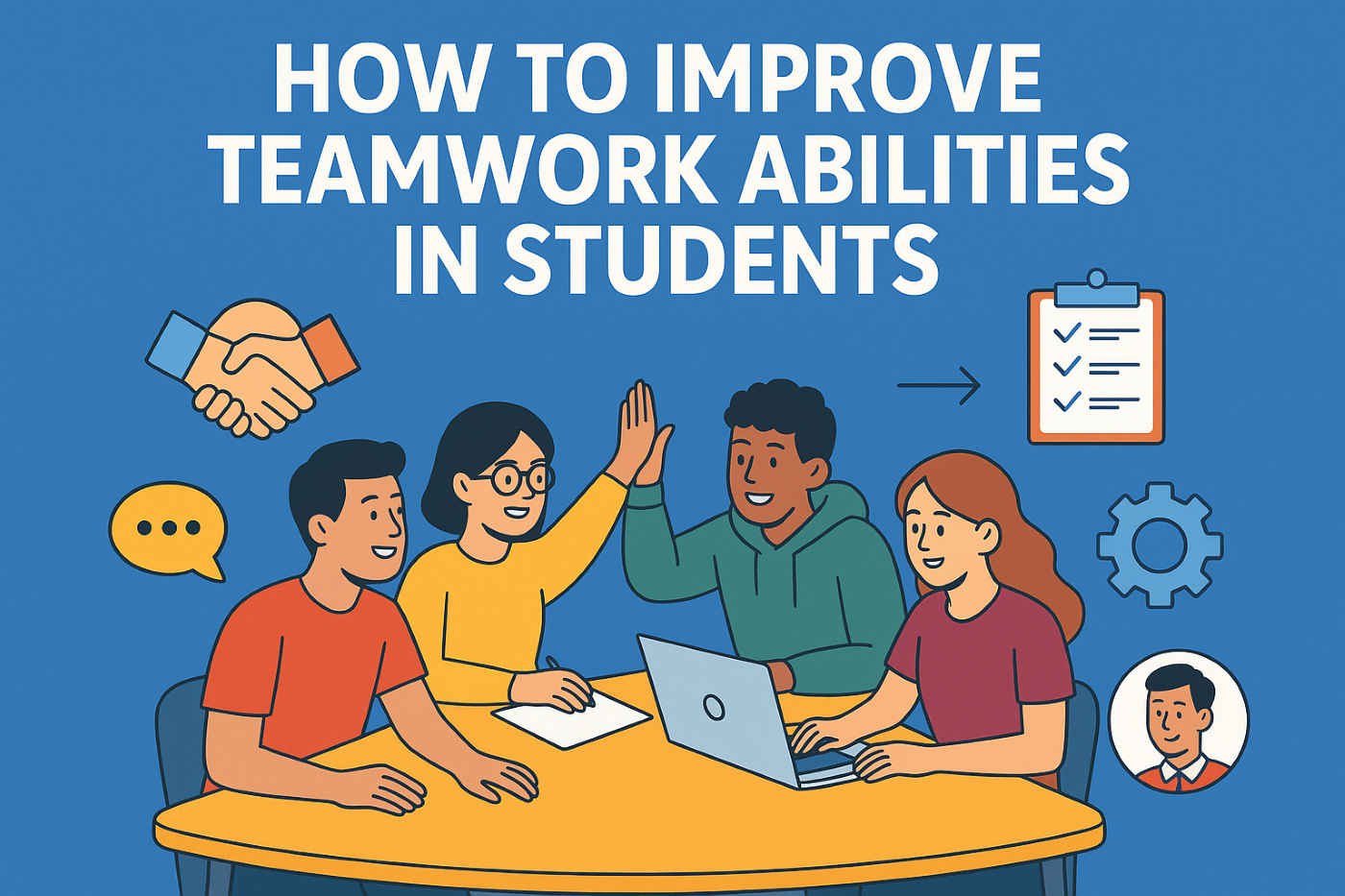
    How to Improve Teamwork Abilities in Students

    In today’s interconnected world, teamwork has become one of the most vital skills students can develop. Whether in classrooms, extracurricular projects, or future workplaces, the ability to collaborate effectively determines success. Employers now rank teamwork among the top soft skills they seek in candidates. For students, building strong teamwork abilities not only enhances academic performance but also prepares them for real-world challenges.

    At cvDragon, we understand that teamwork is more than just working together — it’s about communication, trust, accountability, and shared goals. Let’s explore the key strategies to improve teamwork abilities in students and help them evolve into confident, collaborative professionals.


    1. Understanding the Importance of Teamwork

    Before improving teamwork, students must first understand why it matters. Teamwork allows individuals to combine their strengths, learn from diverse perspectives, and solve problems more efficiently. It also builds emotional intelligence, patience, and empathy — qualities essential in both professional and personal life.

    When students learn to work in teams, they also develop:

    • Leadership and adaptability
    • Conflict resolution skills
    • Better communication and active listening
    • Time management and goal alignment

    These skills together form the foundation of a successful career and life beyond academics.


    1. Encourage Collaborative Learning Environments

    Teachers and institutions play a crucial role in cultivating teamwork. Instead of focusing solely on individual assignments, educators can design group-based projects that promote discussion, brainstorming, and shared problem-solving.

    For example:

    • Group presentations can help students divide responsibilities and manage deadlines collectively.
    • Classroom debates and discussions can improve listening and communication skills.
    • Peer-learning groups can promote knowledge-sharing and collaborative understanding.

    Creating such interactive environments not only enhances teamwork but also makes learning more engaging and practical.


    1. Teach Effective Communication Skills

    At the heart of teamwork lies effective communication. Without clear expression of ideas, even the most talented teams can struggle. Students must be encouraged to:

    • Express their thoughts respectfully.
    • Listen actively to others.
    • Provide constructive feedback.
    • Avoid interrupting or dominating discussions.

    Simple activities such as role-playing games, team-building workshops, and communication exercises can significantly improve these skills. When communication becomes open and respectful, teams function more efficiently, and trust among members strengthens.


    1. Define Roles and Responsibilities

    In any team, clarity of roles is essential. Assigning specific responsibilities helps students understand their contribution to the larger goal. It prevents confusion and ensures accountability.

    For instance:

    • One member can lead coordination.
    • Another can handle data collection or research.
    • A third member can manage presentation or design tasks.

    When every student knows their part, the group functions like a well-organized unit. This structure also teaches time management and helps students appreciate each member’s effort.


    1. Promote Trust and Mutual Respect

    Trust is the foundation of teamwork. Without it, collaboration becomes difficult and ineffective. Students should learn to trust others’ abilities, delegate tasks confidently, and respect diverse opinions.

    To build trust:

    • Encourage transparency in group discussions.
    • Appreciate others’ efforts publicly.
    • Avoid blaming individuals for team setbacks.
    • Celebrate collective success.

    Such experiences teach students that every member brings unique strengths, and together, they can achieve far more than they could individually.


    1. Practice Conflict Resolution

    Disagreements are natural in any group, but how they’re managed defines the team’s strength. Students should be guided to handle conflicts calmly and constructively rather than emotionally.

    To resolve conflicts effectively:

    • Listen to all viewpoints before concluding.
    • Stay focused on the goal instead of personal differences.
    • Be open to compromise.
    • Seek help from a mentor or teacher if necessary.

    Learning this early prepares students for professional environments where teamwork under pressure is common.


    1. Use Technology for Collaboration

    In the digital age, teamwork extends beyond face-to-face meetings. Students should be familiar with collaboration tools such as Google Workspace, Microsoft Teams, Trello, or Slack. These platforms encourage online teamwork, project tracking, and file sharing.

    When students collaborate digitally, they also learn modern workplace etiquette, such as:

    • Maintaining professionalism in online communication.
    • Respecting others’ time zones or schedules.
    • Keeping communication concise and goal-oriented.

    These experiences make them adaptable and ready for hybrid or remote work setups in the future.


    1. Encourage Reflection and Feedback

    After completing a group activity, it’s important to reflect on what worked well and what didn’t. Students should be encouraged to give and receive feedback respectfully.

    Reflection can involve:

    • Discussing the team’s strengths and weaknesses.
    • Identifying areas for improvement.
    • Acknowledging individual and group achievements.

    This process reinforces a growth mindset and helps students refine their teamwork abilities continuously.


    1. Promote Leadership Opportunities

    Teamwork also involves taking initiative. Rotating leadership roles among students ensures everyone experiences both leading and following within a group. Leadership exercises — such as managing a short project or organizing a team event — build confidence and responsibility.

    Leadership within a team doesn’t mean dominance. It means guiding the team towards a shared vision, making decisions collectively, and motivating others. Encouraging this mindset helps students emerge as balanced leaders who value every contribution.


    1. Cultivate Emotional Intelligence (EQ)

    Teamwork thrives when students understand and manage their emotions as well as those of others. Emotional intelligence helps in:

    • Understanding team dynamics.
    • Handling stress during disagreements.
    • Showing empathy towards teammates.
    • Encouraging positive energy within the group.

    Teachers can include mindfulness sessions or group reflections to develop EQ among students. Teams that function with empathy and emotional awareness often achieve better results and harmony.


    1. Recognize and Reward Good Teamwork

    Positive reinforcement motivates students to collaborate more effectively. Institutions can introduce teamwork awards, group project showcases, or peer appreciation sessions.

    When students see that teamwork is valued, they naturally invest more effort in improving it. Recognizing team achievements also builds pride, accountability, and lasting bonds among members.


    Conclusion

    Teamwork is not just a skill — it’s a mindset that shapes how individuals connect, communicate, and grow together. For students, learning to collaborate effectively is a stepping stone to success in academics, careers, and life.

    At cvDragon, we believe teamwork abilities can be developed through consistent practice, self-awareness, and supportive learning environments. By embracing collaboration, students learn to value diversity, overcome challenges, and create impactful outcomes — preparing them to thrive in today’s competitive world.