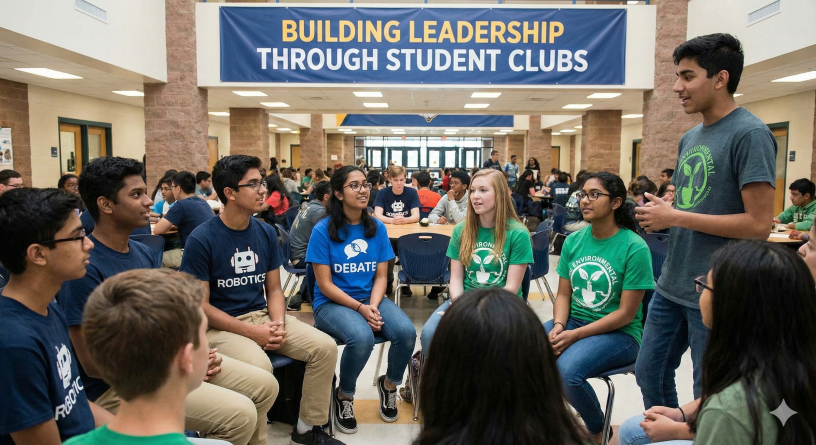
Leadership is not developed overnight, nor is it learned only in classrooms. It grows through experience, responsibility, collaboration, and real-world decision-making. One of the most effective environments for nurturing leadership skills in students is student clubs.
Student clubs offer a safe and dynamic space where students take initiative, manage teams, solve problems, and express ideas. Whether it is an academic club, cultural society, sports team, or community service group, involvement in student clubs plays a powerful role in shaping confident, responsible, and capable leaders.
What Are Student Clubs?
Student clubs are organized groups formed around shared interests, goals, or activities. These clubs may focus on:
-
Academics and subject interests
-
Arts and culture
-
Sports and fitness
-
Social service and volunteering
-
Entrepreneurship and innovation
-
Public speaking and debates
-
Technology and coding
Each club provides students with opportunities to explore interests beyond textbooks while developing essential life skills.
Why Student Clubs Are Important for Leadership Development
1. Encourages Initiative and Responsibility
Student clubs require members to take ownership of tasks such as planning events, managing schedules, and coordinating activities. These responsibilities help students:
-
Develop initiative
-
Learn accountability
-
Understand the impact of their decisions
Taking charge of tasks builds leadership confidence.
2. Builds Communication and Interpersonal Skills
Leadership depends heavily on communication. Through club activities, students learn how to:
-
Express ideas clearly
-
Listen actively
-
Resolve conflicts
-
Work with diverse personalities
These skills are essential for effective leadership in any field.
3. Develops Teamwork and Collaboration
Clubs function as teams. Students learn how to:
-
Collaborate toward common goals
-
Support teammates
-
Delegate responsibilities
-
Respect different perspectives
Good leaders understand how to bring people together.
4. Provides Real-World Leadership Experience
Student clubs simulate real-life leadership situations such as:
-
Managing people
-
Handling deadlines
-
Solving unexpected challenges
-
Making decisions under pressure
This hands-on experience prepares students for future professional roles.
5. Encourages Decision-Making Skills
Leaders must make informed decisions. Clubs require students to:
-
Evaluate options
-
Anticipate outcomes
-
Take responsibility for results
This builds confidence in independent thinking and judgment.
6. Enhances Emotional Intelligence
Leadership is not just about authority—it’s about understanding people. Student clubs help students:
-
Develop empathy
-
Manage emotions
-
Handle disagreements maturely
-
Support team members
These traits make leaders more effective and respected.
7. Builds Confidence and Self-Esteem
When students lead projects successfully, their self-belief grows. Public speaking, event coordination, and team leadership boost confidence and encourage personal growth.
Leadership Roles in Student Clubs
Student clubs offer various leadership positions such as:
-
Club president or chairperson
-
Vice president
-
Secretary
-
Treasurer
-
Event coordinator
-
Team leader
Each role teaches different leadership aspects—from financial management to communication and strategic planning.
Skills Students Develop Through Club Leadership
Participation in student clubs helps students develop:
-
Leadership and management skills
-
Communication and presentation skills
-
Time management
-
Conflict resolution
-
Strategic planning
-
Problem-solving
-
Responsibility and accountability
These skills are highly valued by colleges and employers alike.
How Student Clubs Prepare Students for Future Careers
Employers look for candidates who can demonstrate leadership experience. Student club involvement helps students:
-
Build strong resumes
-
Gain real-world experience
-
Showcase teamwork and leadership abilities
-
Stand out in interviews
Leadership in clubs reflects initiative, dedication, and the ability to work with others.
Role of Schools and Colleges in Supporting Student Clubs
Educational institutions play a vital role by:
-
Encouraging club participation
-
Providing resources and mentorship
-
Allowing students autonomy
-
Recognizing leadership efforts
-
Creating inclusive environments
Supportive institutions help students grow into responsible leaders.
Tips for Students to Build Leadership Through Clubs
✔ Join clubs that match your interests
✔ Volunteer for responsibilities
✔ Communicate openly with team members
✔ Be proactive and reliable
✔ Learn from challenges and mistakes
✔ Encourage and support others
Leadership is developed through participation, not perfection.
Conclusion
Student clubs are powerful platforms for leadership development. They allow students to learn by doing—building confidence, communication skills, emotional intelligence, and decision-making abilities. Through collaboration and responsibility, students discover their leadership potential and prepare for future success.
By actively participating in student clubs, students don’t just gain experiences—they develop into confident leaders ready to make a positive impact in the world.
Leave a Reply