Author: admin

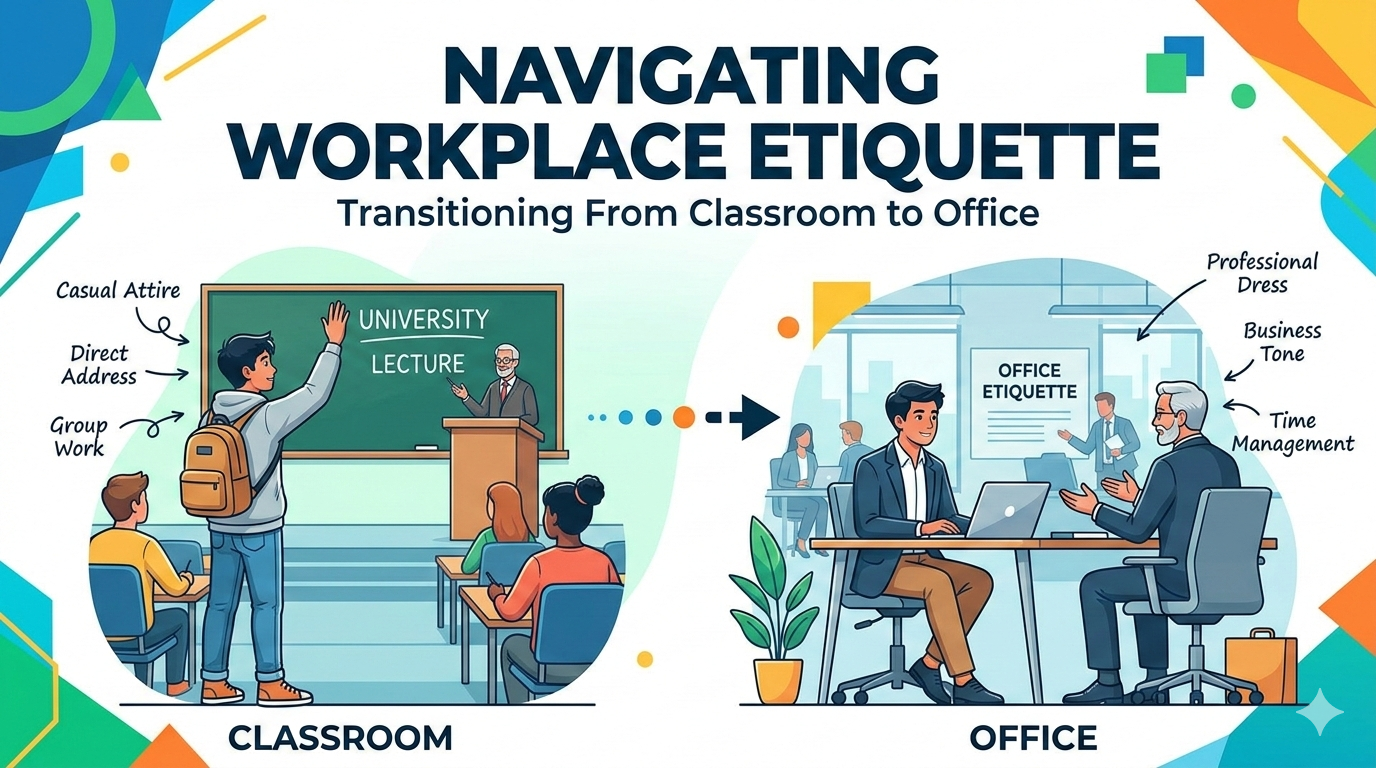
  • Navigating Workplace Etiquette: Transitioning from classroom to office

    Navigating Workplace Etiquette: Transitioning from classroom to office

    Moving from the classroom to the professional workplace is one of the most significant transitions in a person’s life. While academic institutions prepare students with theoretical knowledge and technical skills, many graduates discover that success in the workplace depends equally on understanding professional behavior, communication norms, and workplace etiquette.

    The modern office environment operates on expectations that are often unspoken yet critically important. Knowing how to communicate respectfully, collaborate effectively, manage responsibilities, and conduct oneself professionally can determine how quickly a newcomer adapts and grows within an organization.

    At CVDragon, we aim to bridge the gap between education and employment by equipping individuals with practical workplace readiness skills. This article explores essential workplace etiquette practices that help students and fresh professionals confidently transition from classroom culture to corporate environments.

    Understanding the Shift: Classroom vs. Workplace

    The transition from student life to professional life involves more than changing locations — it requires a mindset shift.

    In classrooms:

    • Deadlines may be flexible.
    • Guidance is structured.
    • Evaluation is periodic.
    • Authority figures act as instructors.

    In workplaces:

    • Deadlines affect teams and clients.
    • Independence is expected.
    • Performance is continuous.
    • Managers expect accountability.

    Success depends on recognizing that professional environments value responsibility, reliability, and collaboration as much as technical competence.

    First Impressions Matter

    Workplace perceptions form quickly. Your behavior during the first few weeks often shapes long-term professional reputation.

    Key practices include:

    • Arriving on time or early
    • Dressing appropriately for organizational culture
    • Maintaining positive body language
    • Showing willingness to learn

    Professional etiquette begins with demonstrating respect for workplace norms and organizational values.

    Professional Communication Skills

    Communication style in offices differs greatly from academic interactions.

    Email Etiquette

    Professional emails should be:

    • Clear and concise
    • Respectful in tone
    • Grammatically correct
    • Purpose-driven

    Avoid informal language, excessive abbreviations, or emotional responses. Always review emails before sending.

    Verbal Communication

    In meetings or discussions:

    • Listen actively before responding
    • Avoid interrupting others
    • Speak confidently but respectfully
    • Ask thoughtful questions

    Effective communication signals maturity and professionalism.

    Respecting Workplace Hierarchies

    Unlike classrooms where interaction is informal, workplaces often follow structured hierarchies.

    Understanding reporting relationships helps employees:

    • Communicate through proper channels
    • Seek approvals appropriately
    • Avoid bypassing supervisors unintentionally

    Respect for hierarchy does not limit creativity; instead, it promotes organizational efficiency and accountability.

    Time Management and Accountability

    In academic settings, missed deadlines primarily affect individual grades. In workplaces, delays can impact entire teams, clients, and business outcomes.

    Professional etiquette includes:

    • Meeting deadlines consistently
    • Informing supervisors early about challenges
    • Prioritizing tasks effectively
    • Avoiding last-minute submissions

    Reliability builds trust — one of the most valuable professional assets.

    Meeting Etiquette: A Crucial Workplace Skill

    Meetings are central to professional collaboration.

    Good meeting etiquette involves:

    • Preparing in advance
    • Joining on time
    • Keeping devices silent
    • Contributing constructively
    • Taking notes when necessary

    Virtual meetings require additional awareness such as muting microphones when not speaking and maintaining professional backgrounds.

    Workplace Dress and Appearance

    Dress codes vary across industries, but professionalism remains universal.

    Guidelines include:

    • Observing organizational norms
    • Maintaining neat and clean attire
    • Avoiding overly casual clothing unless permitted

    Appropriate appearance reflects respect for colleagues and workplace culture.

    Building Professional Relationships

    Workplaces thrive on collaboration rather than competition alone.

    Healthy professional relationships are built through:

    • Mutual respect
    • Team cooperation
    • Appreciation of diverse perspectives
    • Positive attitude toward shared goals

    Networking within the organization enhances learning opportunities and career growth.

    Digital Etiquette in Modern Workplaces

    Technology plays a central role in professional communication.

    Key digital etiquette practices:

    • Respond to messages within reasonable timeframes
    • Use professional language on workplace platforms
    • Avoid excessive personal phone usage
    • Maintain confidentiality of organizational information

    Your digital behavior contributes significantly to professional reputation.

    Receiving Feedback Professionally

    Unlike academic grading, workplace feedback is continuous and often direct.

    Proper response includes:

    • Listening without defensiveness
    • Asking clarifying questions
    • Viewing feedback as improvement guidance
    • Applying suggested changes

    Professionals who handle feedback positively demonstrate growth potential.

    Managing Workplace Boundaries

    Transitioning professionals must learn to balance friendliness with professionalism.

    Important boundaries include:

    • Respecting personal space
    • Avoiding gossip or office politics
    • Maintaining confidentiality
    • Keeping personal opinions appropriate for workplace discussions

    Professional relationships should remain respectful and goal-oriented.

    Taking Initiative Without Overstepping

    Employers value proactive employees, but initiative should be balanced with awareness.

    Effective ways to show initiative:

    • Volunteering for tasks
    • Suggesting improvements respectfully
    • Seeking learning opportunities
    • Asking permission before major decisions

    Initiative combined with humility creates strong professional impressions.

    Handling Workplace Challenges

    New professionals may encounter misunderstandings, pressure, or conflicts.

    Professional etiquette during challenges includes:

    • Addressing issues calmly
    • Communicating directly and respectfully
    • Seeking solutions rather than blame
    • Consulting supervisors when necessary

    Emotional control and professionalism strengthen workplace credibility.

    Workplace Ethics and Integrity

    Integrity forms the foundation of professional etiquette.

    Ethical workplace behavior includes:

    • Honesty in reporting work
    • Respecting intellectual property
    • Avoiding plagiarism or misrepresentation
    • Maintaining transparency in communication

    Ethical conduct earns long-term respect and trust.

    Adapting to Organizational Culture

    Every organization has a unique culture shaped by values, leadership style, and industry norms.

    Successful transition involves:

    • Observing workplace dynamics
    • Learning informal expectations
    • Adapting communication style
    • Remaining flexible and open-minded

    Cultural awareness accelerates professional integration.

    Continuous Learning in the Workplace

    Unlike structured academic learning, professional development is self-driven.

    Employees should:

    • Seek mentorship
    • Request feedback regularly
    • Upgrade skills continuously
    • Reflect on performance

    Learning agility is a defining trait of successful professionals.

    Common Mistakes Fresh Professionals Should Avoid

    • Treating supervisors like classroom teachers
    • Waiting for constant instructions
    • Overusing casual communication
    • Ignoring workplace policies
    • Resisting feedback

    Awareness of these pitfalls helps smooth the transition into professional life.

    The Long-Term Impact of Workplace Etiquette

    Strong workplace etiquette leads to:

    • Improved professional reputation
    • Better teamwork and collaboration
    • Increased leadership opportunities
    • Faster career advancement

    Technical expertise may secure a job, but professional conduct sustains career success.

    Conclusion: From Student to Professional

    Transitioning from classroom to office life marks the beginning of professional identity formation. Workplace etiquette acts as the bridge connecting academic knowledge with real-world success.

    At CVDragon, we emphasize that career readiness extends beyond qualifications. Understanding how to communicate, collaborate, and behave professionally allows individuals to thrive in modern organizational environments.

    Adapting to workplace etiquette is not about losing individuality; it is about aligning personal strengths with professional expectations. With awareness, respect, and continuous learning, new professionals can confidently navigate workplace culture and build meaningful, successful careers.

    The journey from student to professional begins not only with skills — but with professionalism in action.

  • Mind Mapping for Complex Projects: Organizing chaotic ideas

    Mind Mapping for Complex Projects: Organizing chaotic ideas

    In today’s fast-paced academic and professional environments, individuals often find themselves overwhelmed by complex projects filled with scattered ideas, deadlines, data, and responsibilities. Whether planning a research paper, launching a startup initiative, managing organizational programs, or coordinating team-based assignments, one challenge remains constant — how to organize chaos into clarity.

    This is where mind mapping becomes a powerful solution.

    Mind mapping is more than a productivity technique; it is a visual thinking strategy that transforms disorganized thoughts into structured, actionable plans. At CVDragon, we believe mastering mind mapping empowers individuals and teams to think creatively, manage complexity, and execute projects with confidence.

    This article explores how mind mapping works, why it is essential for complex projects, and how you can effectively apply it in real-world situations.

    What Is Mind Mapping?

    Mind mapping is a visual method of organizing information around a central idea. Instead of listing information linearly, it mirrors how the human brain naturally connects concepts through associations.

    A typical mind map begins with:

    • A central topic placed in the middle
    • Branches representing major themes or categories
    • Sub-branches containing details, tasks, or ideas
    • Keywords, colors, or symbols for clarity

    This structure allows individuals to see relationships between ideas instantly, making complex information easier to understand and manage.

    Why Complex Projects Often Feel Chaotic

    Large projects become overwhelming because they involve multiple moving parts such as:

    • Numerous tasks and deadlines
    • Interdependent team roles
    • Continuous idea generation
    • Changing priorities
    • Information overload

    Traditional note-taking methods often fail because they separate information instead of connecting it. As a result, teams lose visibility, creativity declines, and execution becomes inefficient.

    Mind mapping solves this problem by providing a big-picture overview while preserving detailed insights.

    The Science Behind Mind Mapping

    Human thinking is associative rather than linear. The brain processes ideas through networks of connections, not bullet-point lists.

    Mind mapping aligns with cognitive principles such as:

    • Visual learning
    • Pattern recognition
    • Memory association
    • Creative thinking

    By combining text, structure, and visual hierarchy, mind maps improve comprehension, recall, and problem-solving efficiency.

    Key Benefits of Mind Mapping for Complex Projects

    1. Clarity from Chaos

    Mind maps transform scattered thoughts into organized frameworks, helping project leaders identify priorities quickly.

    2. Enhanced Creativity

    Unlike rigid planning tools, mind mapping encourages brainstorming without immediate judgment, allowing innovative solutions to emerge.

    3. Improved Project Planning

    Teams can visualize timelines, dependencies, risks, and deliverables in one unified space.

    4. Better Decision-Making

    Seeing all project elements simultaneously enables informed strategic decisions.

    5. Increased Collaboration

    Mind maps provide a shared visual reference, ensuring team members understand goals and responsibilities.

    When Should You Use Mind Mapping?

    Mind mapping is particularly useful during:

    • Project planning and strategy development
    • Academic research organization
    • Business proposal creation
    • Content and marketing campaigns
    • Event management planning
    • Problem-solving sessions
    • Team brainstorming meetings

    Any situation involving complexity or uncertainty benefits from this approach.

    Step-by-Step Guide to Creating an Effective Mind Map

    Step 1: Define the Central Goal

    Start with the primary project objective at the center.

    Examples:

    • “Website Launch”
    • “Research Thesis”
    • “Community Development Program”

    Clarity at the center ensures alignment throughout the project.

    Step 2: Create Major Branches

    Identify key categories related to the project, such as:

    • Objectives
    • Resources
    • Timeline
    • Budget
    • Team Roles
    • Risks
    • Deliverables

    These branches represent the main pillars of execution.

    Step 3: Add Sub-Tasks and Details

    Break each branch into smaller actionable components.

    For example:
    Timeline →

    • Phase 1 Planning
    • Development
    • Testing
    • Final Launch

    This decomposition reduces overwhelm and improves manageability.

    Step 4: Use Keywords Instead of Sentences

    Short keywords maintain clarity and prevent clutter. Mind maps should trigger thinking, not replace documentation.

    Step 5: Apply Visual Elements

    Use:

    • Colors for categories
    • Icons for priorities
    • Arrows for relationships
    • Highlights for deadlines

    Visual cues improve understanding and memory retention.

    Step 6: Review and Refine

    Complex projects evolve. Update your mind map regularly to reflect progress and new insights.

    Mind Mapping for Team-Based Projects

    In collaborative environments, mind mapping becomes a shared intelligence tool.

    Teams can use it to:

    • Assign responsibilities clearly
    • Identify workflow dependencies
    • Track progress visually
    • Reduce communication gaps

    Digital mind mapping platforms allow real-time collaboration, making remote teamwork more efficient.

    Digital vs. Handwritten Mind Maps

    Both approaches offer advantages.

    Handwritten Mind Maps

    Best for:

    • Personal brainstorming
    • Creativity sessions
    • Quick idea exploration

    They enhance cognitive engagement and free thinking.

    Digital Mind Maps

    Ideal for:

    • Large projects
    • Team collaboration
    • Editing and updates
    • Integration with task management tools

    Professionals often combine both methods — starting on paper and refining digitally.

    Common Mistakes to Avoid

    Overloading Information

    A mind map should simplify complexity, not replicate detailed reports.

    Lack of Hierarchy

    Unclear branching defeats the purpose of organization.

    Ignoring Updates

    Outdated mind maps reduce effectiveness.

    Focusing Only on Tasks

    Include goals, risks, and strategies—not just action items.

    Mind Mapping and Problem Solving

    Complex challenges often involve hidden connections between issues. Mind mapping helps identify:

    • Root causes
    • Alternative solutions
    • Potential risks
    • Strategic opportunities

    By visualizing relationships, individuals move beyond surface-level thinking toward deeper analysis.

    Using Mind Mapping for Academic Success

    Students benefit immensely from mind mapping when:

    • Preparing for exams
    • Structuring essays
    • Conducting literature reviews
    • Organizing research findings

    Instead of memorizing isolated facts, learners understand conceptual relationships, improving long-term retention.

    Mind Mapping in Leadership and Innovation

    Effective leaders manage complexity daily. Mind mapping supports leadership by enabling:

    • Strategic planning
    • Vision development
    • Stakeholder analysis
    • Innovation brainstorming

    Organizations that encourage visual thinking often experience faster innovation and clearer communication.

    Integrating Mind Mapping into Daily Workflow

    To make mind mapping a habit:

    • Begin projects with brainstorming maps
    • Use weekly planning maps
    • Conduct reflection maps after project completion
    • Create decision-making maps for major choices

    Consistency transforms mind mapping into a powerful cognitive skill rather than a one-time tool.

    The Future of Project Organization

    As industries grow more interdisciplinary and data-driven, professionals must manage increasing complexity. Linear planning methods alone are no longer sufficient.

    Mind mapping represents a shift toward adaptive thinking, where creativity and structure coexist. It empowers individuals to see systems holistically while maintaining actionable clarity.

    Conclusion: Turning Ideas into Action

    Complex projects rarely fail due to lack of ideas — they fail because ideas remain unorganized. Mind mapping bridges the gap between imagination and execution by transforming chaotic thoughts into structured strategies.

    At CVDragon, we emphasize practical skills that enhance productivity, creativity, and professional effectiveness. Mind mapping is one of the most accessible yet transformative techniques for managing modern challenges.

    By adopting mind mapping, you gain the ability to:

    • Think clearly under complexity
    • Plan strategically
    • Collaborate effectively
    • Execute projects with confidence

    The next time your ideas feel overwhelming, don’t force them into rigid lists. Map them visually, connect them meaningfully, and watch clarity emerge from chaos.

    Because organized thinking is the foundation of successful action.

  • Metacognition: Learning How to Think About Your Own Thinking

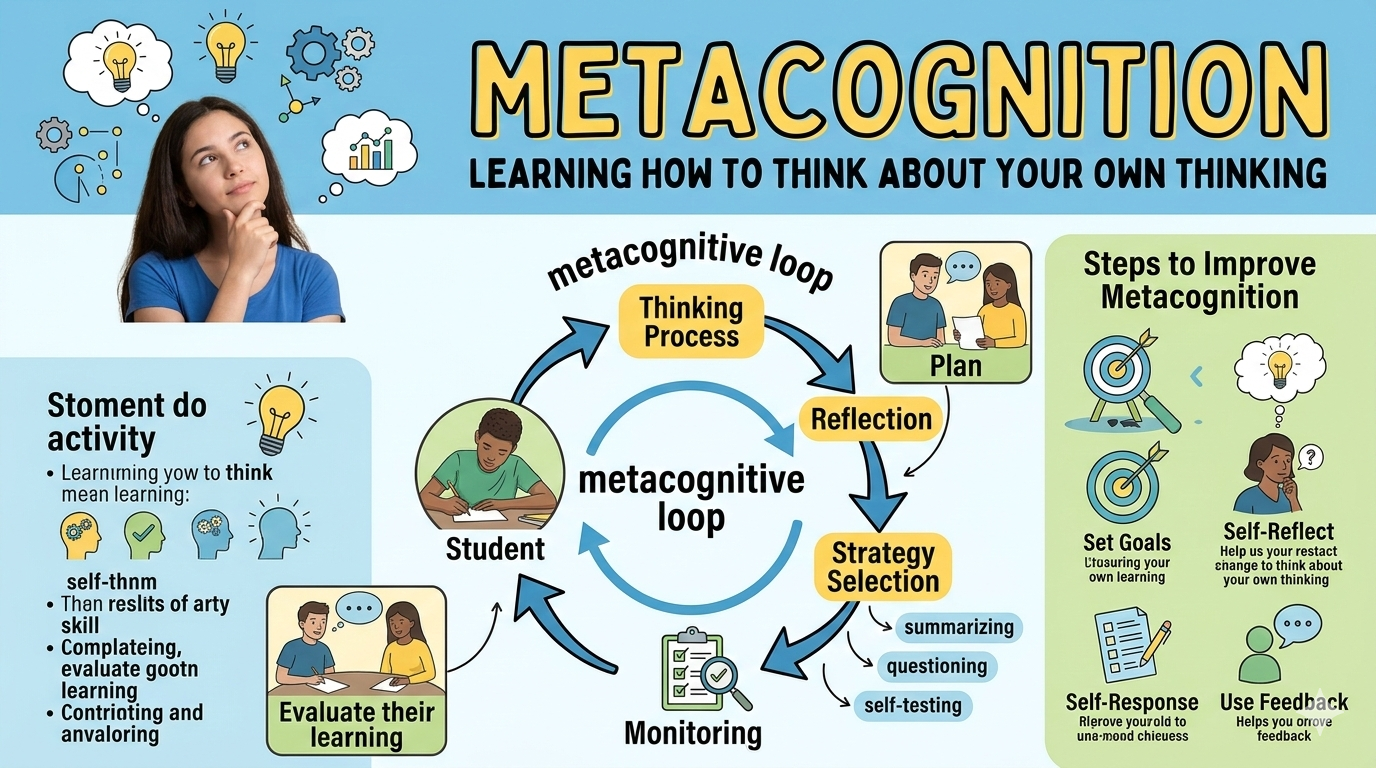
    Metacognition: Learning How to Think About Your Own Thinking

    In today’s fast-changing academic and professional world, success is no longer defined only by intelligence or hard work. Instead, it increasingly depends on how effectively individuals understand, monitor, and improve their own thinking processes. This powerful ability is known as metacognition — often described as thinking about thinking.

    Metacognition plays a vital role in learning, decision-making, problem-solving, leadership, and career development. Whether you are a student preparing for exams, a professional aiming to improve productivity, or a leader navigating complex challenges, mastering metacognitive skills can significantly enhance performance and personal growth.

    At CVDragon, we believe that lifelong success begins with self-awareness and intentional learning. This article explores what metacognition is, why it matters, and how you can practically develop this essential cognitive skill.

    What Is Metacognition?

    Metacognition refers to the awareness and control individuals have over their own thought processes. It involves understanding:

    • How you learn
    • How you solve problems
    • How you make decisions
    • When your understanding is incomplete
    • What strategies help you perform better

    In simple terms, metacognition answers questions such as:

    • Do I really understand this concept?
    • Why did I make that mistake?
    • What learning method works best for me?
    • How can I improve next time?

    Psychologists generally divide metacognition into two main components:

    1. Metacognitive Knowledge

    This includes awareness of:

    • Your strengths and weaknesses
    • Learning styles and preferences
    • Effective strategies for different tasks

    For example, realizing that you remember information better through visualization rather than memorization reflects metacognitive knowledge.

    2. Metacognitive Regulation

    This involves actively managing thinking through:

    • Planning
    • Monitoring progress
    • Evaluating outcomes

    Students who review their performance after exams or professionals who analyze completed projects demonstrate strong metacognitive regulation.

    Why Metacognition Matters in Modern Learning

    Traditional education often emphasizes what to learn, but metacognition focuses on how to learn effectively. Research consistently shows that individuals with strong metacognitive skills:

    • Learn faster and retain information longer
    • Adapt easily to new environments
    • Make better decisions
    • Solve complex problems efficiently
    • Demonstrate higher academic and workplace success

    In an era driven by digital transformation and continuous skill development, the ability to self-direct learning has become indispensable.

    The Role of Metacognition in Academic Success

    Many students struggle not because they lack intelligence, but because they lack awareness of ineffective learning habits.

    Metacognitive learners:

    • Set clear learning goals
    • Choose appropriate study strategies
    • Track understanding during study sessions
    • Adjust methods when results are poor

    For instance, instead of rereading textbooks repeatedly, a metacognitive student might switch to self-testing or teaching concepts to others — methods proven to improve retention.

    By understanding how their minds work, learners transform passive studying into active mastery.

    Metacognition in Professional Growth

    Metacognition extends far beyond classrooms. In professional environments, it strengthens:

    Decision-Making

    Professionals who evaluate their assumptions and biases make more informed decisions.

    Problem-Solving

    Reflective thinking enables employees to approach challenges strategically rather than react emotionally.

    Leadership Development

    Effective leaders regularly assess their communication style, management approach, and team impact.

    Career Advancement

    Self-aware professionals identify skill gaps early and pursue targeted improvement.

    Employers increasingly value individuals who demonstrate reflection, adaptability, and continuous improvement — all outcomes of metacognitive thinking.

    Key Metacognitive Skills Everyone Should Develop

    1. Self-Awareness

    Recognizing how emotions, habits, and beliefs influence thinking is the foundation of metacognition.

    Ask yourself:

    • What distracts me?
    • When am I most productive?
    • Which tasks challenge me most?

    2. Planning

    Before starting any task, consider:

    • What is the objective?
    • What strategy should I use?
    • How much time will this require?

    Planning prevents confusion and increases efficiency.

    3. Monitoring Understanding

    During learning or work processes, pause periodically to evaluate progress.

    Questions to consider:

    • Am I understanding this clearly?
    • Do I need additional resources?
    • Should I change my approach?

    4. Reflection and Evaluation

    After completing a task, analyze outcomes:

    • What worked well?
    • What mistakes occurred?
    • What will I do differently next time?

    Reflection transforms experiences into long-term learning.

    Practical Techniques to Improve Metacognition

    Developing metacognition does not require complex tools. Small daily practices can produce significant improvements.

    Keep a Learning Journal

    Document:

    • Challenges faced
    • Strategies used
    • Lessons learned

    Writing promotes deeper awareness of thought patterns.

    Practice Self-Questioning

    Before, during, and after tasks, ask reflective questions such as:

    • What is my goal?
    • Do I understand this?
    • How can I improve?

    Use the “Pause and Think” Method

    Instead of rushing decisions, take short pauses to evaluate reasoning and potential consequences.

    Teach What You Learn

    Explaining concepts to others exposes knowledge gaps and strengthens understanding.

    Break Tasks into Steps

    Monitoring smaller milestones makes it easier to track thinking and progress.

    Metacognition and Emotional Intelligence

    Metacognition is closely connected to emotional intelligence. Understanding thoughts also helps individuals regulate emotions such as stress, frustration, or overconfidence.

    For example:

    • Recognizing anxiety before exams allows students to adopt calming strategies.
    • Professionals aware of emotional reactions can avoid impulsive decisions.

    This combination improves resilience, communication, and interpersonal relationships.

    Overcoming Common Barriers to Metacognitive Thinking

    Despite its benefits, many individuals struggle to practice metacognition due to:

    Lack of Reflection Time

    Fast-paced routines leave little room for evaluation. Scheduling reflection periods can solve this issue.

    Fear of Mistakes

    Viewing errors negatively prevents learning. Metacognitive thinkers treat mistakes as feedback.

    Overconfidence

    Assuming mastery without testing understanding leads to poor outcomes.

    Digital Distractions

    Constant notifications reduce deep thinking and self-awareness.

    Building metacognitive habits requires intentional effort and patience.

    Metacognition in the Digital Age

    Modern technology provides unlimited information but also creates cognitive overload. Metacognition helps individuals:

    • Filter reliable information
    • Focus attention effectively
    • Avoid misinformation
    • Manage digital distractions
    • Learn independently online

    In remote learning and hybrid workplaces, self-regulated thinkers outperform those relying solely on external supervision.

    How Educators and Organizations Can Encourage Metacognition

    Institutions and workplaces can foster metacognitive development by:

    • Encouraging reflective assignments
    • Promoting feedback discussions
    • Supporting problem-based learning
    • Allowing experimentation without fear of failure
    • Providing mentoring and coaching opportunities

    When reflection becomes part of organizational culture, innovation and collaboration naturally improve.

    The Long-Term Benefits of Metacognitive Thinking

    Individuals who consistently practice metacognition experience lasting advantages:

    • Greater confidence in learning new skills
    • Improved adaptability in changing careers
    • Enhanced creativity and innovation
    • Stronger leadership capabilities
    • Better mental clarity and focus

    Most importantly, metacognition empowers individuals to become independent lifelong learners — a critical requirement in the modern knowledge economy.

    Conclusion: Thinking Smarter, Not Just Harder

    Metacognition transforms learning from a passive activity into an intentional, self-directed process. By understanding how we think, we gain the ability to improve how we learn, work, and grow.

    Success today depends less on memorizing information and more on continuously refining thinking strategies. Students become better learners, professionals become better decision-makers, and leaders become more effective when they consciously evaluate their cognitive processes.

    At CVDragon, we emphasize skills that prepare individuals not only for employment but for sustained personal and professional excellence. Developing metacognitive awareness is one of the most powerful investments anyone can make toward lifelong growth.

    Start small — reflect on your next decision, question your assumptions, and evaluate your outcomes. Over time, these simple habits will reshape how you think, learn, and succeed.

    Because true intelligence lies not just in knowledge, but in understanding how you use it.

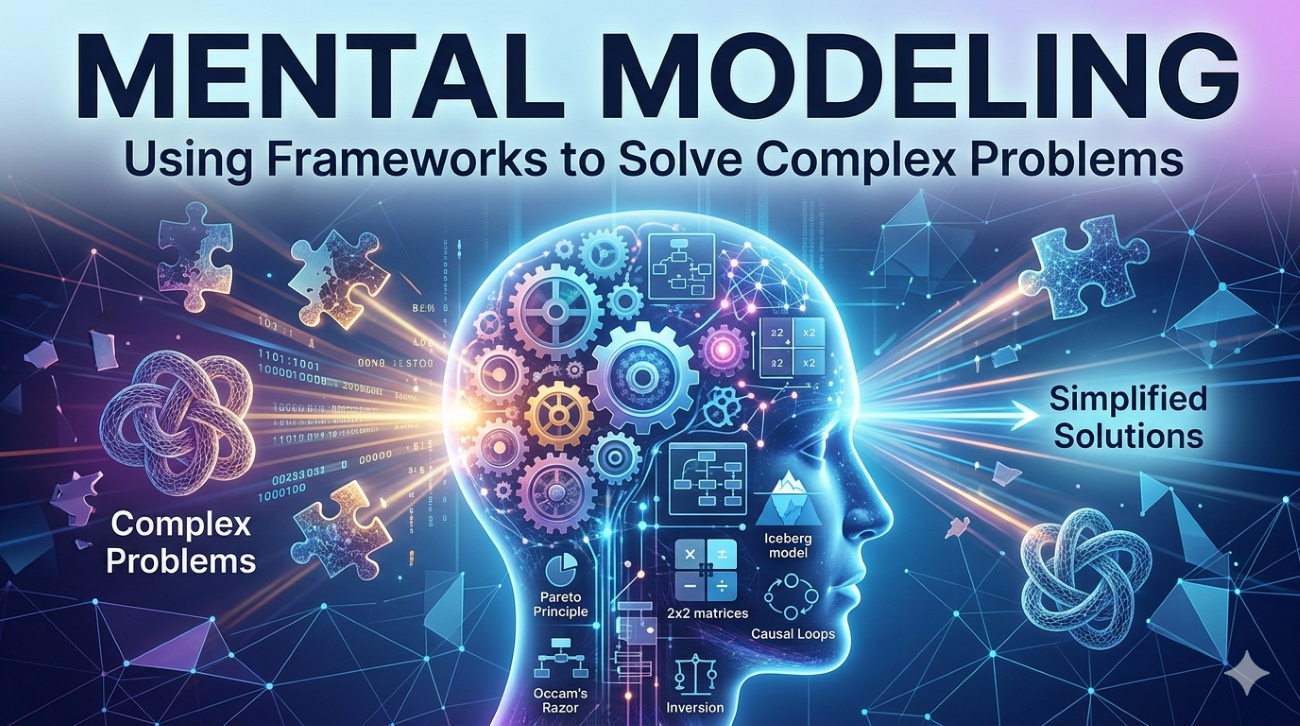
  • Mental Modeling: Using frameworks to solve complex problems

    Mental Modeling: Using frameworks to solve complex problems

    Introduction

    Every day, individuals face decisions and challenges—some simple, others highly complex. Whether it involves business strategy, career planning, academic research, or personal decision-making, solving problems effectively requires more than intelligence alone. It requires structured thinking.

    This is where mental models become powerful tools.

    Mental modeling is the practice of using thinking frameworks to understand situations, analyze problems, and make better decisions. Instead of reacting emotionally or randomly, mental models help individuals approach challenges logically and strategically.

    At CVDragon, we believe mental modeling is a critical skill for professionals, students, leaders, and decision-makers. Those who master structured thinking gain clarity, reduce mistakes, and solve problems more efficiently.

    This article explores mental models, their importance, and how frameworks can help solve complex problems.

    What are Mental Models?

    Mental models are simplified frameworks or thinking tools that help people understand how things work.

    They act as cognitive shortcuts that allow you to:

    • Analyze situations clearly
    • Predict outcomes
    • Make informed decisions
    • Solve problems effectively

    Mental models help organize thoughts.

    They turn complexity into clarity.

    Why Mental Modeling is Important

    1. Simplifies Complex Problems

    Complex problems often feel overwhelming.

    Mental models break problems into manageable parts.

    This makes decision-making easier.

    2. Improves Decision-Making

    Structured thinking reduces impulsive decisions.

    Mental models help evaluate options logically.

    Better thinking leads to better outcomes.

    3. Reduces Cognitive Bias

    Humans often make decisions based on assumptions or emotions.

    Mental models encourage objective thinking.

    They minimize errors.

    4. Enhances Strategic Thinking

    Professionals and leaders use frameworks to plan effectively.

    Mental models improve long-term thinking.

    5. Encourages Problem-Solving Confidence

    When you have tools to analyze challenges, confidence increases.

    You approach problems calmly.

    How Mental Models Work

    Mental models provide perspectives.

    Instead of viewing a problem from one angle, they allow multiple viewpoints.

    For example:

    A business challenge can be analyzed using cost, risk, efficiency, or customer impact models.

    Different frameworks reveal better solutions.

    Popular Mental Models for Problem Solving

    Here are some powerful mental models widely used by successful professionals.

    1. First Principles Thinking

    This model involves breaking problems down into basic truths.

    Instead of relying on assumptions, ask:

    • What do we know for certain?
    • What are the fundamental facts?

    Then rebuild solutions from scratch.

    This encourages innovation.

    2. The 80/20 Rule (Pareto Principle)

    This model suggests that:

    80% of results come from 20% of efforts.

    It helps prioritize tasks.

    Focus on high-impact activities.

    Avoid wasting time on low-value work.

    3. Cause and Effect Thinking

    Every action has consequences.

    Understanding cause and effect helps predict outcomes.

    Ask:

    • What caused this problem?
    • What will happen next?

    This improves planning.

    4. SWOT Analysis

    SWOT stands for:

    • Strengths
    • Weaknesses
    • Opportunities
    • Threats

    This framework helps analyze situations strategically.

    It is widely used in business and career planning.

    5. Systems Thinking

    Problems often exist within systems.

    Systems thinking examines how parts interact.

    Instead of fixing symptoms, it addresses root causes.

    This leads to sustainable solutions.

    6. Decision Tree Model

    This model maps possible decisions and outcomes.

    It helps compare risks and benefits.

    Useful for complex choices.

    Applying Mental Models in Real Life

    Mental models are practical tools.

    Career Decisions

    Use SWOT analysis to evaluate opportunities.

    Assess strengths and risks.

    Academic Problem Solving

    Use cause-and-effect analysis.

    Understand root problems.

    Business Strategy

    Apply the 80/20 rule.

    Focus on impactful actions.

    Personal Life Decisions

    Use decision trees to compare options.

    Choose wisely.

    Steps to Use Mental Models Effectively

    1. Define the Problem Clearly

    Understand the issue first.

    Clear problems lead to clear solutions.

    2. Choose the Right Framework

    Different problems need different models.

    Select appropriately.

    3. Analyze from Multiple Angles

    Use more than one model.

    Multiple perspectives improve decisions.

    4. Evaluate Outcomes

    Predict consequences.

    Consider risks.

    5. Take Action and Learn

    Apply decisions.

    Learn from results.

    Improve continuously.

    Benefits of Mental Modeling

    Individuals who use mental models experience:

    • Better problem-solving skills
    • Improved decision-making
    • Increased productivity
    • Reduced stress
    • Strategic thinking ability

    Mental clarity leads to success.

    Common Mistakes to Avoid

    Avoid these errors:

    Using Only One Model

    Single perspectives limit thinking.

    Use multiple frameworks.

    Overthinking

    Models guide thinking.

    Do not delay action excessively.

    Ignoring Real-World Data

    Frameworks must align with reality.

    Use facts.

    Mental Models in Leadership and Management

    Leaders frequently face uncertainty.

    Mental models help leaders:

    • Analyze risks
    • Make strategic decisions
    • Manage teams effectively

    Strong leaders rely on structured thinking.

    Mental Modeling for Students and Professionals

    Students benefit by improving learning and analysis.

    Professionals benefit through better workplace decisions.

    Mental modeling strengthens critical thinking.

    It builds career advantage.

    Developing a Mental Modeling Habit

    You can develop this skill gradually.

    Learn Different Frameworks

    Expand your thinking tools.

    Practice Regularly

    Apply models daily.

    Reflect on Decisions

    Evaluate results.

    Improve thinking.

    Stay Curious

    Continuous learning improves reasoning.

    Mental Models and Future Success

    The modern world is complex.

    Information overload creates confusion.

    Mental models provide clarity.

    They help individuals navigate uncertainty.

    Those who think better perform better.

    Conclusion

    Mental modeling is a powerful approach to solving complex problems using structured frameworks. It simplifies decision-making, improves strategic thinking, and enhances problem-solving ability.

    By applying mental models such as first principles thinking, the 80/20 rule, and systems thinking, individuals can approach challenges logically and confidently.

    At CVDragon, we believe success begins with clear thinking. Mental models provide the tools needed to analyze problems, make informed decisions, and achieve meaningful outcomes.

    Because success is not just about working harder—

    It is about thinking smarter.

  • Media Literacy: Identifying “Fake News” and Misinformation

    Media Literacy: Identifying “Fake News” and Misinformation

    Introduction

    We live in a world where information is available instantly. News spreads through social media, websites, messaging apps, and videos within seconds. While this makes it easier to stay informed, it also creates a serious challenge: the spread of fake news and misinformation.

    Not everything we see, read, or hear is true. False information can mislead people, create panic, damage reputations, and influence important decisions. This is why media literacy has become an essential life skill.

    Media literacy is the ability to access, analyze, evaluate, and verify information before accepting it as true. It helps individuals think critically and make informed decisions.

    At CVDragon, we believe media literacy is not just about consuming information—it is about understanding it responsibly. In this article, you will learn what fake news is, why misinformation spreads, and how to identify and avoid it.

    What is Media Literacy?

    Media literacy is the ability to understand and evaluate media content critically.

    It includes the ability to:

    • Identify reliable information
    • Recognize false or misleading content
    • Understand media bias
    • Verify sources

    Media literacy helps people become informed and responsible consumers of information.

    What is Fake News?

    Fake news refers to false or misleading information presented as real news.

    It is designed to:

    • Mislead people
    • Influence opinions
    • Create confusion
    • Gain attention

    Fake news may appear professional and convincing.

    This makes it dangerous.

    What is Misinformation?

    Misinformation is false or inaccurate information that is spread, sometimes without harmful intent.

    This can include:

    • Incorrect facts
    • Misleading headlines
    • Edited images or videos

    Even when shared unintentionally, misinformation causes harm.

    Difference Between Fake News and Misinformation

    Fake news is intentionally created to deceive.

    Misinformation may be shared without knowing it is false.

    Both are harmful.

    Both require awareness.

    Why Fake News and Misinformation Spread So Fast

    Understanding the reasons helps prevent it.

    1. Social Media Sharing

    People share information quickly without verifying it.

    Speed is prioritized over accuracy.

    2. Emotional Content

    Emotional stories spread faster.

    Content that creates fear, anger, or excitement gets attention.

    3. Lack of Verification

    Many people do not check sources.

    They believe information immediately.

    4. Attention and Profit

    Some creators spread fake news to gain:

    • Views
    • Followers
    • Advertising revenue

    Attention brings profit.

    Dangers of Fake News and Misinformation

    Fake news has serious consequences.

    Creates Public Panic

    False news can create fear.

    People make wrong decisions.

    Damages Reputations

    False information can harm individuals and organizations.

    Influences Public Opinion

    Fake news can influence beliefs.

    It can affect decisions.

    Creates Confusion

    People do not know what is true.

    Trust decreases.

    How to Identify Fake News and Misinformation

    Media literacy helps you recognize false information.

    Here are practical steps.

    1. Check the Source

    Always check where the information comes from.

    Reliable sources are more trustworthy.

    Unknown sources require caution.

    2. Read Beyond the Headline

    Headlines can be misleading.

    Read the full content.

    Do not judge based only on headlines.

    3. Verify with Multiple Sources

    Check other trusted sources.

    If no reliable source confirms it, be careful.

    4. Check the Author

    Look for the author’s credibility.

    Unknown or suspicious authors may not be reliable.

    5. Look at the Date

    Old news can be shared as new.

    Check publication dates.

    6. Watch for Emotional Language

    Fake news often uses strong emotional words.

    It tries to create fear or anger.

    Be cautious.

    7. Check Images and Videos

    Images can be edited.

    Videos can be manipulated.

    Do not trust visuals blindly.

    8. Question the Purpose

    Ask yourself:

    Why was this created?

    Is it informing or manipulating?

    Critical thinking helps.

    Importance of Critical Thinking

    Critical thinking is essential for media literacy.

    It means:

    • Questioning information
    • Analyzing facts
    • Avoiding assumptions

    Critical thinkers avoid misinformation.

    They make informed decisions.

    Role of Social Media Users

    Everyone has responsibility.

    Before sharing information:

    • Verify it
    • Check sources
    • Confirm accuracy

    Responsible sharing prevents misinformation.

    Media Literacy for Students

    Students must learn media literacy early.

    It helps them:

    • Avoid false information
    • Develop critical thinking
    • Make better decisions

    It prepares them for the future.

    Media Literacy for Professionals

    Professionals must also practice media literacy.

    It helps them:

    • Make informed decisions
    • Avoid spreading false information
    • Maintain credibility

    It protects professional reputation.

    How Media Literacy Improves Society

    Media literacy creates informed citizens.

    It reduces misinformation.

    It builds trust.

    It strengthens society.

    Educated individuals make better decisions.

    Simple Habits to Improve Media Literacy

    You can improve media literacy easily.

    Verify Before Sharing

    Do not share immediately.

    Check accuracy.

    Follow Trusted Sources

    Choose reliable news platforms.

    Think Critically

    Do not believe everything immediately.

    Analyze information.

    Stay Educated

    Learn continuously.

    Awareness improves judgment.

    Media Literacy is a Modern Survival Skill

    In the digital age, information is power.

    But false information is dangerous.

    Media literacy protects you.

    It helps you stay informed.

    It helps you stay safe.

    Conclusion

    Media literacy is essential for identifying fake news and misinformation. In a world filled with information, the ability to verify and evaluate content is a critical life skill.

    Fake news and misinformation can mislead, confuse, and harm individuals and society.

    By checking sources, thinking critically, and verifying information, you can protect yourself and others.

    At CVDragon, we believe informed individuals make better decisions and build stronger careers and communities.

    Because in the digital world, being informed is not enough—

    You must also be aware.

  • Mastering the “Elevator Pitch”: Summarizing Your Value in 30 Seconds

    Mastering the “Elevator Pitch”: Summarizing Your Value in 30 Seconds

    Introduction

    Imagine stepping into an elevator with a hiring manager, investor, or senior executive. You have only 30 seconds to introduce yourself and make a strong impression before they walk away. What would you say?

    This is where an elevator pitch becomes essential.

    An elevator pitch is a short, clear, and compelling introduction that explains who you are, what you do, and the value you bring. It is called an elevator pitch because it should be delivered in the time span of a short elevator ride—typically 30 to 60 seconds.

    In today’s competitive world, having a strong elevator pitch is a powerful career skill. Whether you are a student, job seeker, entrepreneur, or professional, your ability to summarize your value quickly can open doors to new opportunities.

    At CVDragon, we believe mastering the elevator pitch is key to building confidence, improving networking, and accelerating career growth.

    This article will help you understand what an elevator pitch is, why it matters, and how to create and deliver one effectively.

    What is an Elevator Pitch?

    An elevator pitch is a brief introduction that communicates your:

    • Who you are
    • What you do
    • Your key skills or strengths
    • The value you offer
    • Your goal or objective

    It should be:

    • Clear
    • Concise
    • Confident
    • Engaging

    The goal is to create interest and leave a positive impression.

    Why an Elevator Pitch is Important

    1. Creates Strong First Impressions

    First impressions matter.

    A strong elevator pitch makes you memorable.

    It shows professionalism and confidence.

    2. Helps in Job Interviews

    Interviewers often ask:

    “Tell me about yourself.”

    Your elevator pitch answers this question effectively.

    It sets the tone for the interview.

    3. Improves Networking Success

    Networking events provide limited time.

    A good pitch helps people understand your value quickly.

    It creates opportunities.

    4. Builds Confidence

    Prepared professionals speak confidently.

    An elevator pitch removes hesitation.

    It improves self-confidence.

    5. Opens Career Opportunities

    A strong pitch can lead to:

    • Job offers
    • Mentorship opportunities
    • Business opportunities

    It creates connections.

    Key Elements of a Powerful Elevator Pitch

    A successful elevator pitch includes five essential components.

    1. Introduction: Who You Are

    Start with your name and professional identity.

    Example:

    “I am Rahul Sharma, a marketing graduate specializing in digital marketing.”

    This creates context.

    2. What You Do

    Explain your skills or expertise.

    Example:

    “I help businesses grow their online presence through social media and content strategies.”

    This shows your function.

    3. Your Key Strength or Achievement

    Highlight your value.

    Example:

    “I recently helped a small business increase their social media engagement by 40%.”

    This shows results.

    4. Your Goal

    Explain what you are looking for.

    Example:

    “I am currently looking for opportunities in digital marketing where I can contribute and grow.”

    This shows direction.

    5. Closing Statement

    End confidently.

    Example:

    “I would love to connect and explore opportunities with your organization.”

    This invites conversation.

    Example of a Complete Elevator Pitch

    Here is a sample:

    “Hello, my name is Priya Mehta. I am a recent computer science graduate with strong skills in software development and problem-solving. During my internship, I helped develop a web application that improved user efficiency by 30%. I am passionate about building efficient technology solutions and am currently looking for an entry-level software development role where I can contribute and grow. It’s great to meet you.”

    This pitch is clear, professional, and effective.

    Tips to Create a Strong Elevator Pitch

    Here are practical tips:

    Keep it Short

    Limit your pitch to 30–60 seconds.

    Avoid unnecessary details.

    Focus on Value

    Explain what makes you valuable.

    Employers care about value.

    Be Clear and Simple

    Avoid complex language.

    Use simple words.

    Practice Regularly

    Practice improves delivery.

    Confidence comes from preparation.

    Sound Natural

    Do not memorize like a robot.

    Speak naturally.

    Show Confidence

    Maintain eye contact.

    Speak clearly.

    Confidence creates impact.

    Common Mistakes to Avoid

    Avoid these mistakes:

    Talking Too Much

    Long pitches lose attention.

    Keep it concise.

    Being Too Vague

    Be specific.

    Explain your value clearly.

    Lack of Confidence

    Confidence affects impression.

    Practice helps.

    Not Customizing

    Different situations require different pitches.

    Customize your pitch.

    Elevator Pitch for Different Situations

    Elevator pitches can be used in many situations.

    Job Interviews

    Answer “Tell me about yourself.”

    Networking Events

    Introduce yourself professionally.

    Career Fairs

    Make strong impressions.

    Business Meetings

    Present your value.

    Entrepreneur Opportunities

    Present business ideas.

    Elevator Pitch for Students

    Students can use elevator pitches to:

    • Apply for internships
    • Connect with mentors
    • Build networks

    It prepares them for careers.

    Elevator Pitch for Professionals

    Professionals use elevator pitches to:

    • Seek promotions
    • Change careers
    • Expand networks

    It supports career growth.

    Elevator Pitch for Entrepreneurs

    Entrepreneurs use elevator pitches to:

    • Attract investors
    • Explain business ideas

    It helps business success.

    How Elevator Pitch Supports Career Success

    Elevator pitch builds important career skills:

    • Communication skills
    • Confidence
    • Professionalism

    It improves career opportunities.

    At CVDragon, we encourage professionals to develop strong self-presentation skills.

    It creates career advantage.

    Practice Makes Perfect

    Your first pitch may not be perfect.

    Practice improves performance.

    Refine your pitch regularly.

    Update it as your career grows.

    Your Elevator Pitch is Your Personal Brand

    Your elevator pitch represents you.

    It communicates your identity and value.

    It is your personal brand summary.

    Make it strong.

    Make it memorable.

    Conclusion

    Mastering the elevator pitch is essential for summarizing your value in 30 seconds. It helps create strong first impressions, improve networking, and open career opportunities.

    A strong elevator pitch is clear, confident, and focused on your value.

    It is one of the most powerful tools for career success.

    At CVDragon, we believe that professionals who can clearly communicate their value stand out in competitive environments.

    Because opportunities do not always come with warning—

    Sometimes, they come with an elevator ride.

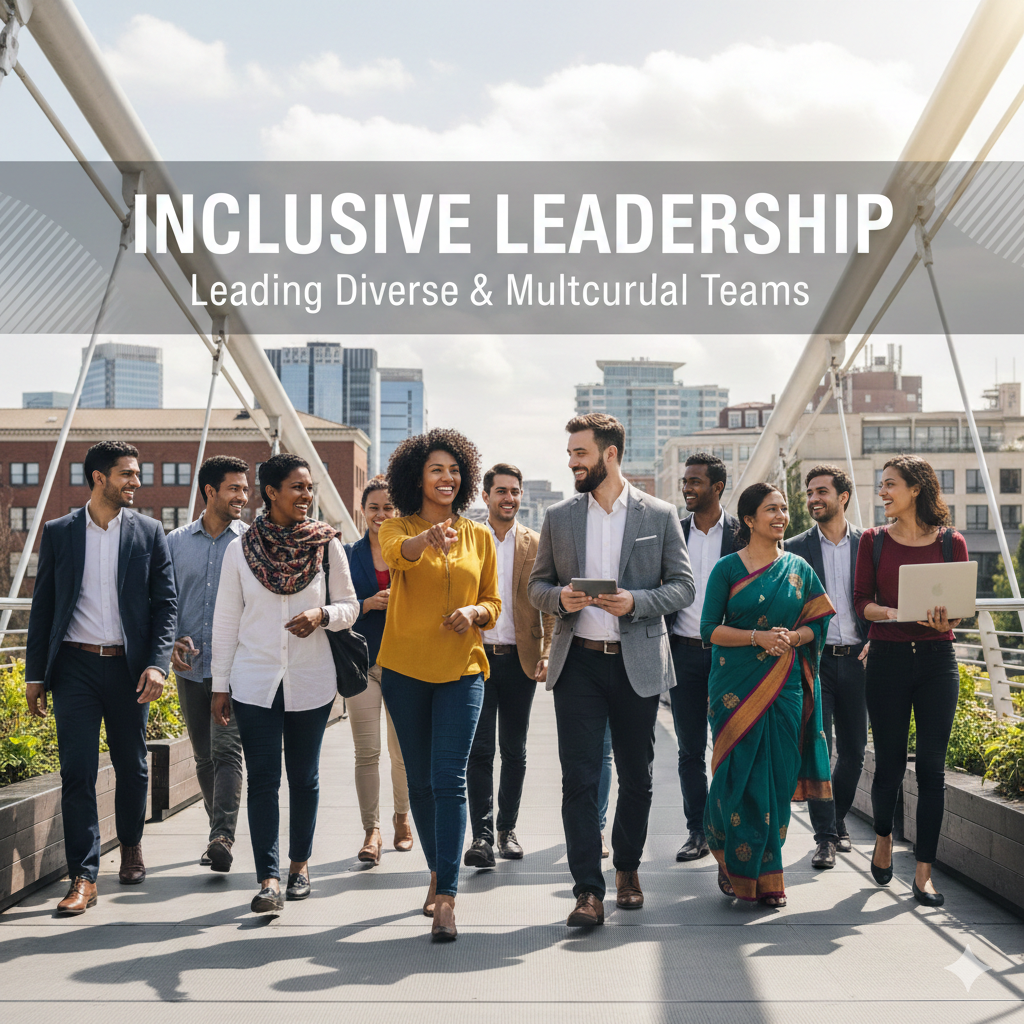
  • Inclusive Leadership: Leading Diverse and Multicultural Teams

    Inclusive Leadership: Leading Diverse and Multicultural Teams

    Introduction

    The modern workplace is more diverse than ever before. Organizations today bring together people from different cultures, backgrounds, languages, generations, and perspectives. This diversity is a powerful strength—but only when it is managed with inclusive leadership.

    Inclusive leadership is the ability to lead, support, and empower people from diverse backgrounds while ensuring everyone feels valued, respected, and heard. It is no longer just a “good-to-have” leadership quality. It is an essential skill for building successful teams and future-ready organizations.

    At CVDragon, we believe inclusive leadership is a critical skill for professionals, managers, and future leaders. Leaders who embrace inclusion unlock the full potential of their teams and create environments where innovation and growth thrive.

    This article explores the importance of inclusive leadership, its benefits, key skills, and strategies to lead diverse and multicultural teams effectively.

    What is Inclusive Leadership?

    Inclusive leadership is a leadership approach that values diversity and ensures equal opportunities for all team members, regardless of their:

    • Culture
    • Gender
    • Nationality
    • Age
    • Religion
    • Background
    • Perspectives

    Inclusive leaders create an environment where everyone feels:

    • Respected
    • Valued
    • Supported
    • Included

    They ensure that every team member has a voice.

    Inclusive leadership is about fairness, empathy, and empowerment.

    Why Inclusive Leadership is Important

    1. Modern Workplaces are Diverse

    Globalization has connected the world.

    Organizations now hire employees from different cultures and regions.

    Inclusive leadership ensures smooth collaboration.

    It helps teams work together effectively.

    2. Improves Team Performance

    When people feel included, they perform better.

    They are more motivated.

    They contribute more ideas.

    Inclusion improves productivity.

    3. Encourages Innovation

    Diverse teams bring diverse ideas.

    Different perspectives lead to creative solutions.

    Inclusive leaders encourage idea sharing.

    This drives innovation.

    4. Builds Employee Trust and Engagement

    Employees who feel respected trust their leaders.

    They feel connected to the organization.

    This improves job satisfaction.

    It also reduces employee turnover.

    5. Strengthens Organizational Success

    Inclusive organizations perform better.

    They attract better talent.

    They build stronger teams.

    Inclusive leadership drives long-term success.

    Characteristics of Inclusive Leaders

    Inclusive leaders demonstrate specific qualities.

    1. Respect for Diversity

    Inclusive leaders respect differences.

    They value each person’s uniqueness.

    They do not discriminate.

    They treat everyone fairly.

    2. Strong Communication Skills

    Inclusive leaders listen carefully.

    They encourage open communication.

    They ensure everyone is heard.

    Good communication builds trust.

    3. Empathy and Understanding

    Empathy is the ability to understand others’ feelings.

    Inclusive leaders try to understand different perspectives.

    They support their team members.

    Empathy builds strong relationships.

    4. Open-Mindedness

    Inclusive leaders welcome new ideas.

    They do not reject ideas based on bias.

    They encourage creativity.

    Open-minded leaders build innovative teams.

    5. Fair Decision-Making

    Inclusive leaders make fair decisions.

    They avoid favoritism.

    They consider all perspectives.

    This builds trust.

    6. Cultural Awareness

    Inclusive leaders understand cultural differences.

    They respect traditions and values.

    This prevents misunderstandings.

    It promotes harmony.

    Benefits of Inclusive Leadership

    Inclusive leadership offers many advantages.

    Improved Team Collaboration

    Inclusive teams work better together.

    They communicate effectively.

    They support each other.

    Increased Employee Confidence

    When employees feel valued, their confidence grows.

    They perform better.

    Better Problem Solving

    Diverse perspectives improve decision-making.

    Teams find better solutions.

    Higher Employee Retention

    Employees stay longer in inclusive workplaces.

    They feel respected.

    This reduces hiring costs.

    Stronger Workplace Culture

    Inclusion creates positive work environments.

    People feel happy and motivated.

    Challenges in Leading Diverse Teams

    Leading diverse teams also comes with challenges.

    Understanding these challenges helps leaders manage them.

    Communication Barriers

    Language differences can create misunderstandings.

    Leaders must ensure clear communication.

    Cultural Differences

    Different cultures have different work styles.

    Leaders must respect these differences.

    Unconscious Bias

    Bias can affect decisions unknowingly.

    Inclusive leaders must avoid bias.

    They must treat everyone fairly.

    Conflict Between Team Members

    Differences can lead to conflict.

    Inclusive leaders manage conflicts professionally.

    They promote mutual respect.

    Strategies for Inclusive Leadership

    Inclusive leadership can be developed.

    Here are practical strategies.

    1. Create a Culture of Respect

    Respect is the foundation of inclusion.

    Treat everyone equally.

    Encourage respect among team members.

    2. Encourage Open Communication

    Allow employees to share ideas.

    Listen actively.

    Value their opinions.

    This builds trust.

    3. Learn About Different Cultures

    Understand your team’s backgrounds.

    Respect cultural differences.

    This improves relationships.

    4. Provide Equal Opportunities

    Give equal opportunities to everyone.

    Avoid favoritism.

    Support employee growth.

    5. Address Bias and Discrimination

    Do not tolerate discrimination.

    Promote fairness.

    Create a safe environment.

    6. Encourage Collaboration

    Promote teamwork.

    Encourage employees to work together.

    This builds unity.

    7. Be an Example

    Leaders influence teams.

    Show inclusive behavior.

    Your team will follow you.

    Role of Inclusive Leadership in Global Organizations

    Global organizations depend on inclusive leadership.

    Teams may include members from different countries.

    Inclusive leadership helps manage global teams effectively.

    It improves communication.

    It strengthens collaboration.

    It ensures success.

    Inclusive Leadership and Career Growth

    Inclusive leadership is a valuable career skill.

    Professionals with inclusive leadership skills:

    • Become better managers
    • Build stronger teams
    • Earn leadership positions

    Organizations prefer inclusive leaders.

    It improves career opportunities.

    At CVDragon, we believe inclusive leadership is essential for future leaders.

    Inclusive Leadership for New Managers

    New managers must develop inclusive leadership early.

    This helps them:

    • Build trust
    • Manage diverse teams
    • Improve performance

    It strengthens leadership effectiveness.

    Building Inclusive Workplace Culture

    Inclusive leaders create inclusive workplaces.

    They promote:

    • Respect
    • Fairness
    • Equality

    Inclusive culture improves employee happiness.

    It improves productivity.

    The Future of Leadership is Inclusive

    The future workplace will be more diverse.

    Inclusive leadership will become more important.

    Organizations will depend on inclusive leaders.

    Inclusive leadership is not optional.

    It is essential.

    How Individuals Can Practice Inclusive Leadership

    You do not need to be a manager to practice inclusive leadership.

    Anyone can:

    • Respect others
    • Listen actively
    • Avoid bias
    • Support teammates

    Inclusive behavior builds leadership skills.

    Real Leadership is About Empowering Everyone

    Leadership is not about power.

    It is about empowering others.

    Inclusive leaders help others succeed.

    They create opportunities.

    They build strong teams.

    This is true leadership.

    Conclusion

    Inclusive leadership is essential for leading diverse and multicultural teams. It creates environments where people feel valued, respected, and empowered.

    Inclusive leaders improve team performance, encourage innovation, and build strong organizations.

    In today’s global workplace, inclusive leadership is a must-have skill.

    At CVDragon, we believe inclusive leadership is the foundation of modern leadership. Leaders who embrace diversity and inclusion build stronger teams, better workplaces, and successful careers.

    Because true leadership is not about leading people who are the same—

    It is about leading people who are different, and helping them succeed together.

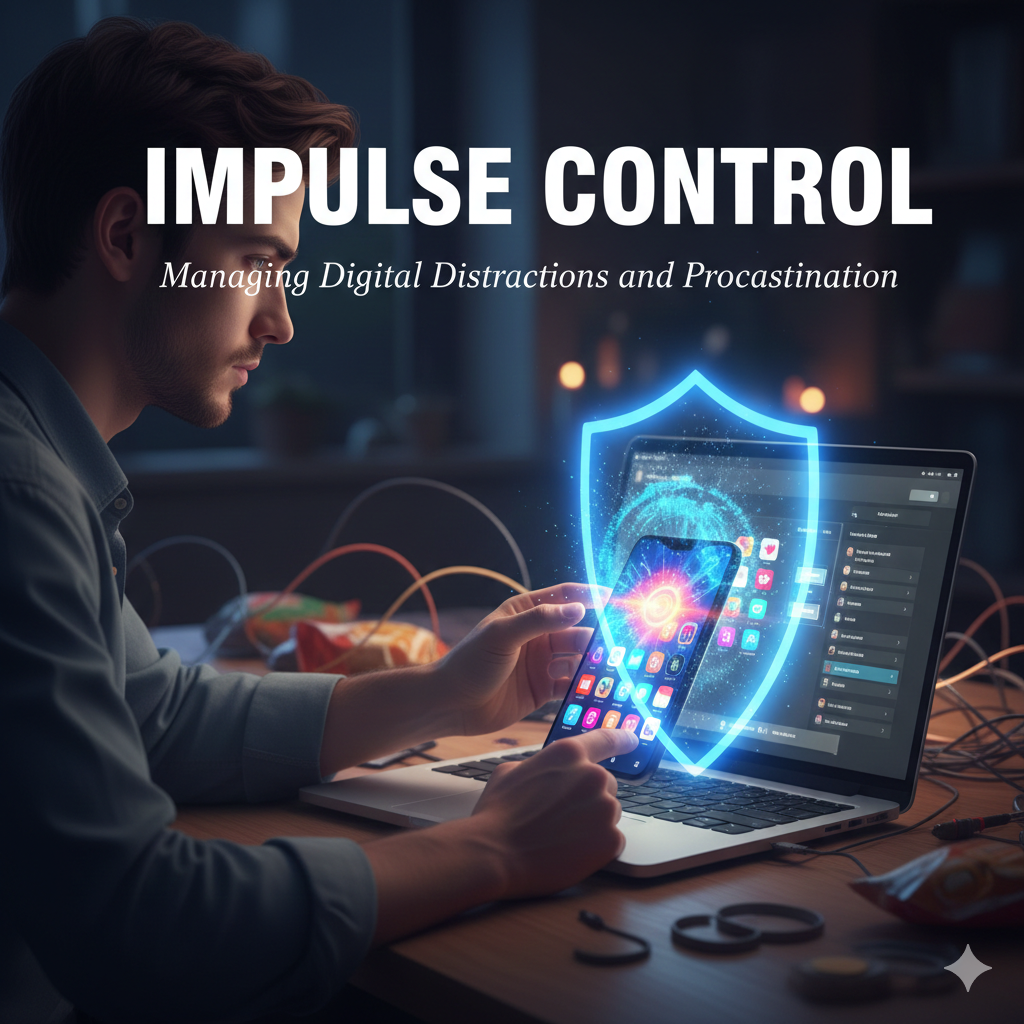
  • Impulse Control: Managing Digital Distractions and Procrastination

    Impulse Control: Managing Digital Distractions and Procrastination

    Introduction

    In the digital age, distractions are everywhere. A simple notification, a social media scroll, or a quick video can turn into hours of lost time. Many students and professionals struggle to stay focused, not because they lack ability, but because they lack impulse control.

    Impulse control is the ability to resist short-term temptations in order to achieve long-term goals. It is a critical skill for productivity, success, and personal growth. Without it, people often fall into the trap of digital distractions and procrastination.

    At CVDragon, we believe impulse control is a core success skill. Learning to manage distractions and overcome procrastination can transform your productivity, improve your career, and help you achieve your goals faster.

    This article explores impulse control, the impact of digital distractions, and practical strategies to stay focused and productive.

    What is Impulse Control?

    Impulse control is the ability to pause and think before acting on urges, temptations, or distractions.

    It means choosing what is important over what is immediately enjoyable.

    For example:

    • Choosing to complete your work instead of scrolling social media
    • Studying instead of watching videos
    • Finishing tasks instead of delaying them

    Impulse control helps you stay disciplined.

    It supports long-term success.

    Understanding Digital Distractions

    Digital distractions are interruptions caused by digital devices.

    Common examples include:

    • Social media notifications
    • Mobile phone usage
    • Online videos
    • Messaging apps
    • Gaming

    These distractions reduce focus.

    They break concentration.

    They waste valuable time.

    How Digital Distractions Affect Productivity

    Digital distractions have serious consequences.

    Reduced Focus

    Every distraction breaks your concentration.

    It takes time to refocus.

    This reduces efficiency.

    Increased Procrastination

    Distractions encourage delay.

    You postpone important tasks.

    Work remains incomplete.

    Lower Quality Work

    Lack of focus leads to mistakes.

    Quality suffers.

    Increased Stress

    Incomplete work creates pressure.

    This increases stress and anxiety.

    What is Procrastination?

    Procrastination is the habit of delaying important tasks.

    Instead of doing work, people do less important activities.

    Examples include:

    • Checking social media
    • Watching videos
    • Doing unnecessary tasks

    Procrastination reduces productivity.

    It delays success.

    Why People Procrastinate

    Understanding the reasons helps solve the problem.

    Common causes include:

    Lack of Motivation

    Tasks may feel boring or difficult.

    People avoid them.

    Fear of Failure

    Fear creates avoidance.

    People delay tasks.

    Lack of Discipline

    Self-control is weak.

    Distractions win.

    Instant Gratification

    Digital platforms provide quick pleasure.

    Work requires effort.

    People choose easy pleasure.

    Importance of Impulse Control

    Impulse control is essential for success.

    Improves Productivity

    You complete tasks faster.

    Builds Discipline

    You develop self-control.

    Reduces Stress

    Completed work reduces pressure.

    Improves Career Growth

    Focused individuals perform better.

    Employers value disciplined people.

    Practical Strategies to Manage Digital Distractions

    Here are effective strategies:

    1. Turn Off Notifications

    Notifications trigger distractions.

    Turn off unnecessary alerts.

    This improves focus.

    2. Keep Your Phone Away

    Keep your phone out of reach while working.

    This reduces temptation.

    3. Use Time Blocking

    Set specific time for work.

    Focus only on work during that time.

    4. Follow the 5-Minute Rule

    Start work for just 5 minutes.

    Starting reduces resistance.

    You often continue longer.

    5. Create a Dedicated Workspace

    Use a specific place for work.

    Avoid working in distracting environments.

    6. Use Productivity Techniques

    Techniques like:

    • Pomodoro Technique
    • Task scheduling

    Improve focus.

    7. Set Clear Goals

    Clear goals improve motivation.

    You know what to do.

    8. Avoid Multitasking

    Focus on one task.

    Multitasking reduces efficiency.

    How to Overcome Procrastination

    Procrastination can be controlled.

    Break Tasks into Smaller Steps

    Small tasks feel easier.

    This reduces delay.

    Start Immediately

    Do not wait for motivation.

    Action creates motivation.

    Remove Distractions

    Control your environment.

    Reduce temptation.

    Reward Yourself

    Give yourself small rewards.

    This builds positive habits.

    Role of Self-Discipline in Impulse Control

    Impulse control is connected to discipline.

    Discipline means doing what is necessary, even when you don’t feel like it.

    Discipline builds success.

    Successful people control their impulses.

    Benefits of Strong Impulse Control

    People with impulse control experience:

    • Higher productivity
    • Better focus
    • Career success
    • Personal growth

    They achieve more.

    Impulse Control in Professional Life

    In workplaces, distractions reduce performance.

    Employees with impulse control:

    • Meet deadlines
    • Produce better work
    • Earn promotions

    Employers value focus.

    Impulse control builds professional reputation.

    Impulse Control for Students

    Students face digital distractions daily.

    Impulse control helps students:

    • Study effectively
    • Improve academic performance
    • Achieve career goals

    It builds future success.

    Building Long-Term Focus Habits

    Impulse control improves with practice.

    Simple habits include:

    • Daily discipline
    • Limiting screen time
    • Setting priorities

    Consistency builds control.

    Digital Discipline is a Modern Superpower

    In a distracted world, focus is rare.

    People who control distractions gain advantage.

    They achieve more.

    They succeed faster.

    Impulse control is a competitive advantage.

    Conclusion

    Impulse control is essential for managing digital distractions and overcoming procrastination. In today’s digital world, distractions are constant, but success depends on your ability to stay focused.

    By controlling impulses, you improve productivity, reduce stress, and achieve your goals faster.

    Simple habits like turning off notifications, setting goals, and building discipline can transform your focus.

    At CVDragon, we believe success is not about working harder, but about working smarter and staying focused on what truly matters.

    Because your future is built not by what you intend to do—

    But by what you actually do.

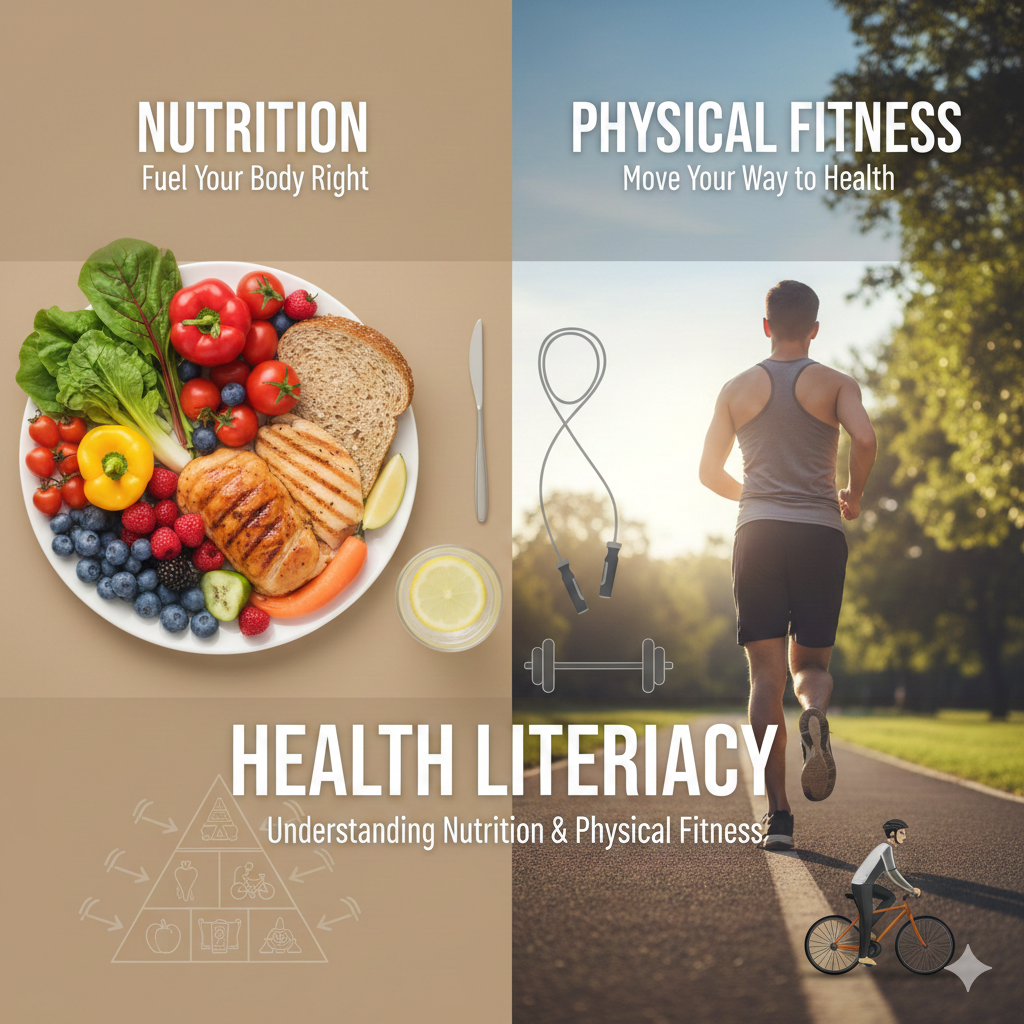
  • Health Literacy: Understanding nutrition and physical fitness

    Health Literacy: Understanding nutrition and physical fitness

    Introduction

    In today’s fast-paced world, maintaining good health is more important than ever. However, staying healthy is not just about exercising occasionally or eating less junk food. It begins with health literacy — the ability to understand, evaluate, and apply health information to make better decisions about your body and lifestyle.

    Health literacy empowers individuals to take control of their well-being. It helps people understand nutrition, physical fitness, disease prevention, and healthy habits. Without proper health literacy, people may follow unhealthy diets, avoid exercise, or make poor lifestyle choices that harm their long-term health.

    At CVDragon, we believe that health literacy is a life skill. A healthy individual is more productive, confident, and capable of achieving personal and professional success.

    This article explores the importance of health literacy, focusing on nutrition and physical fitness, and how these elements contribute to a healthier life.

    What is Health Literacy?

    Health literacy is the ability to access, understand, and use health information to make informed decisions.

    It includes understanding:

    • Nutrition and diet
    • Exercise and fitness
    • Disease prevention
    • Mental and physical health

    Health literacy helps individuals take responsibility for their health.

    It allows people to make smarter choices.

    Why Health Literacy is Important

    1. Helps Prevent Diseases

    Proper health knowledge helps prevent diseases such as:

    • Obesity
    • Diabetes
    • Heart disease

    Healthy eating and exercise reduce health risks.

    2. Improves Quality of Life

    Healthy individuals:

    • Have more energy
    • Feel more confident
    • Experience less stress

    Health literacy improves overall well-being.

    3. Increases Productivity

    Healthy people perform better at work and school.

    They have:

    • Better focus
    • Higher energy levels
    • Improved performance

    Health directly affects productivity.

    4. Helps Make Better Lifestyle Choices

    Health literacy helps people avoid:

    • Unhealthy diets
    • Sedentary lifestyles
    • Harmful habits

    It promotes better living.

    Understanding Nutrition

    Nutrition is the foundation of good health.

    It provides the body with the energy and nutrients needed to function properly.

    What are Nutrients?

    Nutrients are substances the body needs to survive and grow.

    There are two main types:

    Macronutrients

    These are needed in large amounts.

    They include:

    Carbohydrates

    • Main source of energy
    • Found in rice, bread, fruits

    Proteins

    • Help build and repair muscles
    • Found in eggs, beans, meat

    Fats

    • Provide energy
    • Support cell function
    • Found in nuts, oils

    Micronutrients

    These are needed in smaller amounts.

    They include:

    Vitamins

    Support immune system and body functions.

    Minerals

    Support bones and overall health.

    Examples include calcium and iron.

    Importance of Balanced Diet

    A balanced diet includes all nutrients in proper amounts.

    Benefits include:

    • Better energy
    • Strong immune system
    • Healthy body weight

    Avoid extreme diets.

    Balance is key.

    Importance of Hydration

    Water is essential.

    It helps:

    • Regulate body temperature
    • Support digestion
    • Improve energy

    Drink enough water daily.

    Dehydration causes fatigue.

    Understanding Physical Fitness

    Physical fitness is the ability of the body to perform activities efficiently.

    Exercise is essential for good health.

    It strengthens the body and mind.

    Benefits of Physical Fitness

    1. Improves Physical Health

    Exercise:

    • Strengthens muscles
    • Improves heart health
    • Maintains healthy weight

    2. Improves Mental Health

    Exercise reduces:

    • Stress
    • Anxiety
    • Depression

    It improves mood.

    3. Increases Energy

    Active people feel more energetic.

    Exercise improves stamina.

    4. Prevents Diseases

    Exercise reduces risk of:

    • Heart disease
    • Diabetes
    • Obesity

    Types of Physical Exercise

    A balanced fitness routine includes different types of exercise.

    1. Strength Training

    Builds muscles.

    Examples:

    • Weight lifting
    • Push-ups

    2. Cardiovascular Exercise

    Improves heart health.

    Examples:

    • Running
    • Walking
    • Cycling

    3. Flexibility Exercise

    Improves movement.

    Examples:

    • Stretching
    • Yoga

    4. Balance Exercise

    Improves stability.

    Examples:

    • Balance training
    • Simple coordination exercises

    Relationship Between Nutrition and Fitness

    Nutrition and fitness work together.

    Exercise without proper nutrition leads to weakness.

    Nutrition without exercise leads to poor fitness.

    Both are essential.

    They support each other.

    Common Health Mistakes People Make

    Many people lack proper health literacy.

    Common mistakes include:

    • Skipping meals
    • Eating excessive junk food
    • Not exercising
    • Following unhealthy diet trends

    These habits harm health.

    Proper knowledge helps avoid these mistakes.

    Simple Tips to Improve Health Literacy

    Improving health literacy is possible.

    Eat Balanced Meals

    Include:

    • Fruits
    • Vegetables
    • Proteins

    Avoid excessive junk food.

    Exercise Regularly

    Even 30 minutes daily helps.

    Consistency is important.

    Stay Hydrated

    Drink enough water.

    Get Enough Sleep

    Sleep helps recovery.

    Poor sleep affects health.

    Learn Continuously

    Read reliable health information.

    Stay informed.

    Health Literacy and Professional Success

    Health literacy also supports career success.

    Healthy individuals:

    • Have better focus
    • Are more productive
    • Take fewer sick days

    Health supports performance.

    At CVDragon, we believe personal health and career success are connected.

    Healthy professionals perform better.

    Role of Organizations in Promoting Health Literacy

    Workplaces can promote health literacy by:

    • Encouraging exercise
    • Providing health programs
    • Promoting healthy lifestyles

    Healthy employees improve workplace performance.

    Health Literacy is a Lifelong Skill

    Health literacy is not temporary.

    It is a lifelong skill.

    Healthy habits build long-term benefits.

    Investing in health improves life quality.

    Conclusion

    Health literacy is essential for understanding nutrition and physical fitness. It helps individuals make informed decisions, prevent diseases, and improve quality of life.

    Nutrition provides the body with energy and essential nutrients.

    Physical fitness strengthens the body and mind.

    Together, they create a healthy lifestyle.

    At CVDragon, we believe that health literacy is not just about living longer — it is about living better, stronger, and more productive lives.

    Because your health is your greatest asset.

    And understanding it is your greatest responsibility.

  • Handling Constructive Criticism: Turning feedback into growth

    Handling Constructive Criticism: Turning feedback into growth

    Introduction

    No matter how skilled, experienced, or talented you are, feedback is an inevitable part of personal and professional life. Whether it comes from a manager, teacher, colleague, or client, constructive criticism can sometimes feel uncomfortable. However, when handled correctly, it becomes one of the most powerful tools for growth and success.

    Constructive criticism is not meant to discourage you. It is meant to help you improve. The ability to accept, understand, and apply feedback is a key skill that separates stagnant individuals from those who continuously grow.

    At CVDragon, we believe that learning how to handle constructive criticism is essential for career development, professional success, and personal growth.

    This article explores the importance of constructive criticism, why it matters, and how you can turn feedback into a powerful opportunity for improvement.

    What is Constructive Criticism?

    Constructive criticism is feedback given with the intention of helping someone improve their performance, behavior, or skills.

    Unlike negative criticism, constructive criticism is:

    • Specific
    • Helpful
    • Respectful
    • Focused on improvement

    It highlights areas of improvement while encouraging growth.

    For example:

    Instead of saying, “Your presentation was bad,” constructive criticism would be:

    “Your presentation had great content, but improving eye contact and confidence will make it more effective.”

    This type of feedback guides improvement.

    Why Constructive Criticism is Important

    1. Helps You Improve Your Skills

    Feedback helps you identify your weaknesses.

    Without feedback, you may never realize what needs improvement.

    Constructive criticism shows you how to become better.

    2. Accelerates Professional Growth

    Professionals who accept feedback grow faster.

    They learn from mistakes and improve continuously.

    This makes them more valuable in the workplace.

    3. Builds Self-Awareness

    Feedback helps you understand how others see your work.

    This increases self-awareness.

    Self-aware individuals make better decisions.

    4. Strengthens Workplace Relationships

    Accepting feedback professionally shows maturity.

    It builds trust with managers and colleagues.

    It shows that you are open to learning.

    5. Prepares You for Leadership Roles

    Leaders receive feedback regularly.

    Learning to handle criticism prepares you for leadership.

    Strong leaders use feedback to improve.

    Why People Struggle with Criticism

    Many people feel uncomfortable when receiving criticism.

    Common reasons include:

    • Fear of failure
    • Ego and pride
    • Lack of confidence
    • Feeling personally attacked

    These reactions are natural.

    However, learning to manage these emotions is important.

    Feedback is about improvement, not personal attack.

    How to Handle Constructive Criticism Effectively

    Handling criticism professionally is a valuable skill.

    Here are practical steps to do it effectively.

    1. Stay Calm and Listen Carefully

    Your first reaction matters.

    Avoid:

    • Interrupting
    • Becoming defensive
    • Arguing immediately

    Listen carefully to understand the feedback.

    Staying calm shows professionalism.

    2. Do Not Take It Personally

    Criticism is about your work, not your worth.

    Separate your identity from your performance.

    This mindset makes feedback easier to accept.

    3. Ask Questions for Clarity

    If something is unclear, ask politely.

    For example:

    • “Can you explain how I can improve this?”
    • “Can you give an example?”

    This shows willingness to learn.

    4. Accept Feedback with Gratitude

    Thank the person for their feedback.

    For example:

    “Thank you for your feedback. I will work on improving it.”

    This shows professionalism and maturity.

    5. Reflect on the Feedback

    Take time to think about the feedback.

    Ask yourself:

    • Is this feedback valid?
    • What can I improve?

    Reflection leads to growth.

    6. Create an Improvement Plan

    Turn feedback into action.

    For example:

    If feedback says improve communication, you can:

    • Practice speaking
    • Attend training
    • Seek mentorship

    Action is key.

    7. Follow Up and Show Improvement

    Demonstrate that you applied the feedback.

    This builds trust.

    It shows your commitment to growth.

    Benefits of Accepting Constructive Criticism

    People who accept feedback grow faster.

    Benefits include:

    Improved Performance

    You correct mistakes and improve quality.

    Faster Career Growth

    Employers value people who learn and improve.

    Increased Confidence

    Improvement builds confidence.

    Stronger Professional Reputation

    You are seen as professional and mature.

    Turning Criticism into Opportunity

    Successful people see criticism differently.

    They see it as:

    • Learning opportunity
    • Growth opportunity
    • Improvement tool

    Instead of feeling discouraged, they feel motivated.

    This mindset leads to success.

    Constructive Criticism in the Workplace

    Feedback is common in professional environments.

    Examples include:

    • Performance reviews
    • Manager feedback
    • Client feedback

    Employees who handle feedback well perform better.

    They also earn promotions faster.

    Feedback is part of professional life.

    Constructive Criticism for Students

    Students also benefit from feedback.

    Teachers help students improve:

    • Writing
    • Communication
    • Knowledge

    Students who accept feedback perform better academically.

    It prepares them for professional life.

    Common Mistakes to Avoid

    Avoid these mistakes:

    Becoming Defensive

    Defensiveness blocks learning.

    Ignoring Feedback

    Ignoring feedback prevents growth.

    Taking It Personally

    This creates emotional stress.

    Not Taking Action

    Feedback is useless without action.

    How Organizations Benefit from Feedback Culture

    Organizations that encourage feedback grow faster.

    Benefits include:

    • Better employee performance
    • Stronger teams
    • Improved productivity

    Feedback creates continuous improvement.

    How to Develop a Growth Mindset

    Growth mindset means believing you can improve.

    To develop it:

    • Accept mistakes
    • Learn continuously
    • Welcome feedback

    Growth mindset leads to success.

    Real Success Comes from Continuous Improvement

    No one is perfect.

    Everyone has room to improve.

    Feedback helps you reach your potential.

    Successful professionals continuously improve.

    They never stop learning.

    Conclusion

    Handling constructive criticism is one of the most important skills for personal and professional growth. Feedback helps you improve your skills, build self-awareness, and grow in your career.

    Instead of fearing criticism, you should welcome it.

    Constructive criticism is not your enemy.

    It is your guide.

    At CVDragon, we believe that feedback is a powerful tool for success. Those who learn from feedback grow faster, achieve more, and build stronger careers.

    Because growth does not come from comfort.

    Growth comes from learning, improving, and becoming better every day.