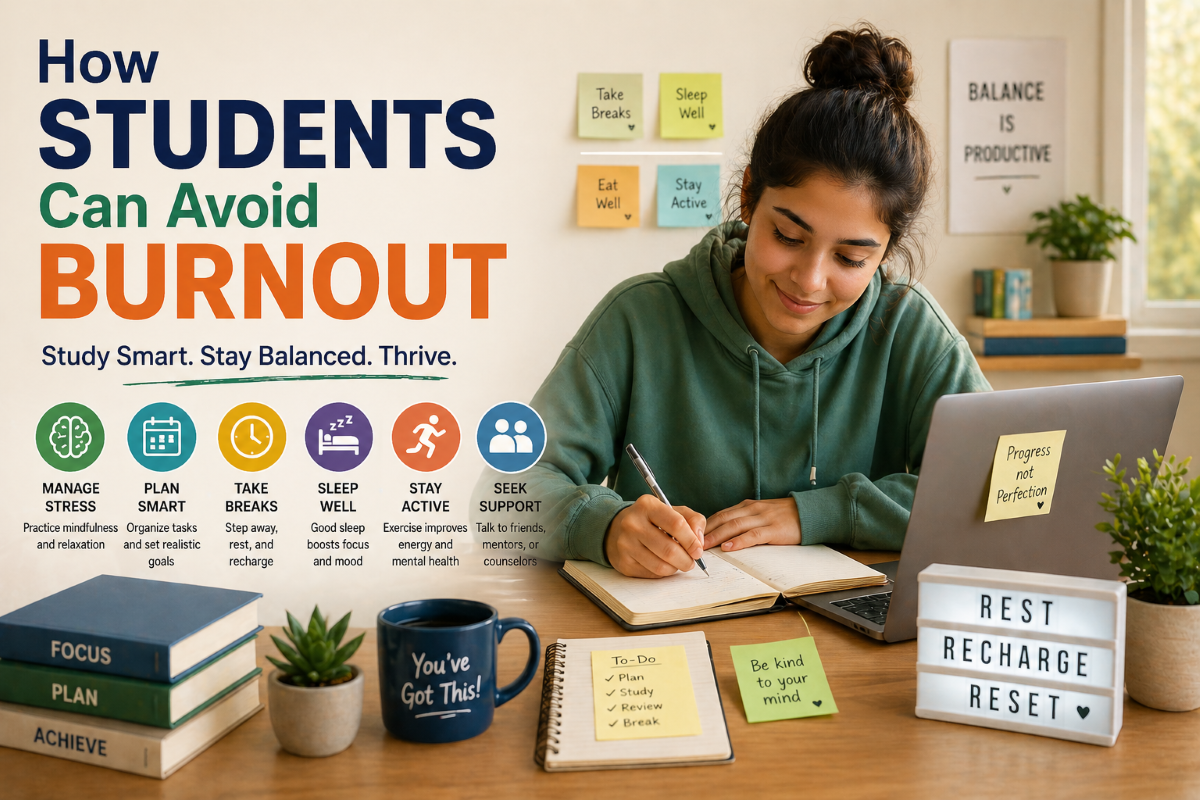
Student life often comes with constant pressure—assignments, exams, deadlines, and expectations. While working hard is important, pushing yourself without balance can lead to burnout, a state of mental, emotional, and physical exhaustion. Burnout doesn’t just affect academic performance; it can also impact overall well-being, motivation, and confidence.
At CvDragon, we believe that sustainable success comes from smart effort, not constant exhaustion. This guide will help students understand burnout and learn practical ways to avoid it while maintaining productivity and focus.
What Is Burnout?
Burnout is more than just feeling tired. It is a prolonged state of stress that leads to:
- Constant fatigue
- Lack of motivation
- Difficulty concentrating
- Irritability or frustration
- Reduced academic performance
Unlike normal stress, burnout doesn’t go away with a short break. It builds over time when students continuously overwork without proper rest and recovery.
Why Students Experience Burnout
Burnout is common among students due to several reasons:
- Heavy academic workload
- High expectations (self or external)
- Poor time management
- Lack of sleep
- Constant comparison with peers
- Fear of failure
In many cases, students try to do everything at once, which leads to exhaustion rather than productivity.
Recognize the Early Signs
Avoiding burnout starts with awareness.
Watch for early warning signs such as:
- Feeling tired even after rest
- Loss of interest in studies
- Procrastination
- Increased stress or anxiety
- Difficulty focusing
Recognizing these signs early allows you to take action before burnout becomes severe.
Build a Realistic Study Routine
One of the main causes of burnout is unrealistic planning.
Students often create intense schedules that are impossible to follow.
Fix:
Create a balanced routine that includes:
- Study time
- Breaks
- Sleep
- Leisure activities
Instead of studying for long hours in one stretch, break your study sessions into smaller, manageable blocks.
Consistency matters more than intensity.
Follow the 50–10 Rule
A simple and effective method is the 50–10 rule:
- Study for 50 minutes
- Take a 10-minute break
This helps maintain focus while giving your brain time to rest.
Short breaks improve productivity and prevent mental fatigue.
Prioritize Sleep
Sleep is often the first thing students sacrifice, but it is one of the most important factors in avoiding burnout.
Lack of sleep leads to:
- Poor concentration
- Low energy
- Memory issues
- Increased stress
Aim for 7–8 hours of sleep daily.
A well-rested mind learns faster and performs better.
Set Realistic Goals
Setting goals that are too high or unrealistic can lead to frustration.
Instead of saying:
“I will finish everything today”
Break tasks into smaller goals like:
- Complete one chapter
- Solve 10 problems
- Revise notes for 30 minutes
Achievable goals create a sense of progress and reduce pressure.
Learn to Say No
Students often take on too many responsibilities—academics, extracurricular activities, social commitments.
This leads to overload.
It is okay to say no to tasks that are not essential.
Focus on what truly matters for your goals.
Take Care of Your Physical Health
Physical health and mental health are closely connected.
Simple habits can make a big difference:
- Eat balanced meals
- Stay hydrated
- Exercise regularly
- Get fresh air
Even a 20-minute walk can reduce stress and refresh your mind.
Limit Digital Distractions
Constant phone usage and social media can drain mental energy.
It also creates unnecessary comparison and stress.
Fix:
- Set screen time limits
- Avoid using your phone during study sessions
- Use apps to block distractions
A focused mind is less likely to feel overwhelmed.
Practice Mindfulness and Relaxation
Relaxation techniques can help reduce stress and prevent burnout.
Try:
- Deep breathing exercises
- Meditation
- Journaling
- Listening to calming music
Even a few minutes of mindfulness daily can improve mental clarity.
Stay Connected with Others
Isolation can increase stress.
Talking to friends, classmates, or family members can help you feel supported.
Sharing your concerns often reduces mental pressure.
Group study sessions can also make learning more engaging.
Avoid Perfectionism
Many students aim for perfection in everything they do.
This can lead to constant stress and dissatisfaction.
Instead, focus on progress.
Doing your best is more important than doing everything perfectly.
Mistakes are part of learning.
Reward Yourself
Rewarding yourself for completing tasks can boost motivation.
Simple rewards include:
- Watching a show
- Taking a break
- Enjoying a snack
- Spending time on hobbies
Rewards create a positive association with studying.
Take Breaks Without Guilt
Many students feel guilty for taking breaks.
But breaks are necessary for productivity.
Rest is not wasted time—it is part of effective learning.
A refreshed mind performs better than an exhausted one.
Seek Help When Needed
If burnout becomes overwhelming, do not hesitate to seek help.
Talk to:
- Teachers
- Mentors
- Counselors
- Family members
Asking for help is a sign of awareness, not weakness.
Final Thoughts
Avoiding burnout is not about doing less—it is about doing things in a balanced and sustainable way. Students who manage their time, energy, and expectations effectively can achieve better results without exhausting themselves.
At CvDragon, we encourage students to focus on consistency, well-being, and smart learning strategies. Success is not about constant pressure—it is about maintaining the right balance.
Remember, taking care of yourself is just as important as achieving your goals.
Leave a Reply