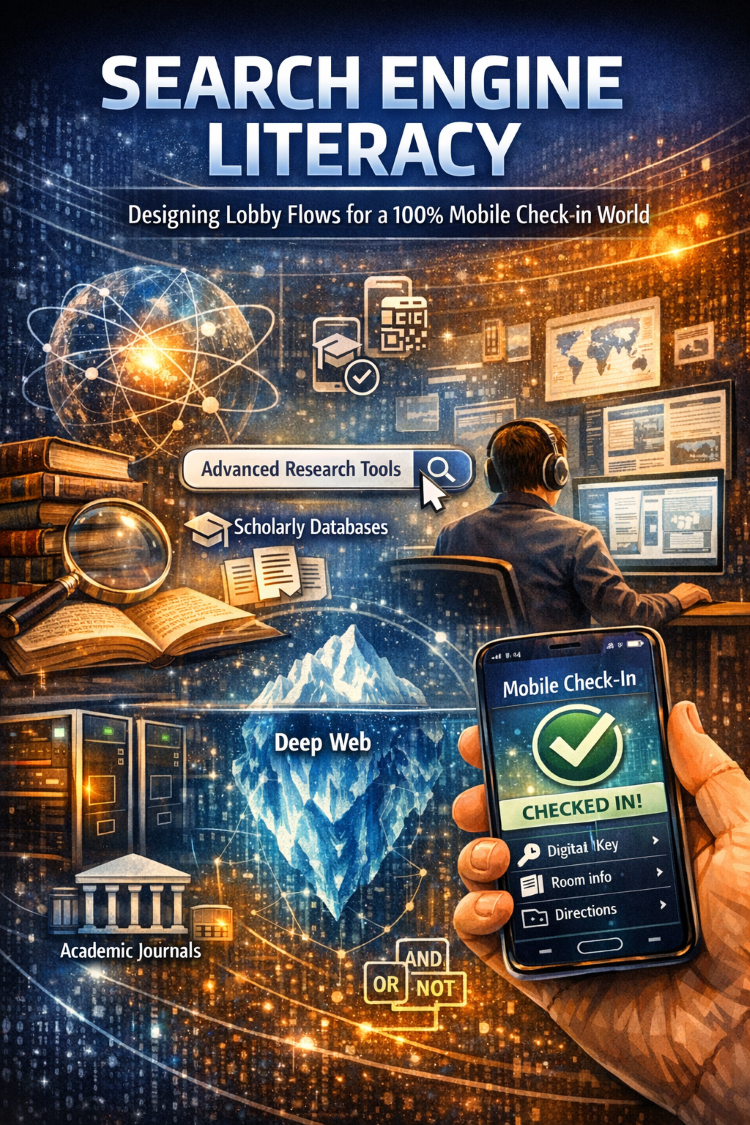
In the digital era, information is abundant—but accurate, relevant, and high-quality information is not always easy to find. Most people rely on basic search habits, typing simple queries into search engines and selecting the first few results. While this approach may work for general information, it often falls short when conducting in-depth research.
This is where search engine literacy becomes essential.
Search engine literacy is the ability to use advanced search techniques, tools, and strategies to find precise, credible, and meaningful information efficiently. It goes beyond basic searching and enables individuals to think critically, refine queries, and explore diverse sources.
At CVDragon, we believe that mastering search engine literacy is a critical skill for students, researchers, and professionals. This article explores advanced research techniques that go beyond basic search methods and help you become a smarter digital researcher.
What is Search Engine Literacy?
Search engine literacy refers to the ability to:
- Formulate effective search queries
- Use advanced search operators
- Evaluate source credibility
- Navigate different types of digital resources
- Filter and refine information efficiently
It combines technical knowledge with critical thinking skills.
Why Basic Search Skills Are Not Enough
Most users search using simple keywords.
For example:
- “climate change effects”
- “marketing strategies”
While these queries produce results, they often include:
- Irrelevant information
- Low-quality sources
- Repetitive content
- Outdated data
Advanced research requires precision, depth, and credibility, which basic searching cannot always provide.
Understanding How Search Engines Work
To search effectively, it is important to understand how search engines operate.
Search engines:
- Crawl websites
- Index content
- Rank pages based on relevance and quality
Factors influencing results include:
- Keywords
- Content quality
- Website authority
- User behavior
Understanding this process helps you refine your search strategies.
Advanced Search Techniques
Here are powerful techniques to improve research quality.
1. Use Specific and Targeted Keywords
Instead of broad queries, use precise keywords.
Example:
Instead of:
“education system”
Use:
“impact of digital learning on higher education outcomes”
Specific queries produce more relevant results.
2. Use Quotation Marks for Exact Phrases
Placing words in quotes searches for exact phrases.
Example:
“digital marketing strategy”
This reduces unrelated results.
3. Use Boolean Operators
Boolean operators refine searches.
- AND → includes both terms
- OR → includes either term
- NOT → excludes terms
Example:
“marketing strategy AND small business”
This narrows results effectively.
4. Use Site-Specific Searches
Limit searches to specific websites.
Example:
site:.edu research methodology
This retrieves academic content.
Useful for finding credible sources.
5. Use File Type Filters
Search for specific document formats.
Example:
“business analysis” filetype:pdf
This helps find reports, research papers, and official documents.
6. Use Advanced Search Tools
Search engines provide advanced filters such as:
- Date range
- Region
- Language
Filtering ensures updated and relevant information.
7. Explore Alternative Search Engines
Relying only on one search engine limits perspective.
Different platforms provide different results.
Examples include:
- Academic databases
- Research repositories
- Specialized search tools
Using multiple sources improves research quality.
8. Evaluate Source Credibility
Not all information is reliable.
Check:
- Author expertise
- Publication source
- References and citations
- Date of publication
Critical evaluation prevents misinformation.
9. Use Reverse Image Search
Images can be misleading.
Reverse image search helps verify:
- Image origin
- Authenticity
- Context
This is especially useful for identifying misinformation.
10. Refine Searches Iteratively
Effective research is a process.
Start broad, then refine.
Adjust keywords based on results.
This improves accuracy over time.
Research Beyond Search Engines
Search engines are only one part of research.
Explore additional sources such as:
Academic Journals
Provide peer-reviewed and reliable information.
Books and E-books
Offer in-depth analysis.
Government and Institutional Reports
Provide credible data and statistics.
Professional Networks
Experts can provide insights not available online.
Developing Critical Thinking in Research
Search engine literacy requires more than technical skills.
It requires critical thinking.
Ask:
- Is this information reliable?
- Is the source biased?
- Are there multiple perspectives?
Critical thinking ensures informed conclusions.
Search Engine Literacy for Students
Students benefit by:
- Producing better research papers
- Avoiding plagiarism
- Using credible sources
- Improving academic performance
It strengthens academic skills.
Search Engine Literacy for Professionals
Professionals use research for:
- Decision-making
- Strategy development
- Market analysis
Accurate information leads to better business outcomes.
Common Mistakes to Avoid
Avoid these errors:
Using Vague Keywords
Leads to irrelevant results.
Trusting First Results Blindly
Top results are not always the best.
Ignoring Source Credibility
Can lead to misinformation.
Not Refining Searches
Limits depth of research.
Benefits of Search Engine Literacy
Mastering this skill provides:
- Faster access to accurate information
- Better research quality
- Improved decision-making
- Stronger academic and professional performance
It is a valuable digital skill.
The Future of Research Skills
As information continues to grow, search engine literacy will become more important.
Professionals who can find, evaluate, and use information effectively will have a competitive advantage.
It is a future-ready skill.
Conclusion
Search engine literacy is the ability to go beyond basic Google searches and conduct effective, advanced research. It involves using precise queries, advanced techniques, and critical thinking to find accurate and meaningful information.
In a world full of information, the real skill lies in finding the right information.
At CVDragon, we believe that individuals who master research skills gain knowledge faster, make better decisions, and achieve greater success.
Because in the digital age, knowledge is not just about what you know—
It is about how well you can find it.
Leave a Reply