Introduction
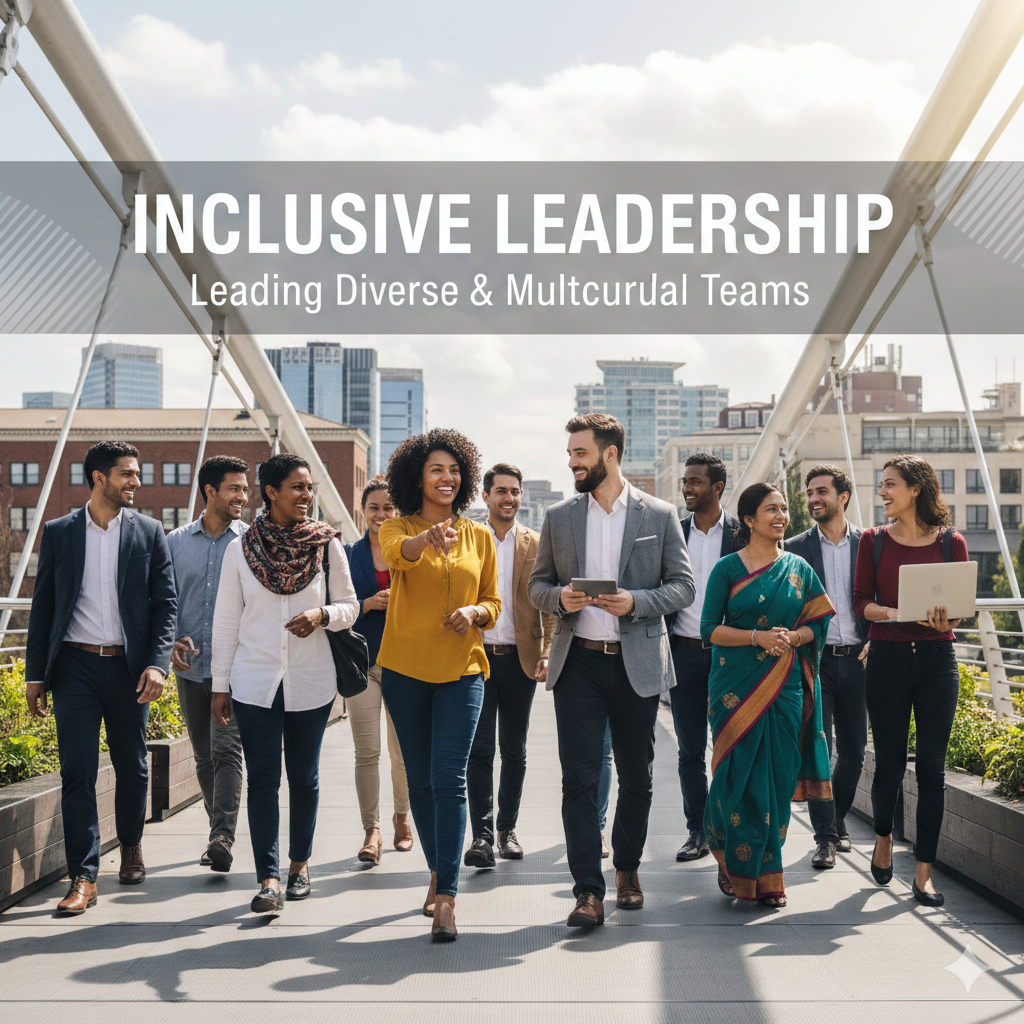
The modern workplace is more diverse than ever before. Organizations today bring together people from different cultures, backgrounds, languages, generations, and perspectives. This diversity is a powerful strength—but only when it is managed with inclusive leadership.
Inclusive leadership is the ability to lead, support, and empower people from diverse backgrounds while ensuring everyone feels valued, respected, and heard. It is no longer just a “good-to-have” leadership quality. It is an essential skill for building successful teams and future-ready organizations.
At CVDragon, we believe inclusive leadership is a critical skill for professionals, managers, and future leaders. Leaders who embrace inclusion unlock the full potential of their teams and create environments where innovation and growth thrive.
This article explores the importance of inclusive leadership, its benefits, key skills, and strategies to lead diverse and multicultural teams effectively.
What is Inclusive Leadership?
Inclusive leadership is a leadership approach that values diversity and ensures equal opportunities for all team members, regardless of their:
- Culture
- Gender
- Nationality
- Age
- Religion
- Background
- Perspectives
Inclusive leaders create an environment where everyone feels:
- Respected
- Valued
- Supported
- Included
They ensure that every team member has a voice.
Inclusive leadership is about fairness, empathy, and empowerment.
Why Inclusive Leadership is Important
1. Modern Workplaces are Diverse
Globalization has connected the world.
Organizations now hire employees from different cultures and regions.
Inclusive leadership ensures smooth collaboration.
It helps teams work together effectively.
2. Improves Team Performance
When people feel included, they perform better.
They are more motivated.
They contribute more ideas.
Inclusion improves productivity.
3. Encourages Innovation
Diverse teams bring diverse ideas.
Different perspectives lead to creative solutions.
Inclusive leaders encourage idea sharing.
This drives innovation.
4. Builds Employee Trust and Engagement
Employees who feel respected trust their leaders.
They feel connected to the organization.
This improves job satisfaction.
It also reduces employee turnover.
5. Strengthens Organizational Success
Inclusive organizations perform better.
They attract better talent.
They build stronger teams.
Inclusive leadership drives long-term success.
Characteristics of Inclusive Leaders
Inclusive leaders demonstrate specific qualities.
1. Respect for Diversity
Inclusive leaders respect differences.
They value each person’s uniqueness.
They do not discriminate.
They treat everyone fairly.
2. Strong Communication Skills
Inclusive leaders listen carefully.
They encourage open communication.
They ensure everyone is heard.
Good communication builds trust.
3. Empathy and Understanding
Empathy is the ability to understand others’ feelings.
Inclusive leaders try to understand different perspectives.
They support their team members.
Empathy builds strong relationships.
4. Open-Mindedness
Inclusive leaders welcome new ideas.
They do not reject ideas based on bias.
They encourage creativity.
Open-minded leaders build innovative teams.
5. Fair Decision-Making
Inclusive leaders make fair decisions.
They avoid favoritism.
They consider all perspectives.
This builds trust.
6. Cultural Awareness
Inclusive leaders understand cultural differences.
They respect traditions and values.
This prevents misunderstandings.
It promotes harmony.
Benefits of Inclusive Leadership
Inclusive leadership offers many advantages.
Improved Team Collaboration
Inclusive teams work better together.
They communicate effectively.
They support each other.
Increased Employee Confidence
When employees feel valued, their confidence grows.
They perform better.
Better Problem Solving
Diverse perspectives improve decision-making.
Teams find better solutions.
Higher Employee Retention
Employees stay longer in inclusive workplaces.
They feel respected.
This reduces hiring costs.
Stronger Workplace Culture
Inclusion creates positive work environments.
People feel happy and motivated.
Challenges in Leading Diverse Teams
Leading diverse teams also comes with challenges.
Understanding these challenges helps leaders manage them.
Communication Barriers
Language differences can create misunderstandings.
Leaders must ensure clear communication.
Cultural Differences
Different cultures have different work styles.
Leaders must respect these differences.
Unconscious Bias
Bias can affect decisions unknowingly.
Inclusive leaders must avoid bias.
They must treat everyone fairly.
Conflict Between Team Members
Differences can lead to conflict.
Inclusive leaders manage conflicts professionally.
They promote mutual respect.
Strategies for Inclusive Leadership
Inclusive leadership can be developed.
Here are practical strategies.
1. Create a Culture of Respect
Respect is the foundation of inclusion.
Treat everyone equally.
Encourage respect among team members.
2. Encourage Open Communication
Allow employees to share ideas.
Listen actively.
Value their opinions.
This builds trust.
3. Learn About Different Cultures
Understand your team’s backgrounds.
Respect cultural differences.
This improves relationships.
4. Provide Equal Opportunities
Give equal opportunities to everyone.
Avoid favoritism.
Support employee growth.
5. Address Bias and Discrimination
Do not tolerate discrimination.
Promote fairness.
Create a safe environment.
6. Encourage Collaboration
Promote teamwork.
Encourage employees to work together.
This builds unity.
7. Be an Example
Leaders influence teams.
Show inclusive behavior.
Your team will follow you.
Role of Inclusive Leadership in Global Organizations
Global organizations depend on inclusive leadership.
Teams may include members from different countries.
Inclusive leadership helps manage global teams effectively.
It improves communication.
It strengthens collaboration.
It ensures success.
Inclusive Leadership and Career Growth
Inclusive leadership is a valuable career skill.
Professionals with inclusive leadership skills:
- Become better managers
- Build stronger teams
- Earn leadership positions
Organizations prefer inclusive leaders.
It improves career opportunities.
At CVDragon, we believe inclusive leadership is essential for future leaders.
Inclusive Leadership for New Managers
New managers must develop inclusive leadership early.
This helps them:
- Build trust
- Manage diverse teams
- Improve performance
It strengthens leadership effectiveness.
Building Inclusive Workplace Culture
Inclusive leaders create inclusive workplaces.
They promote:
- Respect
- Fairness
- Equality
Inclusive culture improves employee happiness.
It improves productivity.
The Future of Leadership is Inclusive
The future workplace will be more diverse.
Inclusive leadership will become more important.
Organizations will depend on inclusive leaders.
Inclusive leadership is not optional.
It is essential.
How Individuals Can Practice Inclusive Leadership
You do not need to be a manager to practice inclusive leadership.
Anyone can:
- Respect others
- Listen actively
- Avoid bias
- Support teammates
Inclusive behavior builds leadership skills.
Real Leadership is About Empowering Everyone
Leadership is not about power.
It is about empowering others.
Inclusive leaders help others succeed.
They create opportunities.
They build strong teams.
This is true leadership.
Conclusion
Inclusive leadership is essential for leading diverse and multicultural teams. It creates environments where people feel valued, respected, and empowered.
Inclusive leaders improve team performance, encourage innovation, and build strong organizations.
In today’s global workplace, inclusive leadership is a must-have skill.
At CVDragon, we believe inclusive leadership is the foundation of modern leadership. Leaders who embrace diversity and inclusion build stronger teams, better workplaces, and successful careers.
Because true leadership is not about leading people who are the same—
It is about leading people who are different, and helping them succeed together.
Leave a Reply