Introduction
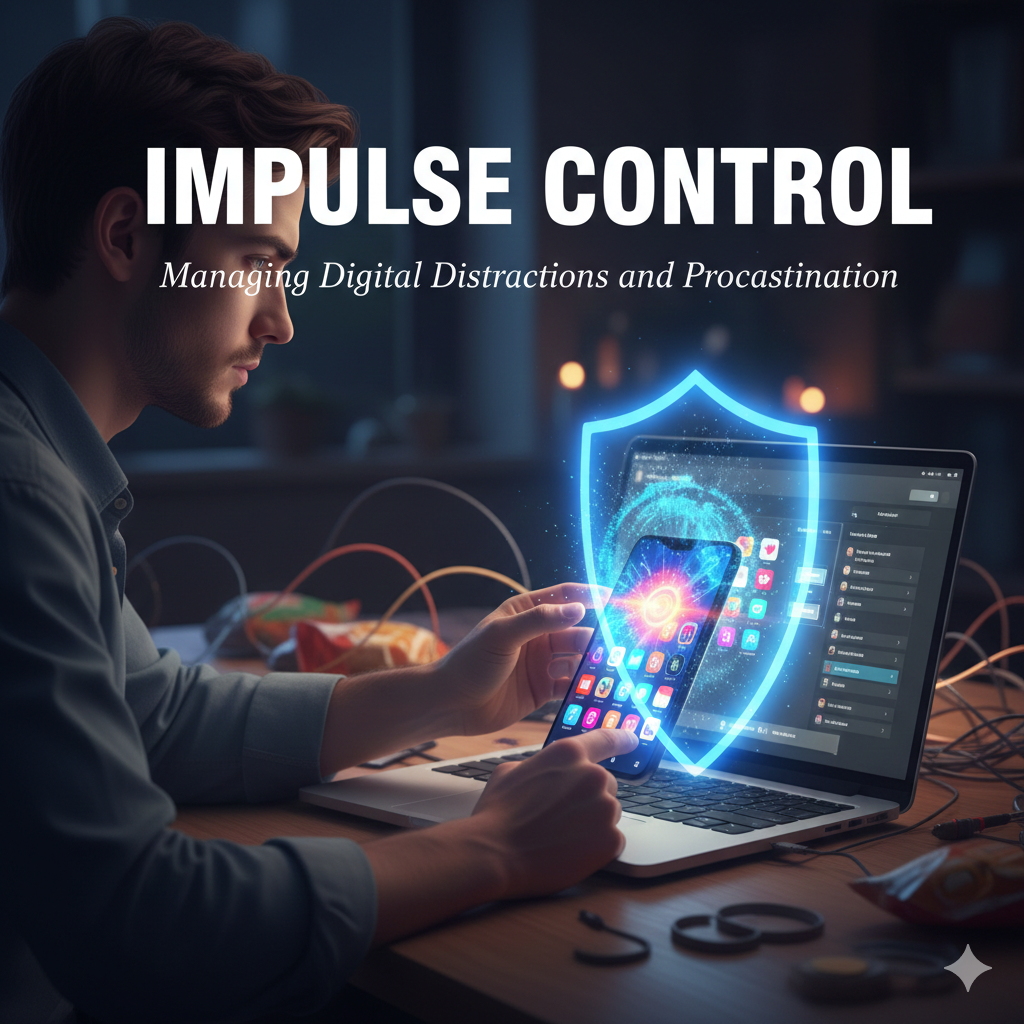
In the digital age, distractions are everywhere. A simple notification, a social media scroll, or a quick video can turn into hours of lost time. Many students and professionals struggle to stay focused, not because they lack ability, but because they lack impulse control.
Impulse control is the ability to resist short-term temptations in order to achieve long-term goals. It is a critical skill for productivity, success, and personal growth. Without it, people often fall into the trap of digital distractions and procrastination.
At CVDragon, we believe impulse control is a core success skill. Learning to manage distractions and overcome procrastination can transform your productivity, improve your career, and help you achieve your goals faster.
This article explores impulse control, the impact of digital distractions, and practical strategies to stay focused and productive.
What is Impulse Control?
Impulse control is the ability to pause and think before acting on urges, temptations, or distractions.
It means choosing what is important over what is immediately enjoyable.
For example:
- Choosing to complete your work instead of scrolling social media
- Studying instead of watching videos
- Finishing tasks instead of delaying them
Impulse control helps you stay disciplined.
It supports long-term success.
Understanding Digital Distractions
Digital distractions are interruptions caused by digital devices.
Common examples include:
- Social media notifications
- Mobile phone usage
- Online videos
- Messaging apps
- Gaming
These distractions reduce focus.
They break concentration.
They waste valuable time.
How Digital Distractions Affect Productivity
Digital distractions have serious consequences.
Reduced Focus
Every distraction breaks your concentration.
It takes time to refocus.
This reduces efficiency.
Increased Procrastination
Distractions encourage delay.
You postpone important tasks.
Work remains incomplete.
Lower Quality Work
Lack of focus leads to mistakes.
Quality suffers.
Increased Stress
Incomplete work creates pressure.
This increases stress and anxiety.
What is Procrastination?
Procrastination is the habit of delaying important tasks.
Instead of doing work, people do less important activities.
Examples include:
- Checking social media
- Watching videos
- Doing unnecessary tasks
Procrastination reduces productivity.
It delays success.
Why People Procrastinate
Understanding the reasons helps solve the problem.
Common causes include:
Lack of Motivation
Tasks may feel boring or difficult.
People avoid them.
Fear of Failure
Fear creates avoidance.
People delay tasks.
Lack of Discipline
Self-control is weak.
Distractions win.
Instant Gratification
Digital platforms provide quick pleasure.
Work requires effort.
People choose easy pleasure.
Importance of Impulse Control
Impulse control is essential for success.
Improves Productivity
You complete tasks faster.
Builds Discipline
You develop self-control.
Reduces Stress
Completed work reduces pressure.
Improves Career Growth
Focused individuals perform better.
Employers value disciplined people.
Practical Strategies to Manage Digital Distractions
Here are effective strategies:
1. Turn Off Notifications
Notifications trigger distractions.
Turn off unnecessary alerts.
This improves focus.
2. Keep Your Phone Away
Keep your phone out of reach while working.
This reduces temptation.
3. Use Time Blocking
Set specific time for work.
Focus only on work during that time.
4. Follow the 5-Minute Rule
Start work for just 5 minutes.
Starting reduces resistance.
You often continue longer.
5. Create a Dedicated Workspace
Use a specific place for work.
Avoid working in distracting environments.
6. Use Productivity Techniques
Techniques like:
- Pomodoro Technique
- Task scheduling
Improve focus.
7. Set Clear Goals
Clear goals improve motivation.
You know what to do.
8. Avoid Multitasking
Focus on one task.
Multitasking reduces efficiency.
How to Overcome Procrastination
Procrastination can be controlled.
Break Tasks into Smaller Steps
Small tasks feel easier.
This reduces delay.
Start Immediately
Do not wait for motivation.
Action creates motivation.
Remove Distractions
Control your environment.
Reduce temptation.
Reward Yourself
Give yourself small rewards.
This builds positive habits.
Role of Self-Discipline in Impulse Control
Impulse control is connected to discipline.
Discipline means doing what is necessary, even when you don’t feel like it.
Discipline builds success.
Successful people control their impulses.
Benefits of Strong Impulse Control
People with impulse control experience:
- Higher productivity
- Better focus
- Career success
- Personal growth
They achieve more.
Impulse Control in Professional Life
In workplaces, distractions reduce performance.
Employees with impulse control:
- Meet deadlines
- Produce better work
- Earn promotions
Employers value focus.
Impulse control builds professional reputation.
Impulse Control for Students
Students face digital distractions daily.
Impulse control helps students:
- Study effectively
- Improve academic performance
- Achieve career goals
It builds future success.
Building Long-Term Focus Habits
Impulse control improves with practice.
Simple habits include:
- Daily discipline
- Limiting screen time
- Setting priorities
Consistency builds control.
Digital Discipline is a Modern Superpower
In a distracted world, focus is rare.
People who control distractions gain advantage.
They achieve more.
They succeed faster.
Impulse control is a competitive advantage.
Conclusion
Impulse control is essential for managing digital distractions and overcoming procrastination. In today’s digital world, distractions are constant, but success depends on your ability to stay focused.
By controlling impulses, you improve productivity, reduce stress, and achieve your goals faster.
Simple habits like turning off notifications, setting goals, and building discipline can transform your focus.
At CVDragon, we believe success is not about working harder, but about working smarter and staying focused on what truly matters.
Because your future is built not by what you intend to do—
But by what you actually do.
Leave a Reply