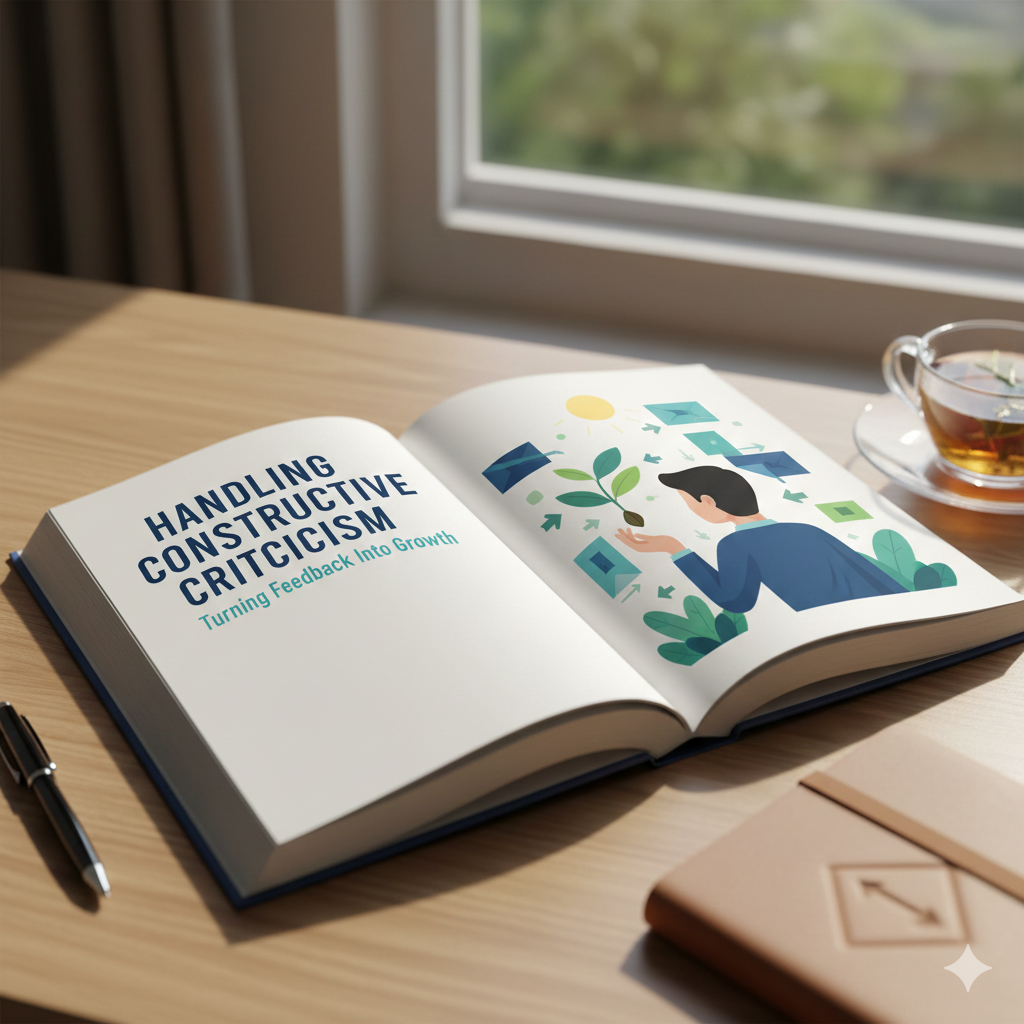
Introduction
No matter how skilled, experienced, or talented you are, feedback is an inevitable part of personal and professional life. Whether it comes from a manager, teacher, colleague, or client, constructive criticism can sometimes feel uncomfortable. However, when handled correctly, it becomes one of the most powerful tools for growth and success.
Constructive criticism is not meant to discourage you. It is meant to help you improve. The ability to accept, understand, and apply feedback is a key skill that separates stagnant individuals from those who continuously grow.
At CVDragon, we believe that learning how to handle constructive criticism is essential for career development, professional success, and personal growth.
This article explores the importance of constructive criticism, why it matters, and how you can turn feedback into a powerful opportunity for improvement.
What is Constructive Criticism?
Constructive criticism is feedback given with the intention of helping someone improve their performance, behavior, or skills.
Unlike negative criticism, constructive criticism is:
- Specific
- Helpful
- Respectful
- Focused on improvement
It highlights areas of improvement while encouraging growth.
For example:
Instead of saying, “Your presentation was bad,” constructive criticism would be:
“Your presentation had great content, but improving eye contact and confidence will make it more effective.”
This type of feedback guides improvement.
Why Constructive Criticism is Important
1. Helps You Improve Your Skills
Feedback helps you identify your weaknesses.
Without feedback, you may never realize what needs improvement.
Constructive criticism shows you how to become better.
2. Accelerates Professional Growth
Professionals who accept feedback grow faster.
They learn from mistakes and improve continuously.
This makes them more valuable in the workplace.
3. Builds Self-Awareness
Feedback helps you understand how others see your work.
This increases self-awareness.
Self-aware individuals make better decisions.
4. Strengthens Workplace Relationships
Accepting feedback professionally shows maturity.
It builds trust with managers and colleagues.
It shows that you are open to learning.
5. Prepares You for Leadership Roles
Leaders receive feedback regularly.
Learning to handle criticism prepares you for leadership.
Strong leaders use feedback to improve.
Why People Struggle with Criticism
Many people feel uncomfortable when receiving criticism.
Common reasons include:
- Fear of failure
- Ego and pride
- Lack of confidence
- Feeling personally attacked
These reactions are natural.
However, learning to manage these emotions is important.
Feedback is about improvement, not personal attack.
How to Handle Constructive Criticism Effectively
Handling criticism professionally is a valuable skill.
Here are practical steps to do it effectively.
1. Stay Calm and Listen Carefully
Your first reaction matters.
Avoid:
- Interrupting
- Becoming defensive
- Arguing immediately
Listen carefully to understand the feedback.
Staying calm shows professionalism.
2. Do Not Take It Personally
Criticism is about your work, not your worth.
Separate your identity from your performance.
This mindset makes feedback easier to accept.
3. Ask Questions for Clarity
If something is unclear, ask politely.
For example:
- “Can you explain how I can improve this?”
- “Can you give an example?”
This shows willingness to learn.
4. Accept Feedback with Gratitude
Thank the person for their feedback.
For example:
“Thank you for your feedback. I will work on improving it.”
This shows professionalism and maturity.
5. Reflect on the Feedback
Take time to think about the feedback.
Ask yourself:
- Is this feedback valid?
- What can I improve?
Reflection leads to growth.
6. Create an Improvement Plan
Turn feedback into action.
For example:
If feedback says improve communication, you can:
- Practice speaking
- Attend training
- Seek mentorship
Action is key.
7. Follow Up and Show Improvement
Demonstrate that you applied the feedback.
This builds trust.
It shows your commitment to growth.
Benefits of Accepting Constructive Criticism
People who accept feedback grow faster.
Benefits include:
Improved Performance
You correct mistakes and improve quality.
Faster Career Growth
Employers value people who learn and improve.
Increased Confidence
Improvement builds confidence.
Stronger Professional Reputation
You are seen as professional and mature.
Turning Criticism into Opportunity
Successful people see criticism differently.
They see it as:
- Learning opportunity
- Growth opportunity
- Improvement tool
Instead of feeling discouraged, they feel motivated.
This mindset leads to success.
Constructive Criticism in the Workplace
Feedback is common in professional environments.
Examples include:
- Performance reviews
- Manager feedback
- Client feedback
Employees who handle feedback well perform better.
They also earn promotions faster.
Feedback is part of professional life.
Constructive Criticism for Students
Students also benefit from feedback.
Teachers help students improve:
- Writing
- Communication
- Knowledge
Students who accept feedback perform better academically.
It prepares them for professional life.
Common Mistakes to Avoid
Avoid these mistakes:
Becoming Defensive
Defensiveness blocks learning.
Ignoring Feedback
Ignoring feedback prevents growth.
Taking It Personally
This creates emotional stress.
Not Taking Action
Feedback is useless without action.
How Organizations Benefit from Feedback Culture
Organizations that encourage feedback grow faster.
Benefits include:
- Better employee performance
- Stronger teams
- Improved productivity
Feedback creates continuous improvement.
How to Develop a Growth Mindset
Growth mindset means believing you can improve.
To develop it:
- Accept mistakes
- Learn continuously
- Welcome feedback
Growth mindset leads to success.
Real Success Comes from Continuous Improvement
No one is perfect.
Everyone has room to improve.
Feedback helps you reach your potential.
Successful professionals continuously improve.
They never stop learning.
Conclusion
Handling constructive criticism is one of the most important skills for personal and professional growth. Feedback helps you improve your skills, build self-awareness, and grow in your career.
Instead of fearing criticism, you should welcome it.
Constructive criticism is not your enemy.
It is your guide.
At CVDragon, we believe that feedback is a powerful tool for success. Those who learn from feedback grow faster, achieve more, and build stronger careers.
Because growth does not come from comfort.
Growth comes from learning, improving, and becoming better every day.
Leave a Reply