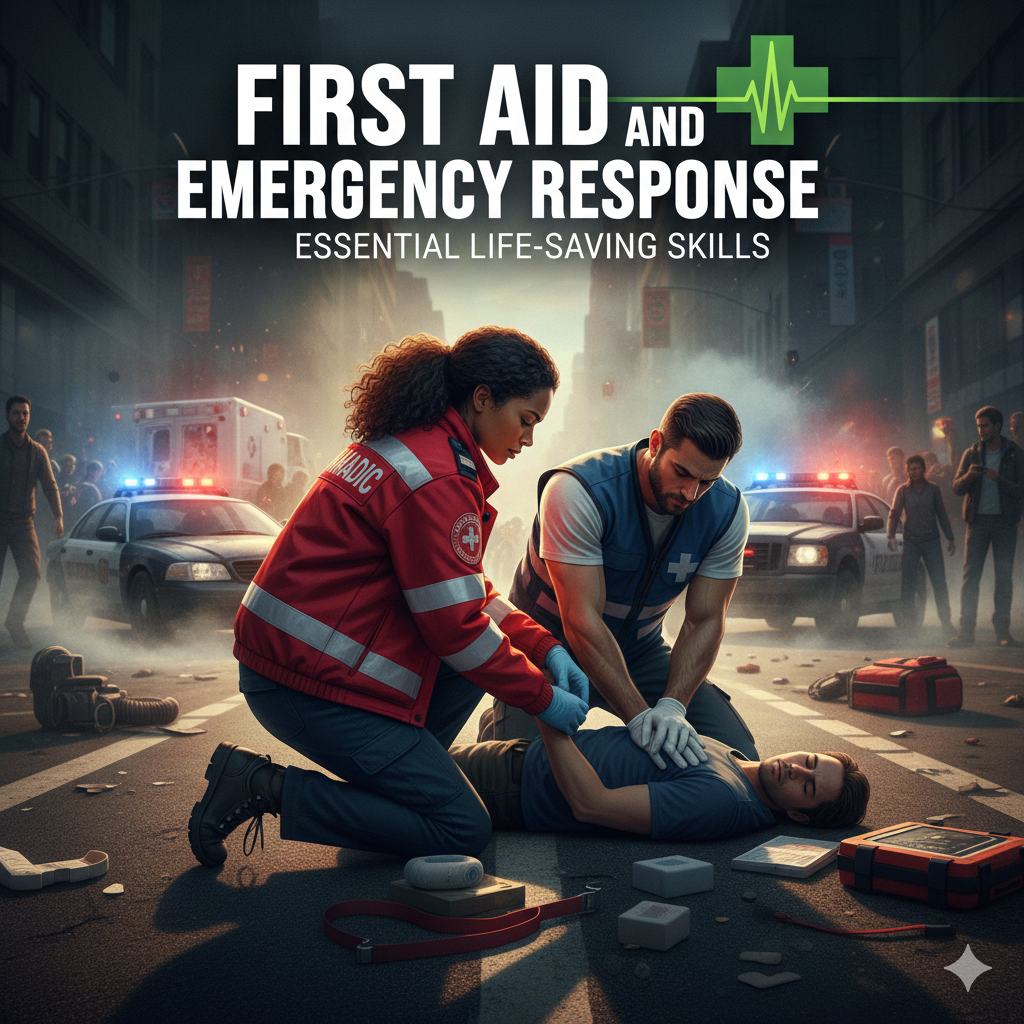
Emergencies are unpredictable. They can happen at home, at work, on the road, or in public places. In those critical moments before professional medical help arrives, the actions of an ordinary person can make the difference between life and death. This is where first aid and emergency response skills become essential.
First aid is not just for healthcare professionals. It is a life skill that everyone should learn. Knowing how to respond quickly and correctly can prevent a situation from worsening, reduce recovery time, and, most importantly, save lives. At CVDragon, we believe that life-saving skills are just as important as career-building skills because responsible individuals build stronger workplaces and communities.
This article explores the importance of first aid, essential emergency response skills, and why everyone should be prepared.
What is First Aid?
First aid is the immediate assistance given to a person who is injured or suddenly becomes ill before professional medical help arrives. The goal of first aid is to:
- Preserve life
- Prevent the condition from worsening
- Promote recovery
First aid does not replace medical treatment, but it stabilizes the person until trained professionals take over.
Simple actions like stopping bleeding, performing CPR, or helping someone who is choking can save lives in minutes.
Why First Aid Skills Are Important
1. Saves Lives
The most important reason to learn first aid is simple: it saves lives.
For example, in cases of cardiac arrest, performing CPR immediately can double or triple a person’s chances of survival. Waiting for an ambulance without taking action can reduce survival chances significantly.
2. Prevents Conditions from Worsening
A small injury can become serious if ignored.
For instance:
- Improper handling of fractures can cause permanent damage
- Untreated burns can lead to infections
- Severe bleeding can lead to shock
First aid helps control the situation early.
3. Promotes Faster Recovery
Quick and proper care reduces complications and speeds up healing.
For example, cleaning and covering wounds properly reduces infection risk and helps faster recovery.
4. Creates Safer Workplaces
Employees trained in first aid contribute to workplace safety. Companies benefit from reduced injury severity, better emergency preparedness, and a more responsible workforce.
This is especially important in industries like construction, manufacturing, and corporate offices.
5. Builds Confidence and Leadership
People trained in first aid are more confident during emergencies. Instead of panicking, they take control of the situation.
This builds leadership, responsibility, and decision-making skills.
Essential First Aid Skills Everyone Should Know
You don’t need to be a doctor to learn basic life-saving skills. Here are the most important ones:
1. CPR (Cardiopulmonary Resuscitation)
CPR is used when someone’s heart stops beating.
It involves:
- Chest compressions
- Rescue breathing
CPR helps maintain blood flow to the brain and vital organs.
Brain damage can begin within 4–6 minutes without oxygen. CPR keeps oxygen circulating until medical help arrives.
CPR is one of the most important life-saving skills anyone can learn.
2. Helping a Choking Person
Choking blocks airflow and can quickly become fatal.
Signs of choking:
- Person cannot speak
- Difficulty breathing
- Holding throat
- Turning blue
First aid response:
- Perform abdominal thrusts (Heimlich maneuver)
- Encourage coughing if possible
Quick action can save a person within seconds.
3. Controlling Bleeding
Severe bleeding can lead to death within minutes.
Steps include:
- Apply direct pressure
- Use a clean cloth or bandage
- Elevate the injured area if possible
Stopping blood loss is critical.
4. Treating Burns
Burns can occur from heat, electricity, chemicals, or fire.
First aid steps:
- Cool the burn under running water
- Do not apply ice
- Cover with a clean cloth
Proper care prevents infection and damage.
5. Handling Fractures
Broken bones require careful handling.
Signs include:
- Severe pain
- Swelling
- Inability to move
First aid includes:
- Immobilizing the area
- Avoid moving the injured person unnecessarily
This prevents further injury.
6. Responding to Fainting
Fainting happens due to temporary loss of blood flow to the brain.
First aid steps:
- Lay the person down
- Elevate their legs
- Ensure fresh air
Most people recover quickly, but monitoring is important.
7. Managing Shock
Shock is a life-threatening condition.
Signs include:
- Pale skin
- Rapid breathing
- Weak pulse
First aid steps:
- Lay the person down
- Keep them warm
- Seek medical help immediately
Shock requires urgent attention.
Emergency Response: Acting Quickly and Smartly
Emergency response is not just about knowing first aid. It also includes:
- Staying calm
- Assessing the situation
- Calling emergency services
- Providing help safely
Panic can make situations worse. Calm thinking saves lives.
The Golden Minutes: Why Time Matters
The first few minutes after an emergency are called the “Golden Minutes.”
During this time:
- Brain damage can occur
- Bleeding can become fatal
- Breathing problems can worsen
Immediate first aid increases survival chances dramatically.
Waiting passively can be dangerous.
Action is critical.
First Aid in the Workplace
Workplace emergencies can include:
- Slips and falls
- Burns
- Electric shocks
- Medical emergencies
Companies benefit greatly when employees know first aid.
Benefits include:
- Faster emergency response
- Reduced injury severity
- Increased employee safety
- Better workplace culture
First aid training is a valuable professional skill.
First Aid is a Life Skill, Not Just a Medical Skill
Many people believe first aid is only for healthcare professionals.
This is not true.
Anyone can learn first aid, including:
- Students
- Employees
- Parents
- Teachers
- Managers
First aid knowledge makes individuals more responsible and capable.
It prepares you for real-life situations.
How First Aid Knowledge Benefits Your Career
At CVDragon, we focus on skills that improve both careers and personal development.
First aid training:
- Enhances your resume
- Shows responsibility
- Demonstrates leadership
- Makes you valuable to employers
Employers prefer individuals who can handle emergencies.
It shows maturity and preparedness.
Common Mistakes to Avoid During Emergencies
Many people panic or make mistakes.
Avoid these:
- Ignoring the situation
- Moving injured people unnecessarily
- Applying wrong treatments
- Delaying emergency calls
The most important step is to act calmly and correctly.
How to Be Prepared for Emergencies
Preparation is simple.
Learn First Aid
Take a certified first aid course.
Keep a First Aid Kit
Every home and workplace should have one.
Basic items include:
- Bandages
- Antiseptic
- Gauze
- Gloves
Save Emergency Numbers
Keep emergency numbers accessible.
Stay Calm
Calm thinking leads to better decisions.
Building a Safer Society
When more people know first aid, society becomes safer.
Imagine:
- Every workplace has trained employees
- Every school teaches first aid
- Every home has basic knowledge
Many lives could be saved.
Prepared people create safer communities.
Conclusion
First aid and emergency response skills are essential life-saving skills that everyone should learn. Emergencies can happen anytime, anywhere, and to anyone.
Knowing what to do in those critical moments can save lives, reduce injuries, and promote faster recovery.
First aid is not just a medical skill. It is a life skill.
It builds confidence, responsibility, and leadership.
At CVDragon, we believe success is not only about professional growth but also about being prepared, capable, and responsible individuals.
Learning first aid empowers you to protect others.
Because sometimes, the difference between life and death is not a doctor.
It is the person standing nearby.
And that person could be you.
Leave a Reply