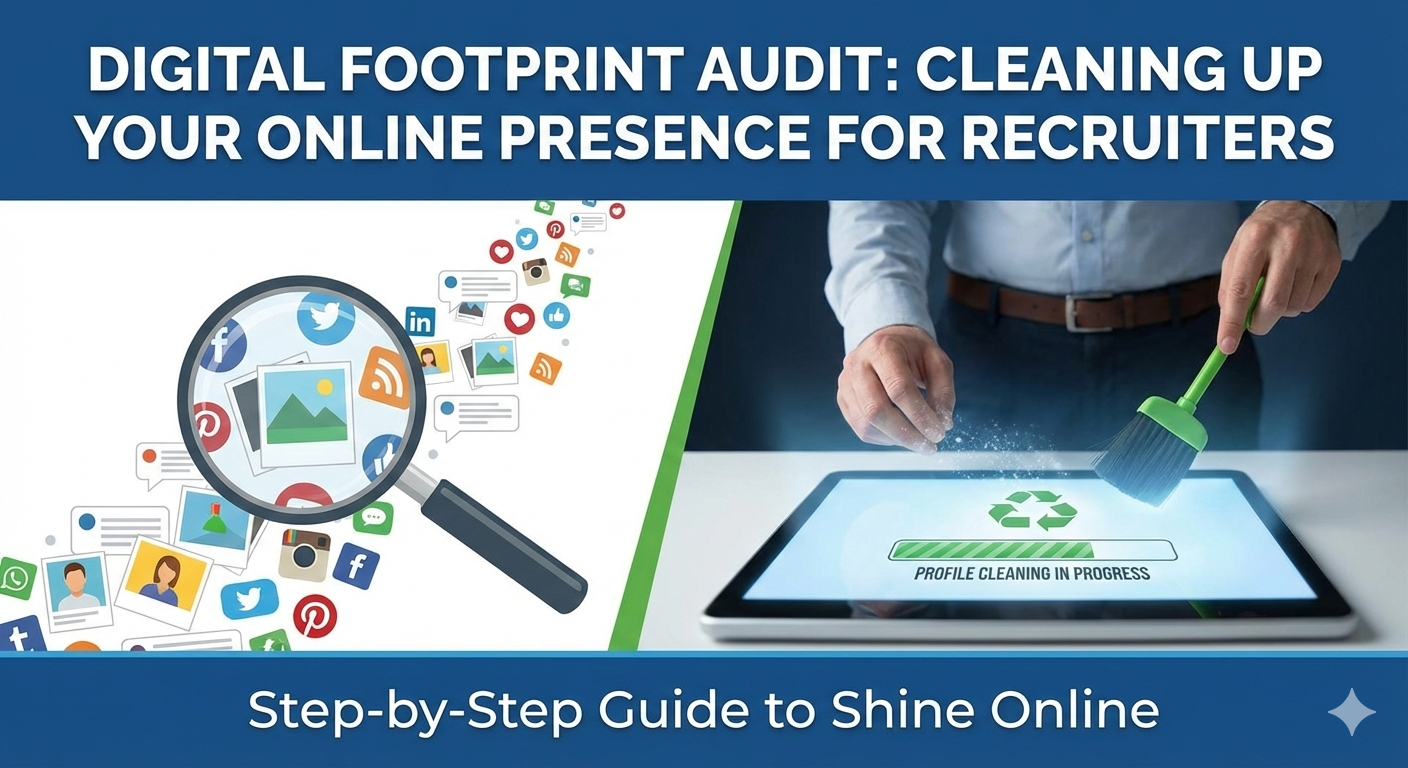
Before you walk into an interview room, chances are you’ve already been “seen.” Recruiters today routinely search candidates online before shortlisting or making hiring decisions. Your social media profiles, old posts, tagged photos, comments, and even inactive accounts collectively form your digital footprint.
At cvDragon, we often tell students and professionals: Your online presence is your silent resume. Whether you are aware of it or not, it shapes first impressions. Conducting a digital footprint audit is no longer optional—it’s a critical step in career readiness.
This article explains what a digital footprint is, why it matters to recruiters, and how to clean up and optimize your online presence strategically and professionally.
What Is a Digital Footprint?
A digital footprint is the trail of information you leave behind while using the internet. It includes:
-
Social media profiles
-
Posts, comments, and likes
-
Blog entries
-
Photos and videos
-
Online forum activity
-
News mentions
-
Public records
-
Search engine results linked to your name
Your digital footprint can be active (things you post intentionally) or passive (data collected automatically, like tagged content or old accounts).
Why Recruiters Check Online Profiles
Recruiters look online to:
-
Verify professional credibility
-
Assess communication style
-
Evaluate cultural fit
-
Identify red flags
-
Discover additional achievements
A strong online presence can enhance your candidacy. A careless one can quietly remove you from consideration.
At cvDragon, we emphasize that digital reputation management is part of modern professional etiquette.
Step 1: Search Yourself First
Begin your digital footprint audit by:
-
Searching your full name on search engines
-
Checking image results
-
Reviewing different variations of your name
-
Looking at older posts or inactive profiles
View your online presence from a recruiter’s perspective.
Ask yourself:
-
Does this reflect professionalism?
-
Would I hire this person?
Honest evaluation is the first step to improvement.
Step 2: Review Social Media Accounts
Even if your accounts are private, profile photos, bios, and usernames are often visible.
Check:
-
Profile pictures
-
Cover photos
-
Bio descriptions
-
Public posts
-
Tagged photos
-
Comment history
Remove or archive content that could appear:
-
Offensive
-
Inappropriate
-
Unprofessional
-
Immature
Professionalism online signals maturity and responsibility.
Step 3: Adjust Privacy Settings
Privacy settings are essential—but they are not a substitute for good judgment.
Ensure:
-
Personal content is restricted to trusted audiences
-
Contact information is protected
-
Old posts are limited if necessary
However, remember: Anything online can potentially become public. Always think before posting.
Step 4: Delete or Deactivate Old Accounts
Inactive or forgotten accounts can harm your digital image.
Look for:
-
Old social media platforms
-
Gaming accounts with questionable usernames
-
Unused blogs
-
Forums with outdated opinions
Deactivate or update accounts to ensure consistency and professionalism.
Step 5: Clean Up Your Username and Email
Your email address and usernames should reflect professionalism.
Avoid:
-
Nicknames
-
Slang
-
Random numbers
-
Unprofessional language
Instead, use formats like:
Small details make strong impressions.
Step 6: Strengthen Your Professional Presence
Cleaning up is only half the process. The next step is building a positive digital identity.
Consider:
-
Creating or updating your LinkedIn profile
-
Sharing academic or professional achievements
-
Publishing thoughtful content
-
Engaging in industry discussions
A well-maintained professional profile can offset older, less relevant content.
At cvDragon, we guide candidates in building a balanced and credible online brand.
Step 7: Monitor Tagged Content
Friends and colleagues may tag you in posts or images that affect your reputation.
Regularly:
-
Review tagged posts
-
Untag inappropriate content
-
Adjust tag approval settings
Your reputation includes content posted by others.
Step 8: Google Alerts and Ongoing Monitoring
Set up alerts for your name to stay informed about new mentions online.
Regular monitoring helps you:
-
Stay proactive
-
Respond quickly if needed
-
Maintain control over your digital narrative
A digital footprint audit is not a one-time task—it’s an ongoing habit.
Common Online Red Flags for Recruiters
Recruiters often notice:
-
Negative comments about employers or institutions
-
Discriminatory or offensive content
-
Evidence of dishonesty
-
Unprofessional communication style
-
Inconsistent personal branding
Avoiding these pitfalls strengthens your professional credibility.
Digital Footprint and Personal Branding
Your online presence should align with your career goals.
For example:
-
Marketing students can showcase creative projects
-
Tech professionals can share coding portfolios
-
Law aspirants can post thoughtful legal insights
Intentional personal branding helps recruiters understand your strengths quickly.
The Balance Between Authenticity and Professionalism
Cleaning up your digital presence does not mean hiding your personality. Instead, aim for:
-
Respectful expression
-
Thoughtful communication
-
Positive engagement
Authenticity combined with professionalism builds trust.
Digital Footprint and Career Growth
A strong online presence can:
-
Attract recruiters directly
-
Open networking opportunities
-
Build thought leadership
-
Enhance credibility
In competitive job markets, your digital profile may differentiate you from equally qualified candidates.
At cvDragon, we encourage candidates to treat their online presence as an extension of their resume.
Mistakes to Avoid During a Digital Cleanup
-
Deleting everything without strategy
-
Ignoring professional networking platforms
-
Creating overly artificial or robotic profiles
-
Failing to update information regularly
Strategic curation is more effective than sudden erasure.
How Students Can Start Early
Students should:
-
Build professional habits from the beginning
-
Avoid posting impulsively
-
Think long-term about reputation
Your digital footprint today may impact opportunities years later.
cvDragon’s Approach to Digital Reputation Management
At cvDragon, we believe digital literacy includes online reputation management. We support students and professionals in:
-
Conducting digital audits
-
Aligning online presence with career goals
-
Building strong professional profiles
-
Maintaining ethical and responsible online behavior
A polished digital footprint signals readiness, maturity, and awareness.
Conclusion
Your digital footprint is a reflection of who you are—and who you are becoming. In an era where recruiters search before they speak to you, maintaining a clean and professional online presence is essential.
At cvDragon, we believe that auditing and improving your digital footprint is an investment in your future. By managing what you share, strengthening your professional profiles, and staying mindful of your online behavior, you take control of your narrative.
Remember: The internet rarely forgets—but you can choose what it remembers about you.
Leave a Reply