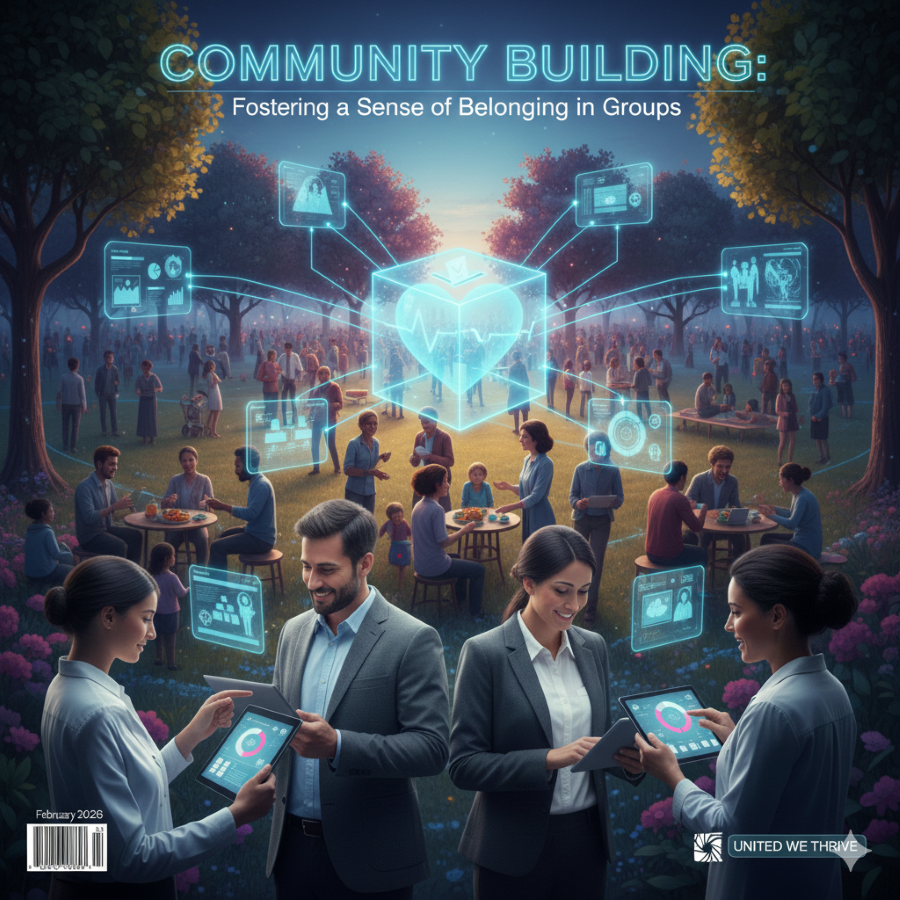
In classrooms, workplaces, campuses, and online spaces, people don’t just look for information or opportunities—they look for belonging. The feeling of being seen, valued, and included plays a powerful role in motivation, confidence, and long-term success. This is where community building becomes essential.
At cvDragon, we work with students and young professionals from diverse backgrounds, and one insight stands out consistently: skills grow faster and potential unfolds more fully in environments where people feel connected. A strong community doesn’t happen by chance—it is built intentionally through trust, empathy, and shared purpose.
This article explores what community building truly means, why fostering a sense of belonging matters, and how students, leaders, and organizations can create inclusive, supportive groups that thrive.
What Is Community Building?
Community building is the process of creating and nurturing relationships within a group so members feel:
-
Connected
-
Respected
-
Supported
-
Valued
A community can exist anywhere:
-
Student groups and classrooms
-
Work teams and organizations
-
Clubs, societies, and NGOs
-
Online forums and digital platforms
What defines a community is not size or structure—but the quality of relationships within it.
Understanding the Sense of Belonging
A sense of belonging is the emotional experience of feeling accepted and included. When people feel they belong, they are more likely to:
-
Participate actively
-
Share ideas openly
-
Support others
-
Stay engaged long term
Belonging is a fundamental human need, influencing both mental well-being and performance.
At cvDragon, we view belonging as the foundation upon which collaboration, leadership, and growth are built.
Why Community Building Matters
Strong communities create environments where individuals can thrive—not just survive.
1. Improves Mental and Emotional Well-Being
Feeling isolated can increase stress, anxiety, and self-doubt. A supportive community:
-
Reduces loneliness
-
Encourages emotional expression
-
Builds psychological safety
People perform better when they feel emotionally supported.
2. Enhances Learning and Growth
In learning environments, belonging:
-
Encourages questions and curiosity
-
Reduces fear of making mistakes
-
Promotes peer-to-peer learning
Students learn more effectively when they feel safe to participate.
3. Strengthens Collaboration and Teamwork
Communities foster trust. Trust leads to:
-
Better communication
-
Faster problem-solving
-
Stronger teamwork
Groups that feel connected work more efficiently and creatively.
4. Increases Engagement and Retention
Whether in colleges or organizations, people are more likely to stay where they feel valued. Belonging boosts:
-
Participation
-
Commitment
-
Long-term involvement
This is why strong communities outperform fragmented groups.
Key Elements of Strong Communities
While every group is different, thriving communities share common traits.
1. Shared Purpose
Members feel connected when they understand:
-
Why the group exists
-
What it stands for
-
What goals it is working toward
A clear purpose gives people a reason to belong.
2. Inclusivity and Respect
Inclusive communities:
-
Welcome diverse perspectives
-
Respect differences
-
Avoid judgment or exclusion
Belonging grows when people can be themselves without fear.
3. Open Communication
Healthy communities encourage:
-
Honest dialogue
-
Active listening
-
Constructive feedback
Communication builds understanding and trust.
4. Mutual Support
Strong communities are not transactional—they are reciprocal. Members:
-
Celebrate each other’s successes
-
Offer help during challenges
-
Share resources and knowledge
Support strengthens bonds over time.
Community Building in Student Groups
For students, community often shapes the entire educational experience.
Student communities:
-
Improve confidence and participation
-
Encourage leadership development
-
Create peer support systems
Clubs, study groups, and campus initiatives are powerful spaces for belonging when guided intentionally.
Community Building in the Workplace
Modern workplaces increasingly recognize that culture matters as much as competence.
Workplace communities:
-
Improve employee engagement
-
Foster collaboration
-
Reduce burnout
Teams that feel connected communicate better and adapt faster to change.
The Role of Leaders in Fostering Belonging
Leaders play a critical role in shaping community culture.
Effective community-focused leaders:
-
Listen actively
-
Encourage participation from all members
-
Acknowledge contributions
-
Model inclusive behavior
Leadership is less about authority and more about creating space for others.
Practical Ways to Build Community and Belonging
1. Create Safe Spaces for Interaction
Encourage informal conversations, group discussions, and shared activities. Safe spaces allow relationships to develop naturally.
2. Encourage Participation, Not Perfection
Invite contributions without pressure. Let people engage at their own pace.
3. Celebrate Diversity
Recognize different backgrounds, skills, and perspectives as strengths—not obstacles.
4. Acknowledge Contributions
Simple recognition—thanking someone, highlighting effort—goes a long way in building belonging.
5. Foster Peer Connections
Communities grow stronger when members connect with each other, not just with leaders.
Community Building in Digital Spaces
Online communities are now a major part of education and work.
To foster belonging digitally:
-
Encourage respectful communication
-
Set clear community guidelines
-
Promote collaboration, not competition
-
Be mindful of tone and inclusivity
Digital belonging requires intention just like physical spaces.
Challenges in Community Building
Community building is not without challenges:
-
Differences in opinions or backgrounds
-
Conflicts or misunderstandings
-
Unequal participation
Addressing challenges openly and empathetically strengthens communities rather than weakening them.
Community, Identity, and Personal Growth
Belonging shapes identity. Being part of a supportive group helps individuals:
-
Build confidence
-
Discover strengths
-
Develop leadership skills
Communities act as mirrors—reflecting potential people may not see on their own.
Why Community Skills Matter for Careers
Employers value individuals who:
-
Collaborate effectively
-
Communicate respectfully
-
Contribute to positive team culture
Community-building skills signal emotional intelligence, leadership, and adaptability.
At cvDragon, we encourage students to highlight teamwork, collaboration, and community involvement in their career journeys.
cvDragon’s Perspective on Community Building
At cvDragon, we believe that career readiness is not just about technical skills—it’s about human connection. We support students and professionals in:
-
Building peer networks
-
Developing collaborative mindsets
-
Creating inclusive learning and work environments
Strong communities empower individuals to grow together rather than compete alone.
Conclusion
Community building is about more than bringing people together—it’s about making people feel they matter. When individuals experience belonging, they contribute more fully, learn more deeply, and grow more confidently.
At cvDragon, we believe that strong communities are the foundation of meaningful education, successful careers, and resilient societies. By fostering trust, inclusivity, and shared purpose, groups can transform into spaces where everyone has room to belong—and to become their best selves.
Belonging is not a luxury. It is a necessity—and building it is a shared responsibility.
Leave a Reply