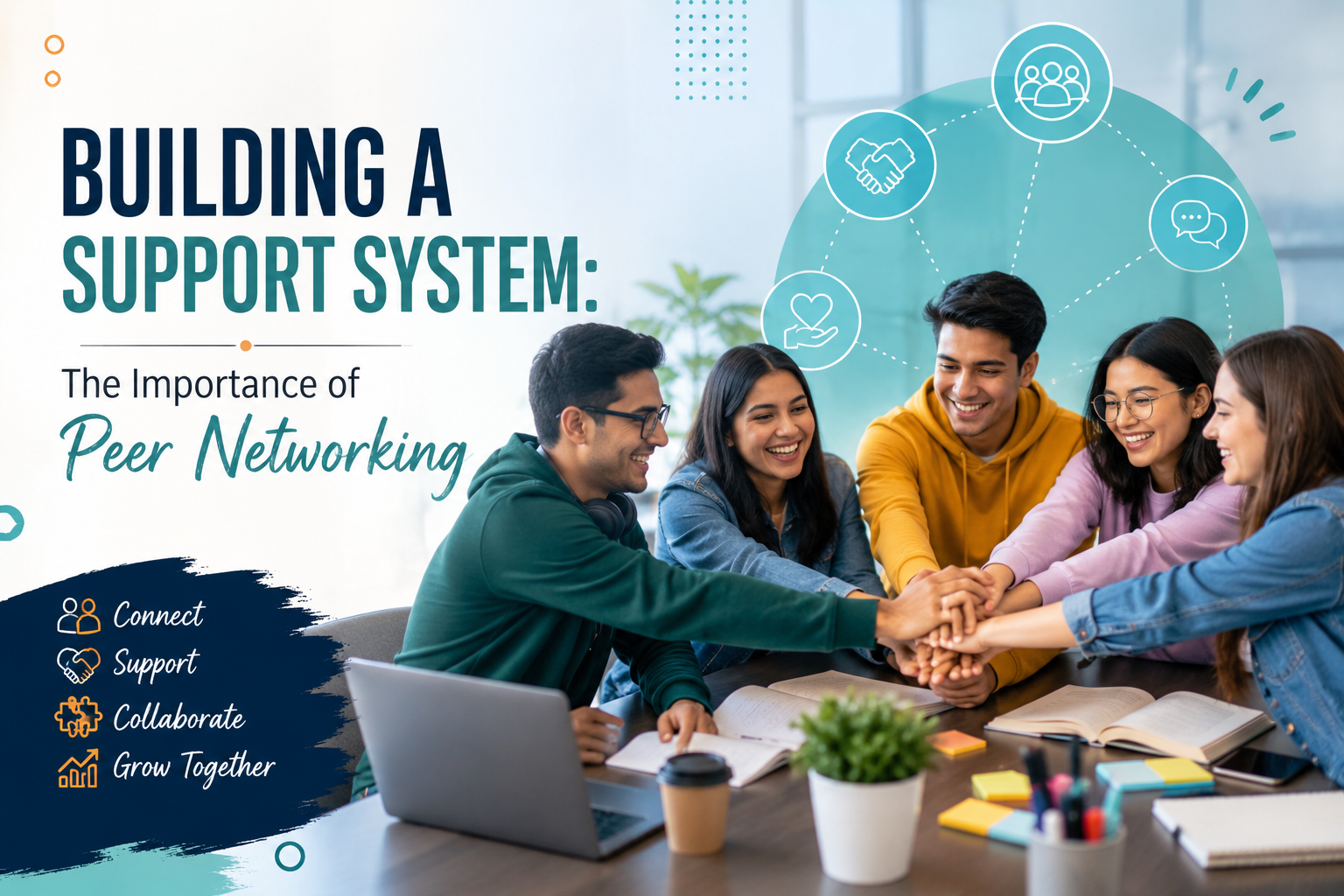
Success is often portrayed as a solo journey—one person, one dream, one achievement. But in reality, no meaningful success happens in isolation. Behind every confident student, skilled professional, or emerging leader is a strong support system, often built through peer networking.
At cvDragon, we’ve worked closely with students and early-career professionals, and one truth stands out clearly: those who grow faster, cope better with challenges, and seize more opportunities are rarely doing it alone. They are learning, sharing, and evolving within supportive peer networks.
In an increasingly competitive and fast-changing world, peer networking is no longer optional—it’s essential. This article explores why building a support system matters, how peer networks influence personal and professional growth, and how students can intentionally cultivate meaningful connections.
What Is a Support System?
A support system is a network of people who provide:
-
Emotional encouragement
-
Knowledge and guidance
-
Motivation and accountability
-
Practical help during challenges
For students and young professionals, peers—classmates, teammates, colleagues, and community members—form the most accessible and relatable support system.
Unlike mentors or authority figures, peers are often:
-
Facing similar challenges
-
Navigating the same transitions
-
Learning at the same pace
This shared experience makes peer support uniquely powerful.
Understanding Peer Networking
Peer networking is the process of building and maintaining relationships with people at a similar stage of life, education, or career. It goes beyond casual socializing—it’s about mutual growth.
Peer networking includes:
-
Study groups
-
Student clubs and societies
-
Project teams
-
Online learning communities
-
Professional peer circles
Strong peer networks are built on trust, collaboration, and shared goals.
Why Peer Networking Matters More Than Ever
Today’s academic and professional environments are:
-
Highly competitive
-
Digitally driven
-
Emotionally demanding
-
Rapidly evolving
In such conditions, peer networking provides stability and perspective.
At cvDragon, we’ve observed that students with strong peer networks are more resilient, adaptable, and career-ready than those who try to manage everything alone.
The Key Benefits of Peer Networking
1. Emotional Support and Mental Well-Being
Academic pressure, career uncertainty, and personal expectations can feel overwhelming. Peer networks offer:
-
A safe space to share struggles
-
Validation that challenges are normal
-
Emotional reassurance during setbacks
Knowing you’re not alone can significantly reduce stress and burnout.
2. Shared Learning and Skill Development
Peers often explain concepts in ways that are easier to understand. Through peer networking, students:
-
Exchange notes and resources
-
Learn new study techniques
-
Share tools and opportunities
Collaborative learning strengthens comprehension and confidence.
3. Motivation and Accountability
When surrounded by driven peers, motivation becomes contagious. Peer groups help individuals:
-
Stay consistent with goals
-
Push through procrastination
-
Celebrate progress together
Accountability within a peer network turns intentions into action.
4. Exposure to Opportunities
Many opportunities don’t come from job boards—they come from conversations.
Peer networks often share:
-
Internship openings
-
Competition announcements
-
Workshops and events
-
Freelance or project opportunities
At cvDragon, we often emphasize that your network can open doors your resume alone cannot.
5. Confidence and Communication Skills
Regular interaction with peers helps students:
-
Express ideas clearly
-
Receive constructive feedback
-
Develop teamwork and leadership skills
These soft skills are critical for long-term career success.
Peer Networking and Career Growth
Peer networks often evolve into professional networks.
Today’s classmates may become:
-
Future colleagues
-
Business partners
-
Industry collaborators
-
Referral sources
Building respectful and supportive peer relationships early creates long-term career value.
The Role of Peer Networking in Problem-Solving
When challenges arise—academic, professional, or personal—peer networks provide:
-
Diverse perspectives
-
Practical solutions
-
Emotional reassurance
Problem-solving becomes easier when ideas are shared rather than carried alone.
Common Barriers to Building Peer Networks
Despite its importance, many students struggle with peer networking due to:
-
Shyness or social anxiety
-
Fear of judgment
-
Over-reliance on digital communication
-
Competitive mindsets
Recognizing these barriers is the first step toward overcoming them.
How Students Can Build a Strong Peer Support System
1. Be Intentional About Connections
Networking doesn’t require large crowds. Start small:
-
Engage in class discussions
-
Connect with project teammates
-
Reach out to like-minded peers
Quality matters more than quantity.
2. Participate in Group Activities
Join:
-
Student clubs
-
Skill-based communities
-
Volunteering initiatives
-
Hackathons or competitions
Shared activities create natural bonding opportunities.
3. Practice Giving Before Expecting
Strong peer networks are built on mutual support. Offer:
-
Help with assignments
-
Feedback on ideas
-
Encouragement during tough times
Support given often returns in unexpected ways.
4. Use Digital Platforms Wisely
Online communities can complement offline networking:
-
LinkedIn student groups
-
Learning forums
-
Professional WhatsApp or Discord groups
Use digital spaces to build meaningful, respectful connections—not just collect contacts.
5. Communicate Authentically
Authenticity builds trust. Be honest, curious, and respectful in conversations. People connect more with sincerity than perfection.
Peer Networking vs. Competition
Many students believe helping peers weakens their own chances. In reality:
-
Collaboration accelerates learning
-
Shared growth benefits everyone
-
Supportive environments outperform competitive ones
Peer networking transforms competition into collective progress.
Peer Support During Failures and Setbacks
Failures feel lighter when shared. Peer networks:
-
Normalize setbacks
-
Encourage reflection instead of self-blame
-
Provide strength to try again
Resilience grows faster in community than in isolation.
How Peer Networking Builds Leadership
Leadership isn’t only about authority—it’s about influence and trust. Peer networking develops:
-
Empathy
-
Conflict resolution skills
-
Team coordination abilities
Many student leaders first practice leadership within peer groups.
The cvDragon Perspective on Peer Networking
At cvDragon, we view peer networking as a core career readiness skill. Through our career guidance approach, we encourage students to:
-
Highlight teamwork and collaboration in resumes
-
Build professional peer circles early
-
Develop communication and relationship-building skills
Strong networks amplify talent, confidence, and opportunity.
Conclusion
No journey worth taking is meant to be walked alone. Building a support system through peer networking is not about dependence—it’s about connection, growth, and shared success.
In classrooms, campuses, workplaces, and digital spaces, peers shape how we learn, cope, and evolve. At cvDragon, we believe that when students invest in meaningful peer relationships, they don’t just build networks—they build confidence, resilience, and lifelong allies.
Your skills may take you far, but your support system will help you go further—and stay strong along the way.
Leave a Reply