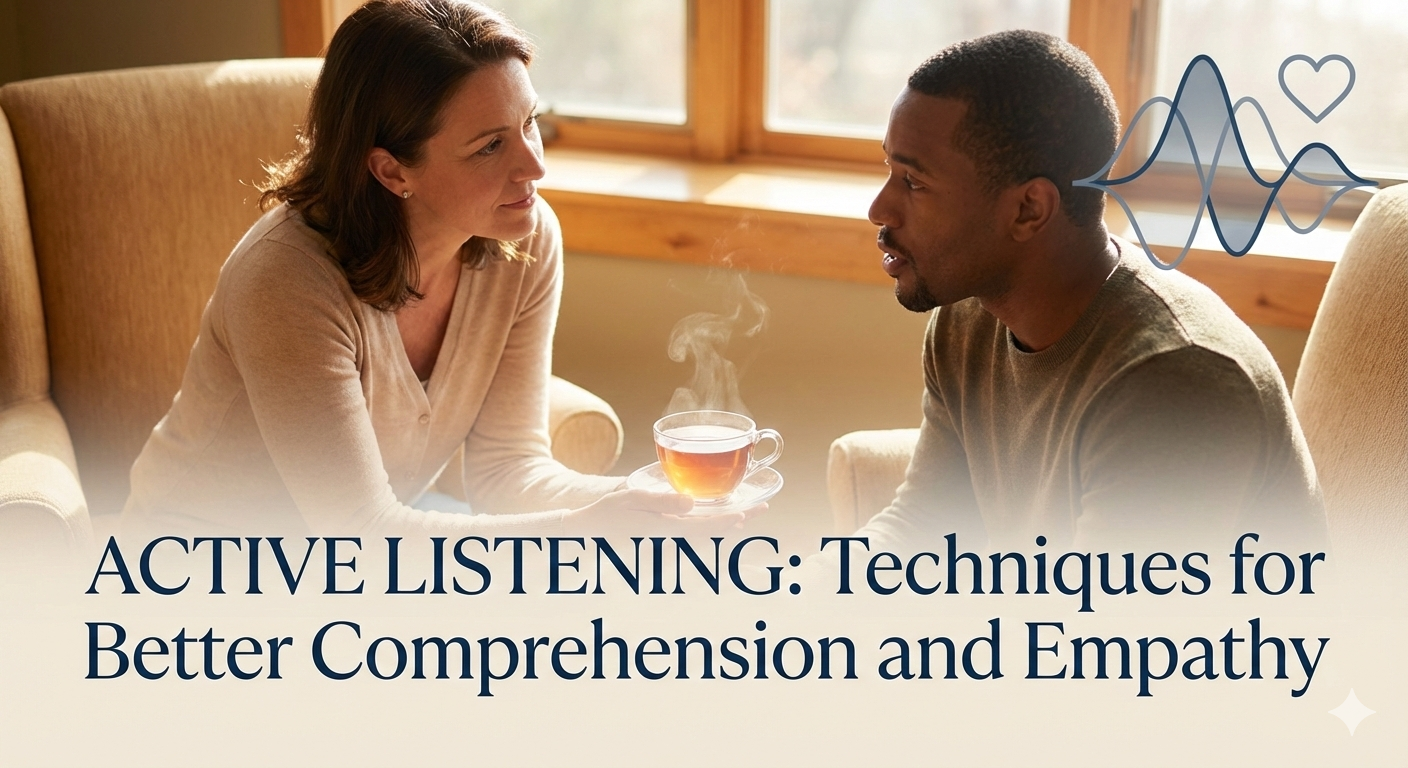
In a world filled with constant notifications, fast conversations, and digital distractions, truly listening has become a rare skill. Most people hear words, but few genuinely understand the message behind them. This is where active listening makes a powerful difference.
At cvDragon, we work with students and professionals who want to communicate more effectively, build stronger relationships, and grow in their careers. One skill that consistently stands out in high-performing individuals is the ability to listen—not passively, but actively. Active listening improves comprehension, builds empathy, reduces conflict, and strengthens leadership.
This article explores what active listening really means, why it matters, and practical techniques to become a better listener in both academic and professional settings.
What Is Active Listening?
Active listening is the conscious effort to fully focus, understand, interpret, and respond to what someone is saying. It goes beyond simply hearing words—it involves engaging with the speaker emotionally and intellectually.
Active listening includes:
-
Paying full attention
-
Understanding verbal and non-verbal cues
-
Responding thoughtfully
-
Showing empathy and respect
It is a two-way process that strengthens communication and trust.
Why Active Listening Is So Important
Active listening plays a vital role in every area of life.
Key Benefits of Active Listening
-
Better comprehension and fewer misunderstandings
-
Stronger relationships
-
Increased empathy and emotional intelligence
-
Improved teamwork and collaboration
-
Enhanced leadership and conflict resolution
In academic and workplace environments, strong listeners are often seen as reliable, thoughtful, and professional.
The Difference Between Hearing and Listening
| Hearing | Active Listening |
|---|---|
| Automatic | Intentional |
| Passive | Engaged |
| Surface-level | Deep understanding |
| Focus on words | Focus on meaning and emotion |
Most communication problems arise not from poor speaking—but from poor listening.
How Active Listening Builds Empathy
Empathy is the ability to understand and share another person’s feelings. Active listening creates empathy by:
-
Validating emotions
-
Encouraging openness
-
Making people feel heard and respected
When people feel understood, trust and cooperation naturally follow.
Common Barriers to Active Listening
Before improving listening skills, it’s important to recognize what gets in the way.
1. Distractions
Phones, notifications, and multitasking reduce attention.
2. Pre-Judgment
Forming opinions before the speaker finishes.
3. Interrupting
Thinking about what to say next instead of listening.
4. Emotional Reactions
Letting emotions block understanding.
Overcoming these barriers is the first step toward active listening.
Techniques for Better Active Listening
1. Give Your Full Attention
True listening begins with focus.
How to practice:
-
Maintain eye contact
-
Put away digital devices
-
Face the speaker
-
Avoid multitasking
Your body language should communicate interest and respect.
2. Listen Without Interrupting
Allow the speaker to finish their thoughts without cutting in.
Interruptions can:
-
Break the speaker’s flow
-
Create frustration
-
Reduce trust
Even if you disagree, let the speaker complete their message first.
3. Observe Non-Verbal Communication
Much of communication is non-verbal.
Pay attention to:
-
Facial expressions
-
Tone of voice
-
Posture and gestures
These cues often reveal emotions that words may not express.
4. Use Reflective Listening
Reflective listening involves restating or summarizing what the speaker has said.
Examples:
-
“What I hear you saying is…”
-
“So you’re feeling concerned about…”
This confirms understanding and shows empathy.
5. Ask Open-Ended Questions
Open-ended questions encourage deeper conversation.
Instead of:
-
“Did that upset you?”
Ask:
-
“How did that situation make you feel?”
This technique helps clarify meaning and deepen understanding.
6. Acknowledge Emotions
Recognizing emotions builds emotional connection.
Phrases like:
-
“That sounds frustrating”
-
“I can understand why you feel that way”
help people feel validated and supported.
7. Avoid Jumping to Solutions Too Quickly
Sometimes people want to be heard, not fixed.
Before offering advice, ask:
-
“Would you like help, or do you just want me to listen?”
This shows respect and emotional intelligence.
8. Respond Thoughtfully
Your response matters as much as your listening.
Effective responses:
-
Are calm and respectful
-
Address the speaker’s message
-
Show understanding and care
Avoid defensive or dismissive language.
Active Listening in Academic Life
For students, active listening improves:
-
Classroom understanding
-
Group project collaboration
-
Teacher-student relationships
-
Peer communication
Students who listen actively perform better academically and socially.
Active Listening in the Workplace
In professional environments, active listening is essential for:
-
Team collaboration
-
Leadership effectiveness
-
Conflict resolution
-
Client communication
Employers value professionals who can listen, understand, and respond effectively.
At cvDragon, we encourage candidates to highlight listening and communication skills as part of their professional competencies.
Active Listening as a Leadership Skill
Great leaders are great listeners.
Leadership listening helps:
-
Build trust within teams
-
Encourage innovation
-
Reduce misunderstandings
-
Improve decision-making
Listening leaders create inclusive and supportive environments.
How to Practice Active Listening Daily
Active listening is a skill that improves with practice.
Daily habits to build it:
-
Listen fully in one conversation per day
-
Reflect before responding
-
Ask clarifying questions
-
Minimize distractions during discussions
Small changes lead to powerful results.
How cvDragon Helps Build Communication Skills
At cvDragon, we help students and professionals:
-
Develop strong communication and interpersonal skills
-
Understand workplace expectations
-
Present soft skills effectively on resumes
-
Prepare for interviews and leadership roles
Active listening is a core employability skill that enhances every career path.
Conclusion
Active listening is more than a communication technique—it is a mindset. By listening with intention, empathy, and attention, we create deeper understanding, stronger relationships, and more meaningful interactions.
In classrooms, workplaces, and leadership roles, those who listen well stand out as thoughtful, trustworthy, and capable individuals. At cvDragon, we believe that mastering active listening is a powerful step toward personal growth and professional success.
When you truly listen, you don’t just hear words—you understand people.
Leave a Reply